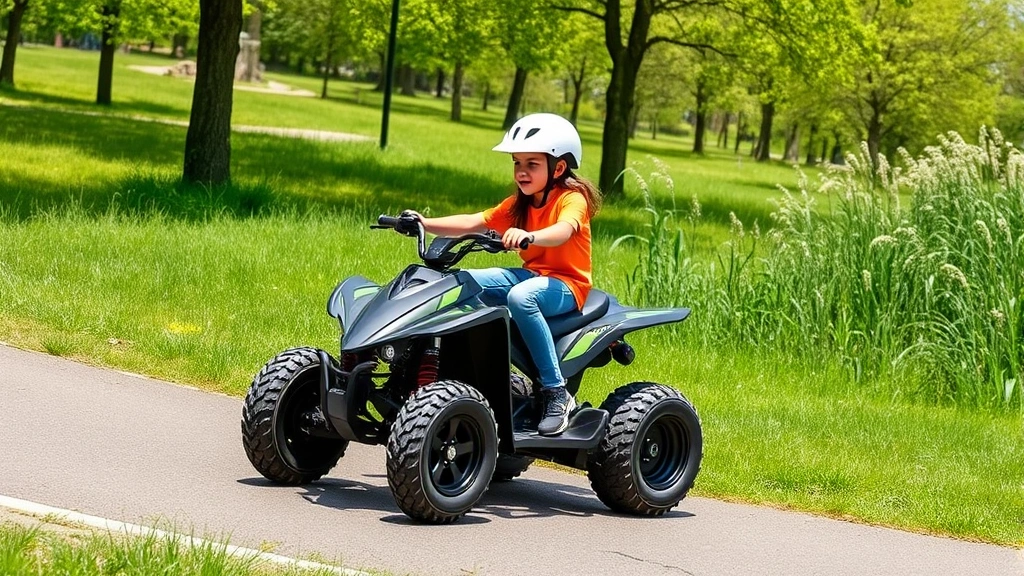
Are Gas Quads Eco-Friendly for Kids? A Comprehensive Review
When parents consider recreational vehicles for their children, gas-powered quads often top the list due to their affordability and availability. However, the question of environmental impact becomes increasingly important as families embrace sustainability. This comprehensive review examines whether children’s gas quads align with eco-conscious parenting and explores alternatives that might better serve both your family and the planet.
The recreational vehicle industry has experienced significant growth over the past decade, with gas-powered quads remaining popular among families seeking outdoor adventures. Yet environmental concerns surrounding emissions, fuel consumption, and habitat disruption demand careful examination. Understanding the true ecological footprint of these machines helps parents make informed decisions that balance recreation with responsibility.
Environmental Impact of Gas Quads
Gas-powered quads designed for children typically operate on small internal combustion engines, ranging from 50cc to 110cc in displacement. These machines present several environmental challenges that extend beyond simple fuel consumption. The manufacturing process, operational emissions, noise pollution, and potential habitat disruption all contribute to their overall ecological footprint.
The production of a gas quad involves resource extraction, manufacturing emissions, and transportation to retail locations. Most children’s quads are manufactured overseas, adding significant carbon emissions through international shipping. Once in use, these vehicles consume fossil fuels and emit greenhouse gases and particulate matter. Additionally, improper use in sensitive ecosystems can cause soil erosion and vegetation damage.
According to research from the EPA’s air quality resources, small engines like those in gas quads produce disproportionately high emissions relative to their size. A single gas quad operating for one hour can produce emissions equivalent to driving a modern car for several hours. This reality challenges the casual assumption that children’s recreational vehicles have minimal environmental consequences.
Understanding the definition of sustainability helps frame this discussion. True sustainability requires meeting present needs without compromising future generations’ ability to meet theirs. Gas quads, by their nature, consume non-renewable resources and contribute to climate change, making them fundamentally unsustainable choices for environmentally conscious families.
Emissions and Air Quality Concerns
The emissions profile of children’s gas quads deserves detailed examination. These small engines lack the sophisticated emission control systems found in modern automobiles. Most gas quads produce significant quantities of nitrogen oxides (NOx), volatile organic compounds (VOCs), and particulate matter. When used in residential areas, they contribute measurably to local air quality degradation.
Children themselves face particular vulnerability to air pollution. Their lungs are still developing, and they breathe more air per pound of body weight than adults. Prolonged exposure to quad emissions, whether as operators or bystanders, can exacerbate asthma, allergies, and other respiratory conditions. This health dimension adds a crucial ethical consideration to the environmental debate.
Noise pollution represents another often-overlooked environmental impact. Gas quads produce noise levels between 80-90 decibels, disturbing wildlife and neighbors alike. This acoustic pollution affects bird migration patterns, disrupts animal communication, and degrades quality of life in surrounding communities. The cumulative effect of multiple quads operating in the same area intensifies these problems significantly.
Fuel spills and improper maintenance create additional hazards. Small engines frequently leak oil and fuel, contaminating soil and groundwater. Children operating these machines rarely possess the mechanical knowledge to maintain them properly, increasing the likelihood of environmental damage from leaks and improper disposal of used oil.
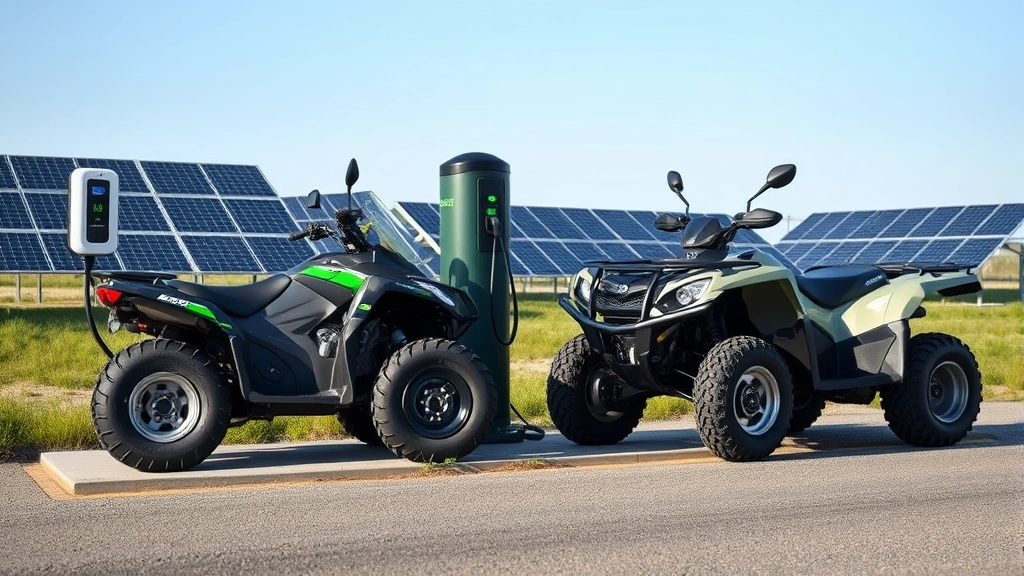
Electric Quad Bikes for Kids
The rise of electric quad bikes presents a compelling alternative to gas-powered models. Modern electric quads offer comparable performance, improved safety features, and dramatically reduced environmental impact. These vehicles align with the advantages of electric vehicles that extend across all vehicle categories, including recreational machines.
Electric quads produce zero direct emissions, eliminating air pollution and greenhouse gas concerns. They operate nearly silently, addressing noise pollution entirely. Battery technology has advanced sufficiently that electric quads now offer runtime comparable to gas models, with charging times under four hours for most residential options. Many models feature variable speed settings, making them appropriate for children of different ages and skill levels.
The environmental benefits extend throughout the product lifecycle. Manufacturing electric quads increasingly involves renewable energy sources, particularly in regions with strong sustainability commitments. Battery recycling programs continue improving, ensuring responsible end-of-life handling. When powered by renewable electricity, electric quads represent genuinely sustainable recreation.
Cost represents the primary barrier to electric quad adoption. Quality electric models typically cost 30-50% more than comparable gas quads. However, this price differential narrows when considering fuel savings, reduced maintenance expenses, and longer component lifespan. Over a vehicle’s useful life, electric quads often prove more economical, while simultaneously protecting environmental health.
Several manufacturers now offer green technology innovations in the recreational vehicle space. These companies invest in improved battery chemistry, faster charging systems, and enhanced performance characteristics. Supporting these manufacturers sends market signals encouraging continued innovation and investment in sustainable recreation.
Safety and Sustainability Considerations
The intersection of safety and sustainability creates important decision-making frameworks for parents. While safety features exist on both gas and electric quads, the environmental context adds another evaluation dimension. A vehicle that protects your child’s body but harms their future environment presents an incomplete safety profile.
Electric quads generally offer superior safety characteristics compared to gas models. Lower center of gravity, reduced vibration, and more predictable power delivery create more stable riding experiences. The absence of engine heat eliminates burn risks from hot exhaust systems. Quieter operation allows parents to hear their children and communicate more effectively during rides.
Gas quads present both immediate and long-term safety concerns. Hot exhaust pipes cause severe burns to young riders and bystanders. Uncontrolled acceleration from less-refined throttle systems creates handling challenges for inexperienced operators. The noise they generate masks warning sounds and impairs communication. Additionally, exposure to their emissions contributes to health problems that manifest throughout children’s lives.
Responsible parents increasingly recognize that true child safety encompasses environmental stewardship. Teaching children to make sustainable choices early establishes lifelong patterns supporting planetary health. Choosing electric quads demonstrates commitment to their long-term wellbeing, which extends far beyond physical safety to include the habitability of the world they’ll inherit.
Protective gear remains essential regardless of quad type. Helmets, goggles, gloves, and appropriate clothing protect against accidents and injury. However, sustainable gear choices amplify environmental benefits. Many manufacturers now produce protective equipment from recycled materials or sustainable fabrics, allowing parents to reinforce sustainability values through every aspect of their children’s recreation.
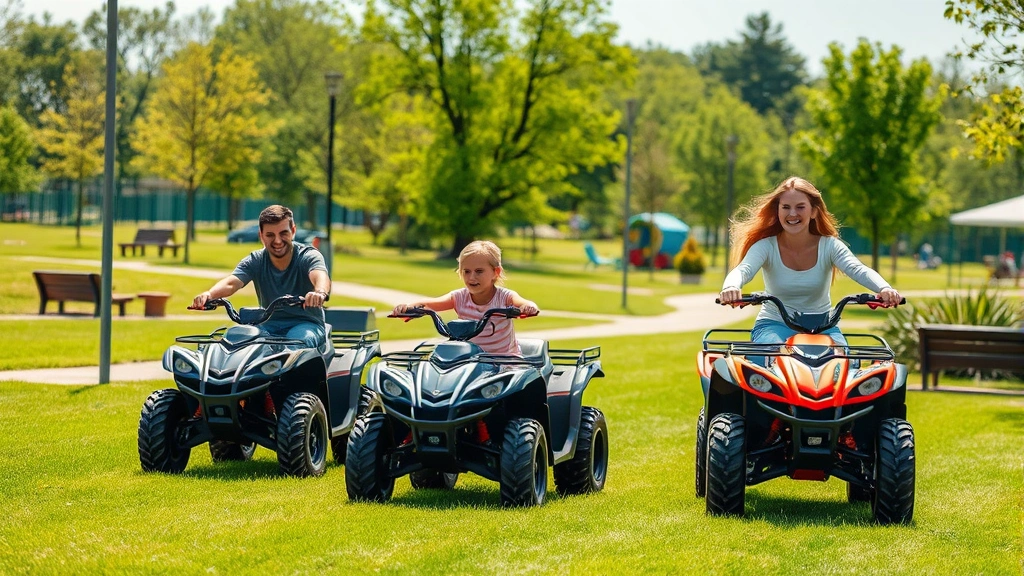
Responsible Usage Practices
Should families choose to use gas quads, certain practices minimize environmental harm. Understanding how to reduce your environmental footprint applies to recreational vehicle use as well. Implementing responsible usage protocols reflects environmental values and teaches children ecological consciousness.
Limiting usage to designated areas protects sensitive ecosystems from damage. Off-road riding in fragile environments causes soil erosion, vegetation destruction, and habitat disruption that persists for years. Designated quad parks and private property with appropriate surfaces concentrate impact in areas already disturbed, rather than spreading damage across natural landscapes.
Regular maintenance reduces emissions and prevents environmental contamination. Well-maintained engines run more efficiently, producing fewer pollutants. Proper oil changes, air filter replacement, and spark plug maintenance optimize performance while minimizing environmental impact. Teaching children basic maintenance instills responsibility and environmental awareness.
Fuel quality matters significantly. Using ethanol-blended fuels reduces some emissions, though they don’t address the fundamental unsustainability of fossil fuel consumption. Storing fuel properly prevents spills and evaporation. Disposing of used oil through proper channels prevents groundwater contamination.
Limiting operating hours respects neighbors and protects wildlife. Many communities establish quiet hours or restricted operation times. Adhering to these regulations demonstrates environmental citizenship and acknowledges that personal recreation shouldn’t impose costs on others or ecosystems. Teaching children these boundaries develops ecological empathy alongside recreational enjoyment.
Exploring sustainable energy solutions encourages families to transition away from gas-powered recreation. Combining limited gas quad use with increasing electric vehicle exposure shows children the trajectory of technological progress and environmental responsibility. This balanced approach acknowledges current realities while building toward sustainable futures.
FAQ
Are gas quads legal for children?
Legality varies significantly by jurisdiction. Most regions require riders to be specific minimum ages (typically 10-16 years) and mandate helmet use. Some areas restrict quad operation to designated facilities or private property. Check local regulations before purchasing, as legal requirements often reflect environmental and safety concerns.
How do electric quads compare in performance to gas quads?
Modern electric quads match or exceed gas quad performance in acceleration and top speed. Battery technology has advanced such that most electric models offer 2-4 hours of continuous runtime. Charging takes 3-4 hours on standard household current, making them practical for regular use. Performance differences are negligible for recreational riding.
What’s the environmental cost of manufacturing electric quad batteries?
Battery manufacturing does create environmental impact through mining and processing, primarily lithium, cobalt, and nickel extraction. However, this one-time manufacturing impact is offset within the first year of electric quad operation, after which environmental benefits accumulate. Battery recycling programs continue improving, with many manufacturers establishing take-back programs.
Can gas quads be made more environmentally friendly?
Modifications like aftermarket mufflers and air filters can reduce emissions slightly. However, these improvements remain marginal compared to switching to electric models. The fundamental challenge—fossil fuel combustion—cannot be overcome through modifications. True environmental improvement requires transitioning to alternative power sources.
What age is appropriate for children to operate quads?
Manufacturers typically recommend minimum ages of 10-12 years for riding independently, with younger children operating under adult supervision. Maturity, physical coordination, and judgment develop gradually. Regardless of age, comprehensive safety training should precede any quad operation. Electric quads’ superior handling characteristics make them appropriate for slightly younger riders than gas models.
How should parents dispose of old gas quads responsibly?
Recycling centers accepting metal and small engines can process old quads responsibly. Some manufacturers offer trade-in programs, particularly when upgrading to electric models. Donating functional quads to organizations that refurbish and resell them extends product lifespan. Avoid simply abandoning quads, which creates environmental hazards and wastes recoverable materials.
Are there community programs for sustainable children’s recreation?
Many communities now offer electric quad rental programs, allowing families to experience the technology before committing financially. Some environmental organizations facilitate group rides promoting responsible recreation. Checking with local parks departments, environmental nonprofits, and recreation centers reveals available sustainable options.
The evidence clearly indicates that gas-powered quads present significant environmental challenges unsuitable for families committed to sustainability. While these machines offer undeniable fun and engagement for children, the ecological costs—emissions, noise, habitat disruption, and resource consumption—conflict with environmental responsibility. Electric alternatives now provide comparable recreational value without these drawbacks, making them the preferable choice for eco-conscious families. As parents navigate the complex landscape of children’s recreation, choosing electric quads demonstrates commitment to their wellbeing while modeling the sustainable choices their generation must embrace. Visit our SustainWise Hub Blog for more insights on sustainable family practices and environmental decision-making.


