Clark Gas: Is It Sustainable? Expert Insights
Clark Gas has emerged as a topic of increasing interest among consumers and environmental advocates seeking cleaner energy alternatives. As the global energy landscape shifts toward sustainability, understanding whether Clark Gas represents a viable sustainable energy solution becomes crucial for informed decision-making. This comprehensive analysis examines the environmental impact, production methods, and long-term viability of Clark Gas through an expert lens.
The conversation around Clark Gas intersects with broader discussions about reducing environmental footprint and transitioning away from traditional fossil fuels. Whether you’re an industry professional, environmental enthusiast, or simply curious about energy options, this guide provides evidence-based insights into Clark Gas’s sustainability credentials and practical implications for consumers and businesses alike.
What Is Clark Gas and How Is It Produced
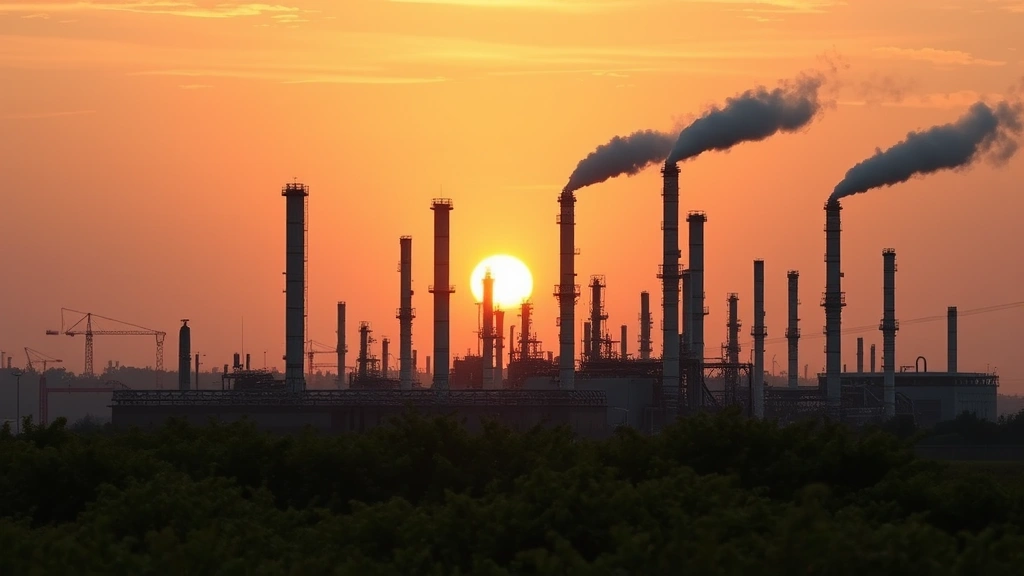
Clark Gas refers to a processed fuel product derived from various hydrocarbon sources. Understanding its production methodology is essential for evaluating its sustainability profile. The production process involves extraction, refinement, and processing stages that significantly influence the final product’s environmental impact. Traditional Clark Gas production relies on conventional extraction techniques that have been optimized over decades but continue to raise sustainability concerns.
The primary production method involves sourcing raw materials from geological reserves and subjecting them to intensive refining processes. These procedures require substantial energy inputs and generate byproducts that must be managed responsibly. Modern facilities have implemented efficiency improvements, yet the fundamental extraction and processing stages remain energy-intensive. According to EPA guidelines on fuel production, understanding production methodologies is critical for assessing overall environmental impact.
Recent innovations have introduced alternative production pathways, including biomass-based approaches and synthetic production methods. These emerging techniques aim to reduce reliance on traditional reserves and lower the overall carbon footprint of Clark Gas production. Some facilities now incorporate carbon capture technologies during processing, though widespread adoption remains limited due to cost considerations and technological maturity.

Environmental Impact Assessment of Clark Gas
A comprehensive environmental impact assessment reveals multiple dimensions affecting Clark Gas’s sustainability credentials. Beyond direct emissions during combustion, the lifecycle analysis includes extraction impacts, transportation emissions, refining processes, and end-of-life considerations. Each stage presents environmental challenges that collectively determine whether Clark Gas qualifies as a sustainable energy option.
Extraction operations can disturb ecosystems, affect water resources, and generate significant waste streams. The drilling and mining processes associated with obtaining raw materials for Clark Gas production often impact sensitive environments. Water contamination risks, habitat disruption, and cumulative land use effects represent serious environmental concerns documented by researchers and regulatory agencies. Mitigation strategies exist but require investment and strict enforcement to be effective.
Transportation of Clark Gas from production facilities to distribution centers and end-users generates additional emissions. Pipeline infrastructure, tanker transport, and storage facilities all contribute to the overall environmental footprint. Leakage during transport, though typically small percentages, represents lost product and direct atmospheric releases of potent greenhouse gases in some cases. Optimizing logistics and upgrading aging infrastructure could reduce these impacts significantly.
The refining stage consumes considerable energy, primarily from fossil fuel sources in many regions. Refineries emit volatile organic compounds, sulfur dioxide, and particulate matter affecting air quality in surrounding communities. Green technology innovations are beginning to transform refining processes, with some facilities adopting renewable energy sources and advanced pollution control systems to minimize environmental burden.
Comparison With Traditional Fossil Fuels
When evaluated against conventional fossil fuels like coal and crude oil, Clark Gas presents a more nuanced sustainability profile. In terms of carbon intensity per unit of energy produced, Clark Gas typically performs better than coal but may not significantly outperform other refined petroleum products. This comparative advantage depends heavily on production methods, transportation distances, and the specific application context.
Energy density represents one area where Clark Gas compares favorably to certain alternatives. The amount of usable energy extracted per unit of fuel burned often exceeds that of lower-grade fuels, potentially reducing overall consumption volumes needed to meet energy demands. However, this efficiency advantage diminishes when considering the energy requirements for production and distribution infrastructure.
Emissions profiles differ substantially between fuel types. Coal produces higher sulfur and particulate emissions alongside carbon dioxide, while Clark Gas combustion generates primarily carbon dioxide and water vapor with minimal particulate matter in modern engines. This distinction matters for local air quality and public health, even if global warming potential remains a concern. The International Energy Agency provides detailed comparative analyses of various fuel types and their environmental characteristics.
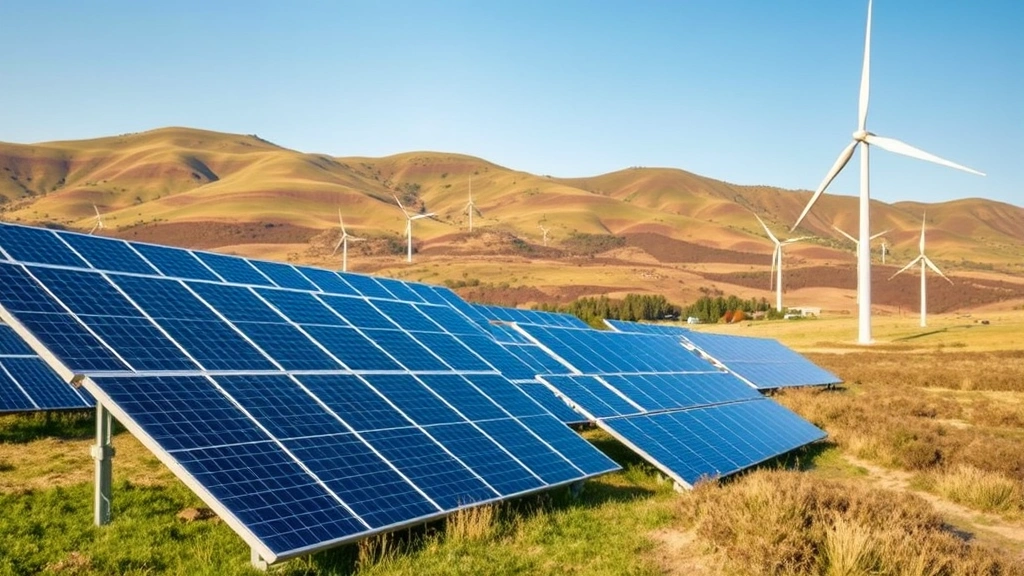
Renewable energy sources like solar and wind eliminate direct combustion emissions entirely, positioning them as superior alternatives from a climate perspective. However, Clark Gas may serve bridging roles in energy transitions, particularly for applications where renewable solutions remain technically or economically challenging. Understanding these comparative contexts helps inform realistic sustainability assessments.
Carbon Emissions and Climate Implications
The climate impact of Clark Gas centers on its carbon dioxide emissions during combustion, a process that releases carbon previously sequestered underground for millions of years. Each unit of Clark Gas burned contributes to atmospheric CO2 accumulation, driving climate change and associated environmental disruptions. Quantifying these emissions requires lifecycle analysis accounting for production, transportation, and use phases.
Lifecycle carbon accounting reveals that Clark Gas emissions extend beyond direct combustion. Extraction operations consume energy, refining requires heat and electricity, and transportation introduces additional emissions. Total lifecycle emissions typically range from 10-15% higher than direct combustion figures, depending on production efficiency and transportation methods. This fuller accounting is essential for honest climate impact assessment.
Methane leakage during production and distribution represents an often-underestimated climate concern. Methane possesses dramatically higher global warming potential than carbon dioxide over 20-year periods, making even small leakage percentages climatically significant. Industry estimates suggest leakage rates between 1-3%, though independent research occasionally documents higher figures in certain operations. Reducing methane emissions through improved equipment and monitoring represents a critical near-term climate mitigation opportunity.
Climate scientists emphasize that transitioning away from Clark Gas and similar fossil fuels remains essential for meeting global climate targets. While Clark Gas may emit less per unit than some alternatives, it remains fundamentally incompatible with deep decarbonization pathways required to limit warming to 1.5-2°C above pre-industrial levels. This reality shapes long-term sustainability assessments and policy frameworks worldwide.
Current Market Applications and Use Cases
Clark Gas finds application across diverse sectors, from industrial heating to power generation and transportation fuel. Understanding these applications helps contextualize sustainability discussions and identify where alternatives might be most feasible. Different use cases present varying sustainability challenges and opportunities for improvement or transition.
Industrial applications represent the largest current market for Clark Gas, with manufacturing facilities, chemical plants, and refineries relying heavily on this fuel source. Process heating, steam generation, and power production consume substantial quantities. In these applications, transitioning to renewable electricity or biomass-based alternatives remains technically possible but often requires significant infrastructure investment and operational modifications.
Transportation represents another significant application sector, though the advantages of electric vehicles are prompting rapid fuel transitions in this space. Heavy-duty vehicles, aircraft, and maritime vessels currently depend on Clark Gas or related fuels, though electrification and alternative fuel development are accelerating. These transportation applications present particular sustainability challenges due to energy density requirements and infrastructure constraints.
Power generation facilities utilizing Clark Gas compete increasingly with renewable energy sources and natural gas alternatives. The comparative economics favor renewables in many regions, particularly where solar and wind resources are abundant. However, existing infrastructure and grid reliability considerations still drive continued Clark Gas utilization in some markets. Policy interventions and carbon pricing mechanisms influence these competitive dynamics significantly.
Emerging applications include chemical feedstock production, where Clark Gas serves as raw material for plastics, fertilizers, and pharmaceuticals. This non-combustion application raises distinct sustainability questions around material cycling and product lifecycle. Developing bio-based alternatives for chemical feedstock represents an important sustainability frontier with significant potential impact.
Regulatory Framework and Sustainability Standards
Government regulations and international sustainability standards increasingly shape Clark Gas production, distribution, and use. These frameworks attempt to internalize environmental costs and drive industry toward cleaner practices. Understanding regulatory landscapes helps assess whether current Clark Gas operations meet genuine sustainability criteria or merely comply with minimum legal requirements.
Emissions standards govern air pollutants released during refining and combustion, with regulations varying significantly across jurisdictions. The EPA air quality standards in the United States establish limits for particulate matter, sulfur dioxide, nitrogen oxides, and other pollutants. European Union regulations often impose stricter requirements, driving different production practices and fuel formulations across markets.
Carbon pricing mechanisms, including cap-and-trade systems and carbon taxes, increasingly influence Clark Gas economics. These policies assign financial costs to emissions, making renewable alternatives more competitive. The effectiveness of carbon pricing depends on price levels, coverage breadth, and political durability. Well-designed carbon pricing can drive substantial emissions reductions, though implementation remains inconsistent globally.
Sustainability certification systems attempt to verify environmental claims and guide consumer choices. Systems like Global Standards certification provide third-party verification of sustainability practices. However, certification schemes vary in rigor and comprehensiveness, and consumers should critically evaluate claims rather than accepting certifications at face value. The definition of sustainability itself remains contested, influencing how standards are developed and applied.
International agreements like the Paris Climate Accord establish collective targets driving national policies that affect Clark Gas usage patterns. These frameworks create long-term pressure toward decarbonization, though implementation mechanisms and enforcement remain incomplete. Understanding these regulatory trajectories helps contextualize Clark Gas’s future role in energy systems.
Future Prospects and Innovation Potential
The future trajectory of Clark Gas depends substantially on technological innovations and policy decisions shaping energy transitions. Several pathways might enhance sustainability, though fundamental limitations persist regarding combustion-based fuels and their climate implications. Examining these prospects helps inform realistic long-term assessments.
Carbon capture and storage (CCS) technologies represent one innovation pathway potentially reducing Clark Gas climate impacts. By capturing CO2 during production or at point-of-use and storing it geologically, CCS could substantially lower net emissions. However, current CCS deployment remains limited due to high costs, technical challenges, and uncertain long-term storage permanence. Scaling CCS to meaningfully impact Clark Gas emissions would require major policy support and technological breakthroughs.
Alternative production pathways, including synthetic fuel production from renewable electricity and atmospheric CO2, offer theoretical pathways to sustainable Clark Gas substitutes. These approaches, sometimes called e-fuels or synthetic fuels, could theoretically achieve carbon neutrality if powered entirely by renewable energy. However, current production costs remain uncompetitive, and scaling challenges are substantial. Long-term development could make these alternatives viable, but timelines remain uncertain.
Hybrid energy systems combining Clark Gas with renewable sources represent near-term optimization strategies. Facilities might use renewable electricity for process heat and power, reserving Clark Gas for applications where electrification proves difficult. This transitional approach could reduce emissions while maintaining operational continuity, though it doesn’t address fundamental sustainability limitations.
Policy innovation, including strengthened emissions regulations, expanded carbon pricing, and renewable energy mandates, will likely prove as important as technological development. Regulatory frameworks that reward sustainability and penalize pollution drive market transitions more effectively than voluntary measures. Monitoring regulatory developments across jurisdictions provides insight into Clark Gas’s likely future role in energy systems.
Making Sustainable Choices in Energy
For consumers and businesses evaluating energy options, several principles guide sustainable decision-making regarding Clark Gas and alternatives. Comprehensive assessment requires considering lifecycle impacts, local context, available alternatives, and long-term sustainability goals. Making informed choices supports broader energy transitions and environmental protection.
Conducting lifecycle assessments of specific applications provides more accurate sustainability information than generic fuel comparisons. The same fuel might represent a reasonable choice in one context while being clearly suboptimal in another. Professional lifecycle analysis tools and databases can quantify impacts across production, distribution, and use phases, supporting evidence-based decision-making.
Evaluating available alternatives represents an essential step before committing to Clark Gas utilization. Renewable electricity, biomass, heat pumps, and other options might offer superior sustainability profiles for specific applications. Cost considerations matter, but should be evaluated against full environmental and social costs rather than narrow price comparisons. Many sustainability transitions ultimately prove economically advantageous despite higher upfront costs.
Engaging with sustainability resources and expert analysis helps contextualize personal and organizational energy choices. Understanding broader trends, policy directions, and technological development trajectories supports decisions aligned with long-term sustainability. Communities and organizations increasingly benefit from comprehensive energy audits and sustainability planning processes.
Supporting policy initiatives that accelerate energy transitions contributes to systemic change beyond individual choices. Advocacy for strengthened emissions regulations, renewable energy investment, and carbon pricing creates conditions enabling broader sustainability transitions. Individual actions matter, but systemic transformation requires supportive policy frameworks and collective commitment.
Frequently Asked Questions
Is Clark Gas considered a renewable energy source?
No, Clark Gas is not renewable in any meaningful sense. It derives from finite geological reserves accumulated over millions of years. While extraction could theoretically continue for decades, Clark Gas remains fundamentally a non-renewable resource with inherent sustainability limitations. Renewable alternatives like solar, wind, and geothermal energy offer genuinely sustainable pathways, though each presents distinct technical and economic considerations for specific applications.
How does Clark Gas compare to natural gas in terms of sustainability?
Clark Gas and natural gas present similar sustainability challenges, though with some important distinctions. Natural gas typically produces fewer emissions per unit of energy than Clark Gas due to higher hydrogen content and lower carbon density. However, both fuels generate significant CO2 during combustion and both involve methane leakage risks during production and distribution. Neither represents a long-term sustainable energy solution, though natural gas often serves as a transitional fuel in decarbonization pathways.
Can Clark Gas be produced sustainably using current technology?
Current technology can reduce Clark Gas environmental impacts through efficiency improvements, pollution controls, and carbon capture, but cannot make it truly sustainable in comprehensive lifecycle terms. The fundamental challenge of combusting carbon-based fuels and releasing CO2 remains inherent to the product. Emerging technologies might improve this situation, but current capabilities cannot eliminate the core sustainability limitations.
What percentage of global energy comes from Clark Gas?
Clark Gas and related refined petroleum products account for approximately 30-35% of global energy consumption, though percentages vary by region and sector. Transportation, industrial heating, and power generation depend heavily on these fuels. However, this share is declining gradually as renewable energy deployment accelerates and electrification advances in many sectors.
Are there certified sustainable Clark Gas products available?
Some producers have obtained sustainability certifications for Clark Gas products, though certification rigor varies substantially. Certifications typically address production practices, emissions controls, and supply chain transparency rather than fundamentally changing the fuel’s combustion emissions. Consumers should evaluate certifications critically, understanding that they represent partial improvements rather than genuine sustainability solutions.
How can businesses transition away from Clark Gas dependence?
Transition strategies depend on specific applications and contexts, but generally involve systematic evaluation of alternatives, phased implementation of renewable energy sources, efficiency improvements, and technology adoption. Energy audits identify opportunities, while comprehensive sustainability planning guides long-term transitions. Engaging with sustainability consultants and leveraging available incentive programs can reduce transition costs and accelerate timelines.


