Compressed Gas & Sustainability? Industry Insights from the Compressed Gas Association
The compressed gas industry plays a critical yet often overlooked role in modern sustainability efforts. From industrial manufacturing to medical applications and renewable energy infrastructure, compressed gases power essential processes across virtually every sector of the global economy. However, the production, storage, and distribution of compressed gases carry significant environmental implications that demand careful examination and continuous improvement.
Understanding how the Compressed Gas Association and its member companies are addressing sustainability challenges reveals a complex industry actively evolving to meet contemporary environmental standards. This comprehensive exploration examines the intersection of compressed gas technology and ecological responsibility, highlighting both current practices and future innovations shaping a more sustainable industrial landscape.
Understanding Compressed Gases and Their Environmental Impact
Compressed gases encompass a broad category of substances—including oxygen, nitrogen, hydrogen, carbon dioxide, and various specialty gases—that are pressurized and stored in cylinders, tanks, and pipeline systems. These materials serve as fundamental inputs for countless industrial processes, making them indispensable to modern manufacturing, healthcare, food production, and energy sectors.
The environmental footprint of compressed gases stems from multiple sources: the energy required for compression and liquefaction processes, fugitive emissions during storage and transport, potential leakage from equipment, and the manufacturing energy embedded in cylinder and tank production. Understanding these impact vectors is essential for industries seeking to implement meaningful strategies to reduce environmental footprint across their operations.
Greenhouse gas emissions from compressed gas operations primarily result from energy consumption during production. Nitrogen, the most commonly compressed gas, requires substantial electricity input for cryogenic separation from ambient air. Similarly, hydrogen production—increasingly important for clean energy transitions—demands significant energy, though renewable-powered electrolysis represents a promising sustainability pathway. The Environmental Protection Agency has established guidelines addressing fugitive emissions and leak detection programs that compressed gas suppliers must implement across their distribution networks.
Beyond production, transportation logistics contribute to compressed gas sustainability considerations. Compressed gas cylinders and bulk containers require specialized vehicles meeting rigorous safety standards, which inherently increases transportation energy requirements compared to liquid or solid commodities. However, optimized logistics networks, vehicle efficiency improvements, and strategic distribution hub placement can meaningfully reduce these transportation-related emissions.
The lifecycle assessment of compressed gas products reveals that most environmental impacts concentrate in the production and compression phases. Recycling and reusing cylinders—a practice strongly encouraged by industry standards—significantly extends product lifecycles and reduces manufacturing waste. Modern cylinder management systems track reusable containers throughout their operational lives, minimizing disposal waste and conserving material resources.
The Compressed Gas Association’s Sustainability Framework
The Compressed Gas Association, established in 1913, represents manufacturers and distributors of compressed gases across North America. As a leading industry organization, the CGA has developed comprehensive standards and guidelines addressing safety, quality, and increasingly, environmental responsibility. Their sustainability initiatives reflect growing industry recognition that environmental stewardship directly supports long-term business viability.
The CGA’s technical committees work continuously to refine safety standards that simultaneously protect environmental interests. Their published standards cover cylinder design, inspection protocols, and operational procedures that minimize leakage risks and fugitive emissions. By establishing rigorous testing and certification requirements, the association ensures that compressed gas equipment meets exacting environmental performance benchmarks.
One significant CGA initiative involves promoting efficient gas handling practices throughout supply chains. Member companies receive technical guidance on leak detection methodologies, maintenance protocols, and equipment upgrades that reduce emissions. These recommendations align with EPA greenhouse gas reporting requirements and help companies achieve compliance while identifying cost-saving opportunities through improved efficiency.
The association also advocates for research into alternative compression technologies and lower-emission gas sources. By supporting innovation in renewable hydrogen production, improved compressor efficiency, and advanced materials for cylinder manufacturing, the CGA positions the industry to meet evolving environmental expectations. Their collaborative approach brings together equipment manufacturers, gas suppliers, end-users, and environmental experts to develop practical sustainability solutions.
Educational programs offered through the CGA emphasize environmental best practices, training technicians and operators on proper handling procedures that minimize emissions. These professional development initiatives ensure that frontline workers understand the environmental implications of their roles and possess the knowledge to implement sustainable practices daily.

Industrial Applications and Eco-Conscious Practices
Compressed gases serve diverse industrial applications, each presenting distinct sustainability considerations and opportunities for environmental improvement. Manufacturing sectors utilizing compressed gases—including semiconductor production, metal fabrication, chemical processing, and food packaging—increasingly demand cleaner, more efficient gas supply solutions from their suppliers.
In semiconductor manufacturing, ultra-high-purity compressed gases enable production of microelectronic components essential to modern computing and renewable energy technologies. While these applications require significant gas volumes, progressive manufacturers implement closed-loop systems and recovery technologies that capture unused gases for recycling. This approach dramatically reduces both gas consumption and associated emissions while improving operational economics.
Metal fabrication and welding industries consume substantial compressed gas volumes, primarily argon, nitrogen, and oxygen. Forward-thinking welding equipment manufacturers have developed more efficient delivery systems that reduce gas waste during operations. Implementing sustainable energy solutions throughout manufacturing facilities—including renewable electricity powering compression equipment—further diminishes the carbon intensity of these essential industrial processes.
Food and beverage production relies heavily on compressed gases for packaging, preservation, and processing applications. Carbon dioxide and nitrogen play crucial roles in extending product shelf life and maintaining food safety. Modern food processors implement precision gas delivery systems that minimize waste while maintaining product quality. Some innovative companies have adopted on-site gas generation technologies, reducing transportation impacts and improving supply chain resilience.
The pharmaceutical and medical device sectors utilize compressed gases—particularly medical-grade oxygen and specialized gas mixtures—with exceptional purity requirements. These industries increasingly partner with gas suppliers committed to environmental stewardship, driving demand for cleaner production methods and sustainable logistics practices. Many healthcare facilities now implement gas recycling programs and work with suppliers offering carbon-neutral delivery options.
Environmental remediation and water treatment applications increasingly employ compressed gases for aeration and oxidation processes. Oxygen and air injection technologies treat contaminated groundwater and industrial wastewater, preventing environmental damage while recovering valuable resources. These applications demonstrate how compressed gas technology contributes directly to environmental protection and restoration efforts.
Renewable Energy and Compressed Gas Technology
Compressed gas technology plays an increasingly vital role in renewable energy infrastructure and the broader energy transition. Compressed air energy storage systems represent a promising technology for addressing intermittency challenges associated with solar and wind power generation. By compressing air during periods of abundant renewable electricity and releasing it through turbines during peak demand, these systems enable more efficient renewable energy utilization.
Hydrogen, produced through renewable electrolysis powered by wind and solar installations, represents a transformative compressed gas application for decarbonizing heavy industry and transportation. The compressed hydrogen gas sector is experiencing rapid growth as companies pursue hydrogen fuel cell vehicle deployment and industrial heat applications. Supporting this transition, compressed gas industry leaders are investing in hydrogen production infrastructure, storage solutions, and distribution networks.
Biogas from agricultural and waste management sources, when compressed and refined, provides renewable natural gas for heating, electricity generation, and transportation fuel. Compressed biogas offers an immediately deployable renewable energy alternative requiring minimal infrastructure modification compared to entirely new energy systems. Progressive agricultural operations and waste management facilities increasingly capture biogas, compress it, and sell it into existing natural gas infrastructure, creating valuable revenue streams while reducing methane emissions from organic waste decomposition.
Carbon capture and utilization technologies rely on compressed carbon dioxide for storage, transport, and industrial applications. Rather than viewing CO₂ solely as waste to be sequestered, innovative companies compress captured carbon dioxide for use in enhanced oil recovery, building materials production, beverage carbonation, and chemical synthesis. This circular approach transforms a greenhouse gas into a valuable industrial input, improving the economics of carbon capture while reducing reliance on fossil-derived CO₂.
The integration of compressed gas technologies with renewable energy systems demonstrates the sector’s evolution toward sustainability. Industry partnerships between renewable energy developers, compressed gas suppliers, and equipment manufacturers accelerate innovation in energy storage, hydrogen infrastructure, and carbon utilization—essential components of achieving global climate goals.
Safety Standards and Environmental Protection
Rigorous safety standards developed and maintained by the Compressed Gas Association directly support environmental protection objectives. Proper cylinder design, regular inspection protocols, and maintenance procedures prevent dangerous leaks that would otherwise release gases into the atmosphere, creating both safety hazards and environmental damage.
Fugitive emissions—unintended gas releases from equipment—represent a significant environmental concern in compressed gas operations. The CGA’s technical standards establish design specifications that minimize leak pathways, require regular pressure testing to identify deteriorating equipment, and mandate prompt repair or retirement of compromised containers. These preventive measures substantially reduce atmospheric emissions across the industry.
Transportation safety standards ensure that compressed gas containers remain secure during shipment, preventing accidents that could result in environmental contamination. Specialized vehicle design, driver training requirements, and route planning protocols minimize risks associated with transporting pressurized gases. By preventing transportation incidents, these safety measures simultaneously protect environmental assets and public health.
Hazardous materials handling procedures established by the CGA ensure proper containment and emergency response protocols for compressed gases. In the event of accidental releases, trained personnel equipped with appropriate equipment can respond rapidly, minimizing environmental impact. Regular training and certification programs ensure that technicians and emergency responders maintain current knowledge of proper handling procedures.
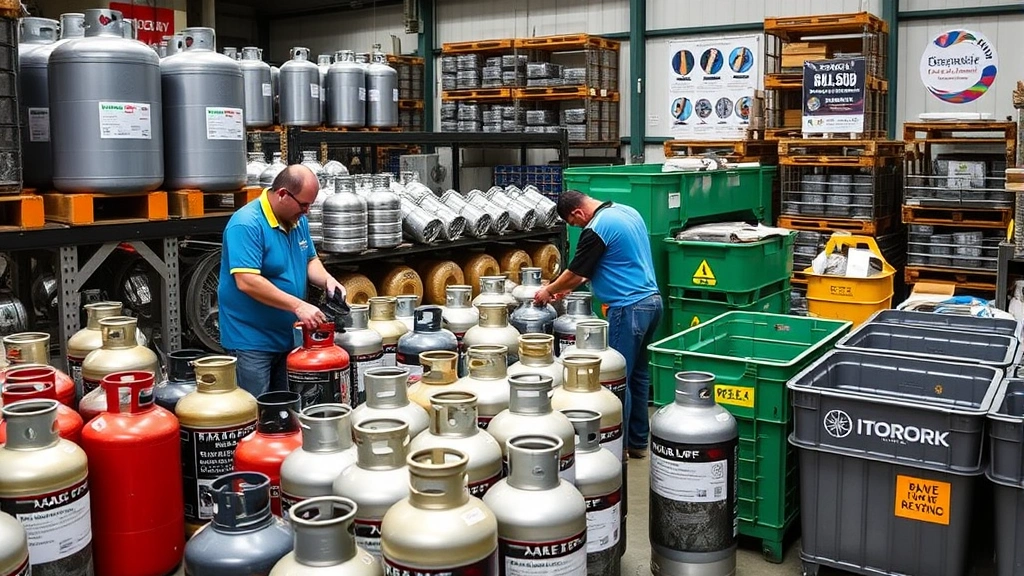
The connection between safety and sustainability extends to cylinder recycling and end-of-life management. CGA standards establish protocols ensuring that expired or damaged cylinders are safely decommissioned rather than abandoned, preventing environmental contamination from residual gases or deteriorating metal containers. Proper recycling practices recover valuable steel and aluminum materials while preventing environmental hazards.
Future Innovations in Sustainable Compressed Gas Solutions
The compressed gas industry is actively pursuing technological innovations that promise substantial environmental improvements across production, storage, distribution, and utilization phases. Advanced compressor designs incorporating variable-frequency drives and optimized aerodynamics reduce energy consumption by 15-30% compared to conventional equipment, representing significant emissions reductions when deployed across industrial sectors.
Materials science innovations are yielding lighter, stronger cylinder materials that reduce manufacturing energy requirements while improving safety performance. Carbon-fiber reinforced composite cylinders demonstrate promise for applications where weight reduction improves transportation efficiency. Simultaneously, researchers are developing advanced surface coatings that extend cylinder lifecycles and reduce manufacturing waste through improved durability.
Digital monitoring technologies integrated into compressed gas systems enable real-time leak detection, pressure optimization, and predictive maintenance. Internet-connected sensors alert operators to developing problems before they result in significant gas losses, reducing both environmental impact and operational costs. These smart systems represent a convergence of green technology innovations transforming industry toward greater efficiency and sustainability.
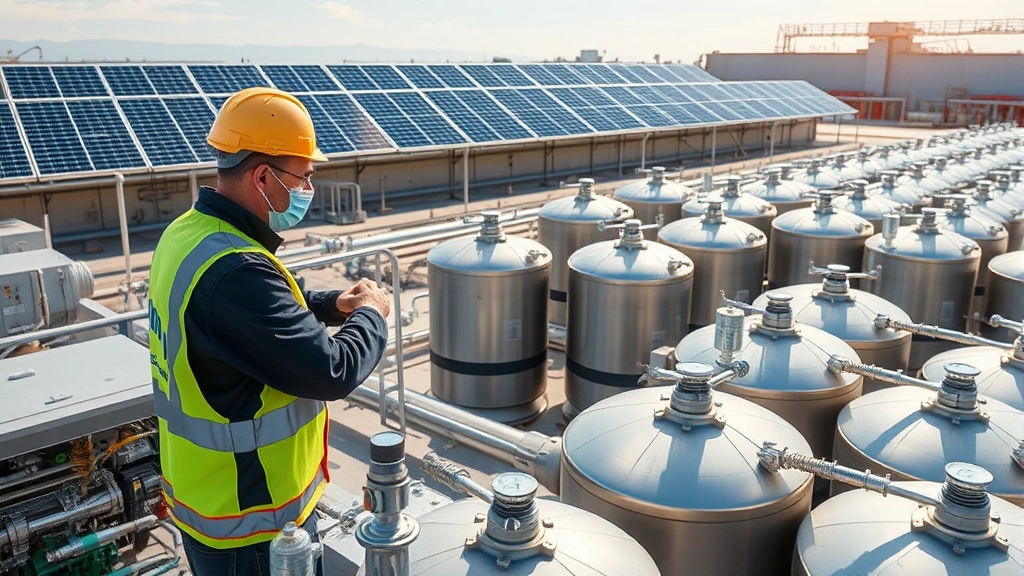
Renewable-powered compression facilities represent another innovation frontier. Gas suppliers are increasingly investing in solar and wind-powered compression stations that dramatically reduce the carbon footprint of gas production. Combined with renewable hydrogen generation and biogas production, these facilities create genuinely low-carbon gas supply chains supporting the energy transition.
On-site gas generation technologies enable large industrial users to produce needed gases locally, eliminating transportation impacts and improving supply chain resilience. Oxygen generators powered by renewable electricity, nitrogen generators using advanced membrane technology, and hydrogen electrolyzers all represent practical alternatives to traditional centralized production and distribution models.
The industry is also exploring alternative gases with lower environmental impact for applications currently utilizing conventional compressed gases. Environmentally safer alternatives to certain specialty gases are under development, potentially reducing impacts from gases with high global warming potential currently used in specific industrial applications.
How Businesses Can Adopt Greener Compressed Gas Practices
Organizations seeking to reduce their compressed gas environmental footprint can implement practical strategies spanning procurement, operational practices, and technology adoption. Understanding the definition of sustainability in industrial contexts helps companies develop comprehensive approaches addressing environmental responsibility throughout their value chains.
Supplier Selection and Partnerships: Prioritize compressed gas suppliers demonstrating genuine sustainability commitments. Request environmental performance data, certifications, and transparency regarding production methods, transportation practices, and emissions reporting. Suppliers offering carbon-neutral delivery options, renewable-powered facilities, or gas recycling programs represent preferred partners for environmentally conscious businesses.
Efficiency Audits and Optimization: Conduct comprehensive audits of compressed gas usage across facilities, identifying waste sources and efficiency opportunities. Many organizations discover that equipment upgrades, maintenance improvements, and operational procedure refinements reduce gas consumption by 10-25% without compromising production quality. These efficiency gains simultaneously reduce costs and environmental impact.
Leak Detection Programs: Implement systematic leak detection protocols using ultrasonic equipment and thermal imaging to identify fugitive emissions. Addressing detected leaks promptly prevents ongoing gas losses that accumulate into substantial environmental impacts over time. Many facilities establish regular inspection schedules ensuring that compressed gas systems receive consistent attention.
Technology Upgrades: Invest in modern compression equipment, regulators, and delivery systems incorporating efficiency improvements and leak-prevention features. While requiring upfront capital investment, these upgrades typically generate rapid payback through reduced energy consumption and minimized gas waste. Digital monitoring systems provide additional value through predictive maintenance capabilities.
Employee Training and Culture: Develop comprehensive training programs ensuring that all personnel working with compressed gases understand environmental implications and proper handling procedures. Creating a workplace culture emphasizing environmental stewardship encourages employee engagement with sustainability initiatives and generates valuable insights for continuous improvement.
Renewable Energy Integration: Evaluate opportunities to power compression equipment with renewable electricity through on-site solar installations, wind power purchases, or green electricity programs. This transition reduces operational carbon footprint while potentially improving long-term energy cost stability.
Circular Economy Participation: Engage with compressed gas suppliers offering cylinder take-back programs, refurbishment services, and recycling initiatives. Supporting these circular economy approaches reduces manufacturing waste and conserves material resources.
For organizations pursuing broader sustainability goals, compressed gas optimization represents one component of comprehensive environmental strategies. Exploring advantages of electric vehicles for fleet operations and reviewing sustainability blog content provides complementary insights supporting holistic environmental improvement initiatives.
FAQ
What is the Compressed Gas Association’s primary focus?
The Compressed Gas Association represents manufacturers and distributors of compressed gases, developing safety standards, technical guidelines, and industry best practices. While historically focused on safety and product quality, the organization increasingly emphasizes environmental responsibility and sustainability throughout member operations.
How do compressed gases contribute to greenhouse gas emissions?
Primary emissions sources include energy consumed during compression and liquefaction processes, fugitive emissions from storage and transport equipment, and manufacturing energy embedded in cylinder production. Additionally, some specialty gases possess high global warming potential when released into the atmosphere. Energy efficiency improvements and leak prevention significantly reduce these emissions.
Can compressed gas technology support renewable energy transitions?
Absolutely. Compressed air energy storage systems store renewable electricity as pressurized air for later release through turbines. Compressed hydrogen gas represents a transformative energy carrier for decarbonizing industry and transportation. Compressed biogas provides immediately deployable renewable energy alternatives. Carbon dioxide compression enables carbon capture utilization and storage technologies essential for climate stabilization.
What are fugitive emissions and why do they matter?
Fugitive emissions refer to unintended gas releases from equipment, storage systems, and transport containers. These emissions represent wasted product, environmental pollution, and safety hazards. The CGA’s technical standards address fugitive emissions through rigorous equipment design specifications, regular inspection protocols, and maintenance requirements that substantially reduce atmospheric releases.
How can businesses reduce their compressed gas environmental footprint?
Practical strategies include selecting environmentally responsible suppliers, conducting efficiency audits identifying waste reduction opportunities, implementing systematic leak detection programs, upgrading to modern equipment incorporating efficiency improvements, training personnel on proper handling procedures, integrating renewable energy sources, and participating in circular economy initiatives supporting cylinder recycling and refurbishment.
What innovations are improving compressed gas sustainability?
Emerging technologies include advanced compressor designs reducing energy consumption, lightweight composite cylinder materials, digital monitoring systems enabling predictive maintenance, renewable-powered compression facilities, on-site gas generation technologies, and alternative gases with lower environmental impact. These innovations collectively promise substantial environmental improvements across the industry.
Is hydrogen from compressed gas production truly sustainable?
Sustainability depends on production methods. Hydrogen produced through renewable electrolysis powered by wind and solar represents genuinely clean energy. Hydrogen from natural gas reformation remains carbon-intensive without carbon capture. As renewable electricity expands globally, renewable hydrogen production becomes increasingly viable and economical, supporting hydrogen’s role in industrial decarbonization and transportation electrification.


