Gas Stove Efficiency: Expert Tips for Sustainability
Gas stoves have been a kitchen staple for decades, offering precise temperature control and immediate heat that many home cooks prefer. However, as sustainability concerns grow and energy consumption becomes increasingly important, understanding how to maximize the efficiency of your cooktop gas stove is essential for reducing both your utility bills and environmental impact. Modern gas cooking technology has evolved significantly, and with the right knowledge and practices, you can optimize your stove’s performance while maintaining your cooking quality.
The intersection of cooking convenience and environmental responsibility doesn’t have to be a compromise. By implementing expert strategies for gas stove efficiency, you can contribute meaningfully to reducing household energy consumption. This comprehensive guide explores practical tips, maintenance techniques, and sustainable cooking practices that will help you get the most from your gas cooking appliance while minimizing waste and carbon emissions.

Understanding Gas Stove Efficiency Basics
Gas stove efficiency refers to how effectively your cooktop converts natural gas energy into usable heat for cooking. Unlike electric stoves that lose significant energy through the cooking surface itself, gas stoves deliver approximately 70-75% of their energy directly to your cookware. This inherent efficiency advantage makes gas cooking an attractive option for environmentally conscious households looking to reduce energy waste.
The efficiency rating of a gas stove depends on several factors, including burner design, flame distribution, and heat retention capabilities. Modern advantages of natural gas extend beyond just cooking efficiency—they encompass the entire energy delivery system. When you understand these fundamentals, you’re better positioned to make informed decisions about your kitchen appliances and cooking habits.
Thermal efficiency in gas cooking involves how much heat reaches your cookware versus how much escapes into the kitchen environment. Premium gas stoves feature improved burner designs that concentrate flames more effectively, reducing heat loss. The grate design, burner head configuration, and overall stove construction all contribute to how efficiently your cooktop operates. Recognizing these elements helps you appreciate why certain models perform better than others.
Optimizing Burner Performance
Your cooktop gas stove’s burners are the heart of its efficiency. To maximize performance, start by understanding your stove’s burner types. Most modern gas stoves feature sealed burners that prevent spills from reaching ignition components, and these sealed designs also improve efficiency by directing heat more precisely. High-output burners suitable for searing and rapid boiling work differently than simmer burners designed for delicate sauces and low-heat cooking.
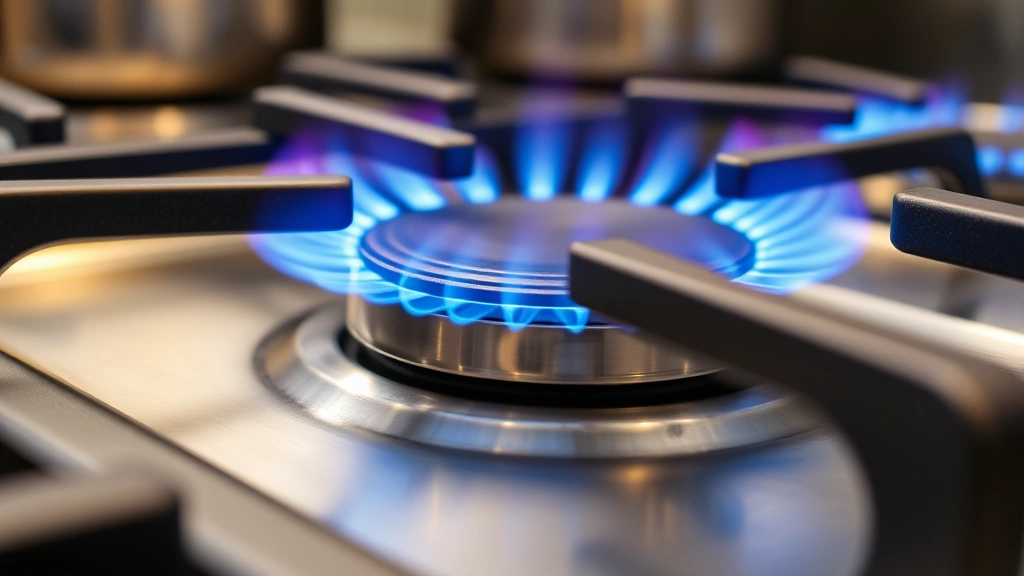
Proper flame adjustment is crucial for optimal efficiency. The ideal flame should be blue with a slight yellow tip, indicating complete combustion. If your flame is predominantly yellow or orange, combustion is incomplete, meaning fuel is being wasted. A flame that’s too high also wastes energy by heating the air above your cookware rather than the cookware itself. Take time to adjust each burner individually to achieve the perfect flame for your cooking needs.
Matching burner size to cookware is another essential optimization strategy. Using a small pot on a large burner causes significant heat loss around the cookware edges. Conversely, using oversized cookware on a small burner creates uneven heating and extended cooking times. By selecting appropriately sized cookware for each burner, you can improve energy efficiency by 10-15%. This simple practice also enhances cooking results and reduces overall cooking time.
Keeping your burner ports clean ensures optimal gas flow and complete combustion. Over time, food particles and mineral deposits can partially block burner holes, creating uneven flames and reducing efficiency. Regular cleaning with a small brush or toothpick keeps ports clear and maintains peak performance. This maintenance task takes just minutes but significantly impacts your stove’s efficiency.
Maintenance Practices for Maximum Efficiency
Regular maintenance is fundamental to preserving your gas stove’s efficiency and extending its lifespan. A well-maintained cooktop gas stove operates at peak performance, consuming less fuel while delivering consistent cooking results. Establishing a simple maintenance routine prevents efficiency degradation and catches potential problems before they become costly repairs.
Cleaning the stovetop regularly prevents grease and food buildup that can impede heat distribution. Use appropriate cleaning products that won’t damage your stove’s finish while effectively removing residue. Pay special attention to the area around burners where grease tends to accumulate. A clean stovetop not only operates more efficiently but also presents a safer cooking environment by reducing fire hazards.
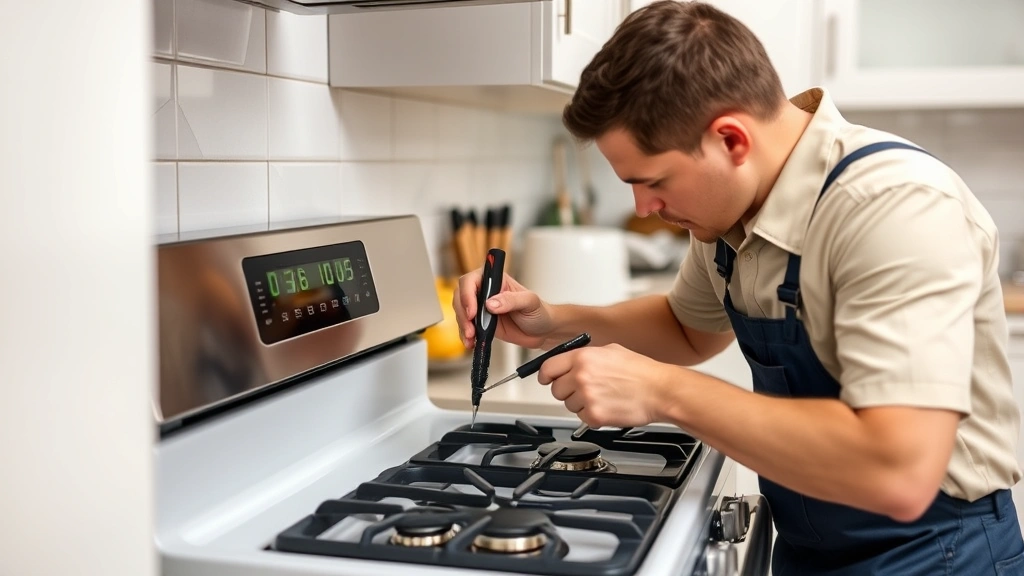
Inspecting your stove’s ignition system ensures reliable starting and prevents wasted gas from failed ignition attempts. Modern electronic ignition systems are highly efficient, but they require proper maintenance to function optimally. If you notice delayed ignition or difficulty starting burners, have a professional technician inspect the system. A faulty ignition system can waste substantial amounts of gas over time.
Checking door seals and overall stove condition prevents heat loss and gas leaks. Even small gaps or damaged seals compromise efficiency by allowing heated air to escape. Examine the oven door seal if your stove includes an oven, and ensure all connections are secure and leak-free. Reducing your environmental footprint includes maintaining appliances properly to prevent energy waste.
Professional servicing once yearly ensures your stove operates at manufacturer specifications. Technicians can calibrate burners, inspect gas lines, and identify efficiency issues you might miss. While this involves a small investment, it prevents larger problems and maintains peak efficiency, ultimately saving money through reduced energy consumption.
Cooking Techniques That Save Energy
Beyond equipment maintenance, your cooking methods directly impact how efficiently you use your cooktop gas stove. Strategic cooking techniques can reduce energy consumption by 20-30% without compromising food quality. These practices represent some of the easiest wins for household sustainability.
Using lids on pots and pans is perhaps the single most effective energy-saving technique. A covered pot heats 25% faster than an uncovered one because trapped steam and heat accelerate the cooking process. This simple practice reduces cooking time significantly, which directly translates to lower gas consumption. Glass lids allow you to monitor cooking progress without removing the lid and releasing trapped heat.
Batch cooking and meal planning reduce the frequency you use your stove, thereby lowering overall energy consumption. Preparing multiple meals simultaneously or cooking larger quantities for later use distributes the energy investment across more servings. This approach also encourages mindful food preparation and reduces food waste, creating a multiplier effect for sustainability.
Matching cookware size to burner output and using flat-bottomed pans improves heat transfer efficiency. Warped or curved pan bottoms create air gaps that reduce contact with the heat source, requiring longer cooking times and more gas consumption. Investing in quality cookware with flat, heavy bottoms pays dividends through improved cooking performance and reduced energy usage.
Preheating your stove efficiently involves turning burners to medium rather than maximum heat initially. Once your cookware reaches the desired temperature, you can reduce heat as needed. This approach prevents unnecessary energy waste from excessive heat before cooking begins. Similarly, reducing heat once food reaches a boil conserves energy while maintaining cooking progress.
Using residual heat by turning off burners a few minutes before food finishes cooking allows the stored thermal energy in cookware and the stove surface to complete the cooking process. This technique works particularly well for items requiring gentle, prolonged cooking. Planning cooking sequences to minimize burner use throughout meal preparation further reduces overall energy consumption.
Comparing Gas to Alternative Cooking Methods
Understanding how your cooktop gas stove compares to alternative cooking methods provides context for its efficiency advantages and limitations. While gas cooking offers significant benefits, recognizing where alternatives might be more efficient helps you make informed decisions about your kitchen setup and sustainable energy solutions.
Electric coil burners are less efficient than gas stoves, converting only 65-70% of energy into usable heat compared to gas’s 70-75%. Induction cooktops, however, represent a significant efficiency leap, converting 80-90% of energy into heat. Induction technology directly heats compatible cookware through electromagnetic induction, minimizing heat loss to the surrounding environment. For households with access to renewable electricity sources, induction cooking presents an environmentally superior option.
Convection ovens and modern cooking appliances offer specialized efficiency advantages for specific cooking applications. Microwave ovens excel at reheating and cooking certain foods with exceptional energy efficiency. The most sustainable approach often involves maintaining diverse cooking methods and selecting the most efficient tool for each specific task.
However, gas stoves maintain advantages in cooking precision, responsiveness, and the ability to regulate heat instantly. Many professional chefs prefer gas cooking because of these performance characteristics. For households that prioritize cooking quality and have access to natural gas from renewable sources, optimizing gas stove efficiency remains an excellent sustainability strategy.
Upgrading to Energy-Efficient Models
If your current cooktop gas stove is aging or inefficient, upgrading to a modern, high-efficiency model can significantly reduce energy consumption. Contemporary gas stoves incorporate advanced burner designs, improved insulation, and smart features that enhance efficiency compared to older models. The energy savings from upgrading often offset the initial investment within a few years.
Look for gas stoves with sealed burners, which improve efficiency by preventing heat loss around cookware and reducing contamination of ignition components. Convection features in oven sections distribute heat more evenly, reducing cooking time and energy consumption. Some premium models include modulating burners that automatically adjust flame intensity based on detected cookware temperature, optimizing efficiency throughout the cooking process.
Energy Star certification, while less common for gas stoves than electric appliances, indicates models meeting strict efficiency standards. Researching manufacturer specifications and comparing BTU ratings helps identify the most efficient options. Look for stoves with electronic ignition rather than pilot lights, which consume gas continuously even when not cooking.
Considering your cooking habits helps determine which efficiency features provide the greatest benefit. If you frequently use your oven, convection features justify the investment. If stovetop cooking dominates your kitchen use, focusing on burner efficiency and heat distribution becomes more important. Matching upgrade priorities to your actual cooking patterns ensures you invest in features that deliver real-world efficiency gains.
Smart Kitchen Practices
Creating an efficient cooking environment extends beyond the stove itself. Kitchen design, ventilation systems, and overall cooking practices influence how efficiently your cooktop gas stove operates within the broader household context. Implementing smart practices multiplies the efficiency gains from your stove optimization efforts.
Proper ventilation prevents heat loss and maintains kitchen comfort without requiring excessive air conditioning to compensate for cooking heat. However, excessive ventilation can waste conditioned air. Modern range hoods with variable speed controls and sensors that activate only when needed balance these concerns. Ensuring your ventilation system operates efficiently prevents wasted energy from unnecessary exhaust.
Meal planning and grocery shopping based on seasonal, local ingredients reduces transportation emissions while supporting local food systems. This complementary sustainability practice aligns with efficient cooking by encouraging whole-food preparation rather than reliance on pre-packaged, energy-intensive processed foods. Preparing meals from scratch using your efficient gas stove represents a holistic sustainability approach.
Educating household members about efficient cooking practices ensures consistent energy-saving behaviors. Teaching children about proper burner use, lid placement, and flame adjustment creates long-term sustainability awareness. Making efficiency a household priority rather than individual responsibility increases compliance and normalizes sustainable cooking practices.
Monitoring your energy consumption through utility bills helps you track the impact of efficiency improvements. Comparing gas usage before and after implementing these strategies provides concrete feedback on your progress. Many utility companies offer energy audits that identify specific efficiency opportunities in your kitchen and throughout your home.
Considering gas versus electric water heater options and other gas appliances as part of a comprehensive home energy strategy multiplies your sustainability impact. Coordinating efficiency improvements across multiple appliances creates synergistic benefits and more substantial reductions in overall household energy consumption.
Exploring sustainable energy solutions like solar power or renewable natural gas options can further reduce the environmental impact of your gas stove. Some regions offer renewable gas programs that blend biogas or hydrogen into natural gas supplies, allowing you to maintain your preferred cooking method while reducing carbon emissions.
FAQ
What is the most efficient way to use a gas stove?
The most efficient practices include using lids on cookware, matching pot sizes to burner sizes, maintaining proper flame characteristics, and turning off burners a few minutes before food finishes cooking. These simple techniques can reduce energy consumption by 20-30% without affecting cooking quality.
How often should I have my gas stove serviced?
Professional servicing once annually ensures your cooktop gas stove operates at peak efficiency. Technicians can calibrate burners, inspect gas lines, and identify potential efficiency issues. Regular maintenance prevents larger problems and maintains consistent performance.
Are modern gas stoves more efficient than older models?
Yes, contemporary gas stoves incorporate advanced burner designs, improved insulation, and smart features that significantly enhance efficiency compared to older models. Upgrading to a modern, high-efficiency stove can reduce energy consumption by 15-25%.
Can I improve my gas stove’s efficiency without replacing it?
Absolutely. Regular cleaning, proper maintenance, using appropriate cookware, adjusting flame settings, and implementing efficient cooking techniques can improve your current stove’s efficiency substantially. These improvements often provide the best return on investment.
Is gas cooking more sustainable than electric cooking?
Gas stoves are more efficient at converting fuel to heat than electric coil burners. However, induction cooktops are more efficient than gas, and if powered by renewable electricity, they represent a more sustainable option. The most sustainable choice depends on your local energy sources and cooking preferences.
What should I look for when buying a new gas stove?
Prioritize sealed burners, electronic ignition systems, even heat distribution, and modulating burner controls. Research manufacturer specifications, compare BTU ratings, and consider features that match your cooking habits. Energy Star certification and customer reviews provide additional guidance for identifying efficient models.


