
Natural Gas: Sustainable or Not? A Comprehensive Analysis
Natural gas has long been positioned as a transitional fuel in the energy landscape, touted by some as a cleaner alternative to coal and oil. However, the sustainability question surrounding natural gas remains complex and multifaceted. Is it truly an environmentally responsible choice, or does it represent a false solution that delays our transition to genuine renewable energy? This analysis examines the environmental, economic, and social dimensions of natural gas to help you understand its real sustainability credentials.
The debate over natural gas sustainability intensifies as climate concerns mount globally. While proponents highlight its lower carbon emissions compared to fossil fuels like coal, critics point to methane leakage, extraction impacts, and its role in perpetuating fossil fuel dependency. Understanding these nuances is essential for making informed decisions about energy choices, whether you’re evaluating options for your home, business, or community.
What Is Natural Gas and How Is It Produced?
Natural gas is a fossil fuel composed primarily of methane, formed from organic matter buried deep underground over millions of years. It’s extracted through conventional drilling or unconventional methods like hydraulic fracturing (fracking). Understanding its production process is crucial for evaluating its sustainability profile, particularly in regions like Corning where energy infrastructure plays a significant role in local economies.
The extraction of natural gas involves several stages: exploration, drilling, processing, and transportation. Each stage carries environmental implications. Conventional extraction from established fields requires less intensive processing, while unconventional sources demand more complex extraction techniques. The processed gas is then transported via pipelines, liquefied for shipping, or stored for later use. This infrastructure-heavy process already suggests sustainability challenges that extend beyond simple carbon accounting.
Natural gas production in North America has surged dramatically over the past two decades, particularly following technological advances in hydraulic fracturing. The United States now ranks among the world’s largest natural gas producers. However, this expansion raises critical questions about whether increased extraction aligns with climate commitments and environmental protection goals.
Carbon Emissions: The Climate Impact Question
When burned for electricity, heating, or industrial purposes, natural gas produces approximately 50% fewer carbon dioxide emissions than coal and roughly 30% fewer than oil. This comparative advantage initially positioned natural gas as a “bridge fuel” for the energy transition. However, this calculation tells only part of the story and requires deeper examination of full lifecycle emissions.
The combustion of natural gas releases CO2, a greenhouse gas with persistent atmospheric residence. For a typical household using advantages of natural gas for heating and cooking, this represents a meaningful carbon footprint. Over a year, a single household’s natural gas consumption can generate several tons of CO2 equivalent emissions. When multiplied across millions of users, this aggregate impact becomes substantial.
However, the direct emissions story becomes more complicated when considering the full supply chain. gas versus electric water heaters exemplifies this complexity—while gas units emit less during operation in some analyses, the extraction, processing, and transportation of natural gas adds hidden emissions. Researchers from EPA’s Greenhouse Gas Emissions Overview emphasize that comprehensive lifecycle analysis must account for these indirect emissions.
Methane Leakage: The Hidden Problem
Perhaps the most critical sustainability concern regarding natural gas is methane leakage throughout the supply chain. Methane is 80-86 times more potent than CO2 over a 20-year timeframe in terms of warming potential. Even small leakage rates can undermine natural gas’s climate advantage over other fuels.
Leakage occurs at multiple points: during extraction at well sites, in processing facilities, along transmission pipelines, in distribution networks, and at storage facilities. Studies suggest that leakage rates range from 1-7% of total production, with some research indicating higher percentages in older infrastructure. If leakage exceeds approximately 3-4%, natural gas becomes climatically equivalent to coal when methane’s short-term warming potential is considered.
The challenge intensifies because methane leaks are often invisible and difficult to quantify precisely. Older pipeline systems, particularly in regions like Corning, may have higher leak rates due to aging infrastructure. Addressing this requires significant investment in infrastructure modernization, leak detection technology, and repair protocols. Without rigorous monitoring and maintenance, natural gas cannot claim sustainability credentials.
Research from the National Oceanic and Atmospheric Administration reveals that methane emissions from oil and gas operations are frequently underestimated, suggesting that actual leakage may be worse than official reports indicate.
Environmental Extraction and Infrastructure Concerns
Beyond emissions, natural gas extraction carries substantial environmental consequences. Hydraulic fracturing requires enormous quantities of water mixed with chemicals, raising concerns about groundwater contamination. The process generates wastewater containing salts, minerals, and potentially radioactive materials that require careful disposal.
Infrastructure development for natural gas extraction and transportation disrupts ecosystems, fragments habitats, and affects wildlife migration patterns. Pipeline construction through sensitive areas can damage wetlands, forests, and agricultural lands. These impacts extend beyond carbon accounting but remain central to sustainability evaluation.
Communities hosting extraction infrastructure often experience localized environmental degradation, air quality deterioration, and noise pollution. Property values near drilling sites may decline, and residents report health concerns related to proximity to operations. Environmental justice dimensions emerge when extraction disproportionately affects lower-income and marginalized communities.
The infrastructure required for natural gas also creates long-term economic and technological lock-in. Once pipelines, processing facilities, and distribution networks are built, communities become dependent on natural gas, making transition to renewable energy more difficult and expensive. This infrastructure persistence can extend fossil fuel reliance for decades.

Natural Gas as a Transition Fuel
The “bridge fuel” or “transition fuel” argument suggests that natural gas can facilitate movement away from dirtier fossil fuels like coal while renewable energy infrastructure develops. This concept has merit in theory—replacing coal plants with natural gas plants does reduce emissions. However, practical implementation reveals complications.
First, transition timelines matter enormously. If natural gas infrastructure remains in place for 30-40 years (typical for major infrastructure), it extends fossil fuel dependence well into a period when we should be transitioning away from all fossil fuels. Second, the transition often doesn’t happen as planned. Natural gas plants built as “temporary” bridges frequently operate for their full design life, delaying renewable energy investment.
Third, the opportunity cost deserves consideration. Capital invested in natural gas infrastructure could instead support renewable energy development, energy efficiency improvements, or grid modernization. Every dollar directed toward natural gas represents resources not available for genuine sustainable solutions. Explore sustainable energy solutions that offer genuine alternatives.
Leading climate scientists and organizations increasingly argue that the transition fuel argument no longer holds validity. With renewable energy costs plummeting and technology advancing rapidly, direct transition to renewables is increasingly feasible and economically competitive. Natural gas risks becoming a stranded asset—infrastructure that becomes obsolete before its capital costs are recovered.
Comparing Natural Gas to Renewable Alternatives
When evaluated against renewable energy sources, natural gas’s sustainability limitations become apparent. Wind and solar energy produce electricity without ongoing fuel extraction, minimal lifecycle emissions, and declining costs. Geothermal energy provides reliable baseload power with minimal environmental impact. Hydroelectric power generates substantial renewable electricity where geography permits.
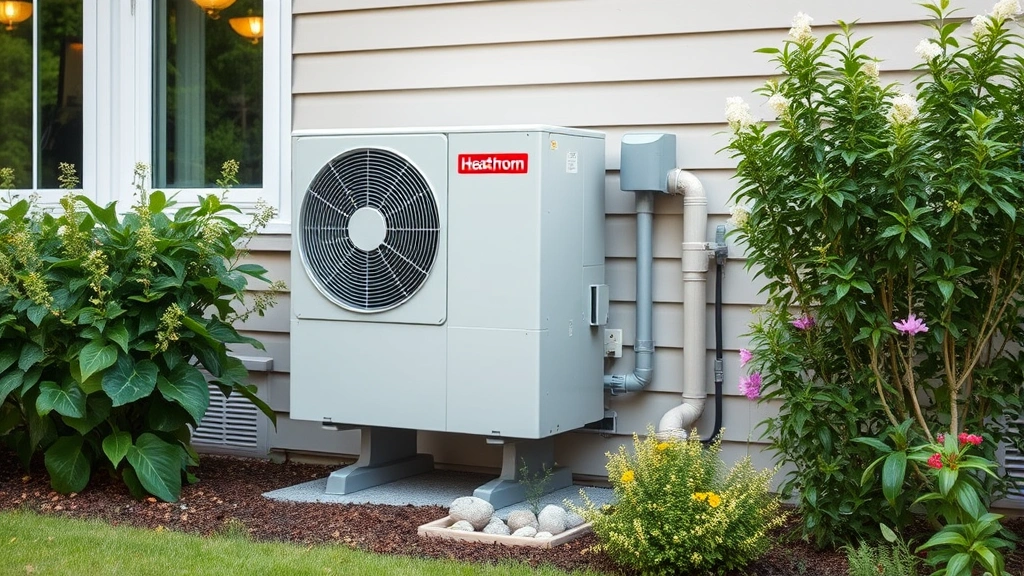
For heating applications specifically, heat pumps powered by renewable electricity offer superior sustainability profiles compared to natural gas furnaces. Electric heat pumps can achieve efficiency ratings exceeding 300%, meaning they deliver more energy than they consume in electricity. Learn more about emerging green technology innovations transforming our future.
Battery storage technology addresses renewable energy’s intermittency challenges, once considered natural gas’s primary advantage. As storage costs decline, this traditional rationale for natural gas weakens further. Grid modernization and demand management strategies provide additional flexibility without requiring fossil fuel backup.
The comparison extends to advantages of electric vehicles, which eliminate direct emissions compared to gas-powered vehicles. When charged with renewable electricity, EVs represent fundamentally superior sustainability. The transportation sector’s shift toward electrification reduces natural gas’s potential applications and accelerates its obsolescence.
Regional Considerations: Corning and Beyond
Sustainability analysis of natural gas must account for regional contexts, including existing infrastructure, energy resources, and climate commitments. Corning, like many communities, has established natural gas infrastructure serving residential, commercial, and industrial users. Understanding local sustainability implications requires examining region-specific factors.
Communities with existing natural gas infrastructure face different optimization questions than those planning new energy systems. Retrofitting homes and businesses to eliminate natural gas dependence requires capital investment and technological transition. However, delaying this transition to preserve legacy infrastructure ultimately increases total costs while extending emissions.
Regional renewable energy potential varies significantly. Areas with abundant solar, wind, or geothermal resources can transition more rapidly than regions with limited renewable options. However, grid interconnection and long-distance transmission increasingly enable regions to access renewable energy from distant sources, reducing the excuse for fossil fuel reliance.
State and local climate commitments increasingly restrict natural gas expansion. Progressive regions have implemented building electrification standards, renewable energy mandates, and emissions reduction targets that effectively phase out new natural gas infrastructure. These policy frameworks reflect growing recognition that natural gas cannot support long-term sustainability goals.
Economic and Social Dimensions
Sustainability encompasses economic and social factors beyond environmental metrics. Natural gas industries provide employment, generate tax revenue, and support communities economically. However, these economic benefits must be weighed against long-term economic risks and social costs.
Communities dependent on natural gas infrastructure face economic vulnerability. As renewable energy deployment accelerates and electrification progresses, demand for natural gas will decline. Workers in gas infrastructure, production, and distribution face job transitions. Just transition planning becomes essential to support affected workers and communities.
The economic case for natural gas weakens as renewable energy costs continue declining. New renewable projects increasingly undercut natural gas on pure cost basis, even without considering environmental externalities. This economic shift accelerates the transition away from natural gas regardless of policy interventions.
Energy poverty and affordability deserve consideration in sustainability analysis. Natural gas has historically provided affordable heating in cold climates. However, renewable-powered heat pumps increasingly offer comparable or superior affordability, particularly as electricity grids decarbonize. Ensuring equitable energy transition requires deliberate policy and program design to protect vulnerable populations.
Future Outlook and Sustainable Alternatives
The future of natural gas in a sustainable energy system remains limited. Climate commitments targeting net-zero emissions by 2050 require phasing out fossil fuels entirely. Natural gas cannot be part of long-term sustainability solutions, though it may play temporary roles during transition periods in specific contexts.
Sustainable alternatives are rapidly advancing. Building electrification powered by renewable electricity offers superior sustainability for heating and cooking. Heat pump technology continues improving, extending applicability to colder climates. Induction cooking provides superior performance compared to gas stoves while eliminating indoor air quality concerns.
Industrial applications represent natural gas’s strongest remaining use case in transitional scenarios. Some industrial processes require high-temperature heat difficult to provide through electricity. However, even these applications increasingly have renewable alternatives, including concentrated solar power and advanced electric heating technologies.
Carbon capture and storage (CCS) technologies receive attention as potential solutions for continued natural gas use. However, CCS remains expensive, energy-intensive, and unproven at scale. Relying on speculative future technologies to justify current fossil fuel investments represents poor climate strategy.
Hydrogen produced from renewable electricity offers potential for some natural gas applications, potentially utilizing existing pipeline infrastructure. However, green hydrogen remains expensive, and scaling production requires massive renewable energy deployment. The same renewable energy could directly power buildings and vehicles more efficiently.
Visit the Carbon Brief analysis on natural gas consumption trends to understand how countries are implementing phase-out strategies.
FAQ
Is natural gas truly sustainable?
Natural gas cannot be considered genuinely sustainable. While it produces fewer direct emissions than coal or oil, methane leakage, extraction impacts, and its role perpetuating fossil fuel dependency disqualify it from sustainability classification. It may serve limited transitional roles, but long-term sustainability requires complete elimination of fossil fuels.
How does natural gas compare to renewable energy?
Renewable energy sources like wind, solar, and geothermal offer superior sustainability profiles with minimal lifecycle emissions and declining costs. Battery storage addresses intermittency concerns that historically favored natural gas. For most applications, renewable-powered alternatives now offer better environmental and economic performance.
What percentage of natural gas leaks in the supply chain?
Leakage rates vary but range from 1-7% of production, with some research suggesting higher percentages. If leakage exceeds 3-4%, natural gas becomes climatically equivalent to coal when considering methane’s warming potential over 20 years. Older infrastructure typically has higher leak rates.
Can natural gas infrastructure transition to renewable energy?
Some natural gas pipeline infrastructure might eventually transport hydrogen produced from renewable electricity. However, this remains speculative and expensive. Most natural gas infrastructure will require replacement rather than repurposing, suggesting planned infrastructure obsolescence is economically preferable to prolonging fossil fuel dependency.
How should communities dependent on natural gas transition away?
Just transition planning should prioritize worker retraining, economic diversification, and investment in renewable energy infrastructure. Communities should accelerate building electrification, heat pump deployment, and renewable energy development. Policy support through incentives, workforce development, and targeted investment helps manage economic transitions equitably.
What role might natural gas play in climate scenarios?
In some climate models, natural gas serves limited transitional roles during specific periods. However, these scenarios typically involve natural gas representing less than 5% of energy supply by 2050. Even in scenarios permitting natural gas, deployment should be minimized through prioritizing renewable alternatives whenever feasible.


