CSST Gas Line: Safe and Sustainable Choice?
Corrugated Stainless Steel Tubing (CSST) gas lines have become increasingly popular in residential and commercial applications over the past two decades. These flexible, easy-to-install conduits promise convenience and cost savings compared to traditional rigid copper or steel piping. However, as homeowners and building managers evaluate their options, questions arise about both safety and sustainability. Understanding the true nature of CSST gas lines—their benefits, risks, and environmental impact—is essential for making informed decisions about your home’s gas infrastructure.
The debate surrounding CSST gas lines involves multiple considerations beyond simple installation ease. Safety concerns, environmental implications, longevity, and alignment with sustainable building practices all play roles in determining whether CSST represents a responsible choice for your property. This comprehensive guide examines the evidence, explores both advantages and disadvantages, and helps you understand how CSST fits into broader sustainability and safety frameworks for modern homes.
What Are CSST Gas Lines?
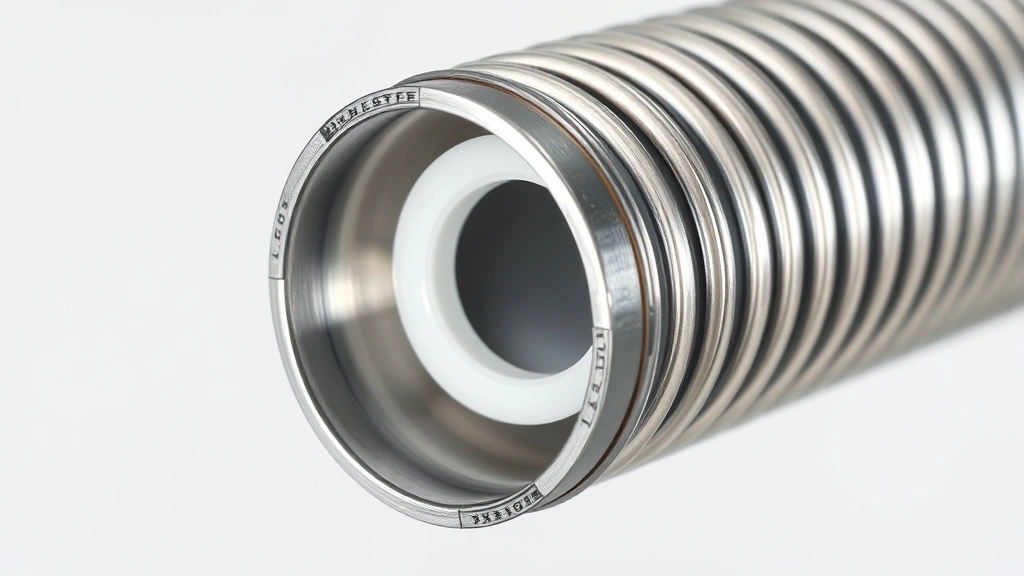
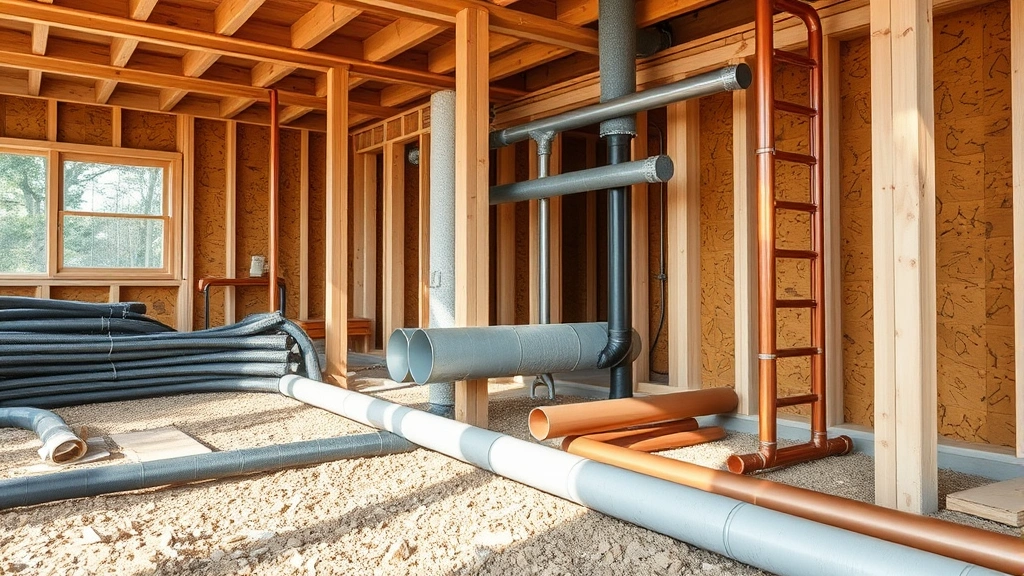
CSST gas lines represent a modern alternative to traditional rigid piping systems. These flexible tubes consist of a corrugated stainless steel outer layer surrounding an inner plastic core, designed to carry natural gas and propane safely throughout residential and commercial buildings. The flexibility of CSST allows installers to route gas lines around obstacles, reducing the need for multiple fittings and joints that characterize rigid pipe systems.
The corrugated design serves multiple purposes: it provides flexibility while maintaining structural integrity, allows for thermal expansion and contraction, and reduces vibration-related noise. The stainless steel exterior protects the inner tubing from damage, while the plastic inner core carries the gas. This dual-layer construction makes CSST appealing to contractors and builders seeking faster installation times and lower labor costs. When evaluating sustainable energy solutions for your home, understanding the infrastructure choices becomes increasingly important.
The tubing comes in various diameters, typically ranging from 3/8 inch to 1 inch, accommodating different flow requirements and applications. CSST gained significant market share beginning in the 1990s, particularly in new construction, where it now represents a substantial portion of residential gas line installations across North America.
Safety Concerns and Corrosion Issues
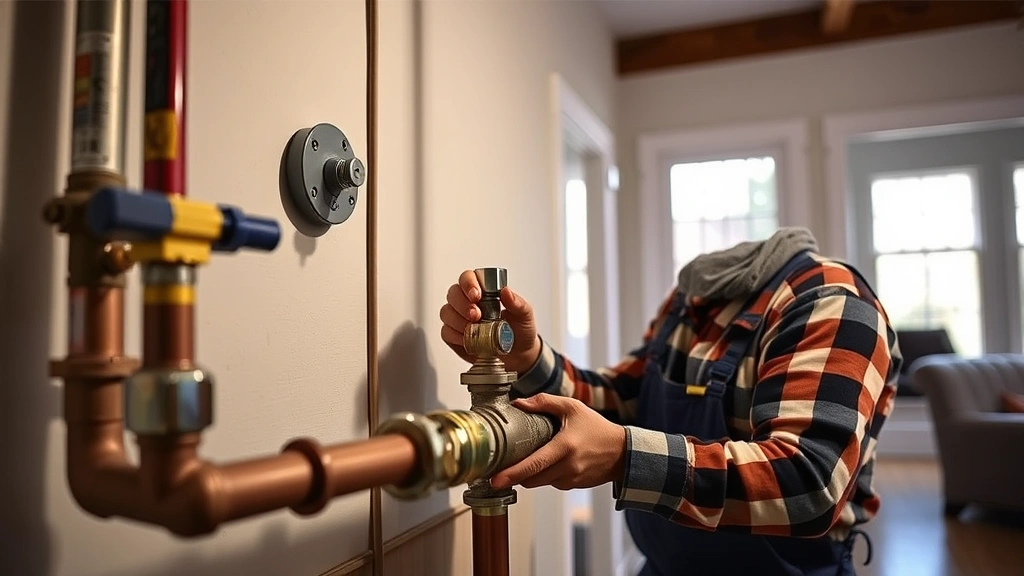
The primary safety concern associated with CSST gas lines involves pinhole leaks caused by corrosion of the stainless steel exterior. These tiny perforations can develop when the tubing comes into contact with certain environmental factors, particularly in acidic or corrosive conditions. Several documented cases have revealed that CSST can corrode when exposed to specific building materials, aggressive soil conditions, or chemical environments.
Research and field reports have identified multiple corrosion mechanisms affecting CSST performance. Acidic drywall, certain types of concrete, wet basements, and contact with copper or other dissimilar metals can all contribute to accelerated corrosion. The Consumer Product Safety Commission has received numerous complaints regarding pinhole leaks in CSST systems, though the exact frequency remains debated within the industry.
Additionally, CSST’s flexibility, while advantageous for installation, creates vulnerability to physical damage. Unlike rigid pipes that can absorb minor impacts, CSST can puncture if struck by nails, screws, or other sharp objects during renovation work or maintenance. This vulnerability increases the risk of gas leaks if the tubing isn’t properly protected within walls and conduits. Homeowners should ensure that any CSST installation includes adequate shielding and protection, particularly in areas subject to future modifications.
Another safety consideration involves the potential for electromagnetic interference affecting gas flow detection systems, though modern installations typically include proper bonding and grounding to mitigate this risk. Professional installation following current building codes significantly reduces safety concerns, but the inherent vulnerabilities of CSST compared to rigid piping systems remain legitimate considerations for safety-conscious homeowners.
Environmental Impact Assessment
Evaluating the environmental impact of CSST gas lines requires examining multiple lifecycle stages: material extraction, manufacturing, transportation, installation, operation, and eventual disposal. Each phase contributes differently to the overall environmental footprint of these systems.
The stainless steel component of CSST involves mining, refining, and processing iron ore and chromium, energy-intensive processes with significant environmental costs. Stainless steel production generates greenhouse gas emissions, particularly from electricity consumption in smelting and refining operations. The plastic inner core, typically made from polyethylene or similar polymers, derives from fossil fuels and carries its own extraction and processing environmental burden. Manufacturing CSST tubing requires energy for forming the corrugations, applying the inner plastic layer, and quality testing.
However, CSST’s flexibility offers environmental advantages during the installation phase. The reduced need for fittings and joints means fewer metal components requiring production and transportation. Simplified installation translates to reduced labor time, lower fuel consumption for contractor vehicles, and decreased overall project impact. Compared to rigid copper piping systems, CSST typically requires less material per linear foot of coverage due to its efficient design.
The operational phase presents interesting environmental considerations. CSST systems, when properly installed and maintained, operate identically to rigid pipe systems in terms of gas delivery efficiency. There’s no inherent advantage or disadvantage regarding the energy content of natural gas transported through either system. However, the durability and longevity of CSST directly impact its environmental footprint: systems requiring premature replacement generate additional waste and necessitate new manufacturing and installation.
Understanding how your gas infrastructure choices align with broader environmental footprint reduction strategies helps contextualize the CSST decision within your overall sustainability goals. The question becomes not just whether CSST is sustainable in isolation, but how it fits within your complete home energy strategy.
Sustainability Comparison with Alternatives
To properly assess CSST’s sustainability credentials, comparing it with alternative gas line materials provides essential context. Traditional rigid copper piping, steel piping, and newer polyethylene solutions each carry distinct environmental and safety profiles.
Copper Piping: Copper represents the traditional standard for gas lines in many regions. Copper mining and refining are extremely energy-intensive, generating substantial greenhouse gas emissions. However, copper’s exceptional durability—systems lasting 50+ years are common—means infrequent replacement. Copper’s corrosion resistance eliminates the pinhole leak concerns associated with CSST. From a lifecycle perspective, copper’s longevity often offsets its higher initial environmental cost, though the upfront material and installation expenses are considerably greater.
Steel Piping: Black iron or galvanized steel piping offers good durability and corrosion resistance when properly installed. Steel production has lower environmental impact than copper extraction, and steel’s strength provides excellent protection against physical damage. Steel piping requires more fittings than CSST, increasing material requirements and installation complexity. The environmental profile generally falls between CSST and copper in terms of manufacturing impact.
Polyethylene (PE) Piping: Newer PE gas line systems offer flexibility similar to CSST without the corrosion concerns of exposed metal. PE piping is lighter weight, resistant to corrosion, and requires fewer fittings. However, as a plastic-based product, PE carries fossil fuel extraction concerns and potential end-of-life disposal challenges. PE piping is increasingly approved for gas delivery applications and represents a growing market segment.
The sustainability choice depends on weighing manufacturing impact, durability, safety performance, installation efficiency, and regional availability. CSST excels in installation efficiency and material reduction but faces questions about long-term durability and corrosion resistance. For homeowners committed to sustainability principles, the decision should prioritize systems with the longest operational lifespan, minimizing replacement frequency and associated waste.
Installation and Maintenance Considerations
Proper installation represents the critical factor determining CSST safety and longevity. Professional installation following current building codes, including International Building Code standards, significantly improves performance and reduces risk. Several installation best practices deserve emphasis:
- Proper Bonding and Grounding: CSST systems must include bonding to the home’s electrical grounding system, ensuring safe dissipation of any electrical charge that could contribute to corrosion.
- Protective Shielding: Tubing should be installed within conduit or protected from potential physical damage, particularly in areas subject to future modifications.
- Separation from Corrosive Materials: CSST should be kept away from acidic drywall, wet soil, and dissimilar metals that might accelerate corrosion.
- Proper Pressure Testing: All installations should undergo thorough pressure testing to identify any leaks before the system becomes operational.
- Regular Inspection Schedules: Periodic professional inspections help identify developing issues before they become safety hazards.
Maintenance of CSST systems involves annual or biennial professional inspections, particularly in older installations or homes with known environmental risk factors. Homeowners should remain alert to signs of gas leaks, including hissing sounds, unusual odors (mercaptan additive in natural gas), or visible damage to tubing. Any suspected leaks warrant immediate professional attention and evacuation of the premises if gas odor is strong.
The flexibility of CSST simplifies modifications compared to rigid piping, though any alterations should involve licensed professionals familiar with building codes. DIY modifications to gas lines carry serious safety risks and violate codes in most jurisdictions. Understanding maintenance requirements ensures that your gas delivery system remains safe and efficient throughout its operational life.
Cost-Benefit Analysis
The financial comparison between CSST and alternative piping systems significantly influences decision-making for most homeowners and builders. CSST typically costs less than copper piping on a per-foot basis, and installation labor costs are substantially lower due to reduced complexity and faster implementation. For new construction or extensive gas line retrofits, these savings can be considerable.
However, long-term cost considerations require examining potential repair and replacement expenses. If CSST systems develop pinhole leaks due to corrosion, repair costs can escalate quickly, particularly if leaks occur within walls or structural elements requiring opening for access. Complete system replacement, while less common, represents a significant expense that could offset initial savings realized through lower installation costs.
Insurance considerations also factor into the cost equation. Some homeowners insurance policies charge higher premiums for CSST systems or may limit coverage for corrosion-related damage. Inquiring about insurance implications before installation helps avoid surprises if problems develop. Conversely, homes with properly installed, well-maintained copper or steel systems may benefit from lower insurance costs.
The true cost-benefit analysis requires projecting the complete lifecycle: initial installation costs, anticipated maintenance expenses, potential repair requirements, insurance premiums, and eventual replacement timing. For homes in corrosive environments or with high renovation activity, the seemingly lower initial CSST costs may not represent genuine savings when accounting for long-term maintenance and potential replacement.
Best Practices for CSST Use
If CSST gas lines are appropriate for your situation, implementing best practices maximizes safety and longevity. These guidelines help ensure that your system performs reliably while minimizing environmental impact through extended operational life:
- Hire Licensed Professionals: Ensure installation by licensed gas fitters or plumbers familiar with current building codes and CSST-specific requirements. Professional installation includes proper bonding, grounding, and pressure testing.
- Conduct Environmental Assessment: Before installation, evaluate your home’s environment for corrosive conditions, including soil composition, moisture levels, and presence of acidic building materials. Professional installers can identify risk factors and recommend protective measures.
- Implement Protective Measures: Use conduit or protective shielding, particularly in areas subject to future modifications or physical damage risk. Separate CSST from dissimilar metals and corrosive materials.
- Establish Maintenance Schedule: Arrange annual or biennial professional inspections, particularly for older systems or homes with identified risk factors. Keep records of all inspections and maintenance work.
- Educate Household Members: Ensure that family members understand gas safety, recognize leak indicators, and know emergency procedures including evacuation and calling emergency services.
- Document System Details: Maintain records of installation date, routing diagrams, materials used, and professional inspection reports. This documentation proves valuable for insurance claims, home sales, and future maintenance.
- Consider Alternatives for High-Risk Environments: If your home exhibits significant corrosion risk factors, discuss alternative piping materials with your installer. In some cases, rigid piping may provide better long-term value despite higher initial costs.
Integrating gas line decisions into your broader home sustainability strategy creates coherence across all systems. Consider how your gas infrastructure choices align with green technology innovations you may be implementing elsewhere in your home. Some homeowners reduce natural gas dependence through electric heating, induction cooking, and heat pump technology, fundamentally changing the importance of gas line infrastructure.
FAQ
Are CSST gas lines safe?
CSST gas lines are safe when properly installed by licensed professionals following current building codes. However, they carry documented risks regarding pinhole leaks from corrosion in certain environments and vulnerability to physical damage. Compared to copper or steel piping, CSST requires more careful environmental assessment and protective installation measures. Professional installation, proper bonding, and regular inspections significantly reduce safety concerns.
How long do CSST gas lines last?
CSST systems typically last 25-40 years under normal conditions, though lifespan varies considerably based on environmental factors and installation quality. Corrosive environments may reduce lifespan substantially, while well-maintained systems in favorable conditions can exceed 40 years. This lifespan is generally shorter than copper or steel piping, which can function reliably for 50+ years.
Can CSST be repaired if it leaks?
Pinhole leaks in CSST typically require professional repair involving isolation of the affected section and replacement of compromised tubing. Small leaks can sometimes be repaired with specialized repair kits, but replacement of the affected section is the more reliable solution. Complete system replacement may be necessary if corrosion is extensive, representing significant expense.
Is CSST environmentally sustainable?
CSST’s environmental sustainability depends on comparing it with alternatives and considering its complete lifecycle. CSST requires less material and installation labor than copper systems, reducing manufacturing and installation impact. However, potential durability concerns mean more frequent replacement may be necessary, increasing long-term environmental cost. Copper or steel systems, while more resource-intensive initially, may prove more sustainable over 50+ year lifespans due to reduced replacement frequency.
What should I do if I suspect a CSST gas leak?
If you suspect a gas leak, evacuate your home immediately and call emergency services from outside. Don’t use electrical switches, light fixtures, or anything that might create sparks. Call your gas company’s emergency line once you’re safely away from the building. Never attempt to locate or repair gas leaks yourself. Professional technicians have equipment to safely identify and address leaks.
Do I need bonding for my CSST installation?
Yes, bonding is essential for CSST installations. The tubing must be bonded to your home’s electrical grounding system to safely dissipate any electrical charge. Proper bonding reduces corrosion risk and ensures safety compliance. All professional installations should include bonding; verify this was completed during your installation inspection.


