
Can Gas Cylinders Be Eco-Friendly? Comprehensive Insights into Sustainable Gas Solutions
The question of whether gas cylinders can be eco-friendly has become increasingly relevant as industries and households seek to balance energy needs with environmental responsibility. Gas cylinders, commonly used for cooking, heating, and industrial applications, have traditionally been viewed as contributors to carbon emissions and climate change. However, recent technological advances and sustainable practices suggest a more nuanced picture. Understanding the environmental impact of cylinder gas and exploring innovative solutions can help consumers and businesses make informed decisions about their energy consumption.
This comprehensive guide examines the ecological footprint of gas cylinders, explores emerging eco-friendly alternatives, and provides actionable insights for reducing environmental impact. Whether you’re a homeowner, business owner, or sustainability advocate, this article will help you navigate the complexities of gas cylinder usage in an environmentally conscious way.
Understanding the Environmental Impact of Gas Cylinders
Gas cylinders, whether containing liquefied petroleum gas (LPG), compressed natural gas (CNG), or other gases, represent a significant aspect of modern energy consumption. To assess whether they can be truly eco-friendly, we must first understand their complete lifecycle impact. The environmental footprint of a gas cylinder extends far beyond the combustion of its contents—it encompasses extraction, production, transportation, storage, and eventual disposal or recycling.
The manufacturing process of gas cylinders involves steel or aluminum production, which requires substantial energy and generates emissions. However, the reusable nature of these cylinders means that their environmental cost is distributed across multiple filling cycles, potentially offsetting initial production impacts. A single steel cylinder can be refilled hundreds of times over its 10-15 year lifespan, making the per-use environmental burden relatively modest when compared to single-use alternatives.
The extraction and processing of gases stored in cylinders varies depending on the source. Natural gas, for instance, involves drilling operations that can impact local ecosystems, while LPG is often derived as a byproduct of crude oil refining. Understanding these upstream impacts is crucial when evaluating the overall sustainability of gas cylinder usage and considering whether advantages of natural gas truly align with environmental goals.
Transportation logistics play a significant role in the environmental equation. Cylinders must be transported from manufacturing facilities to distribution centers, then to retailers or directly to consumers. The weight and volume of cylinders mean that transportation efficiency becomes paramount. Consolidated distribution networks and local refilling stations can substantially reduce the carbon footprint associated with cylinder delivery and logistics.
Carbon Emissions and Climate Considerations
When burned as fuel, gases in cylinders produce carbon dioxide and other greenhouse gases. The carbon intensity of different gases varies—natural gas produces approximately 50% fewer emissions than coal when combusted, while LPG falls between natural gas and coal in terms of carbon output. For those concerned about climate impact, understanding these differences is essential when choosing between sustainable energy solutions.
However, the direct combustion emissions represent only part of the climate story. Methane leakage during extraction, processing, and distribution of natural gas can significantly increase its climate impact. Methane is approximately 25-28 times more potent than carbon dioxide as a greenhouse gas over a 100-year period, according to research from the EPA’s greenhouse gas emissions overview. This makes the integrity of gas cylinder systems and prevention of leaks critically important for minimizing climate impact.
The transition toward renewable energy sources represents a significant challenge for gas cylinder usage. As electrical grids increasingly incorporate wind, solar, and hydroelectric power, the relative environmental advantage of gas cylinders diminishes. Many sustainability experts advocate for transitioning away from fossil fuel-based gases toward renewable alternatives. Yet, for applications where renewable energy isn’t immediately practical, efficient gas cylinder usage remains preferable to less efficient energy sources.
Biogas and biomethane represent promising alternatives that can be stored and transported in standard gas cylinders. These renewable gases, produced from organic waste, agricultural byproducts, and wastewater treatment, offer similar performance characteristics to conventional gases while substantially reducing lifecycle carbon emissions. The potential for biogas to utilize waste streams positions it as an increasingly viable eco-friendly option for cylinder gas applications.

” alt=”Renewable biogas production facility with sustainable agricultural waste processing systems”>
Recycling and Cylinder Management
One of the most underappreciated aspects of gas cylinder eco-friendliness is their recyclability and reusability. Unlike many energy storage solutions, gas cylinders are designed for multiple fill cycles and can function reliably for decades. At end-of-life, the steel or aluminum construction makes cylinders highly recyclable, with recycling rates often exceeding 95% for properly managed cylinders.
The recycling infrastructure for gas cylinders is well-established in developed nations, with certified recycling facilities capable of safely depressurizing, cleaning, and preparing cylinders for material recovery. This closed-loop system minimizes waste and reduces the need for virgin material extraction. Consumers can participate in this circular economy by returning empty cylinders to authorized distributors rather than attempting disposal through conventional waste streams.
Proper cylinder maintenance and safety protocols also contribute to sustainability. Well-maintained cylinders experience fewer leaks, require less frequent replacement, and operate more efficiently. Regular inspection, appropriate storage conditions, and adherence to safety guidelines extend cylinder lifespan and maximize the return on the energy invested in their production.
The concept of definition of sustainability emphasizes meeting present needs without compromising future generations’ ability to meet theirs. In this context, gas cylinder recycling and reuse programs exemplify sustainable practices by preserving resources and minimizing environmental degradation.
Some manufacturers have initiated take-back programs that guarantee cylinder collection and recycling. These programs ensure proper handling of end-of-life cylinders and demonstrate corporate commitment to circular economy principles. Consumers should seek out suppliers participating in such programs to maximize the sustainability of their gas cylinder choices.
Eco-Friendly Alternatives and Solutions
While gas cylinders can be managed more sustainably, exploring alternatives is equally important for environmentally conscious consumers. Electric heating and cooking appliances powered by renewable electricity represent the most sustainable option where available. As electrical grids decarbonize, the environmental advantage of electric alternatives continues to increase substantially.
For transportation applications, the shift toward advantages of electric vehicles offers a compelling alternative to gas cylinder-powered systems. Electric vehicles eliminate direct emissions and, when charged with renewable energy, provide a genuinely sustainable transportation solution. However, for certain industrial and commercial applications, gas cylinders remain necessary due to specific performance requirements or infrastructure constraints.
Solar thermal systems provide another renewable alternative for heating applications traditionally served by gas cylinders. These systems capture solar energy for domestic hot water and space heating, reducing reliance on fossil fuels. While not universally applicable due to climate and geographic considerations, solar thermal represents an excellent complementary technology in appropriate regions.
Induction cooking technology offers superior efficiency compared to gas-based cooking, with energy transfer rates exceeding 80% compared to approximately 40% for gas. Combined with renewable electricity, induction cooking eliminates emissions entirely while providing superior cooking performance and safety features.
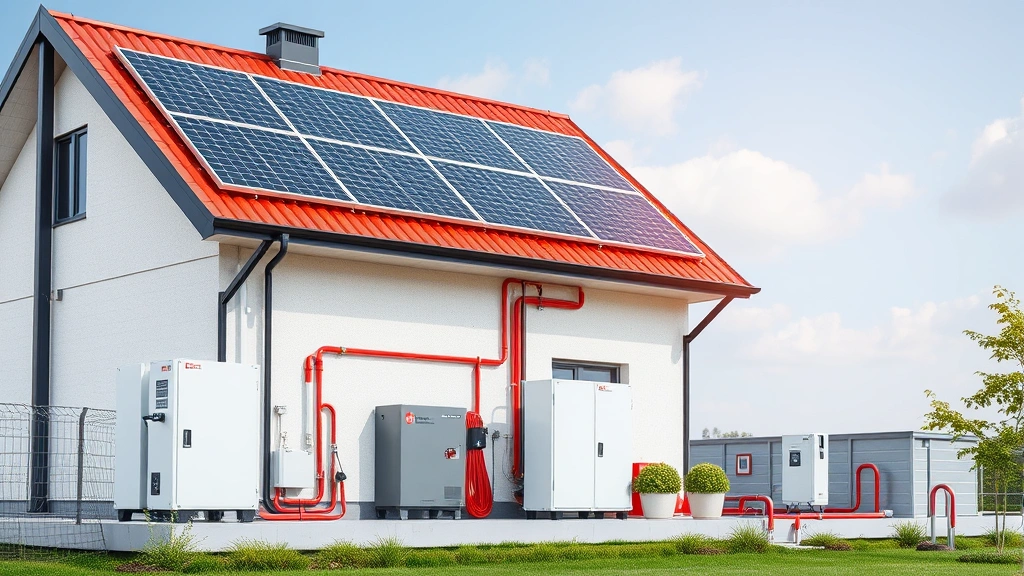
Hybrid systems that combine gas cylinders with renewable energy sources represent a pragmatic transition strategy. For instance, integrating gas backup heating with solar thermal systems ensures reliability while maximizing renewable energy utilization. This approach acknowledges the realities of energy transition while progressively reducing fossil fuel dependence.
” alt=”Modern residential renewable energy system combining solar panels, battery storage, and efficient heating infrastructure”>
Best Practices for Sustainable Gas Usage
For those currently using gas cylinders or transitioning away gradually, implementing best practices can significantly reduce environmental impact. Proper maintenance of gas appliances ensures efficient combustion and minimizes waste. Regular servicing of stoves, heaters, and other equipment maintains peak performance and prevents energy-wasting leaks.
Choosing high-efficiency appliances designed to work with gas cylinders represents an immediate opportunity for environmental improvement. Modern condensing boilers and efficient cooking ranges can reduce gas consumption by 20-30% compared to older models. When purchasing new equipment, prioritizing efficiency ratings provides both immediate environmental and long-term economic benefits.
Behavioral changes also contribute meaningfully to sustainability. Using appropriate burner sizes for cooking pots, maintaining proper insulation in heated spaces, and promptly addressing draft or heating issues all reduce unnecessary gas consumption. These low-cost or free modifications can decrease energy use by 10-15% without sacrificing comfort or functionality.
Supporting suppliers and manufacturers demonstrating commitment to sustainability amplifies environmental impact. Companies investing in renewable gas options, implementing carbon offset programs, or participating in certified sustainability initiatives deserve consumer preference. This market signal encourages broader industry adoption of eco-friendly practices.
Education and awareness within households and organizations using gas cylinders promotes sustainable decision-making. Understanding the environmental implications of energy choices empowers individuals to make informed decisions aligned with their values. Sharing knowledge about SustainWise Hub Blog resources and sustainability information amplifies collective environmental benefits.
Advocating for policy changes supporting renewable gas infrastructure and accelerated transition timelines contributes to systemic change. Supporting regulations that incentivize biogas production, carbon pricing mechanisms, and renewable energy investment creates favorable conditions for genuine sustainability transformation.
Future of Eco-Friendly Gas Technologies
The future of gas cylinder sustainability depends on technological innovation and infrastructure development. Biogas and biomethane production capacity continues expanding globally, with potential to replace significant portions of fossil-derived gases. Investment in anaerobic digestion facilities and waste-to-energy projects creates opportunities for renewable gas scaled production.
Hydrogen gas represents another promising frontier for sustainable gas cylinder applications. Green hydrogen, produced through electrolysis powered by renewable electricity, offers zero-carbon fuel characteristics. As hydrogen production costs decline and fuel cell technology matures, hydrogen cylinders may become increasingly viable for diverse applications from residential heating to industrial processes.
Advanced materials research is developing lighter, more durable cylinder construction materials that reduce manufacturing environmental impact while maintaining safety and performance standards. Composite materials and innovative steel formulations promise improved recyclability and extended operational lifespans.
Smart gas management systems utilizing IoT sensors and data analytics enable real-time monitoring of consumption patterns, leak detection, and optimization of gas usage. These technologies reduce waste, enhance safety, and provide consumers with detailed information enabling informed decision-making about energy use.
The integration of gas cylinders with smart home and building management systems creates opportunities for optimized energy use. Coordinating gas appliance operation with renewable energy availability, battery storage systems, and grid conditions maximizes overall system efficiency and sustainability.
Policy frameworks supporting the circular economy for gas cylinders continue evolving. Extended producer responsibility programs, mandatory recycling targets, and carbon pricing mechanisms increasingly incentivize manufacturers and consumers to adopt sustainable practices. These regulatory drivers accelerate transition toward genuinely eco-friendly gas cylinder systems.
Research from the International Energy Agency indicates that methane emissions reduction represents critical priority for climate mitigation. Improving gas cylinder system integrity and transitioning toward renewable gases directly supports global climate objectives.
Frequently Asked Questions
Are gas cylinders recyclable?
Yes, gas cylinders are highly recyclable. Steel and aluminum cylinders can be recycled at certified facilities with recycling rates typically exceeding 95%. Always return empty cylinders to authorized distributors rather than disposing through conventional waste streams to ensure proper recycling.
What is the carbon footprint of a gas cylinder?
The carbon footprint depends on multiple factors including the gas type, transportation distance, cylinder material, and number of fill cycles. Generally, natural gas produces approximately 50% fewer emissions than coal, while LPG falls between them. Biogas and biomethane offer substantially lower emissions profiles.
How long do gas cylinders last?
Quality gas cylinders typically last 10-15 years or longer with proper maintenance. The extended lifespan means the environmental cost of production is distributed across hundreds of fill cycles, improving the per-use environmental efficiency.
Can I switch from gas cylinders to renewable energy?
Yes, numerous alternatives exist depending on your specific needs. Electric heating, induction cooking, solar thermal systems, and heat pumps powered by renewable electricity offer sustainable alternatives. Consider your location, budget, and specific application requirements when evaluating options.
What is biogas and how does it work in cylinders?
Biogas is renewable gas produced from organic waste through anaerobic digestion. It can be compressed and stored in standard gas cylinders, functioning identically to conventional gases while offering substantially lower lifecycle emissions and supporting waste resource utilization.
How can I reduce my gas cylinder consumption?
Maintain appliances regularly, choose high-efficiency equipment, use appropriate burner sizes, improve building insulation, and consider behavioral changes like shorter showers and optimized heating schedules. These practices can reduce consumption by 10-30% without sacrificing comfort.
Are there safety concerns with renewable gas cylinders?
Biogas and biomethane can be stored and transported in standard gas cylinders meeting existing safety specifications. Hydrogen cylinders require specialized design due to hydrogen’s unique properties, but certified systems are safe and reliable.
What certification should I look for when purchasing gas cylinders?
Look for cylinders meeting DOT (Department of Transportation) or international safety standards. For sustainability credentials, seek suppliers participating in certified recycling programs or offering renewable gas options with verified carbon reduction certifications.


