
Diesel vs Gas Trucks: Expert Efficiency Analysis for Sustainable Fleet Decisions
The choice between diesel and gasoline trucks represents one of the most consequential decisions for fleet managers, contractors, and individual truck owners seeking to balance performance, cost, and environmental impact. Both fuel types offer distinct advantages and drawbacks that extend far beyond simple price comparisons at the pump. Understanding the nuanced differences between diesel and gas truck efficiency requires examining fuel economy, emissions profiles, operational costs, and long-term sustainability implications. This comprehensive analysis explores the technical specifications, real-world performance data, and environmental considerations that should inform your purchasing decision.
Whether you’re evaluating trucks for commercial operations or personal use, the efficiency question demands careful attention to your specific use case. Diesel engines have traditionally dominated heavy-duty trucking sectors due to their superior torque and fuel economy characteristics, yet modern gasoline engines continue advancing with turbocharging and direct injection technologies. Meanwhile, the emergence of alternative fuel vehicles presents additional considerations for environmentally conscious buyers seeking to minimize their carbon footprint across their transportation operations.
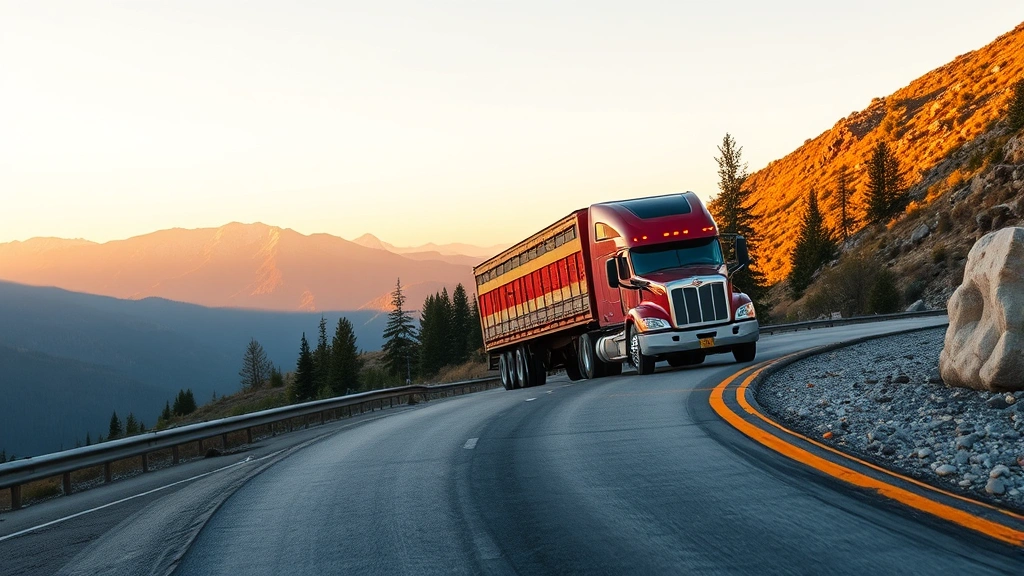
Fuel Economy and Efficiency Metrics
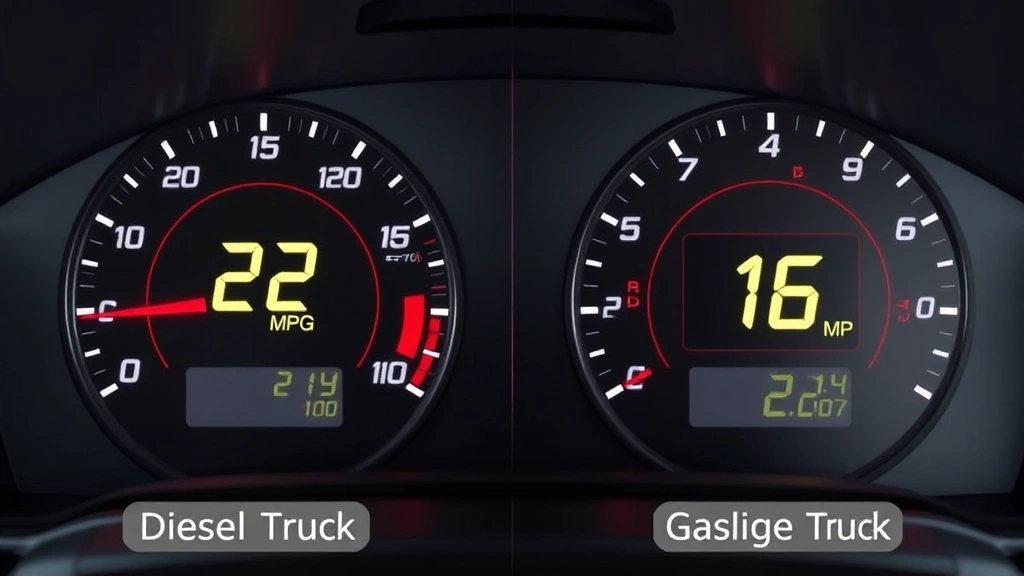
Diesel engines consistently deliver superior fuel economy compared to their gasoline counterparts, a fundamental advantage rooted in diesel fuel’s higher energy density and the compression ignition combustion process. Modern diesel trucks typically achieve 15-25 miles per gallon depending on model, driving conditions, and load specifications, while comparable gasoline trucks generally range from 12-18 miles per gallon. This efficiency advantage translates directly to reduced fuel consumption, fewer refueling stops, and extended range capabilities—critical factors for commercial operators managing large fleets or individuals tackling long-distance hauls.
The efficiency differential becomes increasingly pronounced under heavy load conditions. Diesel engines maintain their fuel economy advantage when towing or carrying substantial payloads, whereas gasoline engines experience more significant efficiency losses. Over a truck’s lifetime—typically 200,000 to 300,000 miles for heavy-duty vehicles—these compounding efficiency gains can result in thousands of gallons of fuel conservation. For fleet operators focused on reducing environmental footprint, this efficiency advantage represents a measurable contribution toward sustainability objectives.
Fuel economy ratings, measured by the EPA, provide standardized comparisons across vehicle categories. However, real-world performance often varies based on driving patterns, maintenance practices, and terrain characteristics. Diesel engines reach optimal efficiency at consistent highway speeds, making them ideal for interstate commerce and long-haul operations. Gasoline engines, conversely, perform adequately in mixed-use scenarios involving city driving, frequent starts and stops, and variable load conditions. Understanding these nuances helps buyers select the appropriate powertrain for their specific operational requirements.
Emissions and Environmental Impact
The environmental comparison between diesel and gasoline trucks presents a complex picture requiring examination of multiple emission categories. Diesel engines produce lower carbon dioxide emissions per mile driven due to superior fuel efficiency—the fundamental advantage that often draws environmentally conscious buyers. However, diesel combustion generates higher levels of nitrogen oxides (NOx) and particulate matter, pollutants with significant local air quality implications and public health consequences.
Modern diesel vehicles equipped with selective catalytic reduction (SCR) technology and diesel particulate filters substantially reduce NOx and particulate emissions to levels comparable with gasoline engines. The EPA’s Tier 3 emission standards, implemented progressively since 2017, have narrowed the emissions gap considerably. Gasoline engines, meanwhile, produce more carbon dioxide per gallon consumed but generate lower NOx concentrations and particulate matter, creating a trade-off scenario rather than a clear environmental winner.
Lifecycle emissions analysis—accounting for fuel production, manufacturing, operation, and disposal—reveals that diesel vehicles’ efficiency advantage often translates to lower total greenhouse gas emissions across their operational lifespan. According to EPA fuel economy data, the cumulative carbon benefits of diesel efficiency frequently outweigh the localized air quality concerns, particularly when considering modern emissions control systems. However, in densely populated urban environments where air quality represents a critical health concern, gasoline vehicles may present a preferable environmental choice.
The emergence of sustainable energy solutions including biodiesel blends and renewable diesel offers pathways for reducing diesel’s environmental footprint while maintaining efficiency advantages. These advanced biofuels can reduce lifecycle carbon emissions by 50-80% compared to conventional diesel, positioning modern diesel trucks as viable options within comprehensive sustainability strategies.
Maintenance and Operating Costs
Operating cost analysis extends beyond fuel consumption to encompass maintenance, repairs, and component replacement—factors significantly influenced by powertrain selection. Diesel engines, built with heavier-duty construction to withstand compression ignition pressures, typically demonstrate superior longevity, often accumulating 200,000+ miles before requiring major overhauls. This durability advantage translates to lower per-mile ownership costs despite higher initial purchase prices, usually $4,000-$8,000 more than comparable gasoline models.
Scheduled maintenance intervals differ between fuel types, with diesel engines typically requiring servicing every 7,500-10,000 miles compared to gasoline engines’ 5,000-7,500 mile intervals. However, diesel maintenance costs per service often exceed gasoline maintenance due to specialized fluids, filters, and diagnostic requirements. Diesel fuel injectors, high-pressure fuel pumps, and emissions systems demand precision service from experienced technicians, potentially increasing labor expenses in regions with limited diesel expertise.
Gasoline trucks offer lower maintenance costs per service visit and greater technician availability, advantages for owners in rural areas or small communities. However, the frequency of required maintenance and shorter service intervals increase cumulative maintenance expenses over the vehicle’s lifetime. Insurance premiums, registration fees, and warranty coverage vary by model and market, requiring individualized comparison for accurate total cost of ownership calculations.
For commercial fleet operators, maintenance cost predictability significantly impacts operational budgeting. Diesel engines’ longer service intervals and extended component lifespan facilitate more efficient fleet management and reduced downtime. Conversely, gasoline trucks’ lower maintenance costs per service may appeal to operators managing smaller fleets with limited maintenance infrastructure.
Performance Characteristics and Torque
Diesel engines deliver peak torque at lower RPMs compared to gasoline engines, providing immediate pulling power essential for heavy-duty applications. This torque characteristic enables diesel trucks to accelerate loaded trailers from standstill with greater efficiency and less engine strain. Peak torque figures for modern diesel trucks frequently exceed 600 foot-pounds, compared to 400-500 foot-pounds for gasoline counterparts, fundamentally altering performance characteristics and operational capabilities.
Horsepower ratings, while important, tell only partial performance stories. Diesel engines prioritize torque delivery, optimizing work capacity over maximum RPM performance. Gasoline engines, particularly turbocharged variants, achieve competitive horsepower figures but typically require higher RPM operation to access maximum performance. This fundamental difference influences driving dynamics, acceleration characteristics, and suitability for specific applications.
Modern turbocharging technology has narrowed performance gaps considerably. Turbocharged gasoline trucks now provide acceleration and towing capabilities approaching diesel performance levels, though efficiency advantages remain with diesel powertrains. The choice between fuel types increasingly reflects operational priorities: diesel for maximum efficiency and consistent heavy hauling, gasoline for responsive acceleration and varied-use scenarios.
Towing dynamics differ meaningfully between fuel types. Diesel engines’ low-end torque enables smoother acceleration with loaded trailers, reducing transmission strain and improving overall drivetrain longevity. Gasoline engines require more aggressive throttle application and higher RPM operation to achieve comparable pulling authority, potentially accelerating wear on automatic transmissions and drivetrain components.
Towing Capacity and Load Handling
Towing capacity represents one of the most significant practical differences between diesel and gasoline trucks. Manufacturers typically rate diesel trucks for 15,000-35,000 pounds of towing capacity depending on model and configuration, compared to 10,000-20,000 pounds for gasoline trucks. These figures reflect not merely engine power but the complete vehicle engineering—transmission durability, frame strength, suspension capacity, and brake system adequacy—designed around each powertrain’s characteristics.
Payload capacity—the maximum weight trucks can carry in beds and cabins—similarly favors diesel trucks, which typically accommodate 3,000-4,500 pounds compared to 2,000-3,000 pounds for gasoline models. The combined towing and payload advantage positions diesel trucks as superior choices for demanding work applications involving consistent heavy loads.
Diesel engines’ low-end torque translates to smoother, more controlled towing experiences. Loaded trailers accelerate gradually without transmission hunting or excessive downshifting, improving fuel economy and reducing wear on drivetrain components. Gasoline engines, conversely, require more aggressive throttle application and transmission downshifting to achieve comparable pulling authority, particularly when ascending grades or accelerating from standstill with substantial loads.
For recreational towing—boats, horse trailers, RVs—the choice between diesel and gasoline depends on typical load weights and usage patterns. Light to moderate towing applications may adequately utilize gasoline truck capabilities while benefiting from lower purchase prices and maintenance costs. Serious or frequent heavy towing strongly favors diesel powertrains’ inherent advantages.
Long-Term Ownership Considerations
Vehicle depreciation patterns differ significantly between diesel and gasoline trucks, influenced by market demand, fuel prices, and perceived value retention. Diesel trucks historically command premium resale values due to their durability, efficiency, and heavy-duty reputation. Used diesel trucks often retain 50-60% of original purchase prices after five years, compared to 40-50% retention for gasoline models.
However, diesel market dynamics fluctuate with fuel price volatility. During periods of high diesel prices, used diesel truck values may decline relative to gasoline counterparts as buyers prioritize operating costs. Conversely, when diesel prices decline or stabilize, diesel trucks’ efficiency advantages reassert market premiums. Long-term ownership decisions should account for fuel price trends and regional market preferences affecting resale values.
Warranty coverage and reliability records provide additional ownership considerations. Many manufacturers offer extended warranties on diesel powertrains, acknowledging their durability potential while protecting against catastrophic failures. Engine and transmission warranties frequently extend to 100,000-150,000 miles for diesel trucks, compared to 60,000-100,000 miles for gasoline vehicles.
Technology integration, infotainment systems, and driver assistance features increasingly influence purchasing decisions independent of powertrain selection. Both diesel and gasoline trucks now incorporate advanced safety systems, connectivity features, and autonomous driving technologies. Evaluating these features alongside powertrain characteristics ensures comprehensive consideration of modern vehicle capabilities.
Sustainability and Future Trends
The automotive industry’s evolution toward electrification and alternative fuels reshapes the diesel versus gasoline comparison. Department of Energy initiatives promote development of battery-electric and fuel-cell trucks, technologies that may ultimately supersede traditional internal combustion engines. However, practical adoption timelines for commercial trucking applications extend beyond passenger vehicle electrification due to payload, range, and charging infrastructure requirements.
Hybrid-electric truck technology offers intermediate solutions, combining diesel or gasoline engines with electric motors to optimize efficiency across varied driving conditions. These systems capture energy during braking and descent, reducing fuel consumption and emissions while maintaining operational flexibility and range comparable to traditional trucks. Green technology innovations in hybrid systems continue advancing, making these options increasingly practical for fleet operators prioritizing sustainability.
Renewable diesel and biodiesel fuels present near-term sustainability enhancements for existing diesel fleets. These advanced biofuels, compatible with conventional diesel engines and infrastructure, reduce lifecycle carbon emissions substantially without requiring vehicle modifications. National Renewable Energy Laboratory research demonstrates that renewable diesel can reduce carbon intensity by 50-80% compared to conventional diesel, positioning diesel trucks as viable long-term solutions within comprehensive sustainability frameworks.
Natural gas trucks represent another alternative pathway, offering lower emissions than diesel or gasoline while maintaining established engine technology. However, infrastructure limitations and lower energy density compared to liquid fuels restrict natural gas truck adoption to specific applications and regions with developed fueling networks.
For fleet operators and individual buyers committed to sustainability principles, the optimal choice increasingly involves evaluating fuel type within broader sustainability strategies. Diesel trucks’ efficiency advantages support carbon reduction goals when combined with renewable fuels and optimized driving practices. Gasoline trucks may better serve applications prioritizing local air quality and emissions control. Electric vehicles represent the ultimate sustainability solution for appropriate applications, though current technological limitations restrict their deployment in heavy-duty trucking.
The transition toward sustainable transportation requires nuanced decision-making reflecting specific operational requirements, regional environmental priorities, and long-term sustainability commitments. Neither diesel nor gasoline trucks represent universally superior choices; rather, optimal selections emerge from careful analysis of individual circumstances, operational patterns, and environmental values.
FAQ
Which truck type offers better fuel economy?
Diesel trucks consistently deliver superior fuel economy, typically achieving 15-25 miles per gallon compared to 12-18 miles per gallon for gasoline trucks. This advantage increases under heavy load conditions, making diesel particularly efficient for commercial applications involving substantial hauling or towing.
Are diesel trucks more environmentally friendly?
Diesel trucks produce lower carbon dioxide emissions per mile due to superior fuel efficiency, supporting climate change mitigation goals. However, they generate higher nitrogen oxides and particulate matter affecting local air quality. Modern emissions control systems substantially reduce these pollutants. Lifecycle analysis often favors diesel efficiency advantages, particularly when combined with renewable diesel fuels.
What are the total ownership costs for diesel versus gasoline trucks?
Diesel trucks typically command higher purchase prices ($4,000-$8,000 premium) but demonstrate superior long-term value retention and lower per-mile operating costs. Total ownership costs favor diesel for high-mileage applications but may favor gasoline for light-duty or intermittent use. Individual calculations should account for specific usage patterns, fuel prices, and maintenance costs.
How much more powerful are diesel engines?
Diesel engines deliver substantially higher torque—often 600+ foot-pounds compared to 400-500 foot-pounds for gasoline engines. This torque advantage enables superior towing and hauling capabilities. Horsepower ratings may be comparable, but diesel engines optimize power delivery for work applications rather than maximum RPM performance.
Can gasoline trucks handle comparable towing loads?
Gasoline trucks can tow moderate loads but typically achieve 10,000-20,000 pounds compared to diesel trucks’ 15,000-35,000 pounds capacity. Gasoline engines require more aggressive throttle application to achieve comparable pulling authority, potentially accelerating drivetrain wear. Diesel trucks provide smoother, more controlled towing experiences with heavy loads.
What maintenance differences exist between fuel types?
Diesel engines require service less frequently (7,500-10,000 mile intervals) but may cost more per service due to specialized components and expertise requirements. Gasoline engines need more frequent maintenance (5,000-7,500 mile intervals) but typically cost less per service. Long-term maintenance expenses often favor diesel for high-mileage vehicles.
Are there environmental benefits to renewable diesel?
Renewable diesel can reduce lifecycle carbon emissions by 50-80% compared to conventional diesel while maintaining compatibility with existing diesel engines and infrastructure. These advanced biofuels represent practical near-term sustainability improvements for diesel fleets without requiring vehicle modifications.
Should I consider electric trucks instead?
Battery-electric trucks represent the ultimate sustainability solution for appropriate applications, though current technology limitations restrict range and payload capacity compared to diesel or gasoline trucks. Practical electrification timelines for heavy-duty commercial trucking extend beyond passenger vehicle adoption. Hybrid-electric technology offers intermediate solutions combining sustainability benefits with operational flexibility.


