Does AC Use Gas? Essential Info You Need
Air conditioning systems are a cornerstone of modern comfort, especially as temperatures rise globally. However, many homeowners and renters wonder about the energy sources powering their AC units—specifically, whether air conditioning uses gas. The answer is more nuanced than a simple yes or no, as it depends on your system type, your region’s energy grid, and how your home is heated and cooled.
Understanding whether your AC uses gas is crucial for making informed decisions about energy consumption, utility bills, and environmental impact. This comprehensive guide explores the different types of AC systems, their energy sources, and what you can do to optimize your cooling efficiency while reducing your carbon footprint.
How AC Systems Work: The Basics
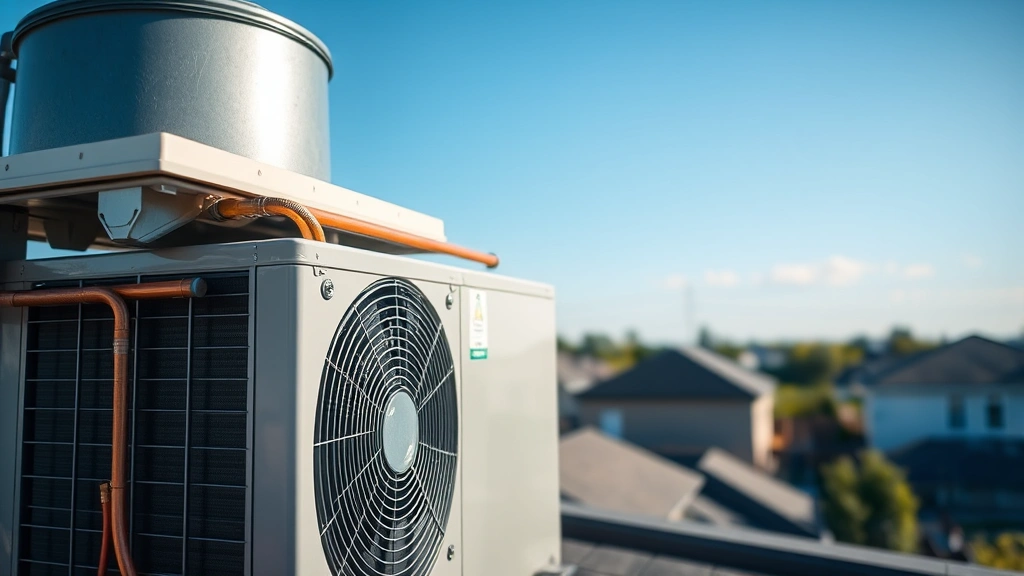
Before diving into whether AC uses gas, it’s essential to understand the fundamental mechanics of air conditioning. Traditional air conditioning systems operate on a thermodynamic principle called the refrigeration cycle. These systems circulate refrigerant through a series of components—evaporators, compressors, and condensers—to absorb heat from indoor air and release it outside.
The key component in this process is the compressor, which requires significant energy to operate. In most modern residential AC units, this energy comes from electricity, not gas. The compressor pressurizes the refrigerant, enabling the heat transfer process that cools your home. However, the source of that electricity matters greatly when considering overall environmental impact and energy costs.
Your AC system’s power consumption typically ranges from 3,000 to 5,500 watts for a standard window unit, and central air systems can consume 15,000 to 25,000 watts or more. This continuous electricity demand is why AC units are often the largest energy consumers in homes during summer months.
Electric AC vs. Gas-Powered Systems
The most straightforward answer to “does AC use gas?” is that standard air conditioning systems use electricity, not gas. However, some confusion arises because many homes have both AC units and gas furnaces for heating. These are separate systems serving different purposes.
Your air conditioning system is almost certainly powered by electricity. The electricity runs the compressor and fan motors that move cooled air throughout your home. In contrast, your heating system—which may use natural gas, propane, or electricity—operates independently during colder months.
True gas-powered AC systems are extremely rare in residential settings. Some commercial applications and specialized industrial systems may use gas engines to drive compressors, but these are not standard for home cooling. The few gas-powered cooling options that exist are typically used in remote locations without reliable electricity access or in specialized applications like RVs.
Understanding this distinction helps you make better decisions about your home’s sustainable energy solutions. If you’re concerned about your AC’s energy consumption, focus on electricity usage and efficiency rather than searching for gas alternatives.
Does Your AC Unit Use Natural Gas?
For most homeowners, the answer is definitively no—your AC unit does not use natural gas. Your air conditioning system requires electricity to operate its compressor, fans, and controls. However, you likely have a separate system that uses natural gas: your furnace or heating system.
This is where the confusion typically originates. Many homes have a single thermostat controlling both heating and cooling systems. During winter, your gas furnace runs to heat your home. During summer, your electric AC system runs to cool it. Some homes also have heat pumps, which use electricity year-round for both heating and cooling purposes.
If you want to verify your specific setup, check your utility bills. You’ll typically see separate charges for electricity and natural gas (if you have it). Your AC cooling costs will appear on your electricity bill, while heating costs will show on your gas bill. This separation clearly demonstrates that your AC operates on electricity alone.
For those interested in learning more about gas-based energy, explore our detailed guide on the advantages of natural gas, though remember this applies to heating rather than cooling systems.
Energy Sources for Modern Air Conditioning
Understanding where your electricity originates is increasingly important for environmentally conscious homeowners. The electricity powering your AC unit comes from your local power grid, which draws from various energy sources depending on your region.
In the United States, the electricity grid is powered by a mix of energy sources:
- Natural Gas: Approximately 40% of U.S. electricity generation
- Coal: Roughly 20% (declining)
- Nuclear: About 20%
- Renewable Energy: Approximately 20%, including wind, solar, and hydroelectric
The specific mix in your region affects the true environmental footprint of your AC usage. If you live in an area with high renewable energy penetration, your AC’s environmental impact is significantly lower than in regions relying primarily on fossil fuels.
Many utility companies now offer information about their energy mix and allow customers to choose renewable energy options. Some even provide incentives for green technology innovations like solar panel installation or energy-efficient AC upgrades.
To learn more about your local power grid’s composition, visit your utility provider’s website or check the EPA’s electricity grid information.
Hybrid Systems and Dual-Fuel Options
While standard AC systems use only electricity, some advanced climate control options combine multiple energy sources. These hybrid systems represent an innovative approach to home heating and cooling efficiency.
Heat Pumps with Gas Backup: Some homeowners install dual-fuel heat pump systems that use electricity as the primary heat source during mild weather but switch to natural gas during extreme cold. These systems optimize efficiency and cost-effectiveness across varying weather conditions. However, the AC component still operates exclusively on electricity.
Absorption Cooling Systems: In rare cases, particularly in commercial settings, absorption chillers can be powered by natural gas or other heat sources. These systems use heat rather than mechanical compression to cool air. However, these are virtually never used in residential settings due to cost and complexity.
For most homeowners, a standard electric AC system paired with whatever heating system you choose (gas furnace, heat pump, or electric resistance) remains the most practical and efficient option. The key is ensuring your system is properly maintained and sized correctly for your home.

Calculating Your AC Energy Consumption
To understand your AC’s actual impact, you need to calculate its energy consumption. This involves understanding your unit’s specifications and usage patterns.
Key Measurements:
- SEER Rating (Seasonal Energy Efficiency Ratio): Higher numbers indicate better efficiency. Modern units range from 13 to 25+ SEER.
- Tonnage: Refers to cooling capacity (12,000 BTU = 1 ton)
- Operating Hours: How many hours per day your AC runs during cooling season
To estimate daily consumption, use this formula: (Unit BTU ÷ 12,000) × Operating hours ÷ SEER rating = Kilowatt-hours (kWh) per day.
For example, a 3-ton unit (36,000 BTU) with a SEER rating of 16 running 8 hours daily would consume approximately 15 kWh per day, or roughly 450 kWh monthly.
Multiplying your monthly consumption by your local electricity rate gives you the cost. If you pay $0.12 per kWh, that 450 kWh unit would cost approximately $54 monthly for cooling.
Understanding these calculations helps you identify opportunities to reduce consumption through better system maintenance, thermostat management, and strategic upgrades. Learn more about overall sustainability practices on our blog.
Environmental Impact of AC Systems
While AC systems use electricity rather than gas directly, their environmental impact depends on multiple factors including the electricity grid’s composition and the system’s efficiency.
Direct Environmental Concerns:
- Grid Emissions: Electricity from fossil fuel-based power plants generates greenhouse gases
- Peak Demand: AC usage during summer creates peak electricity demand, often met by less efficient plants
- Refrigerant Leaks: Some older systems use refrigerants with high global warming potential
Modern AC systems use refrigerants like R-410A or R-32, which have significantly lower ozone-depletion potential than older CFCs. However, they still have some global warming potential.
The Energy Star program provides certification for high-efficiency AC units that reduce environmental impact through superior performance.
Understanding the definition of sustainability helps frame AC usage within broader environmental goals. Sustainable cooling means balancing comfort with efficiency and environmental responsibility.
Tips for Reducing AC Energy Usage
Whether your AC uses gas or electricity (it’s electricity), reducing consumption benefits both your wallet and the environment. Here are practical strategies:
Operational Improvements:
- Set your thermostat to 78°F (26°C) when home and 82°F (28°C) when away
- Use programmable or smart thermostats for automatic temperature adjustments
- Close blinds and curtains during the day to reduce solar heat gain
- Use ceiling fans to circulate cool air more effectively
- Avoid using heat-generating appliances during peak cooling hours
Maintenance and Upgrades:
- Clean or replace air filters monthly during cooling season
- Schedule annual professional maintenance to ensure optimal efficiency
- Seal air leaks around windows, doors, and ductwork
- Upgrade to a high-efficiency system (SEER 16 or higher) if your current unit is over 10 years old
- Consider a heat pump system for year-round efficiency
- Install a smart thermostat for precise temperature control
Long-Term Solutions:
- Add insulation to your attic to reduce heat transfer
- Install reflective roofing materials to minimize solar absorption
- Plant shade trees strategically around your home
- Consider solar panels to offset electricity consumption
- Explore advantages of electric vehicles for transportation, which reduces overall household carbon footprint
These strategies can reduce AC energy consumption by 20-40%, translating to significant cost savings and environmental benefits over time.
FAQ
Does air conditioning use natural gas?
No, standard residential air conditioning systems use electricity to power their compressors and fans. Your AC unit does not consume natural gas. If your home has both AC and a gas furnace, these are separate systems—AC uses electricity while heating uses gas.
Can you run an AC unit on gas?
While theoretically possible, gas-powered AC is impractical for residential use. A few specialized systems exist using gas engines to drive compressors, but they’re rare and typically used only in remote locations without reliable electricity or in specialized applications. Standard AC systems are designed exclusively for electricity.
How much electricity does an AC unit use?
Electricity consumption varies by system size, efficiency rating, and usage. A typical residential AC unit uses between 3,000 and 5,500 watts for window units, or 15,000 to 25,000 watts for central systems. Calculate monthly consumption by dividing the unit’s tonnage by its SEER rating and multiplying by operating hours.
Is it cheaper to cool with gas or electricity?
This question assumes gas cooling is an option, which it isn’t for most homes. Since AC requires electricity, you can’t choose between gas and electricity for cooling. However, you can reduce costs by improving efficiency through maintenance, thermostat management, and strategic upgrades to high-efficiency systems.
What’s the most energy-efficient AC option?
Heat pump systems are typically the most efficient for both heating and cooling, using electricity year-round and achieving high efficiency ratings. For cooling alone, look for AC units with SEER ratings of 16 or higher. Pair any system with a smart thermostat and proper maintenance for optimal efficiency.
Can solar panels power my AC unit?
Yes, solar panels can generate electricity to power your AC unit. Many homeowners install solar systems specifically to offset their AC consumption during peak summer months when both solar production and cooling demand are highest. This combination significantly reduces electricity grid dependence.
Should I upgrade my old AC unit?
If your AC unit is over 10-15 years old, upgrading to a modern high-efficiency system can reduce energy consumption by 30-50%. Newer units use advanced refrigerants, improved compressor technology, and better controls. Calculate the payback period based on your local electricity rates and usage patterns.


