Do Air Conditioners Use Gas? Explained
When temperatures soar, air conditioning becomes essential for comfort and health. Yet many people wonder about the energy sources powering their cooling systems. The straightforward answer is: most modern air conditioners do not directly use gasoline or natural gas as a fuel source. Instead, they consume electricity to operate their compressors and fans. However, the electricity powering your AC unit may originate from natural gas power plants, making the connection between air conditioning and gas more nuanced than it first appears.
Understanding how air conditioners work and their relationship with different energy sources is crucial for making informed decisions about your cooling choices. Whether you’re concerned about energy bills, environmental impact, or simply curious about your home’s mechanical systems, this comprehensive guide will clarify the mechanics, energy consumption patterns, and sustainable alternatives available to environmentally conscious consumers.

How Air Conditioners Actually Work
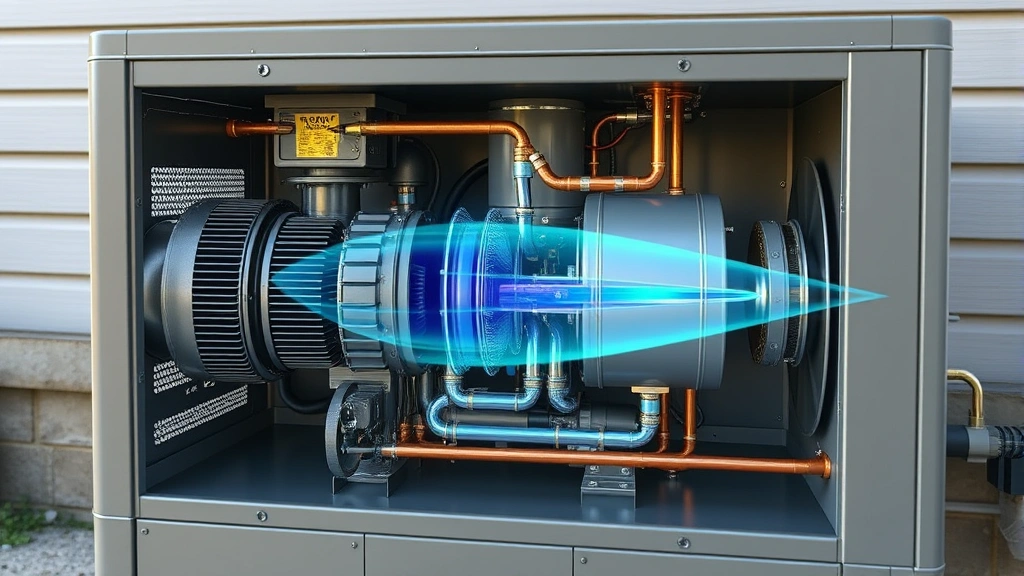
Air conditioning systems operate through a fascinating thermodynamic cycle that moves heat from inside your home to the outside environment. At the heart of every AC unit is a refrigerant—a specialized chemical compound that circulates through the system, alternating between liquid and gas states to absorb and release heat efficiently.
The process begins with the compressor, which is the most energy-intensive component of your air conditioning system. This electrically-powered pump pressurizes the refrigerant gas, increasing its temperature and pressure. The compressed refrigerant then flows to the condenser coil located in the outdoor unit, where it releases heat to the outside air and transforms back into a liquid. This liquid refrigerant travels through an expansion valve, where it rapidly depressurizes, cooling significantly in the process.
Finally, the cold liquid refrigerant enters the evaporator coil inside your home, where indoor air passes over it. The refrigerant absorbs heat from your indoor air, cooling it down before circulating back to the compressor to repeat the cycle. Throughout this entire process, electricity powers the compressor motor and the fans that circulate air across the coils. This is why your electricity bill increases during cooling season—not because gas is being burned, but because electrical energy drives the mechanical cooling cycle.
Understanding this mechanism helps explain why air conditioners are classified as electric appliances rather than gas appliances, despite the indirect connection between AC usage and natural gas power generation in many regions.

Electricity vs. Gas: What Powers Your AC
The distinction between electricity and gas as AC power sources is fundamental to understanding modern cooling systems. Standard residential and commercial air conditioners exclusively use electricity to operate. When you turn on your thermostat, you’re initiating an electrical circuit that powers the compressor motor, not igniting a gas flame or fuel combustion process.
This electrical design offers several advantages. First, it eliminates the combustion byproducts that gas-powered systems would produce, meaning no carbon monoxide risks or indoor air quality concerns directly from the cooling mechanism itself. Second, electric AC systems can be powered by any electricity source, including renewable energy like solar panels or wind turbines, making them inherently more adaptable to clean energy transitions.
However, the electricity supplied to your home comes from your local power grid, which generates electricity through various methods. In many regions, natural gas power plants contribute significantly to grid electricity. When you operate your air conditioner, you’re drawing electricity that may have been generated by burning natural gas at a distant power plant. This indirect relationship means that while your AC unit doesn’t use gas directly, your cooling comfort might indirectly depend on natural gas consumption—though this varies dramatically by region and utility provider.
For example, if your electricity comes from a utility with abundant hydroelectric, nuclear, or wind resources, your AC operation has minimal connection to natural gas. Conversely, in regions relying heavily on natural gas for electricity generation, your cooling needs do contribute to natural gas demand. This is why understanding your local sustainable energy solutions becomes important for environmentally conscious homeowners.
If you’re concerned about your home’s overall energy profile, exploring how to reduce your environmental footprint through strategic appliance choices and energy management can significantly impact your carbon emissions.
Understanding Your Electricity’s Energy Sources
Every kilowatt-hour of electricity flowing through your AC system originates from specific power generation sources within your regional grid. The composition of your electricity supply—called the energy mix—determines the environmental impact of running your air conditioner. Most utility companies provide this information through annual reports or online dashboards, allowing consumers to understand their electricity sources.
Common electricity generation methods include:
- Natural Gas Plants: Burn natural gas to generate electricity, producing carbon dioxide and other emissions
- Coal Plants: Use coal combustion, historically a major electricity source but declining in many developed nations
- Nuclear Power: Generates electricity through nuclear fission without greenhouse gas emissions during operation
- Hydroelectric: Uses flowing water to turn turbines, providing renewable, emission-free electricity
- Wind Power: Captures wind energy through turbines, offering clean, renewable generation
- Solar Power: Converts sunlight directly to electricity without emissions
- Biomass: Burns organic materials or biogas, offering renewable but variable environmental benefits
The percentage breakdown of these sources in your regional electricity supply directly affects the environmental implications of your air conditioning use. According to EPA data on electricity generation, natural gas accounts for approximately 40% of U.S. electricity production, making it a significant factor in overall AC energy consumption patterns.
To minimize your cooling system’s environmental impact, you can explore options like installing clean energy technologies such as rooftop solar panels, which directly power your AC during peak cooling hours when sunlight is abundant. Many homeowners find that solar-powered air conditioning dramatically reduces both their electricity bills and carbon footprint.
When Air Conditioners Do Use Gas
While the vast majority of residential air conditioning systems operate on electricity, certain specialized cooling systems do directly consume natural gas or other fuels. Understanding these exceptions is important for comprehensive knowledge about AC technology.
Gas-Powered Absorption Cooling Systems: These advanced systems use natural gas or propane to power a heat-driven cooling cycle, rather than the electrical compression cycle used in standard AC units. Instead of an electrically-powered compressor, absorption systems use a heat source (burning natural gas) to drive a chemical process that cools air. These systems are less common in residential settings but appear in commercial applications, industrial facilities, and some specialized installations. They’re particularly valuable in locations where electricity is expensive or unreliable but natural gas is readily available.
Vehicle Air Conditioning: Car air conditioners operate differently from home systems. While they use electricity from the vehicle’s alternator to power the compressor, the engine itself typically runs on gasoline or diesel. In this context, you could say vehicle AC uses gas indirectly because the engine burning fuel powers the alternator that generates the electricity for the AC compressor. This represents a direct energy connection between fuel consumption and cooling, unlike residential systems connected to the electrical grid.
Hybrid Cooling Systems: Some commercial or industrial facilities employ hybrid systems combining electric AC units with gas-powered backup cooling or heating. These sophisticated systems optimize energy use by switching between electricity and gas depending on demand, prices, and availability. They’re rarely found in homes but represent an emerging technology for large-scale climate control.
Portable Gas-Powered AC Units: In remote locations, construction sites, or emergency situations, portable air conditioning units powered by gasoline or diesel generators might be deployed. These represent a tiny fraction of total AC usage but demonstrate that gas-powered cooling options exist for specialized circumstances.
Energy Efficiency and Environmental Impact
The environmental footprint of your air conditioning extends beyond simply identifying the electricity source. How efficiently your system operates determines the actual energy consumption required to achieve your desired cooling comfort. A poorly maintained, outdated AC unit might consume 30-50% more electricity than a modern, well-maintained system cooling the same space to identical temperatures.
SEER Ratings and Efficiency Standards: Air conditioner efficiency is measured using the Seasonal Energy Efficiency Ratio (SEER), which indicates how much cooling output a system produces per unit of electrical input. Modern AC units typically have SEER ratings between 13-21, while older systems might rate 8-10. Upgrading from a 10 SEER unit to a 16 SEER model reduces electricity consumption by approximately 37% for equivalent cooling, translating directly to lower bills and reduced environmental impact.
The ENERGY STAR program certifies air conditioning systems meeting strict efficiency standards, helping consumers identify high-performance units. Choosing an ENERGY STAR certified AC system can reduce cooling energy consumption by 15% compared to standard models.
Maintenance Impacts on Efficiency: Regular maintenance dramatically affects AC efficiency. A system with dirty filters, low refrigerant levels, or fouled condenser coils works harder to achieve cooling, consuming more electricity. Simple maintenance tasks—replacing filters monthly, cleaning condenser coils annually, and scheduling professional inspections—can maintain peak efficiency and reduce energy consumption by 10-15%.
Thermostat Management: How you operate your AC significantly impacts total energy use. Setting your thermostat even a few degrees higher during peak hours, using programmable thermostats, and closing off unused rooms can reduce cooling energy by 10-30%. Smart thermostats that learn your patterns and adjust automatically represent an emerging technology for optimizing AC efficiency without sacrificing comfort.
Understanding the broader context of home energy use helps you prioritize cooling efficiency. If you’re also interested in transportation energy, exploring options like fuel-efficient vehicle choices or considering alternative fuel vehicles demonstrates a comprehensive approach to reducing personal energy consumption across multiple life domains.
Sustainable Cooling Alternatives
Beyond improving existing AC system efficiency, several alternative cooling approaches offer reduced environmental impact and operational costs. These solutions range from passive design strategies to advanced renewable energy integration.
Passive Cooling Strategies: Before investing in mechanical cooling, consider reducing your cooling load through architectural and behavioral modifications. Strategic window shading using exterior awnings or interior thermal curtains blocks solar heat gain. Improving insulation, sealing air leaks, and using reflective roofing materials reduces the heat entering your home, minimizing cooling demand. Natural ventilation through operable windows and cross-ventilation during cool evening hours can eliminate mechanical cooling needs on moderate-temperature days.
Evaporative Cooling (Swamp Coolers): In dry climates, evaporative cooling systems use water evaporation to cool air, consuming 75% less electricity than traditional AC while requiring no refrigerants. These systems work excellently in low-humidity environments but perform poorly in humid climates where evaporative cooling capacity diminishes.
Geothermal Heat Pumps: These advanced systems leverage stable underground temperatures to provide highly efficient cooling and heating. By circulating fluid through underground pipes, geothermal systems achieve efficiency ratings (measured as Coefficient of Performance) of 3-6, meaning they deliver 3-6 units of cooling for every unit of electrical input. While installation costs are higher than conventional AC, long-term energy savings and environmental benefits justify the investment for many homeowners.
Solar-Powered Air Conditioning: Installing solar photovoltaic panels creates a synergy with air conditioning, as peak solar generation occurs during hot days when cooling demand peaks. Solar-powered AC systems reduce grid electricity consumption and qualify for federal tax credits and state incentives. Hybrid systems combining solar panels with battery storage enable AC operation during evening cooling hours when solar generation has ceased.
Smart Cooling Systems: Emerging technologies including variable refrigerant flow (VRF) systems, magnetic bearing compressors, and AI-optimized controls reduce energy consumption while improving comfort. These sophisticated systems adjust cooling output precisely to match demand, eliminating energy waste from oversized systems operating at partial capacity.
For comprehensive sustainability information, visit the U.S. Department of Energy’s cooling efficiency guide, which provides detailed recommendations for optimizing residential cooling systems.
FAQ
Do air conditioners directly use gasoline?
No, residential air conditioners do not directly consume gasoline. They operate on electricity supplied through your home’s electrical system. The only exception is vehicle air conditioning, which indirectly depends on engine fuel since the engine powers the alternator generating electricity for the AC compressor.
Can air conditioners run on natural gas?
Standard residential AC units cannot run directly on natural gas. However, specialized absorption cooling systems exist that use natural gas as a heat source to drive the cooling cycle. These systems are uncommon in homes but appear in some commercial applications. The electricity powering your home’s AC might originate from natural gas power plants, creating an indirect connection.
What’s the relationship between AC usage and natural gas consumption?
In regions where natural gas generates a significant portion of electricity, operating your air conditioner increases demand for natural gas at power plants. However, this relationship varies dramatically by location. If your electricity comes primarily from renewable sources, nuclear power, or hydroelectric generation, your AC usage has minimal connection to natural gas consumption.
How can I determine what energy sources power my air conditioner?
Contact your utility company and request information about your regional electricity generation mix. Most utilities provide this data through annual reports, websites, or customer service representatives. You can then understand what percentage of your AC’s electricity comes from natural gas, renewables, nuclear, or other sources.
Is electric air conditioning more environmentally friendly than gas alternatives?
Electric AC systems are inherently cleaner than direct gas combustion systems because they don’t produce indoor air pollution or combustion byproducts. However, the environmental impact depends on your electricity source. AC powered by renewable energy is substantially cleaner than AC drawing from natural gas power plants. Upgrading to high-efficiency electric systems and powering them with renewable energy offers the best environmental outcomes.
What efficiency improvements reduce AC energy consumption?
Regular maintenance including filter replacement, coil cleaning, and refrigerant checks maintains peak efficiency. Upgrading to higher SEER-rated units, installing programmable thermostats, improving home insulation, using window treatments to block solar heat, and maintaining moderate temperature settings all reduce energy consumption significantly.
How much money can I save by improving AC efficiency?
Savings depend on your current system’s condition and your regional electricity rates. Upgrading from a 10 SEER unit to a 16 SEER model reduces cooling costs by approximately 37%. Regular maintenance can save 10-15% on energy costs. In regions with high electricity rates, these savings accumulate to hundreds of dollars annually.
Are there cooling alternatives to traditional air conditioning?
Yes, several alternatives exist depending on your climate. Passive cooling through improved insulation and shading reduces cooling needs. Evaporative cooling works well in dry climates. Geothermal heat pumps provide highly efficient cooling. Solar-powered AC systems reduce grid electricity dependence. Smart cooling technologies optimize efficiency through advanced controls.


