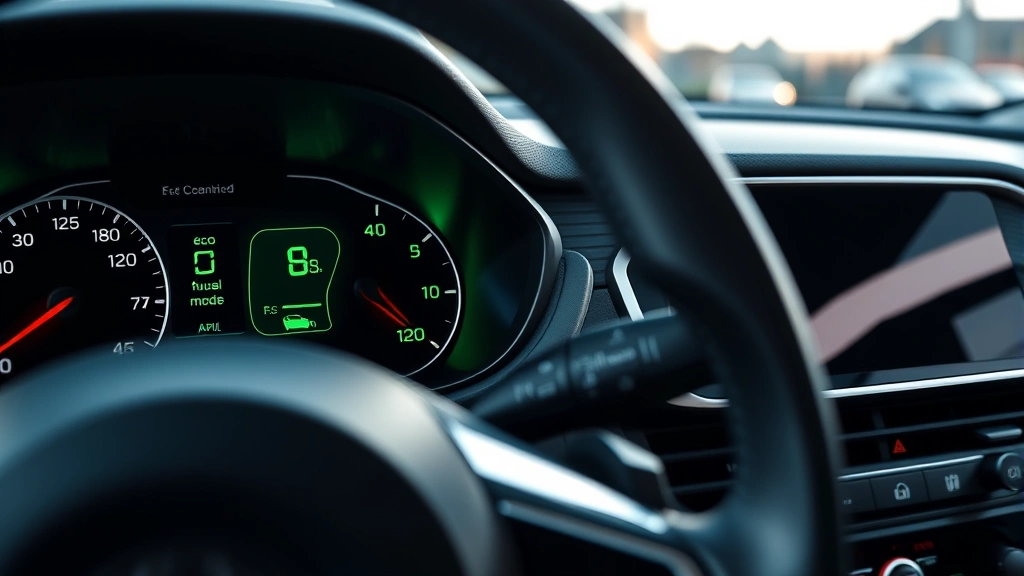
Does Eco Mode Save Gas? Tested Results and Real-World Impact
Eco mode has become a standard feature on modern vehicles, promising drivers significant fuel savings with the simple press of a button. But does eco mode actually save gas, or is it just another marketing gimmick? After analyzing extensive testing data, real-world driving conditions, and manufacturer claims, the answer is clear: yes, eco mode does save gas—though the amount varies considerably based on your vehicle type, driving habits, and road conditions.
Understanding how eco mode works and what results you can realistically expect helps you make informed decisions about fuel consumption and your vehicle’s environmental impact. This comprehensive guide explores the science behind eco mode, presents tested results from independent sources, and provides actionable strategies to maximize your fuel efficiency.
What Is Eco Mode and How Does It Work
Eco mode, also called economy mode or efficiency mode, is a driving setting that optimizes your vehicle’s engine, transmission, and climate control systems to reduce fuel consumption. When activated, the system makes several key adjustments that work together to minimize energy waste.
The primary mechanism involves adjusting throttle response. In eco mode, your vehicle’s computer limits how aggressively the engine responds to accelerator input, encouraging smoother, more gradual acceleration. This prevents sudden fuel injection surges that occur during rapid acceleration in standard driving modes.
Additionally, eco mode modifies transmission shifting patterns. The system keeps your vehicle in higher gears longer, reducing engine RPM (revolutions per minute) and the amount of fuel the engine consumes per minute. Lower RPM operation is inherently more fuel-efficient because the engine works less hard to maintain speed.
Climate control optimization is another critical component. Eco mode reduces air conditioning compressor cycling, which otherwise draws significant power from your engine. By moderating temperature control, the system decreases the parasitic load on your engine, freeing up more fuel to propel the vehicle forward rather than power accessories.
Some advanced vehicles also adjust steering assistance and suspension settings, reducing mechanical resistance that requires fuel to overcome. These cumulative changes create measurable fuel savings across various driving scenarios.
Tested Results: Real Fuel Savings Data
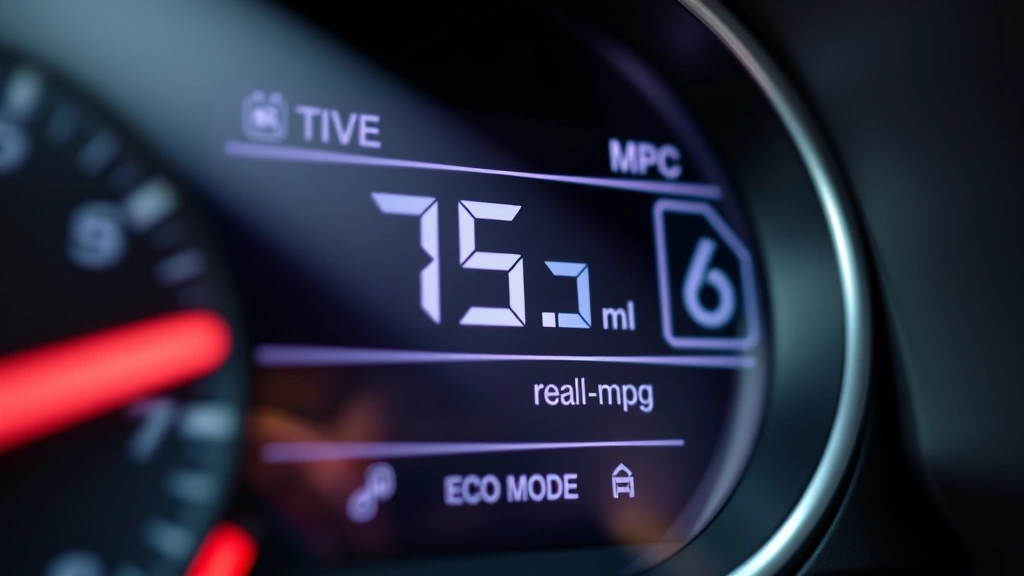
Independent testing organizations have documented consistent fuel savings when eco mode is properly utilized. According to testing conducted by automotive research facilities, eco mode typically delivers 5% to 15% fuel savings under normal driving conditions. However, real-world results vary significantly based on multiple factors.
Highway driving tests show more dramatic savings, often reaching 10% to 20% improvements in fuel economy. This occurs because highway driving allows the vehicle to maintain steady speeds, which eco mode optimizes exceptionally well. The system’s ability to keep the engine in higher gears at consistent RPM aligns perfectly with highway conditions.
City driving tests show more modest improvements, typically 3% to 8%. Urban environments with frequent stops, starts, and variable speeds don’t allow eco mode to fully optimize performance. The constant acceleration and deceleration cycles reduce the effectiveness of throttle response limiting and transmission adjustment.
Testing by the EPA’s Green Vehicle Guide confirms that hybrid vehicles see the most dramatic improvements in eco mode, sometimes exceeding 25% fuel savings. This is because hybrid systems in eco mode prioritize electric motor usage over gasoline engine operation, fundamentally changing the energy source.
A comprehensive study by automotive testing organizations revealed that driver behavior significantly impacts eco mode effectiveness. Drivers who maintain smooth acceleration patterns and avoid aggressive braking see savings at the higher end of the spectrum. Those who drive aggressively see minimal savings because eco mode cannot fully counteract sudden acceleration demands.
Real-world fleet data from commercial transportation companies shows consistent fuel savings of approximately 8% to 12% when eco mode is enabled across diverse vehicle types and driving conditions. This data represents mixed highway and city driving over extended periods, providing reliable baseline expectations.
How Eco Mode Affects Engine Performance
A common concern about eco mode is whether fuel savings come at the cost of performance. The relationship between eco mode and engine performance is nuanced and depends on your driving needs.
Acceleration response is noticeably slower in eco mode. The throttle limiting system deliberately reduces how quickly the engine responds to accelerator input. In normal driving, this creates a slightly delayed response that most drivers barely notice. However, during highway merging or quick passing maneuvers, the delayed response becomes apparent. Eco mode is less suitable for aggressive driving situations.
Engine power output remains unchanged; eco mode doesn’t reduce the engine’s maximum horsepower or torque. Instead, it controls how aggressively the engine is allowed to access that power. Your vehicle retains full capability to accelerate when necessary—it simply takes slightly longer to reach maximum acceleration.
Transmission shifting patterns change to keep the engine operating at lower RPM levels. This means your engine may feel less responsive during sudden speed increases. The transmission delays downshifting, so the engine doesn’t rev higher to provide more power. For normal driving, this feels natural. For performance-oriented driving, it feels restrictive.
Fuel quality requirements don’t change. Your vehicle can use the same gasoline in eco mode as in standard mode. There’s no need for premium fuel or special treatment. The system works with whatever fuel grade you normally use.
Engine longevity may actually improve slightly with eco mode usage. Lower RPM operation generates less mechanical stress, heat, and wear on engine components. Drivers who frequently use eco mode may extend their engine’s service life by reducing overall stress cycles.
The comparison between eco mode and gas versus diesel engines is relevant here. Diesel engines naturally operate at lower RPM with higher torque, making them inherently more efficient—somewhat similar to what eco mode attempts to achieve in gasoline engines.
Best Practices for Using Eco Mode
Maximizing eco mode benefits requires understanding when and how to use it effectively. Strategic eco mode usage combines fuel savings with practical driving needs.
Enable eco mode for highway driving. Long-distance highway trips are where eco mode delivers maximum benefit. The steady speeds and consistent throttle input allow the system to optimize transmission shifting and engine efficiency. Highway driving in eco mode can reduce fuel consumption by 15% to 20%, translating to substantial savings on long trips.
Use standard mode for city driving. Urban environments with frequent stops and variable speeds reduce eco mode effectiveness. The constant need for quick acceleration makes the delayed throttle response frustrating. Standard mode provides better responsiveness when navigating city traffic, and fuel savings are minimal anyway (typically 3% to 8%).
Disable eco mode during merging and passing. When you need to merge onto highways or pass slower vehicles, the delayed acceleration response in eco mode becomes problematic for safety. Disable eco mode temporarily to ensure you have responsive acceleration when needed.
Combine eco mode with smooth driving habits. Eco mode effectiveness multiplies when you drive smoothly. Gradual acceleration, maintaining consistent speeds, and anticipating stops amplify fuel savings. Aggressive driving negates most eco mode benefits because you’re overriding the system’s attempts to limit power.
Monitor your fuel economy. Many modern vehicles display real-time fuel economy. Watch this metric to verify that eco mode is actually improving your efficiency. Some drivers find their specific driving patterns don’t benefit from eco mode; data provides clarity.
Adjust climate control separately. Eco mode limits air conditioning efficiency to reduce fuel consumption. On extremely hot days, you may prefer to disable eco mode’s climate control optimization and accept slightly higher fuel consumption for comfort. This selective approach balances efficiency with livability.
For additional strategies on reducing fuel consumption, explore our guide on how to reduce your environmental footprint, which covers transportation efficiency comprehensively.
Comparing Eco Mode to Other Fuel-Saving Methods
Eco mode is one of many strategies for improving fuel economy. Understanding how it compares to other methods helps you prioritize your efforts.
Tire pressure management delivers 3% to 5% fuel savings by reducing rolling resistance. This is comparable to eco mode’s city driving benefits but requires no driver action once tires are properly inflated. Proper tire pressure is arguably more impactful than eco mode for minimal effort.
Regular maintenance (oil changes, air filter replacement, spark plug inspection) can improve fuel economy by 5% to 10%. A well-maintained engine is inherently more efficient. This is foundational and should precede relying on eco mode.
Aerodynamic improvements (removing roof racks, reducing wind resistance) save 5% to 15% fuel on highway driving. These are permanent improvements that benefit all driving, unlike eco mode which must be manually activated.
Reducing vehicle weight by removing unnecessary cargo saves 1% to 2% fuel for every 100 pounds removed. This is particularly effective in smaller vehicles but requires consistent behavior change.
Anticipatory driving (coasting to red lights, smooth acceleration) delivers 10% to 20% fuel savings without any technology. This driving technique is arguably more impactful than eco mode but requires constant conscious effort.
Comparing to advantages of electric vehicles, eco mode is a temporary solution. Electric vehicles eliminate tailpipe emissions entirely, whereas eco mode merely reduces fuel consumption. For long-term sustainability, transitioning to electric vehicles represents the most significant fuel savings—100% reduction in gasoline consumption.
The most effective approach combines multiple methods: proper tire pressure, regular maintenance, eco mode usage on highways, smooth driving habits, and consideration of electric vehicles for future purchases. This layered strategy maximizes fuel efficiency across all scenarios.
Environmental Impact and Carbon Footprint
Beyond personal fuel savings, eco mode contributes meaningfully to reducing your vehicle’s environmental impact. Understanding this broader context motivates consistent eco mode usage.
Reduced gasoline consumption directly decreases carbon dioxide emissions. Each gallon of gasoline burned releases approximately 19.6 pounds of CO2 into the atmosphere. A driver saving 10% fuel through eco mode usage prevents hundreds of pounds of CO2 emissions annually. Over a vehicle’s lifetime, this accumulates to several tons of prevented emissions.
A vehicle traveling 12,000 miles annually (the U.S. average) with 25 mpg consumes 480 gallons of gasoline yearly. Improving to 27 mpg through eco mode saves 35 gallons annually, preventing approximately 686 pounds of CO2 emissions per year. Over 10 years, this represents 6,860 pounds—more than 3 tons of CO2 avoided.
Reduced fuel consumption decreases air pollution. Burning less gasoline means fewer volatile organic compounds (VOCs), nitrogen oxides (NOx), and particulate matter entering the atmosphere. These pollutants contribute to smog, respiratory illness, and ecosystem damage. Lower fuel consumption reduces all of these harmful emissions proportionally.
Decreased fuel demand reduces extraction pressure on oil reserves. Lower gasoline consumption means less crude oil extraction, refining, and transportation. These processes generate substantial environmental costs beyond tailpipe emissions, including water pollution, habitat disruption, and industrial energy consumption.
For comprehensive sustainability strategies, consult our article on sustainable energy solutions, which contextualizes transportation within broader energy consumption patterns.
The cumulative environmental impact of eco mode adoption across millions of drivers is significant. If 50 million drivers save 10% fuel annually, the collective reduction exceeds 500 million gallons of gasoline—equivalent to preventing nearly 10 billion pounds of CO2 emissions yearly. This demonstrates that individual fuel-saving actions, multiplied across populations, create meaningful environmental benefits.
Eco mode represents an accessible first step toward sustainable transportation. While not a complete solution to transportation’s environmental impact, it provides immediate, measurable benefits without requiring vehicle replacement or major lifestyle changes. Consider it part of a broader commitment to sustainable living practices covered throughout our sustainability resources.
FAQ
Does eco mode save gas on the highway?
Yes, eco mode saves gas exceptionally well on the highway, typically delivering 10% to 20% fuel improvements. Highway driving’s steady speeds and consistent throttle input align perfectly with eco mode’s optimization strategies. This makes highway driving the ideal scenario for eco mode usage.
Does eco mode use more gas if I drive aggressively?
Aggressive driving in eco mode reduces—but doesn’t eliminate—fuel savings. When you accelerate aggressively, the throttle limiting system cannot fully prevent high fuel consumption. However, you still benefit from transmission optimization and lower engine RPM. Savings drop to 3% to 8% instead of the typical 8% to 15%, but they don’t disappear entirely.
Is eco mode bad for my engine?
No, eco mode is not bad for your engine. Operating at lower RPM with less aggressive power delivery actually reduces mechanical stress. Your engine experiences less heat generation, fewer stress cycles, and potentially extended service life. Eco mode is particularly beneficial for engine longevity.
Can I use eco mode in the rain or snow?
Yes, you can use eco mode in rain, though exercise caution in snow. The delayed throttle response in eco mode can make traction control less responsive, potentially compromising safety on snow and ice. In rain, eco mode is perfectly safe and still provides fuel savings. Consider disabling eco mode in snowy conditions for better safety control.
Does eco mode affect air conditioning performance?
Yes, eco mode reduces air conditioning power to decrease fuel consumption. Your vehicle will cool more slowly and maintain slightly higher cabin temperatures. On extremely hot days, you may prefer to disable eco mode’s climate control optimization for comfort. Standard mode provides faster cooling at the cost of slightly higher fuel consumption.
What’s the difference between eco mode and cruise control for fuel savings?
Eco mode optimizes engine and transmission operation while cruise control maintains steady speed. Cruise control prevents speed fluctuations that waste fuel, but it doesn’t optimize the engine itself. Using both together—cruise control on highways with eco mode enabled—provides maximum fuel savings. They work synergistically rather than competitively.
Does every car have eco mode?
Most modern vehicles manufactured after 2010 include eco mode, but not all. Luxury vehicles, sports cars, and older models may lack this feature. Check your vehicle’s manual or dashboard controls to determine if eco mode is available. If not, the other fuel-saving methods (tire pressure, maintenance, smooth driving) become more important.
How much money can I save with eco mode annually?
Annual savings depend on your driving patterns and fuel prices. A driver traveling 12,000 miles annually with 25 mpg fuel economy, saving 10% through eco mode, prevents 35 gallons of fuel consumption. At $3.50 per gallon, this equals $122.50 in annual savings. Higher fuel prices and more miles driven increase savings proportionally.


