Does Gas Freeze? The Science Behind Phase Changes and Temperature Extremes
When temperatures plummet to extreme lows, many people wonder whether gaseous substances can actually freeze. The short answer is yes—gases can freeze, but the process requires extraordinarily cold conditions that rarely occur naturally on Earth’s surface. Understanding does gas freeze involves exploring the fundamental principles of thermodynamics, phase transitions, and the behavior of matter at different temperatures. This knowledge becomes increasingly relevant as we face climate variability and develop technologies for extreme environments.
The freezing of gases represents a fascinating intersection of physics and chemistry that has practical implications for energy storage, industrial processes, and our understanding of atmospheric phenomena. Whether you’re curious about liquefied natural gas, cryogenic technology, or simply how matter behaves under extreme conditions, understanding gas freezing provides valuable insights into the physical world around us.
Understanding Gas Phase and Temperature
Gases represent one of the four fundamental states of matter, characterized by particles that move freely with significant kinetic energy. The relationship between temperature and the gaseous state is fundamental to understanding whether gases can freeze. Temperature essentially measures the average kinetic energy of particles—higher temperatures mean faster-moving particles, while lower temperatures indicate slower movement.
When we ask does gas freeze, we’re essentially asking: at what temperature do gas molecules lose enough energy that they can no longer maintain their gaseous state? The answer depends on the specific gas in question. Each gaseous substance has its own unique freezing point, determined by the strength of intermolecular forces and the mass of its molecules. Natural gas, for example, freezes at approximately -296°F (-182°C) at standard atmospheric pressure.
The transition from gas to liquid (condensation) typically occurs before freezing. Most gases must first become liquids when cooled sufficiently, and then those liquids can freeze into solids. This sequential phase transition follows the general principles of thermodynamics, where matter naturally moves toward lower energy states as temperature decreases.
The Three States of Matter
Understanding whether gases freeze requires first comprehending how the three primary states of matter differ. Solids maintain fixed shapes and volumes because their particles are tightly packed and vibrate in place. Liquids have fixed volumes but take the shape of their containers, with particles closer together than gases but still able to move. Gases have neither fixed shape nor volume, with particles spread far apart and moving rapidly.
The transitions between these states involve energy changes. When a gas cools, its particles slow down, and intermolecular forces become more significant relative to kinetic energy. Eventually, particles cluster together, forming a liquid. Further cooling causes the liquid to freeze into a solid, where molecular movement becomes restricted to vibrations around fixed positions.
This process demonstrates that does gas freeze is actually part of a broader continuum of phase changes. Nitrogen gas, for instance, condenses into liquid nitrogen at -321°F (-196°C) and would freeze into solid nitrogen at approximately -346°F (-210°C) at atmospheric pressure. Each gas has its own critical points where these transitions occur.
Freezing Point and Sublimation
The freezing point of a substance is the temperature at which it transitions from liquid to solid at standard atmospheric pressure. However, gases don’t directly freeze in most cases—they first liquefy through condensation. Some substances, however, undergo a process called sublimation, where they transition directly from gas to solid without passing through the liquid phase.
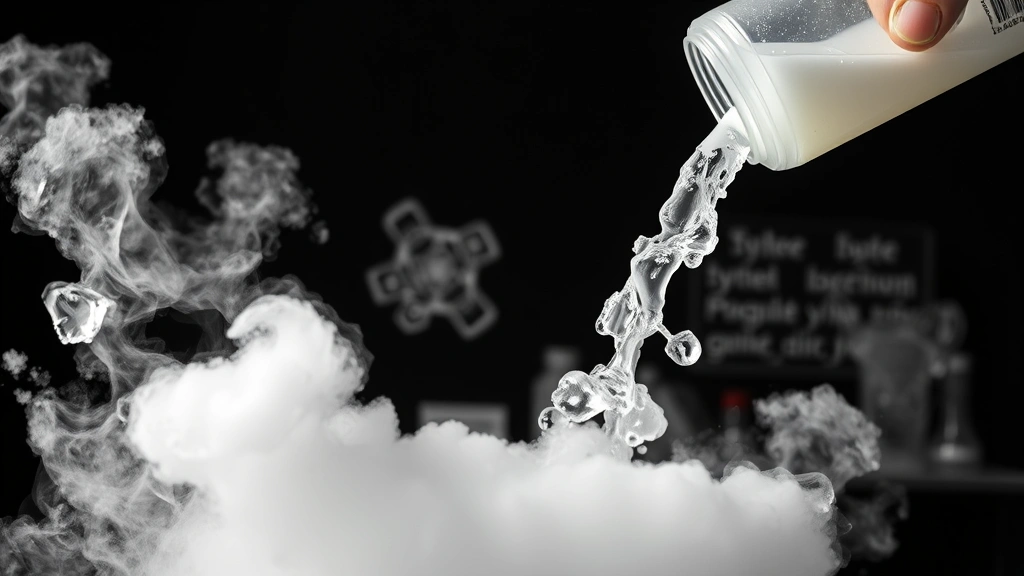
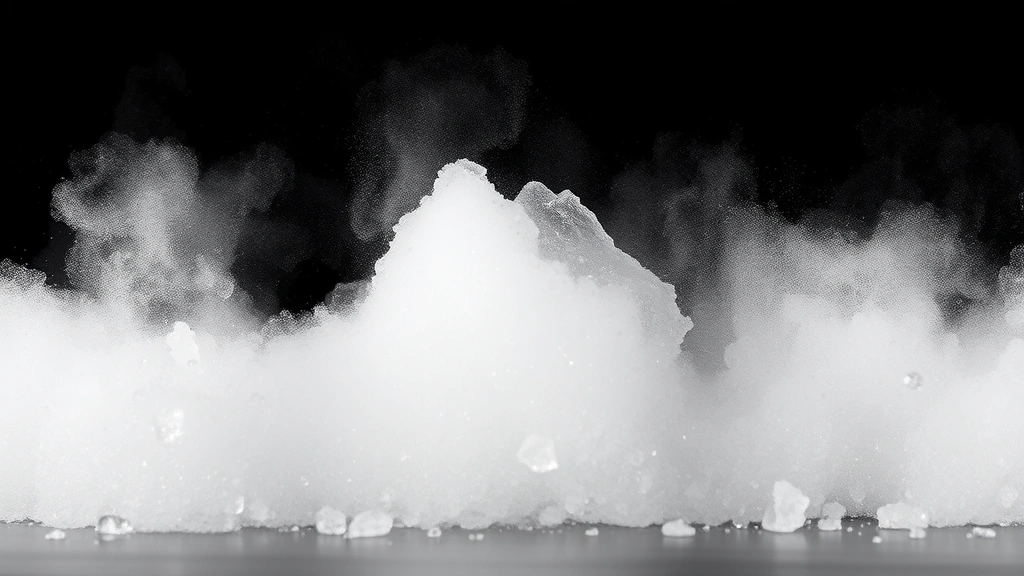
Sublimation occurs when vapor pressure of a solid equals atmospheric pressure at temperatures below the normal melting point. Dry ice (solid carbon dioxide) is a famous example of a substance that sublimates rather than melts. At standard atmospheric pressure, carbon dioxide gas freezes into dry ice at -109°F (-78°C), but this solid sublimes directly back to gas without becoming liquid under normal conditions.
Understanding sublimation helps clarify the complexity of gas freezing. Different gases behave differently under various pressure and temperature conditions. For industrial applications and sustainable energy solutions, controlling these phase transitions has become increasingly important for storing and transporting gases efficiently.
Cryogenic Temperatures Explained
Cryogenics is the branch of physics and engineering that studies the production and behavior of materials at extremely low temperatures, typically below -150°C (-238°F). These temperatures are cold enough to liquefy most gases, and sufficiently low to freeze many liquefied gases into solids. The field of cryogenics emerged from the need to work with liquefied gases in industrial and scientific applications.
Common cryogenic liquids include liquid nitrogen, liquid helium, liquid hydrogen, and liquid oxygen. Liquid nitrogen, for example, remains liquid only below -321°F (-196°C) at atmospheric pressure. At even lower temperatures, this liquid nitrogen would freeze into solid nitrogen. Liquid helium, the coldest of all cryogenic liquids, remains liquid even at -452°F (-269°C) at atmospheric pressure—just a few degrees above absolute zero.
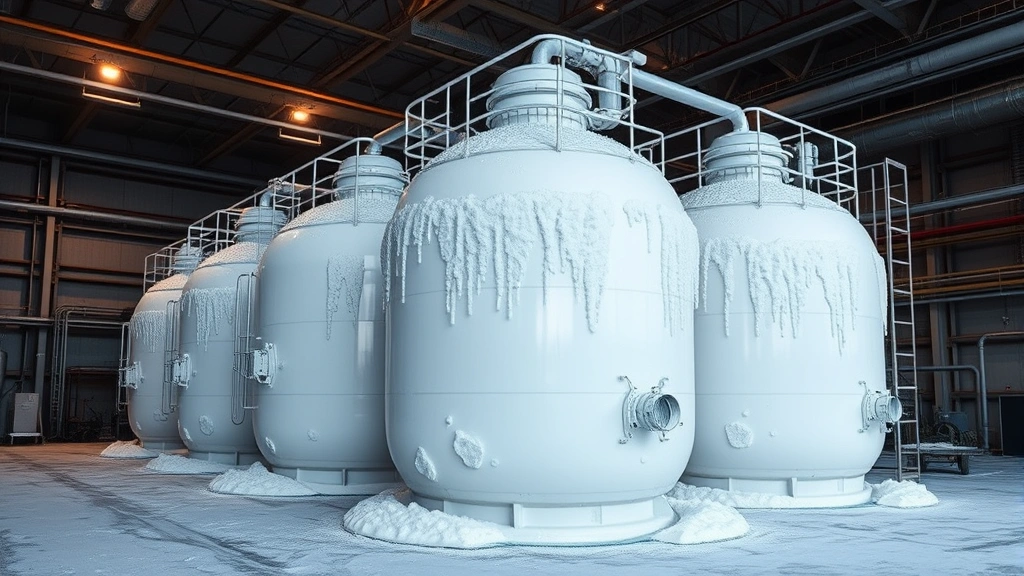
The achievement of such extreme temperatures requires specialized equipment and careful handling procedures. Industrial cryogenic systems use sophisticated insulation, pressure regulation, and cooling cycles to maintain these conditions. Understanding how gases behave at cryogenic temperatures has revolutionized fields ranging from medical imaging (MRI machines use liquid helium) to rocket propulsion systems.
When exploring whether does gas freeze, cryogenic technology provides the practical answer: yes, with the right equipment and conditions, any gas can be cooled to become liquid and then frozen into solid form. However, the temperatures required are so extreme that they rarely occur naturally on Earth.
Practical Applications of Frozen Gases
The ability to freeze gases has led to numerous practical applications that benefit modern society. Green technology innovations increasingly rely on cryogenic processes for energy storage and transportation. Liquefied natural gas (LNG) represents one of the most significant applications, where natural gas is cooled to -296°F (-182°C), converting it to liquid form for efficient transportation and storage.
In medical applications, cryogenic technology enables advanced diagnostic imaging through MRI machines, which require liquid helium to maintain superconducting magnets at near-absolute-zero temperatures. Cryogenic preservation techniques also allow biological samples, including reproductive tissues and blood products, to be stored indefinitely for medical purposes.
Industrial manufacturing benefits from frozen gases as well. Liquid nitrogen is widely used for metal treatment, food preservation, and as a coolant in various processes. Rocket propulsion systems utilize liquid hydrogen and liquid oxygen as fuel and oxidizer, demonstrating how frozen or liquefied gases power some of humanity’s most ambitious technological achievements.
The aerospace industry particularly relies on understanding gas freezing and liquefaction. Space launch vehicles require precise control of cryogenic propellants, and spacecraft systems must manage thermal conditions where external temperatures approach absolute zero. These applications underscore the practical importance of understanding whether gases can freeze and how to manage them safely.
Environmental and Energy Implications
As we work toward reducing our environmental footprint, understanding gas freezing and liquefaction becomes increasingly relevant to energy sustainability. Liquefied natural gas represents a cleaner alternative to coal in many regions, and the ability to liquefy and transport it globally has made it a cornerstone of international energy markets.
However, the cryogenic processes required to liquefy gases consume significant energy. Modern LNG facilities require substantial cooling systems and compression equipment, which typically rely on fossil fuel energy sources. This creates an important consideration: while LNG may burn cleaner than coal, the energy cost of liquefying and transporting it must be factored into its overall environmental impact.
Climate change introduces additional complexities regarding gas freezing. As atmospheric conditions change, the behavior of gases in the upper atmosphere may shift. Understanding how temperature variations affect gas phase transitions becomes crucial for atmospheric science and climate modeling. Additionally, cryogenic technology plays roles in carbon capture and storage research, where cooling can facilitate the collection and liquefaction of carbon dioxide for long-term storage.
The relationship between does gas freeze and environmental sustainability extends to refrigeration and cooling technologies. Many modern refrigeration systems use gases that, when compressed and expanded, undergo phase changes. Developing environmentally-friendly refrigerants that minimize ozone depletion and greenhouse gas emissions remains an active area of research and innovation.
Future Technologies Using Cryogenics
Emerging technologies promise exciting applications of gas freezing and cryogenic processes. Hydrogen fuel cells represent a frontier where cryogenic technology could play a crucial role. Liquid hydrogen offers high energy density by mass, making it attractive for future transportation systems. However, storing and safely handling liquid hydrogen at -423°F (-252°C) presents significant technical challenges that researchers are actively addressing.
Advanced battery technologies and energy storage systems increasingly incorporate cryogenic cooling to improve performance and safety. Some experimental superconducting energy storage systems use cryogenic temperatures to achieve near-perfect efficiency in storing and retrieving electrical energy. If commercialized successfully, such systems could revolutionize grid-scale energy storage and support the integration of renewable energy sources.
Carbon capture and utilization technologies represent another frontier where understanding gas freezing becomes critical. Researchers are developing processes to capture carbon dioxide from the atmosphere or industrial sources, cool it to liquid or solid form, and either store it permanently or convert it into useful products. These technologies could play an important role in climate change mitigation strategies.
Space exploration continues to drive innovation in cryogenic technology. Future missions to the Moon and Mars will require advanced systems for storing and managing cryogenic propellants in extreme extraterrestrial environments. Additionally, the emerging field of quantum computing relies heavily on cryogenic cooling to maintain the ultra-low temperatures required for quantum processors to function.
Understanding whether does gas freeze and how to manipulate gas phase transitions will remain central to developing these next-generation technologies. As we transition toward more sustainable energy systems and explore new frontiers in science and engineering, cryogenic processes will likely become even more important to achieving our technological and environmental goals.
FAQ
At what temperature does natural gas freeze?
Natural gas freezes at approximately -296°F (-182°C) at standard atmospheric pressure. However, it first condenses into liquid natural gas (LNG) at this temperature. The exact freezing point can vary slightly depending on the specific composition of the natural gas mixture and pressure conditions.
Can regular air freeze?
Yes, regular air can freeze, but only at extremely low temperatures. Nitrogen, which comprises about 78% of air, freezes at -346°F (-210°C), while oxygen, which comprises about 21% of air, freezes at -361°F (-218°C). These temperatures are far below anything occurring naturally in Earth’s atmosphere.
What’s the difference between freezing and sublimation?
Freezing occurs when a liquid transitions to a solid as temperature decreases. Sublimation is when a gas transitions directly to a solid without becoming liquid first. Dry ice undergoes sublimation rather than melting because carbon dioxide doesn’t exist as a liquid under normal atmospheric pressure.
Why is liquid nitrogen used in laboratories?
Liquid nitrogen is used in laboratories because it provides an accessible and safe way to achieve extremely low temperatures (-321°F or -196°C). It’s used for preserving biological samples, flash-freezing specimens, cooling equipment, and conducting experiments that require cryogenic conditions without the complexity of managing helium systems.
Is frozen gas the same as dry ice?
Frozen gas and dry ice are related but not identical concepts. Dry ice is specifically solid carbon dioxide, which sublimates rather than melts. Other gases can be frozen into solids (like solid nitrogen or solid oxygen), but these behave differently than dry ice. Dry ice is notable because it transitions directly from solid to gas without becoming liquid.
How does pressure affect whether gas freezes?
Pressure significantly affects the freezing point of gases. Higher pressure generally increases the temperature at which a gas condenses and freezes. For example, carbon dioxide remains liquid at room temperature under sufficient pressure, but freezes into dry ice at much lower temperatures under standard atmospheric pressure. This principle is crucial in industrial applications like LNG production.
Can gases freeze in Earth’s atmosphere?
Natural gas and most common gases cannot freeze in Earth’s atmosphere because atmospheric temperatures never reach the extreme lows required. Even in the coldest regions of the upper atmosphere and polar regions, temperatures remain far above the freezing points of most gases. However, some trace atmospheric components can freeze in the coldest regions of the stratosphere.


