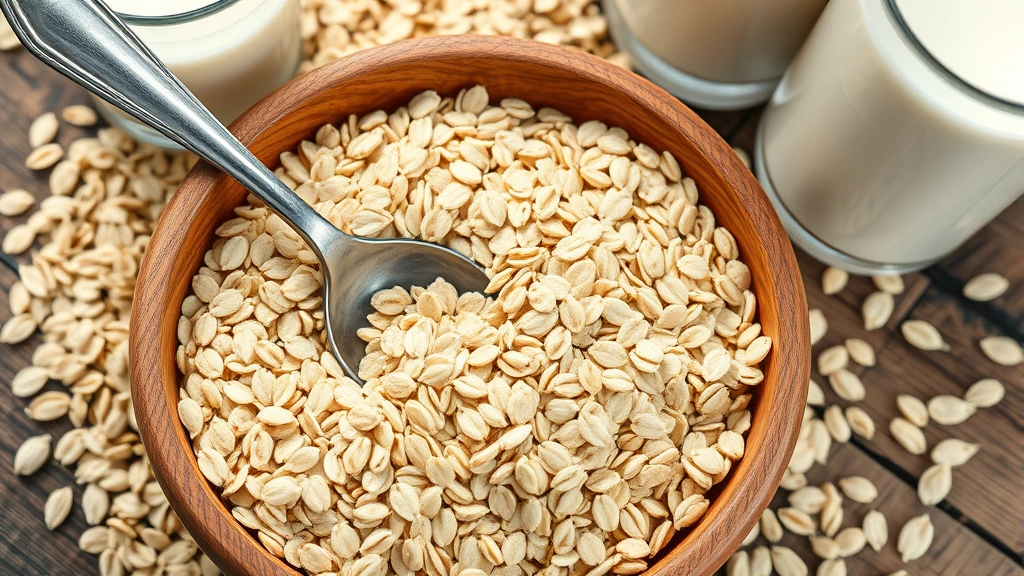
Does Oatmeal Cause Gas? Dietitian Insights on Digestive Health and Sustainable Eating
Oatmeal is widely celebrated as a nutritious breakfast staple, packed with fiber, vitamins, and minerals that support heart health and sustained energy throughout the day. However, many people report experiencing bloating, gas, and digestive discomfort after consuming oatmeal, leading to a common question: does oatmeal cause gas? The answer is nuanced and depends on several factors including individual digestive capacity, preparation methods, and consumption habits. Understanding why oatmeal might trigger gas symptoms can help you enjoy this wholesome grain while maintaining digestive comfort and supporting your overall wellness goals.
As a registered dietitian, I’ve counseled countless clients who experience gastrointestinal distress from oatmeal despite its reputation as a healthy food. The truth is that oatmeal doesn’t universally cause gas—rather, individual responses vary significantly based on digestive health, fiber tolerance, and how the oatmeal is prepared and consumed. By exploring the science behind oatmeal digestion and implementing practical strategies, you can determine whether oatmeal works for your body and how to optimize your intake for both digestive comfort and nutritional benefit.

Why Oatmeal May Cause Gas and Bloating
The primary reason oatmeal causes gas in some individuals relates to its high soluble fiber content and the presence of complex carbohydrates that require significant digestive effort. When you consume oatmeal, particularly if your digestive system isn’t accustomed to high-fiber foods, your gut bacteria ferment these compounds, producing gas as a byproduct. This fermentation process is completely natural and occurs in everyone’s digestive tract, but the volume of gas and individual sensitivity determine whether you experience noticeable symptoms.
Oatmeal contains approximately 8 grams of fiber per cooked cup, making it an exceptionally fiber-rich food. While this fiber content is beneficial for digestive health and overall wellness, introducing large amounts too quickly can overwhelm a system that hasn’t been conditioned to process such quantities. The soluble fiber in oats, particularly beta-glucans, dissolves in water and creates a viscous substance in your digestive tract. This substance slows gastric emptying—the rate at which food moves from your stomach into your small intestine—which can lead to feelings of fullness, bloating, and increased gas production.
Additionally, oatmeal’s resistant starch content contributes to gas formation. Resistant starch passes through your small intestine largely undigested and reaches your colon, where beneficial bacteria ferment it. While this fermentation supports a healthy microbiome, it simultaneously produces gas. The combination of soluble fiber, resistant starch, and complex carbohydrates makes oatmeal a significant substrate for bacterial fermentation, explaining why some people experience more pronounced symptoms after oatmeal consumption compared to other breakfast options.

Understanding Fiber and Digestive Response
Fiber is essential for digestive health, yet many people in developed nations consume far below recommended daily intake levels. The recommended fiber intake is 25-30 grams daily, yet the average American consumes only 15 grams. When individuals suddenly increase fiber intake by consuming oatmeal regularly, their digestive systems require an adjustment period. This is why dietitians emphasize gradual fiber introduction rather than dramatic increases.
There are two types of fiber: soluble and insoluble. Oatmeal is primarily composed of soluble fiber, which dissolves in water and forms a gel-like substance in your digestive tract. This type of fiber is excellent for cholesterol management and blood sugar regulation but requires your gut microbiome to adapt. Your gut bacteria need time to develop enzymes and adjust their populations to efficiently process increased soluble fiber. During this adaptation period, you may experience gas, bloating, and changes in bowel movements.
The fermentation of fiber by gut bacteria is actually a beneficial process. These bacteria produce short-chain fatty acids (SCFAs), particularly butyrate, which nourish your colon cells, reduce inflammation, and support immune function. However, the gas produced during fermentation—primarily hydrogen, carbon dioxide, and sometimes methane—can cause temporary discomfort. Understanding that gas production indicates healthy bacterial activity can help you reframe the experience as your microbiome strengthening rather than a sign that oatmeal is unhealthy.
The Role of Beta-Glucans in Oat Digestion
Beta-glucans are a specific type of soluble fiber unique to oats and barley, comprising 5-10% of the oat grain’s composition. These polysaccharides are responsible for many of oatmeal’s health benefits, including cholesterol reduction and improved cardiovascular health. However, beta-glucans also contribute significantly to gas production and bloating in sensitive individuals.
Beta-glucans form a viscous gel in your digestive tract, which slows digestion and increases the time these compounds spend in your colon. Extended residence time in the colon increases the opportunity for bacterial fermentation and gas production. The viscosity that makes beta-glucans beneficial for heart health simultaneously creates conditions for bloating and gas symptoms. This is why some people can tolerate other high-fiber foods better than oatmeal—the specific structure of beta-glucans creates a unique digestive challenge.
The degree to which beta-glucans affect you depends on your individual microbiome composition and digestive enzyme levels. Some people have bacterial populations well-equipped to process beta-glucans efficiently, while others’ microbiomes lack the necessary enzymes. This genetic and microbial variation explains why some people experience significant gas from oatmeal while others consume it daily without discomfort. Testing different oat preparations and consumption methods can help you determine your personal tolerance threshold.
Preparation Methods That Reduce Gas
How you prepare oatmeal significantly influences whether you experience gas and bloating. Several preparation techniques can reduce fermentable compounds and make oatmeal more digestible:
- Soaking overnight: Soaking oatmeal in liquid overnight initiates pre-digestion, breaking down some starches and fiber compounds before consumption. This process reduces the fermentation burden on your gut bacteria. Simply combine oats with milk or water, cover, and refrigerate for 8-12 hours. The longer soaking period allows enzymes to begin breaking down complex carbohydrates, reducing gas production.
- Cooking thoroughly: Extended cooking time softens oat fibers and makes them more accessible to your digestive enzymes. Cooking oatmeal for 20-30 minutes rather than the standard 5-10 minutes improves digestibility. The gelatinization of starch during prolonged cooking creates a more easily digestible food matrix.
- Using steel-cut oats: While steel-cut oats contain the same nutrients as rolled oats, their larger particle size and denser structure may be easier for some people to digest. However, they require longer cooking times. Conversely, instant oatmeal is pre-cooked and further processed, making it easier to digest but potentially less satisfying.
- Adding digestive enzymes: Incorporating ginger, turmeric, or fennel seeds while cooking oatmeal can enhance digestive function. These spices contain compounds that stimulate digestive secretions and reduce fermentation. Ginger particularly helps with gastric motility and gas reduction.
- Blending with water: Creating oatmeal smoothies by blending cooked oats with liquid creates a pre-digested consistency that requires less digestive effort. This preparation method reduces the mechanical workload on your digestive system.
Gradual Introduction and Tolerance Building
The most effective strategy for incorporating oatmeal without experiencing excessive gas is gradual introduction combined with consistent consumption. Your gut microbiome adapts to dietary changes over 2-4 weeks of consistent exposure. Starting with small portions—perhaps 1/4 cup of cooked oatmeal—and increasing by 1/4 cup weekly allows your digestive system to adapt without overwhelming it.
When you consume the same food regularly, your gut bacteria develop specialized enzymes and increase their populations to efficiently process that food. This adaptation process is why people who eat oatmeal daily often experience no gas, while those who eat it sporadically may have symptoms each time. Consistency is key to building tolerance. Aim to consume oatmeal at least 3-4 times weekly if you want to enjoy it regularly without digestive distress.
Additionally, pairing oatmeal with other foods affects its digestibility. Consuming oatmeal with protein sources like Greek yogurt, nuts, or eggs slows gastric emptying and distributes the fiber intake over a longer digestive period. This spreading of fermentation reduces the concentration of gas production at any given time. Fat from nuts, seeds, or nut butters also enhances satiety and may reduce overall digestive distress.
Individual Factors Affecting Oatmeal Tolerance
Several individual characteristics determine whether oatmeal causes gas and how severe symptoms might be:
Microbiome composition: Your unique bacterial population reflects your lifetime dietary history, antibiotic use, and health status. Some microbiomes contain abundant bacteria with enzymes for processing beta-glucans and resistant starch, while others lack these specialized bacteria. A diverse microbiome with varied bacterial species adapts more readily to new foods.
Digestive enzyme production: Your pancreas and small intestine produce various enzymes that break down carbohydrates, proteins, and fats. Individual enzyme production levels vary genetically. Some people produce abundant amylase for starch digestion, while others produce less, making oatmeal harder to digest. This is why some people naturally tolerate oatmeal better than others.
Gastric motility: The strength and coordination of your stomach and intestinal muscle contractions affect how quickly food moves through your digestive system. People with slower gastric motility experience more bloating and gas because food remains in their digestive tract longer, providing more time for fermentation. Conversely, faster motility may reduce gas symptoms.
Stress and nervous system state: Your parasympathetic nervous system (rest-and-digest mode) regulates digestive function. When stressed or in sympathetic (fight-or-flight) activation, digestive secretions decrease and motility becomes irregular, exacerbating bloating and gas. Consuming oatmeal in a calm state optimizes digestive function.
Underlying digestive conditions: Individuals with irritable bowel syndrome (IBS), inflammatory bowel disease (IBD), small intestinal bacterial overgrowth (SIBO), or other digestive disorders may experience more pronounced symptoms from oatmeal. These conditions affect how your gut processes fiber and manages gas.
Sustainable Oatmeal Choices for Health and Environment
Beyond digestive considerations, choosing sustainable oatmeal options supports both personal health and environmental wellbeing. Oatmeal is generally a sustainable grain crop compared to other breakfast staples, but certain choices optimize your environmental impact. When selecting oatmeal, consider purchasing certified organic options to reduce your environmental footprint and minimize pesticide exposure.
Organic oat farming practices avoid synthetic pesticides and fertilizers, supporting soil health and biodiversity. Additionally, sourcing oatmeal from local or regional producers reduces transportation emissions. Many regions now grow oats sustainably, making locally-sourced options increasingly available. Buying in bulk reduces packaging waste, another significant environmental consideration. Bringing reusable containers to bulk bins or purchasing large quantities in recyclable paper bags minimizes your packaging footprint.
Fair-trade certified oatmeal ensures that farmers receive equitable compensation and work under safe conditions. Supporting fair-trade products contributes to global sustainability and worker wellbeing. When possible, choose whole grain oats over processed instant varieties, as they require less processing energy and maintain more nutritional integrity. This choice supports both personal digestive health—whole grains often cause less gas than highly processed versions—and environmental sustainability.
The oat industry’s environmental impact depends on agricultural practices. Oats typically require fewer chemical inputs than conventional wheat or corn, making them a relatively sustainable grain choice. However, choosing organic oats further reduces chemical runoff and supports regenerative agricultural practices that improve soil carbon sequestration. By prioritizing sustainable oatmeal sources, you align your breakfast choice with broader environmental responsibility.
Practical Tips for Gas-Free Oatmeal Enjoyment
Implementing these evidence-based strategies can help you enjoy oatmeal without experiencing excessive gas and bloating:
- Start small and progress gradually: Begin with 1/4 cup of cooked oatmeal and increase by 1/4 cup weekly, allowing your digestive system to adapt.
- Soak overnight: Prepare overnight oats by combining oats with milk or plant-based alternatives and refrigerating overnight. This pre-digests some starches and reduces fermentation.
- Cook thoroughly: Simmer oatmeal for 20-30 minutes rather than quick preparation methods, allowing fiber to become more digestible.
- Add digestive spices: Include ginger, turmeric, fennel, or cardamom while cooking to enhance digestive enzyme production and reduce gas.
- Pair with protein and fat: Combine oatmeal with Greek yogurt, nuts, seeds, or nut butter to slow gastric emptying and distribute fiber intake.
- Consume consistently: Eat oatmeal 3-4 times weekly to allow your microbiome to adapt and develop enzymes for efficient processing.
- Stay hydrated: Drink adequate water throughout the day, as fiber requires water for proper digestion and gas reduction.
- Eat mindfully: Consume oatmeal in a calm state, chew thoroughly, and avoid rushing, as stress impairs digestive function.
- Monitor individual response: Keep a food journal noting oatmeal consumption and digestive symptoms to identify your personal tolerance patterns.
- Consider alternatives if necessary: If oatmeal consistently causes severe symptoms despite these strategies, explore other whole grains like quinoa, millet, or rice that may be better tolerated.
Remember that some gas production is normal and indicates healthy bacterial activity in your colon. Mild bloating that resolves within a few hours differs significantly from severe, persistent symptoms. If oatmeal causes significant distress that doesn’t improve with these strategies, consult a registered dietitian or gastroenterologist to rule out underlying digestive conditions.
FAQ
Does everyone experience gas from oatmeal?
No. Individual responses to oatmeal vary significantly based on microbiome composition, digestive enzyme levels, and overall digestive health. Many people consume oatmeal daily without any gas or bloating. If you don’t experience symptoms, oatmeal is an excellent nutritional choice.
How long does oatmeal-related gas typically last?
Gas and bloating from oatmeal usually peak 2-4 hours after consumption and resolve within 6-8 hours as your digestive system processes the food. If symptoms persist longer, it may indicate a more significant digestive issue requiring professional evaluation.
Is oatmeal safe for people with IBS?
Oatmeal can be tolerated by many IBS sufferers, particularly those with IBS-C (constipation-predominant), as fiber helps regulate bowel movements. However, those with IBS-D (diarrhea-predominant) may experience worsening symptoms. Individual tolerance varies, so working with a dietitian familiar with IBS is recommended.
Can I reduce gas by using instant oatmeal instead of rolled oats?
Instant oatmeal is pre-cooked and more processed, potentially causing less gas in some individuals. However, it may contain added sugars and has less nutritional integrity. If instant oatmeal reduces your symptoms, it’s a viable option, but whole grain varieties offer superior nutritional benefits.
What’s the difference between oatmeal and oat bran?
Oat bran is the outer layer of the oat grain and contains more fiber than whole oatmeal. While oat bran offers concentrated fiber benefits, it may cause more gas due to higher fermentable content. Whole oatmeal provides a better balance of nutrients and digestibility for most people.
Should I avoid oatmeal if it causes gas?
Not necessarily. Implementing the strategies outlined in this article—gradual introduction, proper preparation, and consistent consumption—often resolves gas symptoms. Only eliminate oatmeal if symptoms persist despite these interventions or if you have diagnosed conditions like SIBO that require specific dietary management.
Can I improve oatmeal tolerance by taking probiotics?
Probiotics may support microbiome health and improve overall digestive function, potentially enhancing oatmeal tolerance over time. However, research on probiotics remains mixed, and individual responses vary. Focus first on consistent oatmeal consumption and proper preparation, then consider probiotics if needed.
Is soaking oatmeal really necessary?
Soaking isn’t necessary for everyone, but it significantly benefits those experiencing gas. The soaking process activates enzymes and breaks down some phytic acid and starches, making oatmeal more digestible. If you experience gas, soaking is worth trying.
How does choosing sustainable fuel options relate to oatmeal consumption?
While these topics seem unrelated, both reflect conscious choices about reducing environmental impact. Selecting sustainable oatmeal and making environmentally-conscious decisions across your lifestyle—including transportation and energy use—contributes to overall sustainability goals.
What role does sustainable energy play in oatmeal production?
Oatmeal processing facilities powered by renewable energy sources reduce the carbon footprint of your breakfast. When buying oatmeal, consider brands that prioritize sustainable energy use in manufacturing, further aligning your food choices with environmental responsibility.


