Does Car AC Use Gas? A Mechanic Explains the Truth About Fuel Consumption
When temperatures soar and you’re sitting in traffic, the question inevitably crosses your mind: does using the air conditioning in my car actually consume more gasoline? The short answer is yes—but understanding the mechanics behind this phenomenon helps you make informed decisions about your driving habits and fuel efficiency.
Your car’s air conditioning system is powered by the engine, which means every time you activate it, you’re drawing energy directly from the same source that propels your vehicle forward. This energy diversion results in measurable fuel consumption increases, typically ranging from 3% to 20% depending on numerous factors. For environmentally conscious drivers, understanding this relationship between comfort and consumption is essential for reducing your environmental footprint.
Whether you’re concerned about rising gas prices, your carbon emissions, or simply want to optimize your vehicle’s performance, this comprehensive guide breaks down exactly how your AC impacts fuel economy and provides actionable strategies for maintaining comfort while minimizing waste.
How Your Car’s AC System Uses Gas
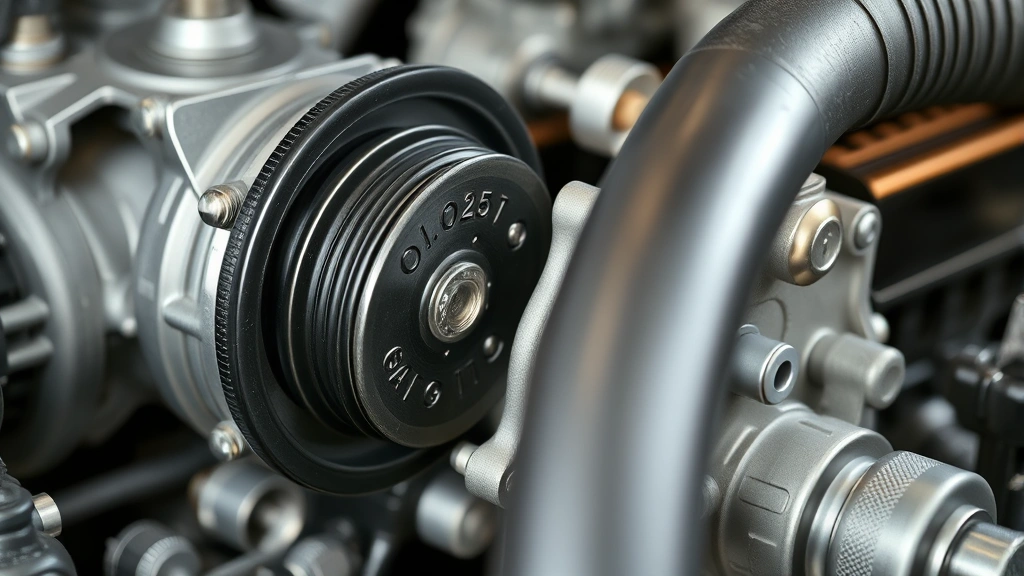
Understanding the mechanical relationship between your air conditioning and fuel consumption requires examining how the AC compressor operates within your vehicle’s engine system. Your car’s air conditioning is not electrically powered like household units; instead, it relies on a belt-driven compressor connected directly to your engine’s crankshaft.
When you engage the AC, the compressor clutch activates and begins drawing power from the engine. This mechanical load increases the workload your engine must handle, requiring more fuel to maintain the same speed and performance. Think of it as adding resistance to your engine—similar to climbing a hill, your vehicle needs additional power (and therefore more fuel) to operate the AC system while maintaining acceleration and speed.
The AC compressor pressurizes refrigerant to cool air that circulates through your cabin. This continuous pressurization and circulation process demands consistent mechanical energy throughout your drive. Unlike modern electric compressors in some hybrid vehicles, traditional AC systems cannot operate independently from your engine’s combustion cycle.
The refrigerant cycle involves four primary components: the compressor, condenser, expansion valve, and evaporator. Each component requires energy to function, and that energy ultimately comes from burning gasoline. The more your AC runs, the more your compressor engages, and the more fuel your engine consumes.
Fuel Consumption Impact: By the Numbers
Research from the Environmental Protection Agency (EPA) and independent automotive studies reveals concrete data about AC impact on fuel economy. On average, running your car’s air conditioning reduces fuel efficiency by approximately 5-15% under normal driving conditions, though this percentage can increase significantly in extreme heat or stop-and-go traffic.
For practical context, consider a vehicle that typically achieves 30 miles per gallon (MPG) on the highway. With the AC running continuously, that same vehicle might experience a reduction to 25-28 MPG. Over a 300-mile road trip, this difference translates to consuming an additional gallon or more of gasoline—and the associated increase in carbon emissions.
City driving amplifies this effect. In urban environments with frequent acceleration and deceleration, AC usage can reduce fuel economy by up to 20%. This occurs because your engine must work harder during acceleration while simultaneously powering the AC compressor, creating a compounding efficiency loss.
The impact also varies by vehicle type. Smaller, more fuel-efficient cars experience larger percentage losses (proportionally) than larger vehicles, though larger vehicles consume more total fuel regardless. A compact sedan using AC might drop from 35 MPG to 30 MPG, while an SUV might drop from 22 MPG to 18 MPG—the SUV consumes more fuel overall, but the sedan experiences a similar percentage efficiency reduction.
Annual fuel waste from unnecessary AC usage can cost drivers hundreds of dollars. For someone driving 15,000 miles yearly with frequent AC use, the additional fuel consumption might amount to 500-1,000 extra gallons annually, depending on driving patterns and climate.
Factors That Affect AC Fuel Consumption
Multiple variables influence exactly how much additional fuel your AC consumes. Understanding these factors empowers you to predict and minimize the impact:
- Ambient temperature: AC systems work harder in extreme heat, consuming more fuel. A 95°F day requires significantly more compressor work than 75°F
- Driving conditions: Highway driving shows smaller AC impact (3-5% increase) compared to city driving (10-20% increase) because highway driving maintains consistent speeds
- AC settings: Maximum cold settings demand more compressor engagement than moderate cooling, directly increasing fuel consumption
- Vehicle age and maintenance: Older vehicles with degraded AC systems work inefficiently, consuming excess fuel. Regular maintenance keeps systems operating at peak efficiency
- Vehicle type and weight: Heavier vehicles and those with less aerodynamic designs experience larger absolute fuel consumption increases
- Engine size: Smaller engines feel more AC impact proportionally, while larger engines distribute the load more easily
- AC system condition: Low refrigerant levels force compressors to work harder, increasing fuel consumption beyond normal levels
- Driving speed: AC impact increases at lower speeds because the engine must work harder relative to the distance traveled
These factors interact in complex ways. A small car driving through desert heat during city commuting experiences maximum AC fuel penalty, while a larger vehicle on a cool highway experiences minimal impact.

AC vs. Open Windows: Which Uses More Gas?
A persistent automotive myth suggests that opening windows instead of using AC always saves fuel. The reality is more nuanced and depends on driving speed.
At highway speeds (above 55 mph), open windows create significant aerodynamic drag, actually increasing fuel consumption by 5-10% due to wind resistance. In this scenario, using AC is more fuel-efficient than rolling down windows. Your vehicle must work harder pushing through the increased air resistance, consuming more fuel than the AC compressor requires.
During city driving and slower speeds (below 45 mph), open windows use minimal additional fuel since aerodynamic drag is negligible at low velocities. In this context, opening windows instead of using AC can reduce fuel consumption by 3-5%.
The optimal strategy combines both approaches: use AC on highways and open windows during city driving. This adaptive approach maximizes fuel efficiency across varying driving conditions while maintaining comfort.
Additionally, modern vehicle designs account for aerodynamics. Many contemporary cars have smooth, streamlined shapes specifically engineered to minimize drag. Opening windows disrupts these aerodynamic properties, making AC relatively more efficient in these vehicles compared to older, less aerodynamic designs.
Strategies to Reduce AC-Related Fuel Consumption
Minimizing AC-related fuel waste doesn’t require suffering through heat. Several practical strategies reduce consumption while maintaining reasonable comfort:
- Pre-cool your vehicle: Before driving, park in shade or use window shades. A pre-cooled interior requires less AC work, reducing fuel consumption throughout your journey
- Use moderate settings: Instead of maximum cold, set your thermostat to 72-75°F. This significant reduction in compressor work decreases fuel consumption by 10-15% compared to maximum cooling
- Utilize recirculation mode strategically: Recirculating cabin air reduces the compressor’s cooling load. However, use this feature sparingly, as extended recirculation can reduce air quality
- Maintain your AC system: Regular maintenance including refrigerant checks, compressor inspection, and condenser cleaning ensures optimal efficiency. A well-maintained system consumes less fuel than a degraded one
- Drive efficiently: Smooth acceleration and steady speeds reduce overall fuel consumption, minimizing the relative impact of AC usage. Check out our guide on eco mode driving benefits for comprehensive efficiency strategies
- Avoid idling with AC: Idling with AC running wastes fuel without moving your vehicle. Turn off the engine if you’ll be stationary for more than 10 seconds
- Use seat and steering wheel warmers in winter: These consume less fuel than heating the entire cabin, offering comfort with minimal efficiency loss
- Plan routes for early morning or evening: Traveling during cooler times reduces AC demand and associated fuel consumption

AC Usage and Eco Mode Driving
Many modern vehicles include eco mode, which optimizes engine performance for fuel efficiency. Understanding how AC interacts with eco mode helps you maximize savings. When you activate eco mode with AC running, your vehicle employs several strategies:
The engine management system reduces AC compressor engagement frequency, cycling it on and off more deliberately rather than running continuously. This cycling approach reduces average fuel consumption while maintaining acceptable cabin temperature. Additionally, eco mode typically limits maximum AC cooling intensity, preventing the compressor from operating at full capacity.
Eco mode also adjusts transmission behavior and throttle responsiveness, reducing overall engine load. These cumulative adjustments mean AC usage in eco mode consumes less fuel than in standard driving mode—potentially reducing the AC fuel penalty from 10% to 6-8%.
For maximum efficiency, combine eco mode with the optimization strategies mentioned above. This layered approach can reduce AC-related fuel consumption by 25-35% compared to standard driving with maximum AC cooling.
The AC Advantage in Electric Vehicles
Electric vehicles represent a paradigm shift in the AC fuel consumption equation. Unlike traditional gasoline engines, EVs use electric compressors powered by the battery system, not mechanical engine components.
In electric vehicles, AC usage reduces driving range by approximately 5-10%—significantly less impact than gasoline vehicles experience. More importantly, this efficiency loss translates to reduced electricity consumption rather than increased fossil fuel burning. For drivers considering vehicle upgrades, electric vehicles offer substantial advantages regarding AC efficiency and overall environmental impact.
Modern EVs with heat pump technology provide even greater efficiency. Heat pumps capture waste heat from the vehicle’s systems, reducing the energy required for cabin cooling. Some premium electric vehicles achieve minimal range reduction (2-3%) even with AC running continuously.
This technological advantage extends to hybrid and efficient vehicle options, which often employ more efficient cooling systems than traditional combustion engines. If reducing AC-related fuel consumption is a priority, transitioning toward electric or hybrid vehicles represents the most impactful long-term solution.
The broader sustainability context matters too. Even accounting for electricity grid composition, EV AC operation produces fewer emissions than gasoline-powered AC. As electrical grids increasingly incorporate renewable energy sources, this advantage grows. For environmentally conscious drivers, sustainable energy solutions including EV adoption represent transformative choices for reducing transportation emissions.
FAQ
Does turning off AC while driving save significant gas?
Yes, turning off AC can save 3-10% fuel depending on driving conditions. However, this savings must be weighed against comfort and safety. In extreme heat, maintaining alertness through comfortable cabin temperature may prevent accidents that cost far more in fuel and resources than AC usage.
Is it better to use AC on highways or city streets?
Use AC on highways where aerodynamic drag from open windows outweighs AC compressor load. On city streets below 45 mph, open windows become more efficient than AC. The transition speed typically occurs around 50-55 mph.
Can AC maintenance reduce fuel consumption?
Absolutely. Regular AC system maintenance including refrigerant checks, compressor inspection, and condenser cleaning can improve efficiency by 10-15%. A poorly maintained system works harder and consumes excess fuel.
How much does AC cost in fuel annually?
For average drivers using AC moderately, annual AC-related fuel costs typically range from $150-400, depending on climate, driving patterns, and vehicle efficiency. Heavy AC users in hot climates might spend $500-800 annually on AC-related fuel consumption.
Does idling with AC running waste fuel?
Yes, significantly. Idling with AC consumes fuel without producing any vehicle movement. Minimize idling and turn off engines when stationary for more than 10 seconds, AC or not.
Do newer cars have more efficient AC systems?
Generally yes. Modern vehicles incorporate more efficient compressors, better insulation, and electronic controls that optimize AC cycling. Newer cars typically show 5-10% less AC-related fuel penalty than vehicles from 10+ years ago.
Can I reduce AC fuel consumption by using recirculation mode?
Recirculation mode reduces compressor work by cooling already-cooled cabin air rather than pulling in hot outside air. This reduces fuel consumption by 5-8%, but extended use can degrade air quality. Use strategically rather than continuously.
Does AC affect electric vehicle range differently than gas vehicles?
Yes, significantly. EV AC reduces range by 5-10% compared to 10-20% fuel economy reduction in gas vehicles. Electric compressors are more efficient than belt-driven mechanical systems, and EV battery capacity provides substantial range even with AC use.
For comprehensive information about optimizing vehicle efficiency and reducing your driving-related environmental impact, explore the SustainWise Hub Blog for additional resources on sustainable transportation choices.
Understanding the relationship between air conditioning and fuel consumption empowers you to make informed decisions that balance comfort, efficiency, and environmental responsibility. Whether you’re optimizing a traditional gasoline vehicle or considering the transition to electric transportation, these insights help you minimize unnecessary fuel waste while maintaining the comfort necessary for safe, enjoyable driving experiences.


