Dominion Gas NC: Sustainable Practices? Expert Take
Dominion Energy, one of the largest energy suppliers in North Carolina, plays a significant role in the state’s energy landscape. As consumers increasingly prioritize sustainability, understanding whether Dominion Gas NC implements genuine eco-friendly practices becomes essential. This comprehensive analysis examines the company’s current sustainability initiatives, environmental commitments, and how they compare to industry standards and regulatory requirements.
North Carolina’s energy sector faces mounting pressure to transition away from fossil fuels toward renewable energy sources. Dominion Energy operates multiple natural gas facilities throughout the state, serving millions of residential and commercial customers. The question of whether these operations align with environmental goals and corporate sustainability claims requires careful examination of their policies, investments, and actual environmental impact.
Dominion Energy’s Sustainability Claims
Dominion Energy publicly commits to achieving net-zero greenhouse gas emissions by 2050, positioning itself as an environmentally conscious energy provider. The company highlights various sustainability initiatives in their corporate messaging, including investments in renewable energy infrastructure and energy efficiency programs. However, evaluating these claims requires examining concrete actions, financial commitments, and measurable outcomes.
The company’s sustainability strategy emphasizes a balanced energy portfolio that includes natural gas, renewable sources, and nuclear power. Dominion argues that natural gas serves as a transitional fuel, providing reliable baseload power while renewable technologies mature. This approach reflects industry-wide debates about the role of fossil fuels in achieving climate goals. Critics counter that continued natural gas expansion delays the necessary transition to truly clean energy sources.
Dominion’s official sustainability reporting provides transparency regarding their environmental goals and progress metrics. The company publishes annual environmental, social, and governance (ESG) reports detailing energy generation sources, emissions reduction efforts, and community programs. These documents offer valuable insight, though stakeholders recommend cross-referencing claims with independent third-party assessments.
Natural Gas Infrastructure and Environmental Impact
Natural gas comprises a substantial portion of Dominion’s energy portfolio in North Carolina. While cleaner than coal when burned for electricity generation, natural gas still produces carbon dioxide emissions and contributes to climate change. Additionally, methane leakage throughout the natural gas supply chain represents a significant environmental concern that often receives insufficient attention.
Methane, the primary component of natural gas, possesses a global warming potential approximately 28-34 times greater than carbon dioxide over a century-long timeframe. Leaks occurring during extraction, processing, transportation, and distribution amplify the environmental impact beyond direct combustion emissions. Research indicates that even small methane leak rates can undermine the climate benefits of natural gas relative to coal.
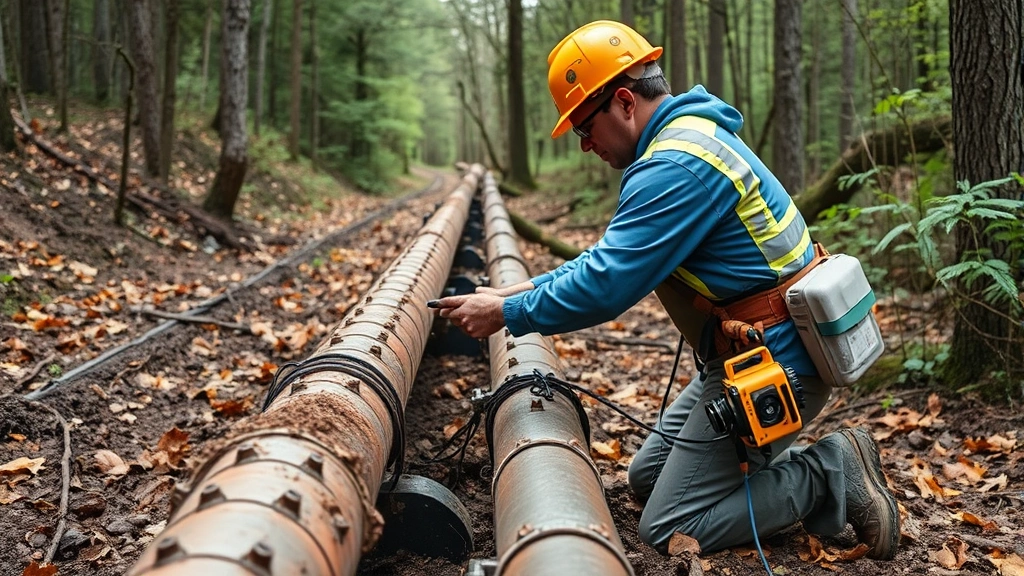
Dominion’s North Carolina natural gas operations include pipeline infrastructure, distribution systems, and customer service facilities. The company maintains these systems to minimize leakage and ensure safety, yet independent environmental organizations frequently identify opportunities for improvement in leak detection and repair protocols. Consumers concerned about environmental impact should understand that choosing natural gas inherently involves accepting these emissions, regardless of operational efficiency improvements.
” alt=”Natural gas pipeline infrastructure in wooded area with environmental monitoring equipment”>
Renewable Energy Investments
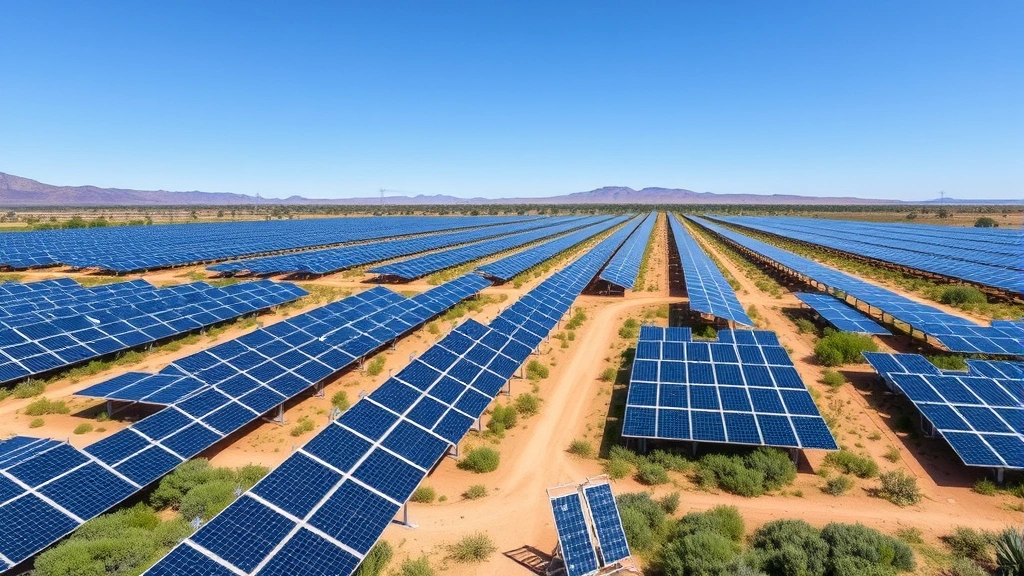
Dominion Energy has increased renewable energy capacity in recent years, responding to regulatory requirements and market demand. The company operates solar facilities, wind projects, and continues expanding its renewable portfolio across its service territories. In North Carolina specifically, Dominion has invested in utility-scale solar projects designed to generate clean electricity for thousands of customers.
The company’s renewable energy strategy includes both owned assets and power purchase agreements with independent renewable developers. This diversified approach allows Dominion to increase clean energy percentages without exclusively relying on internal capital expenditures. However, the pace of renewable expansion remains a topic of contention among environmental advocates who argue that faster transitions are both necessary and economically feasible.
Dominion’s renewable investments deserve recognition as positive steps toward decarbonization. Yet context matters: renewable energy capacity additions must accelerate significantly to meet climate science recommendations and net-zero commitments. The U.S. Department of Energy emphasizes that achieving climate goals requires dramatic increases in renewable energy deployment across all utility territories.
Carbon Reduction Goals and Progress
Dominion’s 2050 net-zero emissions goal represents a long-term commitment, yet immediate carbon reduction metrics deserve scrutiny. The company has established intermediate targets for 2030 and 2040, creating checkpoints for assessing progress toward the ultimate net-zero objective. These interim goals provide opportunities to evaluate whether Dominion maintains its sustainability trajectory or falls behind.
The company’s carbon reduction strategy encompasses multiple approaches: renewable energy expansion, nuclear power operation, natural gas efficiency improvements, and customer energy conservation programs. Dominion emphasizes that achieving net-zero requires technological innovation, policy support, and customer participation. While these elements certainly matter, critics note that the company could accelerate progress through more aggressive timelines and larger capital allocations to clean energy.
Comparing Dominion’s targets to science-based climate requirements reveals important context. The Intergovernmental Panel on Climate Change indicates that limiting warming to 1.5 degrees Celsius requires global emissions reductions of approximately 50 percent by 2030. Dominion’s intermediate targets should be evaluated against this scientific benchmark to assess adequacy.

” alt=”Solar panels installed on utility-scale solar farm with clear sky and natural landscape”>
Community Impact and Local Initiatives
Beyond corporate-level sustainability programs, Dominion Energy implements local initiatives throughout North Carolina communities. These efforts include energy efficiency rebate programs, weatherization assistance, and educational outreach promoting conservation. Such programs help customers reduce consumption, lowering both energy bills and environmental impact.
The company’s community solar projects expand renewable energy access to customers who cannot install rooftop systems due to property constraints or financial limitations. These initiatives democratize clean energy benefits, allowing renters and apartment dwellers to participate in renewable generation. Community solar represents genuine progress in making sustainable energy more inclusive.
Dominion also invests in workforce development programs preparing workers for clean energy careers. As the energy sector transitions, training programs become essential for supporting affected workers and building capacity for renewable energy deployment. The company’s commitment to these programs indicates recognition that sustainable transitions require human capital investment alongside technological infrastructure.
Regulatory Compliance and Certifications
Dominion Energy operates under North Carolina regulatory frameworks designed to protect consumers and environmental interests. The North Carolina Utilities Commission oversees the company’s rates, service quality, and increasingly, environmental performance. State renewable energy portfolio standards require utilities to source specified percentages of electricity from renewable resources, creating regulatory drivers for Dominion’s renewable investments.
The company complies with federal environmental regulations including the Clean Air Act, Clean Water Act, and various EPA standards governing power plant emissions and pollution controls. Dominion’s operational compliance with these requirements ensures minimum environmental protection, though meeting legal minimums differs substantially from pursuing best-in-class sustainability practices.
Third-party certifications and recognition programs offer additional credibility markers. Dominion’s inclusion in sustainability indices and recognition from environmental organizations validates certain aspects of their practices. However, consumers should recognize that corporate sustainability claims often receive favorable interpretation from rating agencies with financial interests in positive assessments.
Comparing Alternatives and Consumer Options
For North Carolina consumers interested in reducing environmental impact, understanding alternative energy options becomes important. Sustainable energy solutions extend beyond utility provider selection, encompassing behavioral changes and technology adoption. Consumers can reduce natural gas consumption through weatherization, efficient heating systems, and behavioral modifications.
Electric heat pumps represent an increasingly viable alternative to natural gas heating, particularly when powered by renewable electricity. As grid electricity becomes cleaner through increased renewable penetration, electrification becomes an increasingly attractive environmental strategy. Consumers interested in advantages of electric vehicles should recognize that similar logic applies to home heating and hot water systems.
For vehicle owners, understanding fuel consumption efficiency matters significantly. Eco mode features in vehicles can reduce fuel consumption, while using the AC in a car uses gas and represents another efficiency consideration. Those seeking lower-emission vehicles should evaluate best gas mileage SUV options or consider electric alternatives entirely.
Ultimately, how to reduce your environmental footprint involves comprehensive strategies addressing energy consumption across multiple life domains. While utility provider sustainability practices matter, individual consumer choices regarding energy usage often exert greater impact on personal environmental footprints than passive reliance on utility-provided clean energy.
FAQ
Does Dominion Energy genuinely commit to sustainability?
Dominion Energy has published net-zero emissions commitments and increased renewable energy investments, indicating genuine sustainability orientation. However, the company’s continued natural gas expansion and relatively distant 2050 target date suggest that sustainability remains secondary to profitability in operational decision-making. Consumers should view Dominion’s sustainability efforts as meaningful but incomplete.
What percentage of Dominion’s North Carolina electricity comes from renewable sources?
Dominion’s renewable energy percentage varies annually as the company expands solar and wind capacity. Current renewable penetration remains below 30 percent in most service areas, with natural gas and nuclear providing the remainder. The company’s renewable expansion trajectory should accelerate to meet climate science requirements and corporate sustainability commitments.
Can I switch away from Dominion Energy in North Carolina?
North Carolina operates as a regulated utility territory where Dominion Energy maintains service monopolies in most areas. Customers cannot select alternative electricity providers in deregulated markets. However, customers can reduce consumption, install rooftop solar, participate in community solar programs, or transition to electric heating and appliances powered by increasingly clean grid electricity.
How do Dominion’s sustainability practices compare to other utilities?
Dominion’s sustainability performance ranks near industry averages, with some leading utilities pursuing more aggressive renewable expansion and faster decarbonization timelines. Comparing specific metrics across utilities reveals significant variation in renewable energy percentages, carbon reduction targets, and customer program offerings. Consumers should research their utility’s specific commitments rather than assuming industry-standard practices represent best-in-class sustainability.
What can I do to reduce my natural gas consumption with Dominion?
Consumers can reduce natural gas usage through home weatherization, upgrading to efficient heating systems, reducing hot water consumption, and eliminating natural gas cooking appliances. Over longer timeframes, transitioning to electric heat pumps and induction cooking provides more substantial emissions reductions. Dominion offers weatherization programs and rebates that can offset upgrade costs while improving efficiency.
Are Dominion’s net-zero 2050 targets sufficient for climate goals?
Climate science indicates that achieving necessary emissions reductions requires much faster decarbonization than Dominion’s 2050 target implies. Most climate scenarios limiting warming to 1.5 degrees Celsius require substantial emissions reductions by 2030 and near-complete decarbonization by 2040. Dominion’s timeline, while representing progress relative to business-as-usual scenarios, falls short of climate science recommendations for utility sector transformation.


