
Downdraft Gas Range: Eco-Friendly or Not?
When it comes to kitchen appliances, the downdraft gas range has gained popularity as a sleek, modern alternative to traditional ventilation systems. These cooktops pull steam and cooking odors downward through a vent located at the base of the range, eliminating the need for an overhead hood. But beneath this contemporary design lies an important question: are downdraft gas ranges truly eco-friendly, or do they come with hidden environmental costs?
The answer is nuanced. While downdraft gas ranges offer certain advantages in terms of kitchen aesthetics and space efficiency, their environmental impact depends on multiple factors including energy consumption, natural gas usage, installation efficiency, and how they compare to alternative cooking technologies. Understanding these complexities helps homeowners make informed decisions aligned with their sustainability goals while exploring sustainable energy solutions for their homes.
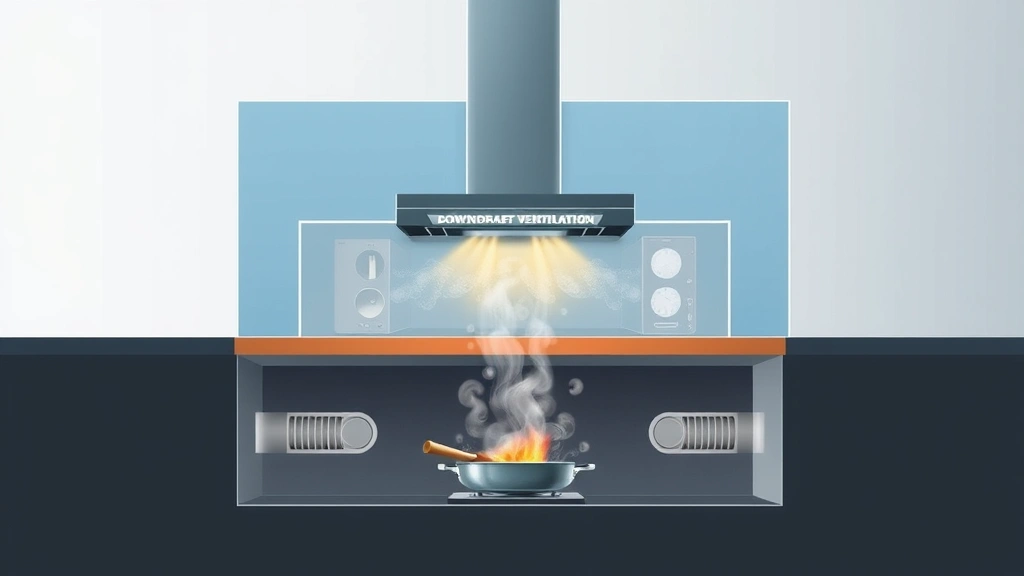
How Downdraft Gas Ranges Work
A downdraft gas range operates on a fundamentally different principle than traditional overhead ventilation systems. Instead of pulling air upward and out of the kitchen, these ranges feature a built-in ventilation system that draws cooking vapors, steam, and smoke downward through ducts positioned beneath the cooktop. The filtered air then exits through either a rear wall duct or, in some cases, recirculates back into the kitchen after passing through charcoal filters.
The mechanism consists of several key components: the cooking surface where burners produce heat, a downdraft hood with adjustable speed settings, ducting that channels air away from the cooking zone, and an exhaust system. This design eliminates the visual obstruction of overhead hoods, creating an open, uncluttered kitchen aesthetic that appeals to modern homeowners. However, this convenience comes with specific performance characteristics that affect both functionality and environmental impact.
The downward airflow works most effectively when cooking on the rear burners, as front burners are positioned further from the ventilation intake. This directional limitation means that cooking efficiency and pollutant capture vary depending on which burners you use, a factor that influences both indoor air quality and energy requirements.
Energy Consumption and Efficiency
When evaluating whether a downdraft gas range is eco-friendly, energy consumption becomes a critical metric. These appliances require electricity to power the ventilation fan, which operates independently of the gas burners. The fan motor typically consumes between 300 to 600 watts when running at full capacity, though many models offer variable speed settings that allow users to adjust power consumption based on cooking intensity.
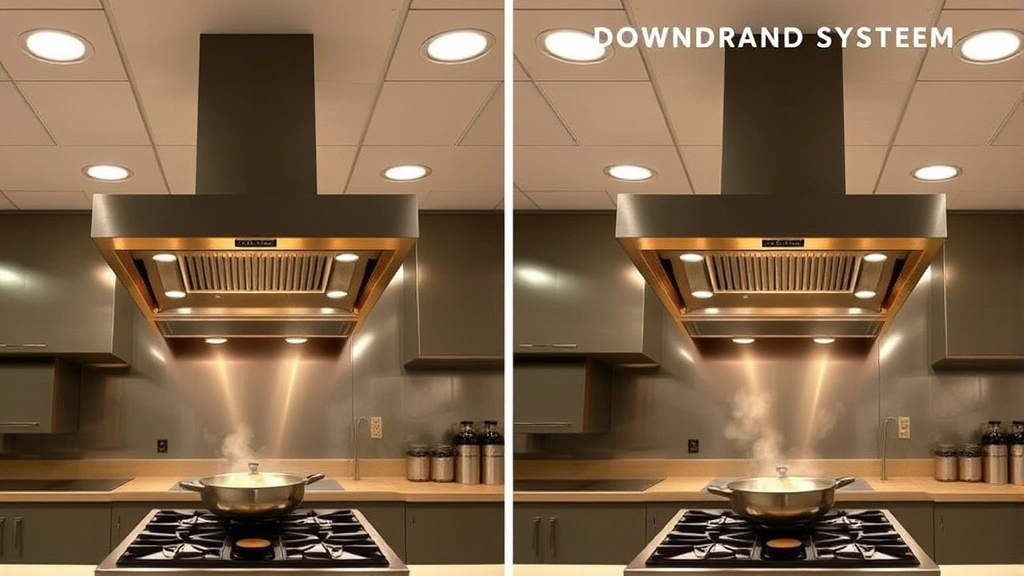
Compared to overhead ventilation hoods, downdraft systems often consume slightly less electricity because they don’t need to overcome the vertical distance that air must travel. However, they face a significant challenge: downdraft ventilation is inherently less efficient at capturing cooking byproducts. Studies indicate that downdraft systems capture approximately 40-60% of cooking vapors compared to 70-90% capture rates for properly installed overhead hoods. This lower capture efficiency means the ventilation system must run longer or at higher speeds to achieve comparable air quality, potentially offsetting energy savings.
The gas burners themselves operate with similar efficiency to traditional ranges, producing BTUs (British Thermal Units) to heat cookware. Natural gas combustion efficiency remains relatively constant across different range designs, typically around 70-75% efficiency for gas cooking. However, the overall system efficiency—considering both gas usage and electrical ventilation requirements—becomes more complex when downdraft technology is involved.
To understand broader energy efficiency concepts, you might explore how eco mode saves gas in other appliances, applying similar efficiency principles to kitchen equipment selection.
Environmental Impact Analysis
The environmental footprint of a downdraft gas range encompasses multiple dimensions: direct operational emissions, manufacturing impacts, installation requirements, and lifecycle considerations. Let’s examine each systematically.
Direct Operational Emissions: Natural gas combustion produces carbon dioxide (CO2), methane, and other greenhouse gases. According to the EPA’s greenhouse gas emissions data, residential cooking accounts for a small but measurable portion of household carbon emissions. A typical household using a gas range emits approximately 0.5-1 ton of CO2 annually from cooking alone. Downdraft gas ranges don’t reduce these emissions compared to traditional gas ranges, but they don’t increase them either—the gas combustion process remains identical.
The electricity required to power the ventilation fan introduces an additional environmental cost. If your local electrical grid relies heavily on fossil fuels, running the downdraft fan increases your carbon footprint. However, if you have access to renewable energy sources or live in a region with clean energy infrastructure, this impact diminishes significantly.
Manufacturing and Materials: Downdraft gas ranges require specialized ductwork and more complex internal components than simple overhead hoods. The manufacturing process involves stainless steel production, electrical components, and various materials that carry embodied carbon—the greenhouse gas emissions created during production and transportation. A downdraft range typically has a higher manufacturing footprint than a basic gas range without integrated ventilation.
Installation Impact: Installing a downdraft system often requires modifications to your kitchen structure, including cutting through cabinetry, installing ducting, and potentially reinforcing floors to accommodate the system. These renovations generate construction waste and consume additional resources. In contrast, overhead hoods often integrate more easily into existing kitchens, reducing installation-related environmental disruption.
Comparison with Other Cooking Methods
To determine whether a downdraft gas range is eco-friendly requires comparing it against alternatives. Each cooking technology presents distinct environmental profiles:
- Traditional Gas Range with Overhead Hood: These systems typically capture cooking vapors more effectively (70-90% efficiency), though they require more electricity to overcome vertical airflow resistance. They produce identical gas emissions as downdraft models but with superior ventilation performance.
- Electric Coil or Smooth-Top Ranges: Electric ranges eliminate direct combustion emissions but rely entirely on grid electricity. In regions with clean energy grids, electric cooking significantly reduces carbon emissions. However, in areas dependent on coal or natural gas power plants, the overall emissions may exceed gas cooking. Electric ranges offer no ventilation challenges since they produce minimal cooking odors.
- Induction Cooktops: These represent the most efficient electric cooking technology, converting 80-90% of electrical energy into heat compared to 65-75% for coil elements. Induction cooking produces zero direct emissions and no cooking byproducts requiring ventilation. When powered by renewable energy, induction represents the lowest-impact cooking option. However, induction requires compatible cookware and involves significant upfront costs.
- Gas Range with Makeup Air System: Some high-performance gas ranges include dedicated makeup air systems that supply fresh air to replace extracted cooking vapors, improving ventilation efficiency. These systems increase electrical consumption but provide superior indoor air quality and more effective pollutant removal.
The optimal choice depends on your local energy infrastructure, cooking habits, kitchen layout, and personal priorities. For insights on broader energy decisions, explore sustainable energy solutions that apply similar analysis frameworks to household energy planning.
Consider also how kitchen choices fit into your overall environmental strategy. If you’re interested in reducing your household impact comprehensively, how to reduce your environmental footprint provides actionable guidance across all home systems.
Optimizing Your Downdraft Range
If you already own a downdraft gas range or are committed to using one, several strategies maximize its environmental performance and efficiency:
- Use Rear Burners Primarily: Position cookware on rear burners closest to the downdraft intake to maximize ventilation effectiveness and reduce the need for extended fan operation at high speeds.
- Operate at Appropriate Fan Speeds: Don’t automatically run the fan at maximum speed. Start at low or medium settings and increase only if needed. Many modern downdraft ranges include automatic sensors that adjust fan speed based on cooking intensity.
- Keep Filters Clean: Regularly replace or clean ventilation filters. Clogged filters force the fan to work harder, consuming more electricity. Charcoal filters should be replaced every 6-12 months depending on usage.
- Maintain Proper Ductwork: Ensure ducts are sealed and properly insulated to prevent air leakage. Leaking ducts reduce ventilation efficiency and increase electricity consumption.
- Use Lids and Covers: Covering pots and pans during cooking reduces steam and odor production, minimizing ventilation requirements and conserving energy.
- Improve Cooking Efficiency: Match pot sizes to burner sizes, use appropriate heat levels, and cook with intention rather than trial-and-error. These practices reduce overall cooking time and gas consumption.
- Transition to Renewable Energy: If your home uses grid electricity for the ventilation fan, installing solar panels or subscribing to renewable energy programs offsets the electrical carbon footprint of your downdraft system.
Eco-Friendly Alternatives to Downdraft Gas Ranges
For homeowners prioritizing environmental impact, several alternatives deserve consideration:
Induction Cooktops with Overhead Ventilation: Combining highly efficient induction cooking with traditional overhead hood ventilation delivers superior performance across multiple metrics. Induction technology requires less energy, produces no combustion emissions, and overhead hoods provide excellent vapor capture. This combination represents an environmentally optimized cooking solution for homes with renewable energy access.
Electric Radiant Smooth-Top with Energy-Efficient Hood: Modern electric smooth-top ranges offer improved efficiency over older coil designs, paired with Energy Star-certified ventilation hoods that minimize electricity consumption while maximizing vapor capture.
Gas Range with Advanced Ventilation: If you prefer gas cooking for its responsive heat control, selecting a gas range with a high-performance overhead hood and optional makeup air system provides superior environmental outcomes compared to downdraft configurations.
Portable Induction Burners: For those with limited kitchen renovation budgets or renting situations, portable induction burners offer efficient, flexible cooking options without permanent installation requirements. They reduce reliance on built-in ranges while maintaining cooking performance.
When evaluating alternatives, consider how kitchen appliance choices integrate with your broader sustainability strategy. Resources like best gas mileage SUV demonstrate how efficiency comparisons across different product categories apply similar evaluation frameworks—examining total impact rather than isolated features.
For comprehensive household sustainability planning, visit the SustainWise Hub Blog for additional resources on eco-conscious living decisions.
FAQ
Are downdraft gas ranges more eco-friendly than traditional overhead hood ranges?
Not necessarily. While downdraft systems may use slightly less electricity for ventilation due to shorter airflow distances, they capture cooking vapors less effectively (40-60% versus 70-90% efficiency). This reduced capture efficiency often requires longer or higher-speed fan operation, potentially offsetting electricity savings. Gas combustion emissions remain identical between both systems. Overall environmental impact depends on your specific kitchen setup and local energy sources.
Do downdraft ranges produce more indoor air pollution?
Downdraft systems’ lower capture efficiency means more cooking byproducts remain in the kitchen air compared to overhead hoods. This can result in higher indoor concentrations of cooking-related pollutants including nitrogen dioxide, carbon monoxide, and particulate matter—especially for front burner cooking. Families with respiratory sensitivities may experience more noticeable air quality issues with downdraft systems.
What’s the carbon footprint of manufacturing a downdraft gas range?
Manufacturing footprints vary by brand and design, but downdraft ranges typically carry 15-25% higher embodied carbon than simple gas ranges without integrated ventilation, due to specialized ductwork, electrical components, and complex manufacturing processes. This manufacturing impact is eventually offset by operational efficiency gains over 10-15 years of use, but it represents a significant upfront environmental cost.
Can I retrofit an existing downdraft range with an overhead hood?
In many cases, yes, though retrofitting involves significant kitchen modifications including removing the downdraft system, capping ductwork, and installing overhead ventilation infrastructure. The environmental impact of retrofitting depends on whether you can repurpose or recycle the existing downdraft system. Retrofitting represents substantial resource consumption and should only be pursued if the environmental benefits of improved ventilation justify the renovation impact.
Which is more eco-friendly: gas or electric cooking?
Environmental superiority depends on your local electrical grid composition. In regions with 50%+ renewable energy, electric cooking (especially induction) produces significantly lower emissions than gas. In areas dependent on fossil fuel power plants, the comparison becomes closer, though induction still typically outperforms gas due to superior efficiency. Natural gas cooking produces direct combustion emissions but offers responsive heat control that some cooking applications require. The most eco-friendly choice combines your local energy infrastructure with your cooking preferences and habits.
How often should I replace downdraft ventilation filters?
Charcoal filters in downdraft systems typically require replacement every 6-12 months, depending on cooking frequency and cooking style. More frequent cooking, especially high-heat techniques that generate more vapor, accelerates filter saturation. Regular filter replacement maintains ventilation efficiency, reduces fan runtime, and decreases electricity consumption. Neglecting filter maintenance forces the fan to work harder, significantly increasing your system’s environmental impact.


