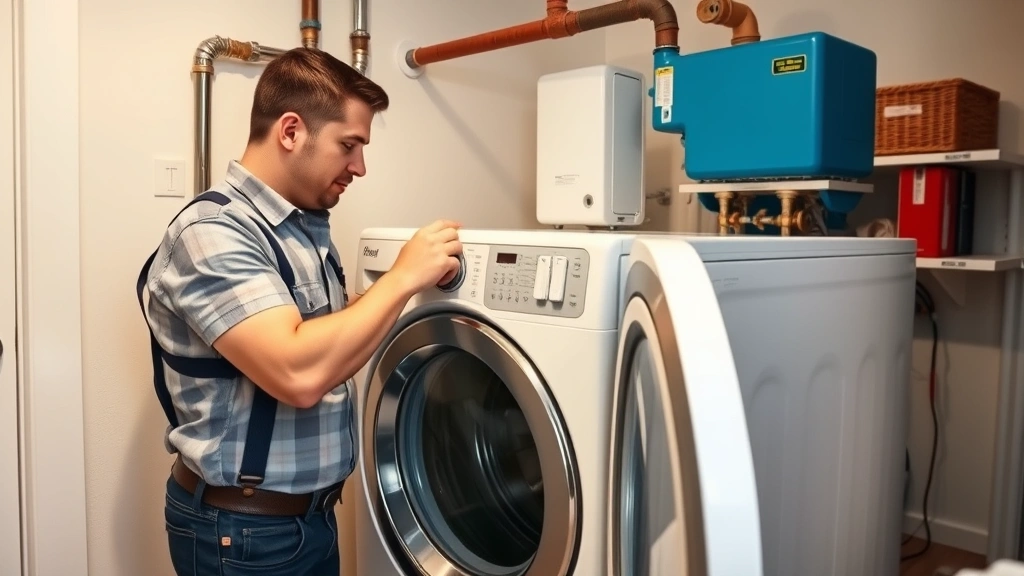
Is a Gas Dryer More Efficient? Expert Insights on Dryer Gas Line Performance
When it comes to household appliances, few decisions impact your utility bills and environmental footprint quite like choosing between a gas and electric dryer. The question of whether a gas dryer is more efficient has become increasingly important as homeowners seek to balance energy consumption with operational costs. Understanding the nuances of dryer gas line efficiency requires examining multiple factors: energy consumption rates, installation requirements, operating costs, and long-term sustainability implications.
Gas dryers have long been touted as the more economical choice for many households, particularly in regions where natural gas prices remain competitive. However, efficiency is not a one-dimensional metric. While gas dryers may dry clothes faster and use less energy per cycle, the overall picture involves considering fuel type, maintenance requirements, safety considerations, and environmental impact. This comprehensive guide explores whether gas dryers truly deliver superior efficiency compared to their electric counterparts, providing you with the expert insights needed to make an informed decision for your home.
Understanding Gas Dryer Efficiency Metrics
Gas dryers operate on a fundamentally different principle than electric dryers, which directly affects how we measure their efficiency. The energy factor (EF) rating, established by the Department of Energy, measures how much energy a dryer consumes per pound of laundry dried. This metric provides the most standardized way to compare dryer efficiency across different models and fuel types.
Modern gas dryers typically achieve energy factors between 3.0 and 5.5, with newer models incorporating advanced technologies pushing toward the higher end of this spectrum. The efficiency advantage of gas dryers stems from the inherent properties of natural gas combustion, which generates heat more quickly and directly than electric resistance heating. When you ignite natural gas, the heat transfer to your laundry is nearly instantaneous, whereas electric heating elements must warm up gradually through resistance.
However, understanding efficiency metrics requires recognizing that energy factor alone doesn’t tell the complete story. Gas dryers may consume less total energy per cycle, but natural gas itself carries a lower energy density compared to electricity in many utility markets. The real-world efficiency advantage depends heavily on local energy prices, availability of sustainable energy solutions, and the specific model’s construction quality.
Certified Energy Star gas dryers demonstrate measurable efficiency improvements over standard models, typically consuming 20-30% less energy per cycle. These models incorporate features like moisture sensors that automatically stop the cycle when clothes reach optimal dryness, preventing unnecessary energy waste from over-drying. Moisture-sensing technology represents one of the most significant efficiency improvements in modern dryer design, regardless of fuel type.
How Gas Dryers Compare to Electric Models
The efficiency comparison between gas and electric dryers reveals interesting complexities when examined holistically. Gas dryers generally dry clothes 10-25 minutes faster than electric models, primarily because natural gas flames generate temperatures around 3,600°F compared to electric heating elements at approximately 350°F. This speed advantage translates to fewer total minutes of operation required to complete a typical load.
When measured by direct energy consumption, gas dryers typically use 30-50% less energy per load than conventional electric dryers. This substantial difference has historically made gas dryers the economical choice for large families and frequent laundry users. However, this advantage must be contextualized within the broader energy infrastructure and pricing structures in your region.
Electric heat pump dryers represent an emerging alternative that challenges traditional assumptions about gas dryer superiority. These units use the same heat pump technology found in efficient advantages of electric vehicles to extract ambient heat and concentrate it for drying. While they operate more slowly than gas dryers, heat pump models consume 40-60% less energy than conventional electric dryers, sometimes approaching gas dryer efficiency levels while offering superior environmental benefits.
The drying speed difference between gas and electric models carries practical implications beyond raw efficiency metrics. Faster drying reduces the likelihood of mildew development, wrinkles, and musty odors in your laundry. For households managing multiple loads daily, the time savings from gas dryers can be genuinely valuable, justifying the efficiency trade-offs associated with electric models for some users.
Installation and Dryer Gas Line Requirements
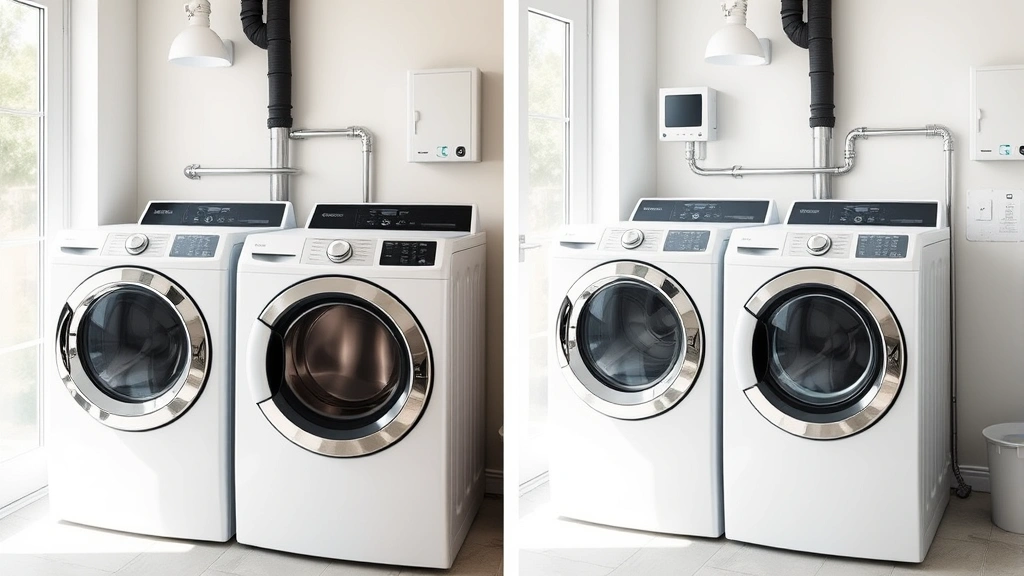
Installing a gas dryer requires specific infrastructure considerations that significantly impact the total cost and feasibility of ownership. A dryer gas line installation involves running natural gas piping from your home’s main gas supply to the laundry area, a process that demands professional installation to ensure safety compliance and proper functioning.
The installation complexity and cost depend on several factors: the distance between your gas meter and intended dryer location, whether existing gas lines can be extended, local building codes and permitting requirements, and whether you’re upgrading from an electric dryer or installing gas for the first time. Running a new gas line can cost anywhere from $300 to $2,000, depending on these variables. Homes without existing gas infrastructure face substantially higher installation costs, potentially exceeding $3,000-5,000 for complete system installation.
Professional installation of a dryer gas line is not optional—attempting DIY gas line installation violates most local building codes and creates serious safety hazards including gas leaks, improper venting, and fire risks. Licensed plumbers and gas technicians follow strict protocols including pressure testing, leak detection using specialized equipment, and verification that connections meet all safety standards. This professional requirement adds to the total cost of gas dryer ownership but ensures safe operation.
Venting requirements also differ between gas and electric dryers. Gas dryers must vent combustion byproducts including moisture and carbon monoxide safely outside your home, requiring proper ductwork installation and maintenance. Electric dryers can sometimes be vented into interior spaces using condensing technology, though exterior venting remains the recommended approach. Improper venting of gas dryers creates health hazards and reduces efficiency by allowing heated, moisture-laden air to escape into your home unnecessarily.
Operating Costs and Long-Term Savings
The economic case for gas dryers rests primarily on operating cost advantages, though this advantage varies significantly by region and utility rate structures. Natural gas typically costs 50-70% less per unit of energy compared to electricity in most North American markets, creating substantial savings on each drying cycle.
For a typical household running four to five dryer loads weekly, annual gas dryer operating costs average $100-200, while comparable electric dryer usage costs $200-400 annually. Over the typical 10-13 year lifespan of a quality dryer, these operating savings accumulate to $1,000-3,000. This economic advantage explains why gas dryers remain popular in regions with well-established natural gas infrastructure.
However, the initial purchase price and installation costs partially offset these operating savings. Gas dryers typically cost $100-300 more than comparable electric models, and the dryer gas line installation adds another $300-2,000 depending on circumstances. For homeowners without existing gas infrastructure, the payback period for these upfront costs extends significantly, sometimes exceeding the appliance’s useful lifespan.
Maintenance costs also factor into long-term economics. Gas dryers require more frequent professional servicing due to combustion components, gas line inspections, and safety checks. Annual maintenance costs average $75-150 for gas dryers compared to minimal maintenance for electric models. Additionally, gas dryer repairs involving combustion systems, gas valves, or ignition components cost substantially more than electric heating element replacements.
Regional utility rate variations create dramatically different economic scenarios. In areas with very high electricity rates or very low natural gas prices, gas dryers deliver compelling economic advantages. Conversely, in regions transitioning toward renewable electricity sources or experiencing rising natural gas prices, the economic case weakens considerably. Checking your local utility rates and how to reduce your environmental footprint provides crucial context for this decision.
Environmental Impact Considerations
While gas dryers excel at energy efficiency by conventional metrics, their environmental impact extends beyond simple energy consumption calculations. Natural gas is a fossil fuel, and burning it releases carbon dioxide and other greenhouse gases directly into the atmosphere. The environmental footprint of gas dryer operation includes not only the combustion emissions but also the methane leakage associated with natural gas extraction, processing, and distribution.
According to research from the EPA’s Greener Products initiative, natural gas combustion produces approximately 5.3 pounds of CO2 per therm burned. A typical gas dryer cycle produces 1-2 pounds of CO2 equivalent emissions. Over a year, a household using gas dryers generates 200-400 pounds of CO2 from laundry drying alone—equivalent to driving a car 500-1,000 miles.
Electric dryers powered by renewable energy sources like solar, wind, or hydroelectric generation offer significantly lower environmental impact. As electricity grids increasingly incorporate renewable sources, the environmental advantage of electric dryers grows substantially. In regions where over 50% of electricity comes from renewable sources, electric dryers become the environmentally superior choice despite higher energy consumption.
The definition of sustainability requires considering lifecycle impacts beyond immediate operational efficiency. From this perspective, gas dryers present a complex trade-off: lower energy consumption but higher carbon intensity of that energy source. Heat pump electric dryers offer the most sustainable option, combining low energy consumption with the potential for zero-carbon operation in regions with clean electricity grids.
Methane leakage in natural gas supply chains adds another environmental consideration often overlooked in efficiency discussions. Studies indicate that 2-4% of natural gas escapes as methane during extraction, processing, and distribution. Methane’s global warming potential exceeds CO2 by 80-86 times over a 20-year period, making these leakage losses environmentally significant despite their small percentage.
Safety and Maintenance Factors
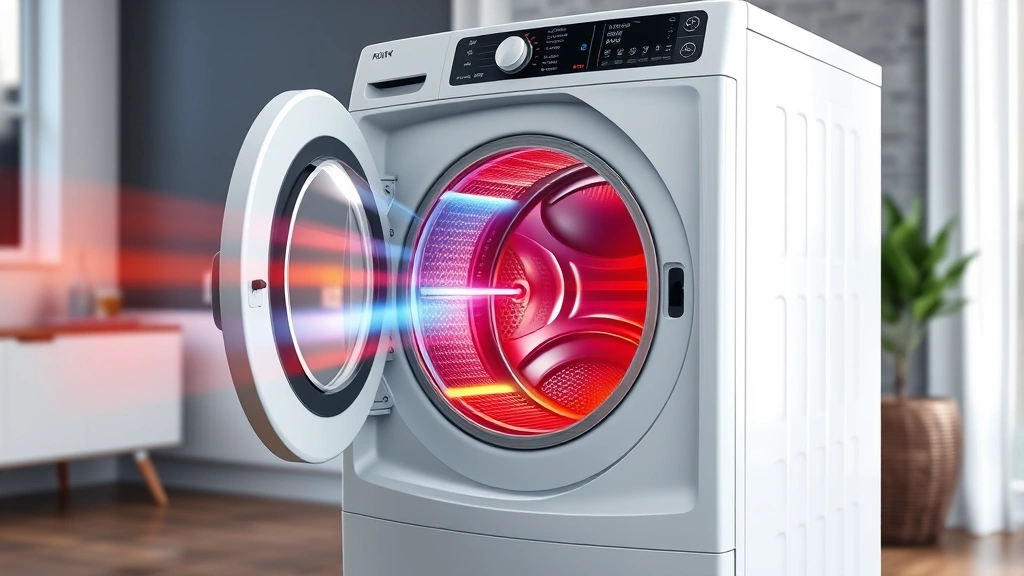
Gas dryers introduce safety considerations absent from electric models, requiring homeowners to understand and manage additional risks. The primary concern involves carbon monoxide (CO) production during combustion. Properly functioning gas dryers vent all combustion byproducts safely outside, but any obstruction, damage, or improper installation creates potential CO accumulation inside your home.
Carbon monoxide is colorless and odorless, making it undetectable without specialized equipment. Symptoms of CO exposure include headaches, dizziness, weakness, and confusion—easily mistaken for other conditions. Proper dryer gas line installation with professional venting verification and regular maintenance prevents CO hazards, but vigilance remains essential. Installing a CO detector near your laundry area provides additional protection.
Gas leaks represent another safety consideration requiring attention. While modern gas dryers include safety features preventing gas flow when the ignition system fails, slow leaks from deteriorating connections can accumulate over time. Professional annual inspections check for these hazards using specialized leak detection equipment. Homeowners should also watch for the distinctive rotten egg smell added to natural gas as a safety warning, immediately contacting their gas provider if detected.
Maintenance requirements for gas dryers exceed those for electric models substantially. Beyond basic lint trap cleaning and vent duct inspection—essential for all dryer types—gas dryers require professional inspection of gas lines, connections, valves, and combustion components. Many manufacturers recommend annual professional service for gas dryers, while electric dryer maintenance is primarily user-performed.
Repair costs for gas dryers typically run 30-50% higher than electric dryer repairs, particularly for issues involving the gas valve, ignition system, or combustion chamber. These specialized components require certified technician expertise and account for the higher maintenance cost structure associated with gas dryer ownership.
Modern Energy-Efficient Alternatives
The dryer technology landscape has evolved significantly beyond traditional gas versus electric dichotomy. Heat pump dryers, while still relatively new to mainstream markets, represent a paradigm shift in dryer efficiency. These units consume 40-60% less energy than conventional electric dryers and approach or match gas dryer efficiency levels while offering superior environmental profiles.
Heat pump technology works by extracting heat from ambient air and concentrating it for drying, similar to how green technology innovations transforming our future leverage thermodynamic principles for efficiency. The trade-off is longer drying times—typically 1.5 to 3 hours compared to 30-60 minutes for gas dryers—but for many households, this extended cycle time is acceptable given the energy savings and environmental benefits.
Hybrid dryer systems combining gas heating with moisture sensing and improved insulation offer middle-ground solutions, delivering faster drying than electric models while incorporating efficiency features that reduce overall energy consumption compared to conventional gas dryers. These models typically cost 15-25% more than standard gas dryers but justify the premium through operating cost savings.
Ventless condensing dryers eliminate the need for external venting by converting moisture to liquid water for drainage. While this solves venting challenges in apartments and tight spaces, these units operate slowly and consume substantial energy compared to vented alternatives. They work best as supplementary drying solutions rather than primary dryer replacements.
Smart dryer technology increasingly incorporates connectivity features allowing remote monitoring, cycle optimization, and integration with home energy management systems. These features enable load-based cycle adjustments and scheduling to coincide with off-peak electricity rates, maximizing efficiency regardless of fuel type. Smart dryers represent sustainable energy solutions that optimize performance through intelligent automation.
FAQ
Are gas dryers truly more efficient than electric dryers?
Gas dryers consume 30-50% less energy per load than conventional electric dryers, making them more efficient by energy consumption metrics. However, efficiency is multifaceted—gas dryers use a fossil fuel with higher carbon intensity, while electric dryers’ environmental impact depends on your grid’s energy sources. Heat pump electric dryers challenge traditional efficiency assumptions by combining low energy consumption with clean energy potential.
What is the cost of installing a dryer gas line?
Professional dryer gas line installation typically costs $300-2,000 for homes with existing gas infrastructure. New gas line installation for homes without gas service can exceed $3,000-5,000. Costs depend on distance from the gas meter, local code requirements, and whether existing infrastructure can be extended. Always hire licensed professionals for gas line installation.
How much money can I save with a gas dryer?
Average annual operating savings for gas dryers range from $100-200 compared to electric dryers, depending on local utility rates and usage frequency. Over a dryer’s 10-13 year lifespan, total operating savings can reach $1,000-3,000. However, initial purchase price and installation costs partially offset these savings, and regional rate variations significantly impact actual savings.
What are the main safety concerns with gas dryers?
Primary safety concerns include carbon monoxide accumulation from improper venting, natural gas leaks from deteriorating connections, and risks from DIY installation attempts. Proper professional installation, annual maintenance inspections, and regular vent duct cleaning prevent these hazards. Installing a CO detector near your laundry area provides additional protection.
Should I choose a gas dryer or heat pump electric dryer?
This decision depends on your priorities and circumstances. Choose gas dryers if you prioritize low operating costs and fast drying in regions with affordable natural gas. Select heat pump dryers if you prioritize environmental impact, have access to renewable electricity, and can tolerate longer drying times. For most homeowners, the decision ultimately reflects individual values regarding cost, speed, and environmental responsibility.
Do gas dryers require more maintenance than electric dryers?
Yes, gas dryers require substantially more maintenance. Annual professional inspections of gas lines, connections, valves, and combustion components are recommended, while electric dryer maintenance is primarily user-performed lint trap cleaning and vent inspection. Gas dryer repairs also cost 30-50% more than electric dryer repairs, contributing to higher lifetime maintenance expenses.
Can I convert an electric dryer space to gas?
Yes, you can convert an electric dryer space to gas by installing a dryer gas line and proper venting. However, the installation cost and complexity depend on proximity to existing gas lines and local building codes. Professional evaluation determines feasibility and cost before proceeding. In some situations, particularly apartments or condominiums, conversion may be prohibited by building codes or restrictions.
The question of whether gas dryers are more efficient ultimately depends on how you define efficiency. By raw energy consumption metrics, gas dryers excel, consuming significantly less energy per load. However, comprehensive efficiency analysis must consider fuel type’s environmental impact, installation and maintenance costs, regional utility rates, and emerging alternative technologies. For environmentally conscious homeowners, the decision extends beyond simple efficiency calculations to encompass broader sustainability goals. Visit the SustainWise Hub Blog for additional insights on household energy efficiency and sustainable living practices that support your decision-making process.


