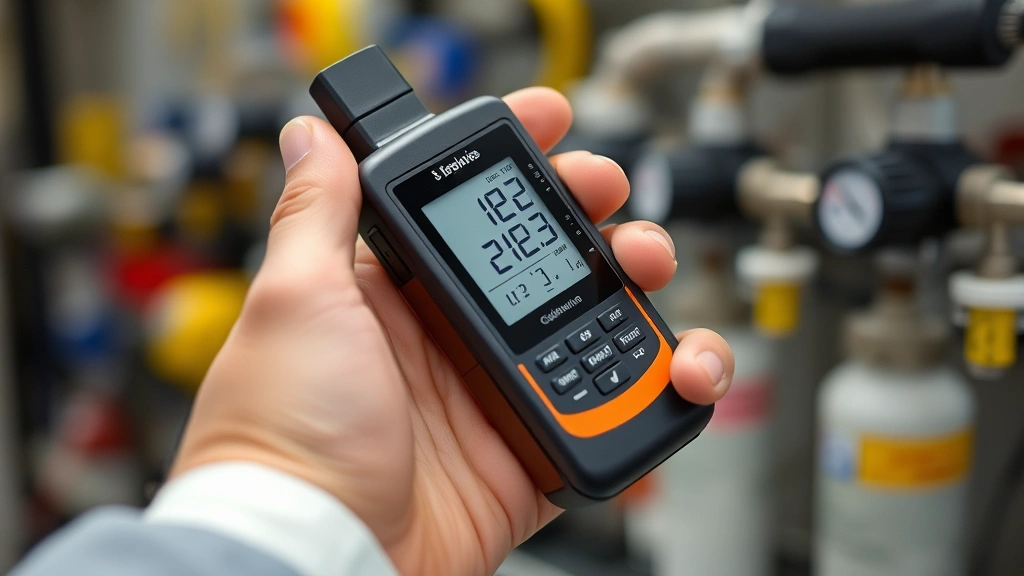
E10 Gas: Is It Eco-Friendly? Expert Insights on Ethanol-Blended Fuel
E10 gasoline, a blend of 10% ethanol and 90% conventional petroleum, has become increasingly prevalent at fuel pumps across North America and Europe. As environmental concerns intensify and governments push for cleaner transportation solutions, understanding whether E10 truly qualifies as an eco-friendly option is essential for conscious consumers. This comprehensive guide examines the environmental impact, benefits, drawbacks, and real-world performance of E10 fuel to help you make informed decisions about your vehicle’s fuel choices.
The transition to ethanol-blended gasoline represents one of the most widespread fuel mandates in modern history. Proponents argue that E10 reduces greenhouse gas emissions and decreases dependence on fossil fuels, while critics point to agricultural impacts, engine compatibility issues, and questionable net environmental benefits. By exploring the science behind E10 and comparing it to alternative fuel options, we can better understand its role in our path toward sustainable transportation.
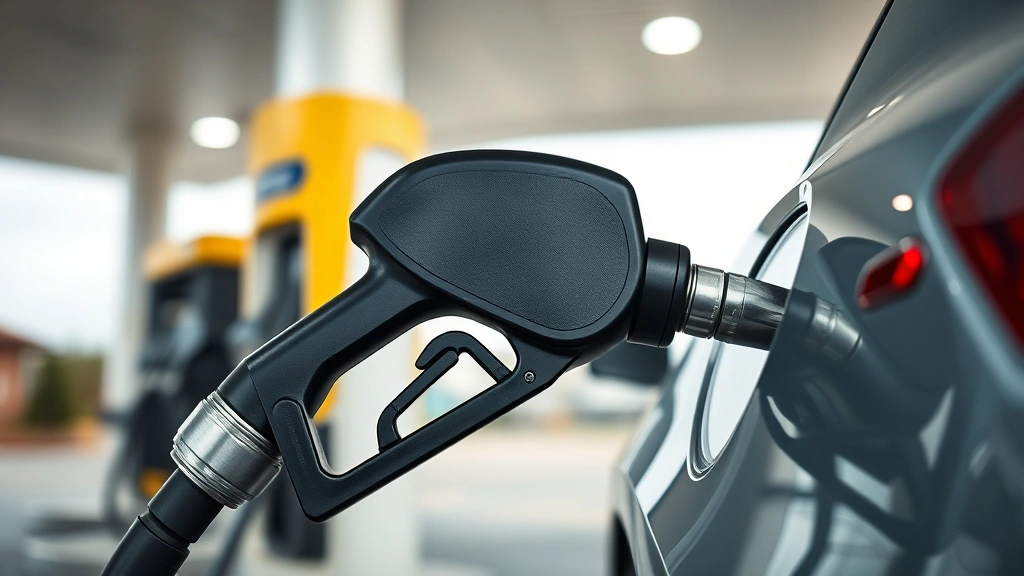
What Is E10 Gasoline and How Does It Work?
E10 represents a standardized fuel blend mandated in many countries as part of renewable fuel initiatives. The fuel consists of precisely 10% ethanol by volume—a renewable alcohol produced primarily from corn, sugarcane, or other biomass sources—mixed with 90% conventional unleaded gasoline. This specific ratio was chosen as a compromise between renewable fuel advocacy and engine compatibility concerns.
Ethanol itself is a high-octane fuel that burns cleaner than pure gasoline in certain respects. When blended at the 10% level, ethanol increases the oxygen content of the fuel mixture, which theoretically promotes more complete combustion and reduces certain tailpipe emissions. The fuel has become the standard in the United States under the Renewable Fuel Standard (RFS) program, and similar mandates exist throughout Europe and other regions.
The production process involves fermenting biomass—typically corn in the U.S.—and then distilling the resulting liquid to create fuel-grade ethanol. This ethanol is then blended with conventional gasoline at distribution terminals before reaching retail fuel stations. Understanding this production chain is crucial to evaluating E10’s true environmental footprint, as the agricultural and industrial processes involved carry significant environmental implications.

Environmental Impact of E10 Fuel
The environmental assessment of E10 requires examining multiple dimensions: direct tailpipe emissions, lifecycle greenhouse gas calculations, agricultural impacts, water usage, and land-use changes. A comprehensive analysis reveals that E10’s environmental profile is considerably more complex than simple marketing claims suggest.
Direct Emissions Benefits: E10 does produce measurable reductions in certain tailpipe pollutants. The increased oxygen content reduces carbon monoxide (CO) and particulate matter emissions in most vehicles. According to the U.S. Environmental Protection Agency, E10 can reduce lifecycle greenhouse gas emissions by approximately 5-6% compared to pure gasoline when accounting for the full production cycle.
Lifecycle Emissions Complexity: However, this benefit diminishes significantly when examining the complete lifecycle. The production of ethanol requires substantial energy inputs: diesel for farm equipment, natural gas for distillation, and electricity for processing. These energy requirements often come from fossil fuels, partially offsetting the renewable benefits. Research from the Union of Concerned Scientists indicates that actual net emissions reductions may be only 2-3% when accounting for production inefficiencies and distribution.
The environmental benefits of E10 become even more marginal when compared to advantages of electric vehicles, which eliminate tailpipe emissions entirely and can achieve significantly lower lifecycle emissions when charged from renewable energy sources. This comparison highlights why many sustainability experts view E10 as a transitional solution rather than a long-term environmental strategy.
Emissions Reduction: Separating Fact from Marketing
The emissions reduction claims surrounding E10 warrant careful scrutiny, as the fuel industry and agricultural interests have invested heavily in promoting ethanol-blended gasoline. Understanding the nuances helps consumers distinguish between legitimate environmental benefits and marketing exaggeration.
Carbon Dioxide Sequestration Claims: One common argument posits that ethanol’s carbon benefit derives from plants absorbing CO2 during growth. While technically true, this reasoning oversimplifies the process. The fossil fuels consumed in producing ethanol—from planting to fermentation to distribution—release significant carbon that offsets much of the sequestration benefit. Additionally, corn monoculture farming practices often involve synthetic fertilizers that generate nitrous oxide, a greenhouse gas approximately 300 times more potent than carbon dioxide.
Fuel economy represents another critical factor frequently overlooked in promotional materials. E10 contains approximately 3-4% less energy per gallon than pure gasoline, resulting in slightly reduced fuel economy in most vehicles. This means drivers must purchase more fuel to travel the same distance, partially negating any per-gallon emissions benefits. For consumers focused on how to reduce your environmental footprint, understanding this fuel economy penalty is essential.
Comparative Analysis: Independent research from the journal Nature has demonstrated that the environmental benefits of corn-based ethanol are significantly lower than initially projected. Some studies suggest that when accounting for indirect land-use changes—where agricultural expansion displaces natural ecosystems—E10 may actually increase overall greenhouse gas emissions compared to conventional gasoline.
Agricultural and Land-Use Considerations
The agricultural dimension of E10 production carries profound environmental implications that extend far beyond the fuel pump. Understanding these impacts reveals why E10’s ecological profile remains controversial among environmental scientists.
Monoculture Farming Practices: The demand for corn to produce ethanol has incentivized massive expansions of corn monoculture in the American Midwest and globally. This agricultural model involves planting single crops across vast acreage, requiring intensive applications of synthetic fertilizers, pesticides, and herbicides. These chemical inputs contaminate groundwater, create dead zones in waterways, and reduce soil biodiversity. The practice also depletes soil nutrients, requiring increasing amounts of fertilizer over time—a resource-intensive cycle that depends on fossil fuel-based manufacturing.
Water Consumption and Pollution: Corn production requires substantial water inputs, and ethanol processing adds additional water demands. The fermentation and distillation processes consume significant quantities of water, which becomes contaminated with organic matter and requires treatment before discharge. In water-scarce regions, this competition for water resources creates tensions between food security and fuel production. Agricultural runoff from corn fields—laden with nitrogen and phosphorus—contributes to eutrophication in waterways, harming aquatic ecosystems.
Land-Use Change Impacts: Perhaps most concerning are indirect land-use changes triggered by ethanol demand. As corn acreage expands for fuel production, farmers in other regions clear forests and grasslands to maintain food crop production. This deforestation releases stored carbon and destroys critical habitats. Studies indicate that these indirect effects may eliminate or reverse any direct emissions benefits from E10 fuel.
The relationship between fuel policy and environmental outcomes demonstrates why sustainable energy solutions require holistic thinking beyond simple fuel blending mandates.
Engine Compatibility and Vehicle Performance
While E10’s environmental profile attracts debate, its mechanical compatibility with vehicles represents a more straightforward technical issue with clear implications for consumers.
Compatibility Across Vehicle Types: Modern vehicles manufactured after approximately 2000 in most developed countries are engineered to operate safely on E10 fuel. Manufacturers designed fuel systems, engine components, and emissions controls with E10 in mind, particularly in regions with ethanol fuel mandates. However, older vehicles—particularly those manufactured before 1980 and some vehicles from the 1980s and 1990s—may experience problems with E10.
Potential Issues in Older Vehicles: Ethanol’s solvent properties can degrade rubber and plastic components in fuel systems designed for pure gasoline. Fuel hoses, gaskets, and seals may deteriorate, potentially causing fuel leaks or system failures. Additionally, ethanol absorbs water more readily than gasoline, which can lead to fuel-water separation and engine corrosion in vehicles with inadequate fuel system protection. Owners of classic cars, motorcycles, small engines, and vintage equipment should consult manufacturer specifications before using E10.
Performance Characteristics: As mentioned previously, E10’s lower energy content typically reduces fuel economy by 3-4%. Some drivers report slightly different engine performance characteristics, though modern engine management systems generally compensate for these differences. The higher octane rating of E10 (typically 87-91 octane versus 85-87 for pure gasoline) provides marginal benefits for high-performance engines.
Cold Weather Considerations: E10 exhibits different cold-start characteristics than pure gasoline, particularly in very cold climates. The ethanol component can affect vapor pressure and fuel volatility, sometimes making winter starts more difficult. In regions experiencing extreme cold, some fuel suppliers adjust E10 blends seasonally to accommodate these requirements.
Comparing E10 to Alternative Fuels
Evaluating E10’s sustainability requires contextualizing it within the broader landscape of fuel alternatives. Understanding how E10 compares to other options helps consumers and policymakers make evidence-based decisions.
E10 Versus Conventional Gasoline: The primary advantage of E10 over pure gasoline lies in its modest emissions reduction and renewable content. However, the difference in real-world environmental impact—typically 2-3% lifecycle emissions reduction—proves minimal. For drivers seeking meaningful environmental improvement, the fuel choice difference between E10 and conventional gasoline represents a marginal step.
E10 Versus Higher Ethanol Blends: Higher blends like E15 (15% ethanol) and E85 (85% ethanol) offer greater renewable content and emissions benefits. However, E85 requires specialized flex-fuel vehicles and provides only about 25% more emissions reduction than E10 while significantly reducing fuel economy. E15 offers a middle ground but is only approved for vehicles from 2012 onward in most regions.
E10 Versus Electric Vehicles: Electric vehicles represent a fundamentally different approach, eliminating tailpipe emissions entirely. When charged from renewable electricity sources, EVs achieve lifecycle emissions reductions of 50-70% compared to gasoline vehicles—far exceeding E10’s modest benefits. Battery technology continues improving, costs are declining, and charging infrastructure is expanding, making EVs increasingly practical for most consumers.
E10 Versus Hybrid Vehicles: Hybrid vehicles reduce fuel consumption through regenerative braking and efficient engine operation, typically achieving 30-50% better fuel economy than conventional vehicles. This translates to more meaningful emissions reductions than E10 blending alone. When combined with E10 fuel, hybrids offer cumulative environmental benefits.
E10 Versus Sustainable Biofuels: Advanced biofuels derived from agricultural waste, algae, or other non-food biomass theoretically offer superior environmental profiles compared to corn-based ethanol. However, these alternatives remain limited in commercial availability and often cost significantly more than E10. Future development of truly sustainable biofuels could transform the renewable fuel landscape.
This comparison underscores why many sustainability experts recommend viewing E10 as one component within a comprehensive approach to green technology innovations transforming our future—not as a standalone solution.
Cost-Benefit Analysis for Consumers
From a consumer perspective, E10 decisions involve financial, practical, and environmental considerations. Understanding the true cost-benefit relationship requires examining multiple factors.
Fuel Pricing: In most markets, E10 prices are essentially identical to conventional gasoline prices, despite containing 10% renewable fuel. This apparent contradiction reflects market dynamics rather than environmental value—corn ethanol production benefits from substantial government subsidies that artificially maintain competitive pricing. Consumers receive no financial benefit from E10 despite its renewable content.
Fuel Economy Impact: The 3-4% fuel economy reduction means drivers purchasing E10 actually consume more total fuel to travel the same distance. For a driver traveling 12,000 miles annually at 25 miles per gallon, switching from pure gasoline to E10 results in purchasing approximately 40 additional gallons of fuel yearly. This represents both increased cost and increased environmental impact.
Vehicle Maintenance: For most modern vehicles, E10 requires no special maintenance considerations. However, the ethanol’s solvent properties may gradually clean fuel system deposits, potentially dislodging particles that could clog fuel filters—a minor maintenance concern for some older vehicles.
Environmental Value Proposition: If E10 provides only 2-3% real-world emissions reduction while costing the same as conventional gasoline and reducing fuel economy, its environmental value for individual consumers remains questionable. The 2-3% reduction translates to approximately 300-450 pounds of CO2 savings annually for typical drivers—equivalent to the carbon sequestered by approximately 5-8 tree seedlings grown for 10 years.
For consumers genuinely committed to reducing transportation emissions, investing in a more fuel-efficient vehicle, hybrid technology, or transitioning to an electric vehicle delivers far greater environmental benefits than E10 fuel selection alone.
Future of Ethanol in Transportation
The future trajectory of E10 and ethanol-based fuels depends on technological advances, policy decisions, and market evolution. Understanding emerging trends provides perspective on E10’s long-term role in sustainable transportation.
Policy Evolution: Renewable fuel standards that mandate E10 blending face increasing scrutiny from environmental scientists and policymakers. Some regions are reconsidering ethanol mandates, while others explore higher blends or advanced biofuel requirements. The European Union has begun shifting focus toward sustainable advanced biofuels and electrification rather than expanding corn-ethanol programs.
Advanced Biofuel Development: Research into cellulosic ethanol—produced from agricultural waste, wood chips, and other non-food biomass—continues advancing. These advanced biofuels could theoretically provide environmental benefits exceeding corn-ethanol without competing with food production. However, commercial viability remains limited, with production costs and yields still below economic thresholds for widespread deployment.
Electrification Acceleration: The transportation sector’s long-term sustainability trajectory increasingly points toward electrification rather than refined fuel blending. Electric vehicles, supported by renewable electricity generation, represent a more fundamentally transformative approach to reducing transportation emissions. Government policies, investment trends, and consumer adoption patterns all suggest accelerating EV deployment will eventually render ethanol-blended gasoline less relevant.
Synthetic Fuels and Carbon Capture: Emerging technologies including synthetic fuels produced from captured carbon dioxide and renewable electricity represent another potential future pathway. These e-fuels could theoretically maintain compatibility with existing internal combustion engines while achieving net-zero lifecycle emissions. However, these technologies remain years away from commercial viability.
The evolution of transportation fuels will likely involve a transition period where E10 and similar blends gradually decline in importance as electrification expands. Understanding is natural gas renewable and other transitional fuel questions helps contextualize where E10 fits within this broader transformation.
Frequently Asked Questions
Is E10 gasoline truly better for the environment than regular gasoline?
E10 provides modest environmental benefits—approximately 2-3% lifecycle emissions reduction—when all production processes are accounted for. However, this modest improvement comes with trade-offs including reduced fuel economy and agricultural impacts. While technically better, the difference is relatively minor compared to other transportation choices like vehicle efficiency upgrades or electrification.
Will E10 damage my vehicle’s engine?
Modern vehicles manufactured after 2000 are designed for E10 compatibility and operate safely on this fuel. Older vehicles, particularly those from before 1980, may experience fuel system degradation due to ethanol’s solvent properties. Consult your vehicle’s manual or manufacturer for specific guidance based on your vehicle’s age and design.
Why does E10 reduce fuel economy?
Ethanol contains approximately 27% less energy per gallon than gasoline. While E10’s 10% ethanol content translates to only 3-4% overall energy reduction, this directly reduces fuel economy proportionally. Drivers must purchase more fuel to travel the same distance, partially negating per-gallon emissions benefits.
Are there environmental alternatives to E10 that work in regular vehicles?
Hybrid vehicles represent the most practical alternative for existing gasoline-engine vehicles, improving fuel economy by 30-50% and thus reducing overall emissions significantly. Electric vehicles offer the most comprehensive environmental solution but require charging infrastructure and higher upfront costs. Higher ethanol blends like E15 or E85 require compatible vehicles but provide greater renewable content.
How does E10 compare to electric vehicles for environmental impact?
Electric vehicles charged from renewable electricity achieve 50-70% lifecycle emissions reductions compared to gasoline vehicles—substantially exceeding E10’s 2-3% benefit. EVs eliminate tailpipe emissions entirely and avoid the agricultural impacts associated with ethanol production. As electricity grids become cleaner, EV environmental advantages expand further.
Should I seek out E10 fuel specifically for environmental reasons?
From a pure environmental perspective, E10 provides minimal benefits that don’t justify active seeking behavior. Since E10 is already the standard in most markets, drivers automatically use it regardless. For meaningful environmental impact, focus instead on overall fuel consumption reduction through efficient driving, vehicle maintenance, or transitioning to more efficient vehicle types.
What is the future of ethanol fuel in transportation?
Ethanol-blended fuels will likely decline in importance as transportation electrification accelerates. Policy trends, technological advances, and market dynamics increasingly favor electric vehicles over refined fuel blending as the primary sustainability solution. Advanced biofuels and synthetic fuels may play transitional roles, but electrification represents the long-term transportation future.
For additional perspective on sustainable transportation options, explore our comprehensive coverage of sustainable energy solutions and SustainWise Hub Blog for the latest developments in environmental technology and policy.