Table of Contents
Introduction
Picture this: every second, we lose forest area the size of a football field. That’s not just a statistic—it’s a climate emergency happening right now. Deforestation isn’t just about trees disappearing from our landscapes. It’s about unraveling the very systems that keep our planet’s climate stable.
Here’s what’s really happening when forests vanish. Those trees aren’t just pretty scenery—they’re working 24/7 as nature’s carbon vacuum cleaners, pulling CO2 straight out of the air. When we cut them down or burn them? All that stored carbon gets dumped right back into the atmosphere. Think of it like breaking open a savings account and spending everything at once, except what we’re “spending” is our climate stability.
If you’re just getting started on understanding environmental solutions, checking out green technology innovations will show you some of the cutting-edge tools we’re using to fight back. And for those curious about how farming can actually help (yes, really!), sustainable agriculture techniques reveals how smart farming practices can work with nature instead of against it.
But wait—there’s more to this story than just carbon. When forests disappear, the land itself changes. Dark soil absorbs more heat than leafy tree canopies, creating hotspots that mess with local weather patterns. It’s like swapping a green, breathable cotton shirt for a black leather jacket on a hot day. The temperature difference? It adds up fast.
Want to see how everything connects? Conservation efforts for endangered species show just how intertwined forest health is with the survival of countless animals. And if you’re wondering what you can personally do about all this, how to reduce your environmental footprint breaks down practical steps that actually make a difference.
The reality is stark but not hopeless. Every tree we lose weakens our planet’s ability to regulate its own temperature. It’s like removing insulation from your house—suddenly, maintaining a comfortable climate becomes much harder and more expensive. Understanding this connection is crucial, and resources like reducing water pollution help us see how healthy ecosystems support everything from clean air to clean water.
What You’ll Learn in This Guide
Ready to become an informed advocate for our forests? Here’s exactly what we’ll cover together:
- The Mechanics of Deforestation and Climate Interaction: We’ll break down how losing trees directly messes with atmospheric gases, changes land surface properties, and drives global temperature changes.
- The Environmental and Social Consequences: You’ll discover the domino effects—biodiversity loss, unpredictable weather patterns, and real health risks for communities around the world.
- Mitigation Efforts and Solutions: From reforestation success stories to smart land management and international policies that actually work, we’ll explore what’s being done right.
- Personal and Community Engagement: Find out how you and your community can make a real impact, spot warning signs early, and team up for lasting change.
Whether you’re a concerned citizen, student, teacher, or environmental professional, this guide will give you the knowledge and confidence to make informed decisions. More importantly, you’ll understand how to advocate effectively for policies that protect our forests—and our future.
We’re going to dig deep into the science (don’t worry, we’ll keep it accessible) of how deforestation accelerates climate change. You’ll learn about carbon sequestration—basically, how trees store carbon—and what happens when that storage system gets destroyed. We’ll also look at the ripple effects that reach far beyond the forest itself, affecting everything from local weather to global climate patterns.
And here’s something encouraging: there are people and organizations doing incredible work to turn this around. From grassroots reforestation projects to international agreements that are actually making progress, we’ll highlight solutions that give us reason for hope. Speaking of interconnected environmental issues, learning about coral reef protection shows how climate action connects across different ecosystems.
By the time you finish reading, you’ll have a clear understanding of both the challenges and the opportunities ahead. Most importantly, you’ll feel empowered to take action—because when it comes to protecting our forests and stabilizing our climate, every voice and every action matters.

We’ve already talked about how deforestation is wreaking havoc on our climate. But here’s where things get really concerning—the deeper you dig into how this actually works, the more urgent the whole situation becomes. Think of it like pulling on a thread that unravels an entire sweater. Every tree that falls doesn’t just disappear quietly. It sets off a chain reaction that touches everything from the air we breathe to the weather patterns that determine whether your hometown gets hit by the next major storm.
What we’re going to walk through here isn’t just academic theory. This is happening right now, while you’re reading this. Trees are being cleared somewhere on the planet, releasing carbon that’s been safely stored for decades or even centuries. The atmosphere is changing. Weather patterns are shifting. And communities around the world are feeling the impact in ways that would have seemed impossible just a generation ago.
So let’s break down exactly how cutting down forests accelerates climate change—and more importantly, what that means for all of us. Because once you understand the mechanics behind this crisis, the solutions start to make a lot more sense.
How Deforestation Contributes to Climate Change
Here’s the thing about trees—they’re basically the planet’s air purifiers. And we’re dismantling them at an alarming rate. When forests get cleared, we lose one of nature’s most effective weapons against climate change. It’s like unplugging your air conditioner during a heat wave and then wondering why your house keeps getting hotter.
Trees are carbon-absorbing machines. Through photosynthesis, they pull CO2 right out of the atmosphere and lock it away in their wood, leaves, and roots. But when massive forest areas disappear? That CO2 absorption grinds to a halt. Suddenly, there are fewer trees doing the critical job of keeping our atmospheric carbon levels in check. The excess CO2 just keeps building up, making the greenhouse effect stronger and stronger.
But wait—it gets worse. When trees are cut down and burned (or left to rot), they don’t just stop absorbing carbon. They start releasing it. All that carbon they’ve been storing for years? It goes straight back into the atmosphere as CO2. It’s like opening every window in your house while cranking up the heat. You’re not just losing the benefits you had—you’re actively making the problem worse.
And here’s something most people don’t think about: clearing forests completely changes how the land interacts with sunlight and heat. Forests are like natural climate controllers, managing temperature and moisture in incredibly sophisticated ways. When you remove that tree cover, you’re essentially breaking the thermostat for entire regions. The land might reflect more sunlight (which sounds good), but it also loses the complex cooling systems that forests provide through shade and moisture regulation. Our guide on sustainable agriculture techniques explores how these land use changes ripple through entire ecosystems in ways we’re still discovering.
Key Aspects of How Deforestation Drives Climate Change
Let’s break this down into the main ways deforestation supercharges climate change:
- Reduction in Carbon Sequestration: Every tree acts like a carbon vacuum cleaner, pulling CO2 out of the air and storing it safely. When we lose vast stretches of forest, we’re essentially turning off millions of these natural air purifiers. The result? CO2 builds up faster in our atmosphere, accelerating the greenhouse effect that’s driving global temperatures higher.
- Increase in Greenhouse Gas Emissions: Here’s the double whammy—those same trees that were storing carbon suddenly become carbon sources when they’re cut down. Whether they’re burned for clearing or left to decompose, all that stored carbon gets released back into the atmosphere. It’s like suddenly opening a vault full of greenhouse gases.
- Changes in Land Surface and Albedo: Forests don’t just store carbon—they’re also massive climate regulators. When you replace a forest with farmland or bare ground, you completely change how that area handles heat and light. This affects everything from local temperatures to regional rainfall patterns, creating ripple effects that can be felt hundreds of miles away.
- Disruption of Water Cycles: Trees are like natural water recycling plants. They pull moisture from the soil and release it into the air, helping to create the rainfall that keeps entire regions habitable. Lose the trees, and you can literally change the weather patterns that communities have depended on for generations.
These aren’t isolated problems—they’re all connected, feeding into each other in ways that make the climate crisis accelerate faster than most people realize. Understanding this web of impacts is crucial if we want to develop strategies that actually work.
Consequences of Climate Change Driven by Deforestation
Now comes the part that hits closest to home. All those atmospheric changes we just talked about? They translate into real-world impacts that affect real people, real communities, and real ecosystems. We’re not talking about some distant future scenario—this is happening now.
Global temperatures are climbing, and it’s not just about having to run your air conditioning more often. Higher temperatures stress wildlife populations, make some regions literally unlivable for certain species, and create health risks that our medical systems weren’t designed to handle. Heat waves are becoming deadlier and more frequent. Vector-borne diseases are spreading to places they’ve never been before. And food security is becoming a major concern as climate-sensitive crops struggle to adapt to changing conditions.
But temperature rise is just one piece of the puzzle. Weather patterns are going haywire. Some regions are experiencing flooding like never before, while others face droughts that last for years. Storm systems are becoming more intense and unpredictable. Traditional farming practices that worked for centuries are suddenly obsolete because the weather patterns they relied on have fundamentally changed.
Perhaps most heartbreaking is what’s happening to biodiversity. When forests disappear and climates shift rapidly, species can’t adapt fast enough. We’re witnessing extinction rates that haven’t been seen since the last major mass extinction event. And each species we lose isn’t just a tragedy in itself—it’s a missing piece in the intricate web of ecosystem services that keep our planet functioning. Our guide on protecting endangered species details how these losses cascade through entire ecosystems in ways we’re still trying to understand.
Key Consequences of Deforestation-Induced Climate Change
The ripple effects of deforestation-driven climate change touch every aspect of life on Earth:
- Increased Global Temperatures: Rising temperatures aren’t just numbers on a thermometer—they’re reshaping where and how life can exist on our planet. Wildlife populations are struggling to cope, natural habitats are becoming uninhabitable, and human communities are facing heat-related health crises that are overwhelming public health systems worldwide.
- Altered Weather Patterns: Predictable seasons are becoming a thing of the past in many regions. Farmers can’t rely on traditional planting schedules. Communities that never needed flood insurance are getting hit by unprecedented storms. Drought-resistant areas are experiencing water shortages that threaten entire ways of life.
- Biodiversity Loss: When forests disappear and climates shift rapidly, countless species simply can’t keep up. We’re losing not just individual animals and plants, but entire ecosystems that took millions of years to develop. Each extinction eliminates crucial links in food webs that support everything from pollination to water purification.
- Economic and Social Disruptions: Communities that have built their livelihoods around natural resources are finding their traditional ways of life becoming impossible. Climate-related disasters are forcing people to abandon their homes. Social structures that worked for generations are crumbling under the pressure of environmental changes that are happening too fast for societies to adapt.
The scope of these challenges can feel overwhelming. But here’s what gives me hope—understanding the problem this clearly also points us toward solutions. When we recognize how interconnected these issues are, we can develop strategies that address multiple problems simultaneously. The key is acting quickly and decisively, before these feedback loops make the challenge even more daunting than it already is.
Here’s the hard truth: deforestation isn’t just about losing trees. It’s about breaking the Earth’s natural climate control system. When we clear forests, we’re not only releasing all that stored carbon back into the atmosphere—we’re also destroying nature’s most powerful carbon-absorbing machines. The result? More greenhouse gases trapping heat, rising temperatures, and weather patterns going completely haywire. And that’s just the beginning. We lose biodiversity, ecosystems collapse, and the natural services we depend on—clean air, water, fertile soil—start disappearing too.
The ripple effects are staggering. Think about it: when temperatures spike, we get more extreme weather. Droughts drag on longer. Rainfall becomes unpredictable. Agricultural systems that have worked for generations suddenly can’t cope. Meanwhile, the loss of biodiversity weakens the very foundation of healthy ecosystems. Communities that have lived off forest resources for centuries? They’re left scrambling as their livelihoods vanish and climate impacts hit harder than ever. It’s a domino effect that touches everything.
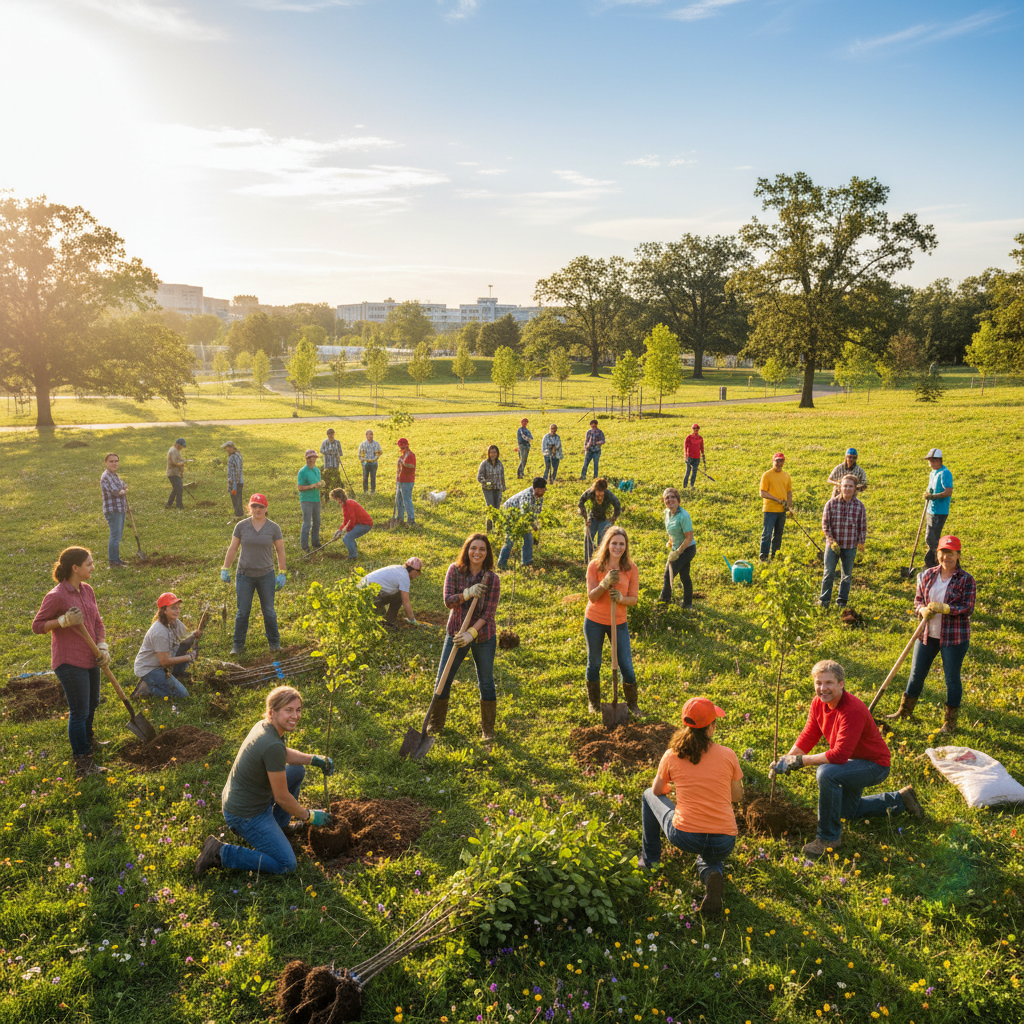
But here’s where it gets hopeful—we can actually do something about this. Understanding the problem is just the first step. What comes next? Action. Real, practical steps that work. If you’re ready to dig deeper into solutions, start with our guide on sustainable agriculture techniques—it’s packed with ways to grow food while actually helping the environment. Worried about the species we’re losing? Our resource on how to protect endangered species gives you concrete strategies you can use right in your community. Want to shrink your own environmental footprint? Check out how to reduce your environmental footprint for changes that actually make a difference. And if you’re curious about the cutting-edge tech that’s changing everything, don’t miss our feature on green technology innovations.
Look, tackling deforestation and climate change feels overwhelming sometimes. But here’s what I’ve learned: every action matters. Every choice to support forest conservation, every sustainable practice you adopt, every time you speak up for the environment—it all adds up. You now have the knowledge. You understand the connections. Most importantly, you know there’s still time to make a difference. The forests that keep our climate stable need our protection, and frankly, they need it now. Your voice matters in this fight. Your choices matter. Join us in building a future where forests thrive and our climate stays stable. The time to act is today.
Frequently Asked Questions
-
What is deforestation?
- Deforestation is the clearing or removal of forests for various human uses.
-
How does deforestation affect climate change?
- It contributes by releasing carbon stored in trees and reducing the planet’s ability to absorb CO2.
-
Can reforestation reverse the effects of deforestation?
- Planting trees helps restore carbon sinks and can mitigate climate impacts, but recovery takes time.
-
What can individuals do to help?
- Support sustainable products, reduce paper use, and participate in conservation efforts.