
Portable Gas Stove: Eco-Friendly Cooking Tips for Sustainable Outdoor Living
Portable gas stoves have become essential equipment for outdoor enthusiasts, campers, and emergency preparedness kits. However, many users overlook the environmental impact of their cooking choices and operational habits. By understanding how to use a estufa de gas portatil responsibly, you can minimize your carbon footprint while enjoying reliable, efficient cooking anywhere. This comprehensive guide explores practical strategies to make your portable gas cooking more sustainable, from fuel selection to maintenance practices that extend equipment lifespan.
The intersection of convenience and environmental consciousness doesn’t have to be a contradiction. Modern portable gas stoves offer efficiency advantages over traditional open fires, but their true sustainability depends on informed usage patterns. Whether you’re preparing meals at a campsite, managing outdoor events, or maintaining emergency supplies, adopting eco-friendly cooking practices transforms your portable stove into a responsible energy tool.
Understanding Portable Gas Stove Environmental Impact
Portable gas stoves occupy an interesting position in the sustainability conversation. Unlike electric vs gas lawn equipment debates, portable cooking appliances provide unique advantages for off-grid situations where electricity isn’t available. The environmental footprint of a portable gas stove encompasses multiple factors: the extraction and processing of fuel, combustion emissions, equipment manufacturing, transportation, and end-of-life disposal.
Liquefied petroleum gas (LPG) and butane canisters represent the most common fuel sources for portable stoves. These fuels burn relatively cleanly compared to wood fires, producing fewer particulate emissions and less smoke. However, the extraction, liquefaction, and transportation of these gases contribute to overall carbon emissions. Understanding these impacts helps you make informed decisions about when and how to use your portable cooking equipment.
The manufacturing process of portable gas stoves typically involves metal fabrication, which requires significant energy input. Stainless steel components, brass fittings, and aluminum bodies all demand energy-intensive production processes. By selecting durable, high-quality stoves and maintaining them properly, you extend their functional lifespan and reduce the frequency of replacement, thereby lowering the cumulative environmental impact.

Selecting the Right Fuel Type for Sustainability
Fuel selection significantly influences the sustainability profile of your portable gas cooking. Butane canisters dominate the market due to their convenience and compact size, but they present environmental trade-offs. Each disposable canister represents packaging waste, transportation emissions, and manufacturing resource consumption. Sustainable energy solutions for portable cooking include refillable canister systems that dramatically reduce waste generation.
Refillable propane or butane systems represent the most environmentally conscious choice for frequent users. These cartridges can be refilled dozens of times, eliminating the single-use packaging waste associated with disposable canisters. While refill infrastructure may be less convenient in remote locations, planning ahead to refill before trips makes this option practical for regular outdoor cooking.
When evaluating fuel options, consider the energy density and burn efficiency of different gas types. Propane offers superior cold-weather performance and slightly better energy density than butane, making it ideal for year-round outdoor cooking. According to the EPA’s green products standards, propane combustion produces lower emissions of volatile organic compounds compared to some alternative fuels.
Iso-butane blends have gained popularity for their superior performance in cold conditions while maintaining reasonable efficiency. These specialized fuel mixtures sometimes come in recyclable aluminum canisters rather than steel, reducing the weight and material intensity of packaging. Research your local recycling programs to determine which fuel canister types can be responsibly disposed of in your area.
Efficient Cooking Techniques to Reduce Fuel Consumption
The most sustainable portable gas stove is the one used efficiently. Simple cooking techniques can reduce fuel consumption by 20-40%, directly lowering your carbon footprint while extending fuel supply longevity. Proper cookware selection forms the foundation of efficient cooking: flat-bottomed pots with tight-fitting lids transfer heat most effectively to your food.
Match pot size to burner size whenever possible. Using a large pot on a small burner wastes heat energy around the sides, while an oversized burner beneath a small pot creates excess combustion without proportional cooking benefit. Stainless steel and copper-bottomed cookware conduct heat more efficiently than thin aluminum, though weight considerations matter for portable cooking applications.
Pre-cooking preparation dramatically improves efficiency. Cutting vegetables into uniform sizes ensures even cooking and reduces total heating time. Bringing water to room temperature before heating (rather than using cold water) reduces fuel consumption for boiling. Using lids while cooking traps heat and steam, reducing cooking time by up to 30% for items like pasta, rice, and stews.
Meal planning around fuel efficiency creates compound benefits. One-pot meals minimize the number of burners in use and reduce total cooking time. Batch cooking during one session uses fuel more efficiently than preparing multiple small meals throughout a camping trip. Consider preparing components ahead of time that only require reheating, further reducing fuel demands.
Wind management matters significantly for portable stove efficiency, especially in outdoor environments. Wind screens or cooking shelters reduce heat loss from flames and cookware, improving fuel efficiency by 15-25%. These accessories don’t require additional resources if constructed from natural materials like rocks or found wood, making them genuinely sustainable additions to your cooking setup.
Maintenance Practices for Long-Term Sustainability
Regular maintenance extends equipment lifespan and preserves fuel efficiency. Portable gas stoves require minimal upkeep, but neglect accelerates deterioration and performance decline. Inspect burner ports regularly for clogs caused by food debris or mineral deposits. Clean ports gently using a thin wire or specialized cleaning tool to restore optimal fuel flow and combustion efficiency.
Check fuel line connections and seals before each use to prevent gas leaks that waste fuel and pose safety hazards. Over time, rubber gaskets deteriorate and should be replaced promptly. Keeping replacement gasket kits on hand enables quick repairs that prevent extended periods of equipment downtime.
Corrosion represents the primary threat to portable stove longevity, particularly for models used in humid or coastal environments. Applying food-grade mineral oil or specialized stove oil to metal components after cleaning creates a protective barrier against oxidation. Store your stove in a dry location and use breathable covers rather than sealed plastic bags that trap moisture.
The ignition system deserves particular attention if your portable stove includes electric ignition. Keep the ignition module dry and protected from moisture. When piezo igniters fail, the stove remains functional (manual ignition via lighter works fine), but addressing ignition issues promptly maintains convenience and safety.
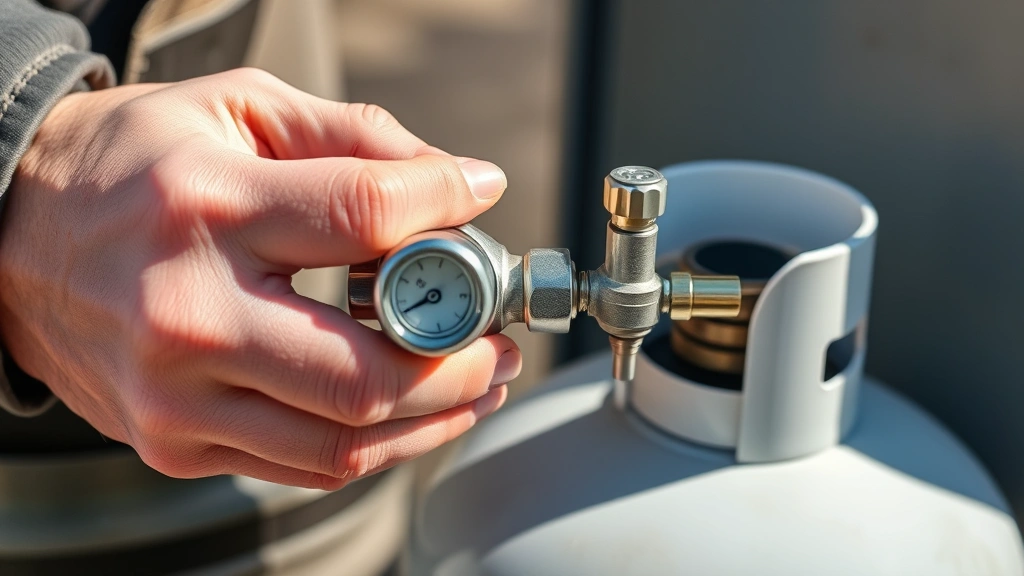
Inspect the regulator annually for signs of damage or malfunction. Regulators control fuel flow and pressure, ensuring safe operation and consistent performance. A faulty regulator may cause uneven heating, excessive fuel consumption, or dangerous pressure fluctuations. Professional inspection or replacement by qualified technicians maintains safety and efficiency standards.
Comparing Portable Stoves with Alternative Cooking Methods
Understanding how portable gas stoves compare to alternative cooking methods provides important context for sustainability decisions. Open campfires create atmospheric pollution, generate smoke that irritates eyes and lungs, and require significant wood harvesting. For wilderness areas, open fires can cause ecological damage through uncontrolled combustion and ash accumulation. Portable gas stoves eliminate these concerns while providing superior temperature control and cooking precision.
Camping stoves powered by solid fuel tablets or canned heat offer portability advantages but lower efficiency and less temperature control. These single-use fuel sources generate waste similar to disposable gas canisters, and their lower burn temperature makes certain cooking tasks impractical. For serious outdoor cooking, portable gas stoves provide better performance and comparable sustainability.
Related to broader energy discussions, advantages of electric vehicles highlight how fuel choice influences environmental impact. Similarly, evaluating gas vs electric water heater decisions reveals that fuel type matters less than overall efficiency and usage patterns. The same principle applies to portable cooking: sustainable operation depends more on efficient usage than fuel type alone.
Solar cooking represents an emerging alternative for fair-weather outdoor cooking. Solar ovens require no fuel and produce zero emissions, making them genuinely sustainable for appropriate applications. However, their slow cooking speed and weather dependency limit practical applications for camping and emergency situations. Combining portable gas stoves with occasional solar cooking creates a flexible, environmentally conscious outdoor cooking approach.
Portable induction cookers powered by rechargeable batteries offer another alternative for locations with electrical access. These devices provide excellent energy efficiency and precise temperature control but require charging infrastructure and generate electronic waste eventually. For true off-grid camping, portable gas stoves remain more practical than battery-dependent alternatives.
Storage and Safety Considerations
Proper storage protects both your equipment and the environment. Never store fuel canisters indoors or in enclosed spaces, as leaks create explosion hazards and release greenhouse gases into the atmosphere. Outdoor storage in cool, well-ventilated locations prevents pressure buildup and extends fuel shelf life. Ensure canisters remain upright to prevent liquid fuel leakage that contaminates soil.
Separate stoves from fuel canisters during storage to prevent corrosion and deterioration. Store stoves in dry locations protected from weather extremes. Moisture accelerates rust formation, while temperature fluctuations stress metal components and seals. A simple cardboard box in a garage or storage shed provides adequate protection for seasonal storage.
Never dispose of fuel canisters in regular trash or recycling bins. Residual pressure inside canisters creates explosion hazards for waste workers and recycling facility equipment. Contact local hazardous waste facilities or retailer take-back programs for proper canister disposal. Some outdoor retailers accept empty canisters for recycling or safe disposal.
Transport fuel canisters in vehicles according to local regulations, which typically require secure placement away from passenger compartments. Never transport canisters in trunk spaces with inadequate ventilation, as pressure buildup from heat exposure creates safety hazards. Plan fuel purchases to minimize transportation frequency, reducing both safety risks and carbon emissions from supply trips.
Reducing Your Carbon Footprint While Cooking Outdoors
Comprehensive carbon footprint reduction extends beyond the stove itself to encompass the entire cooking ecosystem. Planning meals that minimize cooking time directly reduces fuel consumption. Cold dishes, no-cook meals, and foods requiring minimal heating lower your overall energy demand during outdoor activities.
Sourcing local, seasonal ingredients for outdoor cooking reduces transportation emissions associated with food supply chains. Farmers markets and local producers typically offer ingredients requiring less refrigeration and shipping than supermarket options. This practice aligns with broader green technology innovations that emphasize localized, efficient systems over centralized, energy-intensive infrastructure.
Composting food waste from outdoor cooking prevents methane emissions from landfills while creating nutrient-rich soil amendments. Establish designated compost containers for your camping site, and follow Leave No Trace principles by dispersing compost appropriately or carrying it out for proper processing at home.
Group cooking activities to maximize efficiency. Preparing meals for multiple people simultaneously reduces fuel consumption per person compared to individual cooking sessions. Community campfire cooking events create social benefits while reducing per-capita environmental impact.
Consider the embodied carbon in your equipment purchases. Investing in high-quality, durable stoves and cookware reduces replacement frequency and associated manufacturing emissions. Second-hand portable stoves from reliable sources provide exceptional sustainability benefits by extending equipment lifespan and preventing manufacturing waste.
Educate fellow outdoor enthusiasts about efficient portable cooking practices. Sharing knowledge about fuel-saving techniques and proper maintenance multiplies the environmental benefits beyond your personal practices. Many camping communities benefit from collective commitment to sustainable outdoor cooking standards.
Visit SustainWise Hub Blog for additional resources on sustainable outdoor practices and energy-efficient equipment selection. Exploring electric vs gas lawn equipment discussions provides broader context for fuel choice considerations applicable to portable cooking appliances.
FAQ
What is the most environmentally friendly fuel for portable gas stoves?
Refillable propane or butane systems represent the most sustainable option by eliminating single-use canister waste. Propane offers superior cold-weather performance, while iso-butane blends provide better efficiency in moderate conditions. The key sustainability factor is refillability rather than fuel type.
How can I reduce fuel consumption while cooking outdoors?
Use appropriately sized cookware matched to burner size, keep lids on pots, prepare ingredients before cooking, and use wind screens to prevent heat loss. Pre-cooking preparation and batch cooking during single sessions maximize fuel efficiency significantly.
Are portable gas stoves safer than open campfires?
Yes, portable gas stoves provide superior safety through contained combustion, temperature control, and reduced fire risk. They eliminate smoke inhalation hazards and prevent uncontrolled fire spread. Proper fuel handling and storage remains essential for safe operation.
Can I recycle empty fuel canisters?
Most fuel canisters cannot enter standard recycling streams due to residual pressure hazards. Contact local hazardous waste facilities or outdoor retailers with take-back programs for proper disposal. Never place canisters in trash or recycling bins.
How long do portable gas stoves typically last?
Well-maintained portable gas stoves last 10-20+ years depending on usage frequency and storage conditions. Regular maintenance, proper storage, and prompt repairs of worn components significantly extend equipment lifespan.
What cookware works best with portable gas stoves?
Flat-bottomed pots with tight-fitting lids maximize heat transfer efficiency. Stainless steel and copper-bottomed cookware conduct heat most effectively. Avoid thin aluminum cookware that transfers heat poorly and distributes it unevenly.
Should I use portable gas stoves or solar cookers?
Both serve different purposes. Portable gas stoves provide reliable, weather-independent cooking for camping and emergencies. Solar cookers work excellently for fair-weather cooking without fuel consumption. Combining both approaches creates a flexible, sustainable outdoor cooking system.


