Eversource Gas: Sustainable Energy Future?
Eversource Energy stands as one of the largest energy delivery companies in the United States, serving millions of customers across the Northeast. With a significant portfolio spanning electricity, natural gas, and water services, the company has positioned itself at the intersection of energy infrastructure and environmental responsibility. As global climate concerns intensify and consumers increasingly demand cleaner energy alternatives, the question of whether Eversource Gas truly represents a sustainable energy future becomes critically important for stakeholders, investors, and environmentally conscious residents alike.
The energy landscape is undergoing profound transformation. Traditional fossil fuel reliance faces mounting pressure from climate science, regulatory frameworks, and shifting consumer preferences. Eversource’s approach to this transition—balancing operational demands with sustainability commitments—reveals both promising initiatives and significant challenges that warrant careful examination. Understanding their sustainability trajectory helps us evaluate whether established energy utilities can genuinely contribute to a cleaner energy future or whether structural limitations prevent meaningful progress.
Eversource’s Current Energy Portfolio and Infrastructure
Eversource Energy operates across three primary business segments: electricity distribution and generation, natural gas distribution, and water utility services. The company serves approximately 3.7 million customers throughout Massachusetts, Connecticut, New Hampshire, and Rhode Island, making it a dominant player in the regional energy market. Understanding their current portfolio composition is essential for assessing their sustainability credentials and future trajectory.
The electricity segment represents a significant portion of Eversource’s business, with generation coming from a diversified mix of sources. This includes nuclear power plants, hydroelectric facilities, and an increasingly substantial renewable energy component. The natural gas division, however, remains a cornerstone of their operations, distributing natural gas to over 1.6 million customers. This substantial reliance on fossil fuel distribution creates inherent tensions between profitability and climate responsibility, as the company’s financial model depends partly on continued natural gas consumption.
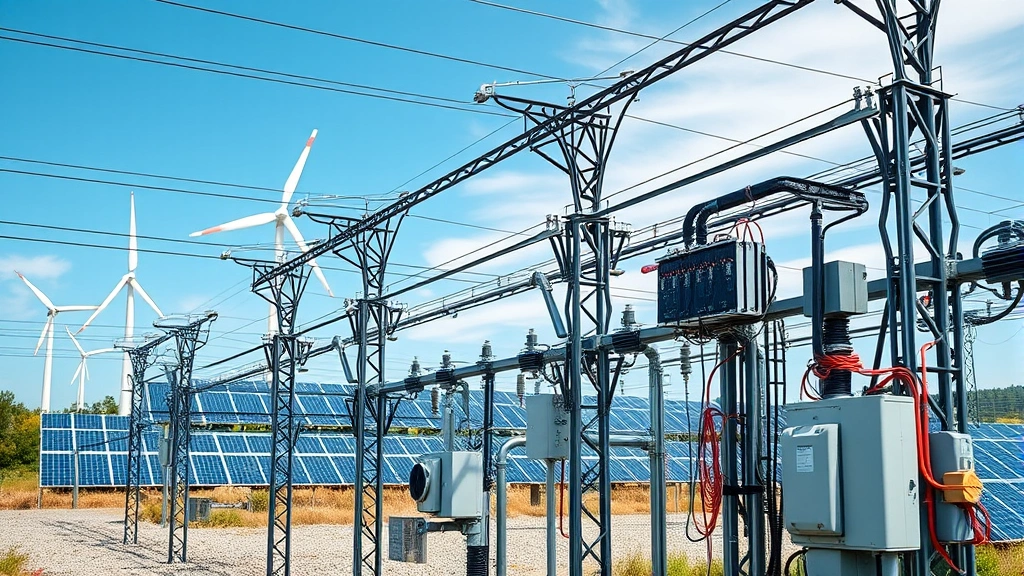
Infrastructure modernization efforts have been underway, with Eversource investing in green technology innovations and grid modernization projects. These initiatives include smart meter deployment, distribution automation, and upgrades to reduce system losses. However, the aging gas distribution infrastructure across their service territories presents ongoing challenges, with significant portions of underground piping dating back decades. Replacing this infrastructure to meet modern safety and efficiency standards requires substantial capital investment.
Natural Gas Operations and Environmental Impact
Natural gas has long been positioned as a transitional fuel—cleaner than coal but still a fossil fuel contributing to greenhouse gas emissions. Eversource’s extensive natural gas distribution network represents both an asset and a liability from a sustainability perspective. While natural gas produces approximately 50% fewer carbon emissions than coal when burned for electricity generation, it remains fundamentally incompatible with long-term climate goals outlined by the Environmental Protection Agency.
The company’s natural gas operations serve residential, commercial, and industrial customers across their service territories. This widespread distribution creates economic incentives to maintain and expand gas infrastructure, potentially conflicting with decarbonization objectives. Consumer demand for heating, cooking, and industrial processes currently depends heavily on natural gas, but transitioning these applications to electric alternatives represents a strategic priority for achieving climate targets.
Eversource has implemented efficiency programs encouraging customers to reduce natural gas consumption through weatherization, high-efficiency equipment upgrades, and behavioral conservation initiatives. These programs represent important steps toward reducing environmental footprint at the consumer level. However, critics argue that such efficiency improvements alone cannot achieve the dramatic emissions reductions necessary to meet climate commitments, particularly if they preserve reliance on natural gas rather than facilitating electrification.

Renewable Energy Investments and Commitments
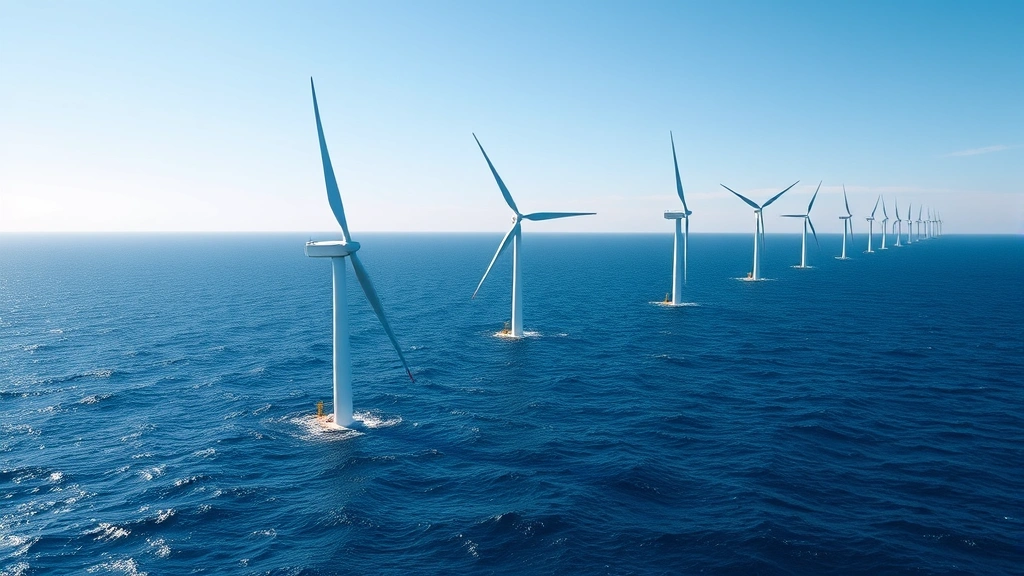
Eversource has made substantial commitments to renewable energy expansion, recognizing both regulatory requirements and market trends favoring clean energy. The company has invested in offshore wind projects, solar installations, and other renewable resources across their service territories. These investments demonstrate acknowledgment that the energy future must include significant renewable generation capacity.
The offshore wind component deserves particular attention. Eversource has partnered in major offshore wind developments, including the Vineyard Wind and Revolution Wind projects. These large-scale initiatives represent significant capital commitments to renewable energy infrastructure that will displace fossil fuel generation. Offshore wind represents particularly valuable renewable resources in the Northeast, with consistent wind resources and substantial generation capacity potential.
However, the pace of renewable deployment remains critical for sustainability assessment. While Eversource’s renewable commitments are noteworthy, the timeline for achieving substantial renewable penetration extends well into the 2030s and beyond. This gradual transition timeline, while perhaps realistic given infrastructure constraints, falls short of the urgent decarbonization pace that climate science increasingly demands. The company’s sustainable energy solutions must accelerate to align with climate imperatives.
Solar energy represents another important component of Eversource’s renewable strategy. The company has facilitated rooftop solar adoption among customers and invested in utility-scale solar projects. These distributed and centralized solar resources contribute to renewable generation growth, though solar’s intermittency requires complementary energy storage and grid flexibility solutions that remain under development.
Methane Emissions and Climate Concerns
Perhaps the most significant environmental concern regarding Eversource’s natural gas operations involves methane emissions. Methane, the primary component of natural gas, is approximately 80-86 times more potent than carbon dioxide as a greenhouse gas over a 20-year period, according to Intergovernmental Panel on Climate Change research. Even small leakage rates from gas distribution infrastructure can substantially undermine the climate benefits of natural gas relative to coal.
Eversource’s gas distribution system experiences methane leakage from various sources: aging pipe joints, corrosion, maintenance activities, and metering equipment. The company has implemented leak detection and repair programs, but the extent and effectiveness of these efforts relative to actual system emissions remains subject to scrutiny. Environmental advocates argue that comprehensive methane monitoring and rapid repair protocols are insufficient without addressing the fundamental problem of maintaining extensive fossil fuel infrastructure.
The company’s service territories include areas with particularly old gas infrastructure, where leak rates may exceed modern standards. Addressing this through infrastructure replacement represents a massive undertaking, requiring coordination between utility operations, regulatory frameworks, and customer support for potential rate increases. Eversource has undertaken pipeline replacement initiatives, though the pace remains debated among environmental groups and regulators.
Sustainability Initiatives and Corporate Goals
Eversource has published sustainability commitments and corporate responsibility goals addressing environmental, social, and governance considerations. The company has committed to sustainability principles including emissions reductions, renewable energy expansion, and community engagement. These commitments reflect recognition that long-term business viability depends on environmental stewardship and stakeholder trust.
The company’s emissions reduction targets establish specific reduction percentages for greenhouse gas emissions by defined target years. However, the baseline year selection, scope boundaries, and target stringency significantly impact the credibility of these commitments. Some environmental organizations have questioned whether Eversource’s targets align with the Paris Agreement’s 1.5-degree Celsius warming limit or whether they represent less ambitious intermediate steps.
Community engagement initiatives address environmental justice concerns, recognizing that low-income communities and communities of color often bear disproportionate environmental burdens from energy infrastructure. Eversource’s programs supporting energy efficiency upgrades and affordability measures represent steps toward equitable sustainability, though critics argue these efforts remain insufficient relative to the scale of environmental injustice challenges.
Corporate governance structures increasingly incorporate sustainability considerations, with board oversight of climate risks and opportunities. Eversource’s board includes members with environmental expertise, and executive compensation frameworks increasingly incorporate sustainability metrics. These structural changes reflect evolving expectations for corporate accountability regarding climate and environmental performance.
Comparison with Industry Standards
Evaluating Eversource’s sustainability performance requires comparison with peer utilities and industry standards. The regulated utility industry operates under specific constraints that distinguish it from unregulated energy companies. Utilities must serve all customers within their territories, invest in infrastructure reliability, and operate within regulatory frameworks that balance cost, reliability, and environmental considerations.
Compared to some peer utilities, Eversource’s renewable energy investments appear competitive, particularly regarding offshore wind and solar deployment. However, other utilities in different regulatory jurisdictions have achieved higher renewable penetration rates, suggesting that regulatory frameworks and state-level climate policies significantly influence utility sustainability performance. States with aggressive renewable portfolio standards and climate goals generally see faster renewable deployment than states with less stringent policies.
Methane emissions performance provides another comparison dimension. Some gas utilities have implemented more aggressive leak detection and repair programs, utilizing advanced technologies like satellite-based methane monitoring. Eversource’s leak management protocols, while implemented, may lag behind best-practice standards established by leading utilities in other regions.
The broader industry trend toward electric vehicle adoption and electrification presents both challenges and opportunities for gas utilities. Some utilities have embraced this transition, investing in electric vehicle charging infrastructure and promoting electrification of heating and cooking. Eversource’s positioning relative to this industry transition remains a critical sustainability indicator.
Future Outlook and Energy Transition Strategy
Eversource’s long-term sustainability depends fundamentally on successfully navigating the energy transition from fossil fuels toward renewable electricity and electrification. The company’s strategic planning must address several interconnected challenges: maintaining grid reliability during transition, managing stranded assets as fossil fuel infrastructure becomes obsolete, and adapting business models built on fossil fuel consumption.
The regulatory environment will significantly shape Eversource’s transition pathway. State-level climate legislation, renewable portfolio standards, and building electrification mandates will increasingly pressure utilities to accelerate decarbonization. The company’s relationship with regulators and policymakers will determine whether it can shape this transition in ways that preserve financial viability while meeting climate imperatives.
Distributed energy resources, including rooftop solar, battery storage, and demand management technologies, present both opportunities and disruptions for traditional utility business models. Eversource’s ability to integrate these technologies while maintaining grid stability and system reliability will determine its competitive position in the evolving energy landscape. Some utilities have embraced distributed energy integration, while others have resisted changes threatening traditional revenue models.
The hydrogen opportunity presents a potential long-term strategy for some gas utilities, including potential conversion of gas infrastructure to carry hydrogen produced from renewable electricity. However, hydrogen pathways remain speculative, with significant technical and economic uncertainties. Relying on future hydrogen availability to justify continued gas infrastructure investment risks stranded assets if hydrogen development fails to materialize at required scales.
Eversource’s sustainability future ultimately depends on whether it can transition its business model from fossil fuel distribution toward clean energy delivery and electrification facilitation. This transformation requires strategic vision, substantial capital investment, stakeholder engagement, and genuine commitment to climate imperatives beyond corporate rhetoric. The company’s track record suggests capacity for significant change, yet fundamental structural challenges remain regarding the compatibility between fossil fuel infrastructure preservation and authentic climate action.
FAQ
Is Eversource gas truly sustainable?
Eversource’s sustainability credentials are mixed. While the company invests substantially in renewable energy and has implemented efficiency programs, its continued reliance on natural gas distribution and associated methane emissions present significant environmental concerns. The company demonstrates commitment to sustainability initiatives, but the pace of transition and structural dependence on fossil fuel infrastructure limit claims of genuine sustainability.
What renewable energy sources does Eversource use?
Eversource generates electricity from multiple renewable sources including offshore wind, solar power, and hydroelectric facilities. The company has invested in major offshore wind projects and supports distributed solar adoption. These renewable resources increasingly displace fossil fuel generation, though the transition timeline extends well into future decades.
How does Eversource address methane emissions?
Eversource implements leak detection and repair programs to minimize methane emissions from its gas distribution infrastructure. The company has undertaken pipeline replacement initiatives to reduce leakage from aging infrastructure. However, environmental advocates argue these measures remain insufficient relative to the climate imperative to transition away from natural gas entirely.
What are Eversource’s climate commitments?
Eversource has published emissions reduction targets and committed to renewable energy expansion. The company’s sustainability goals address greenhouse gas reductions, renewable energy deployment, and community engagement. However, the stringency of these targets relative to climate science requirements and the timeline for achievement remain subjects of debate among environmental organizations.
How can customers reduce their environmental impact with Eversource?
Customers can participate in Eversource’s energy efficiency programs, including weatherization assistance and equipment upgrades. Installing rooftop solar, utilizing demand response programs, and reducing energy consumption all decrease environmental footprint. Customers can also advocate for stronger climate policies and utility sustainability commitments through regulatory engagement.
What is Eversource’s strategy for the energy transition?
Eversource’s transition strategy emphasizes renewable energy investment, grid modernization, and efficiency improvements. The company is adapting to distributed energy resources and preparing for increased electrification. However, the full scope and timeline of this transition remain evolving as regulatory frameworks and market conditions shift.


