Gas in Liquid: Top 5 Examples Explained
The dissolution of gases into liquids is a fundamental process that occurs throughout nature, industry, and everyday life. From the carbonation in your morning beverage to the oxygen that sustains aquatic ecosystems, examples of gas dissolved in liquid demonstrate the remarkable interplay between different states of matter. Understanding these processes is not only scientifically fascinating but also critical for sustainable practices in environmental management, food production, and water treatment systems.
This phenomenon, governed by Henry’s Law and principles of molecular chemistry, reveals how gases can integrate into liquid solutions under specific conditions of temperature, pressure, and concentration. Whether you’re interested in environmental sustainability or simply curious about the science behind everyday products, exploring these five primary examples will deepen your appreciation for this essential chemical process and its applications in creating a more sustainable future.

Carbonated Water and Beverages: The Most Common Example
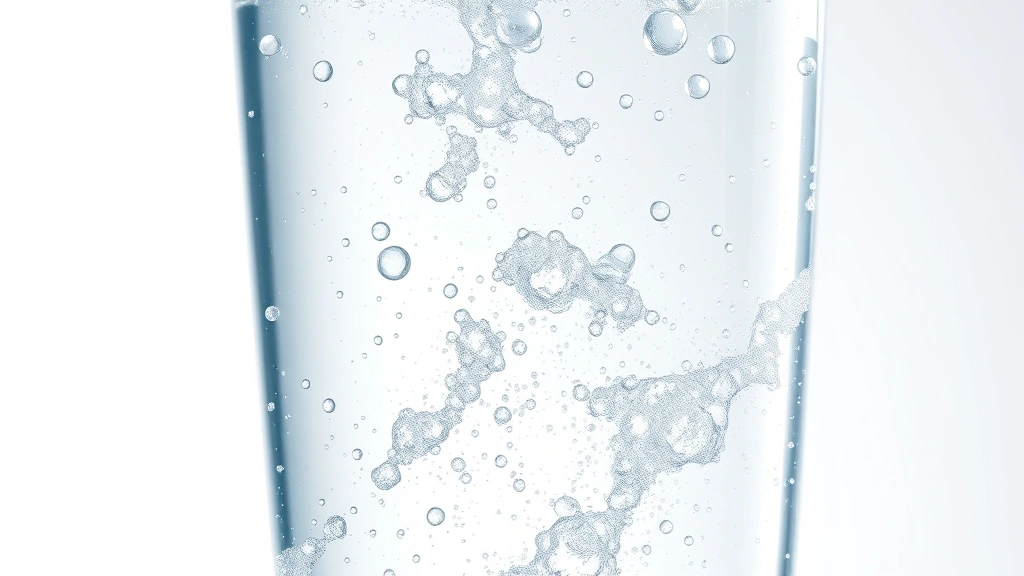
Carbonated water represents perhaps the most recognizable example of gas dissolved in liquid that most people encounter regularly. When carbon dioxide gas (CO₂) is forced into water under high pressure—typically between 3.5 to 4 volumes of CO₂ per volume of liquid—the gas molecules integrate into the water solution, creating the fizzy sensation and distinctive taste we associate with soft drinks, sparkling water, and champagne.
The process works because increased pressure forces CO₂ molecules into the liquid, where they form carbonic acid (H₂CO₃), a weak acid that gives carbonated beverages their slightly acidic character. This dissolution is temporary; when you open a carbonated beverage, the pressure decreases, and CO₂ gradually escapes back into the atmosphere, which is why fizzy drinks go flat over time.
From a sustainability perspective, the carbonation industry has significant environmental implications. The production of CO₂ for beverage carbonation, the energy required for pressurization, and the waste generated from single-use bottles all contribute to carbon footprints. Progressive companies are now exploring green technology innovations to reduce emissions in beverage production and promote reusable container systems.
Home carbonation systems have emerged as more sustainable alternatives to commercially bottled beverages, allowing consumers to reduce plastic waste while controlling sugar content and additives in their drinks. Understanding the chemistry behind carbonation helps consumers make environmentally conscious choices about their beverage consumption.
Dissolved Oxygen in Water: Essential for Life
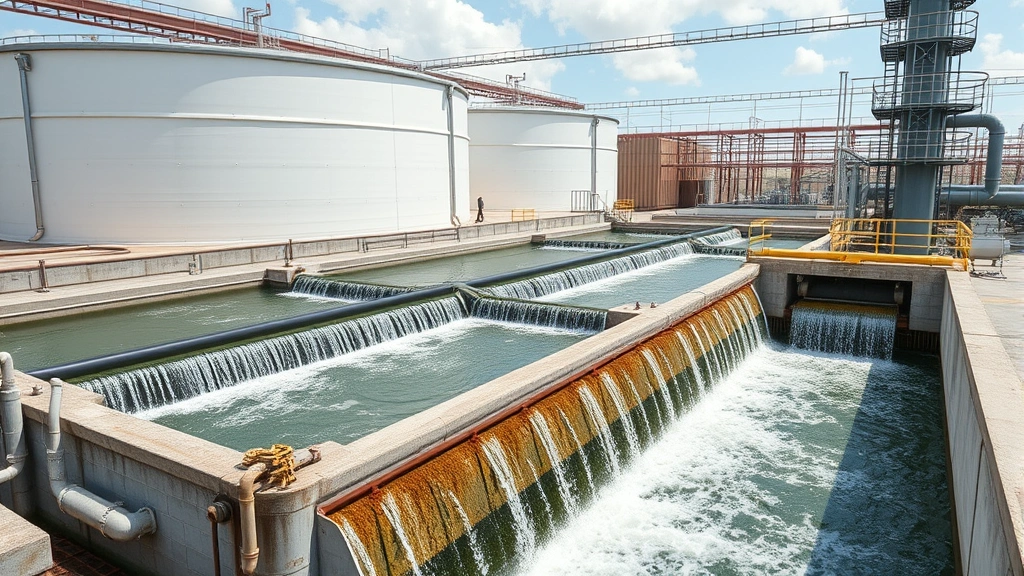
Dissolved oxygen (DO) in water is perhaps the most critical gas dissolved in liquid example for environmental sustainability and ecosystem health. Oxygen gas naturally dissolves in water through atmospheric contact, diffusion, and photosynthetic activity by aquatic plants and algae. This dissolved oxygen is absolutely essential for the survival of fish, aquatic invertebrates, and countless microorganisms that form the foundation of aquatic food webs.
The amount of oxygen that can dissolve in water depends on several factors: temperature (cold water holds more oxygen than warm water), atmospheric pressure, salinity, and the presence of organic matter. Healthy freshwater ecosystems typically maintain dissolved oxygen levels between 5-10 milligrams per liter, while levels below 3 mg/L create hypoxic (low-oxygen) conditions that stress or kill aquatic life.
Environmental degradation threatens dissolved oxygen levels in multiple ways. Agricultural runoff and sewage introduce excess nutrients that trigger algal blooms. When these algae die and decompose, microbial decomposition consumes dissolved oxygen at unsustainable rates, creating “dead zones” where aquatic life cannot survive. The EPA’s nutrient pollution program documents these critical oxygen depletion events in coastal waters worldwide.
Addressing dissolved oxygen depletion requires comprehensive approaches aligned with sustainability principles. Solutions include reducing agricultural chemical runoff, upgrading wastewater treatment facilities, restoring wetlands that naturally filter water, and protecting riparian zones that shade streams and maintain cooler temperatures. Monitoring dissolved oxygen levels serves as a key indicator of water quality and ecosystem health, making it central to environmental conservation efforts.
Artificial aeration systems in lakes and rivers can temporarily increase dissolved oxygen, but addressing root causes—pollution reduction and habitat restoration—provides lasting solutions. Communities implementing these strategies demonstrate how understanding gas dissolution chemistry directly translates to environmental protection.
Nitrogen in Blood: Understanding Decompression Sickness
Nitrogen gas dissolved in blood and body tissues represents a fascinating and potentially dangerous example of gas dissolution in liquids, particularly relevant to divers and aviation professionals. When humans breathe compressed air at depth, nitrogen dissolves into the bloodstream and tissues according to Henry’s Law—the deeper the dive and longer the exposure, the more nitrogen dissolves into body fluids.
The danger emerges during ascent. As external pressure decreases, dissolved nitrogen can no longer remain in solution and forms bubbles within tissues and the bloodstream. This condition, called decompression sickness or “the bends,” causes severe pain, neurological damage, and potentially death if nitrogen bubbles form in critical areas like the spinal cord or brain.
Professional divers manage this risk through controlled ascent rates that allow nitrogen to gradually exit through the lungs, and by using decompression stops at specific depths where the body can safely off-gas. Advanced diving protocols even substitute helium for some nitrogen in breathing mixtures, since helium dissolves and off-gases more rapidly than nitrogen.
Understanding nitrogen dissolution has applications beyond diving. Aviators must account for similar decompression principles when flying at high altitudes. Medical researchers study how gases dissolve in bodily fluids to develop better treatments for decompression sickness and understand how anesthetic gases interact with neural tissue.
This example illustrates how scientific understanding of gas-liquid interactions directly impacts human safety and has driven development of specialized equipment and procedures in high-risk professions. The principles governing nitrogen dissolution also inform sustainable energy solutions in industrial applications where pressure and gas management are critical.
Carbon Dioxide in Ocean Water: Climate and Ecosystems
The dissolution of carbon dioxide in ocean water represents one of the most significant environmental challenges of our time and a crucial example of gas dissolved in liquid with global implications. The world’s oceans absorb approximately 25% of atmospheric CO₂ emissions, acting as a massive carbon sink that has historically helped regulate Earth’s climate.
When CO₂ dissolves in seawater, it undergoes a series of chemical reactions: CO₂ + H₂O → H₂CO₃ → H⁺ + HCO₃⁻ → 2H⁺ + CO₃²⁻. This process produces hydrogen ions, which increase ocean acidity—a phenomenon known as ocean acidification. Since the industrial revolution, ocean pH has decreased by 0.1 units, representing a 30% increase in acidity.
Ocean acidification creates cascading environmental problems. It reduces the ability of shellfish, corals, and pteropods (sea butterflies) to build and maintain their calcium carbonate shells and skeletons. This threatens marine food webs, as pteropods are crucial prey for salmon, whales, and seabirds. Coral bleaching intensifies as acidification combines with warming temperatures to stress these vital ecosystems. According to NOAA’s ocean acidification research, the rate of change is unprecedented in millions of years.
Addressing ocean acidification requires aggressive action on climate and sustainability topics covered throughout environmental literature. Reducing carbon emissions remains the primary solution, which connects to transitioning toward renewable energy and sustainable transportation. Exploring advantages of electric vehicles and other low-carbon technologies becomes essential when understanding how individual choices impact ocean chemistry.
Secondary approaches include marine protected areas that build ecosystem resilience, restoration of kelp forests and seagrass beds that capture CO₂, and research into organisms that may adapt to changing ocean conditions. However, these interventions cannot substitute for emissions reductions, as they cannot reverse the fundamental chemistry of CO₂ dissolution in seawater.
The ocean acidification example demonstrates how understanding gas dissolution chemistry connects directly to global sustainability challenges and underscores the urgency of transitioning to carbon-neutral energy systems and practices.
Anesthetic Gases in Liquid: Medical Applications
In medical settings, various gaseous anesthetics dissolve in blood and body tissues to produce sedation and pain relief during surgical procedures. Volatile anesthetics like sevoflurane, isoflurane, and desflurane are liquids at room temperature but readily vaporize and dissolve in blood and neural tissue, where they suppress consciousness and sensation by affecting neurotransmitter activity.
The solubility of anesthetic gases in blood and tissue determines their speed of action and elimination. Gases with lower blood solubility (like nitrous oxide) dissolve quickly and reach the brain rapidly, enabling fast induction of anesthesia and quick recovery. Conversely, more soluble anesthetics provide longer-lasting effects but require longer recovery periods.
Anesthesiologists carefully manage gas concentrations, delivery rates, and patient physiology to maintain optimal anesthetic depth while minimizing side effects. Modern anesthesia delivery systems include sophisticated vaporizers that precisely control the amount of gaseous anesthetic entering the patient’s breathing circuit.
Environmental concerns have emerged regarding anesthetic gas disposal. Nitrous oxide, widely used in medicine and dentistry, is a potent greenhouse gas that contributes to atmospheric ozone depletion and climate change. Healthcare facilities now implement scavenging systems that capture and safely dispose of waste anesthetic gases rather than releasing them directly into the atmosphere. This represents an important intersection between medical practice and environmental responsibility.
Research into more environmentally sustainable anesthetic agents continues, seeking compounds that maintain therapeutic effectiveness while reducing environmental impact. This example shows how even specialized medical applications must consider sustainability principles and environmental stewardship practices that minimize waste and emissions across all sectors.
FAQ
What is Henry’s Law and how does it explain gas dissolution in liquids?
Henry’s Law states that the amount of gas dissolved in a liquid is directly proportional to the partial pressure of that gas above the liquid, provided the temperature remains constant. Mathematically: C = kP, where C is concentration, k is the Henry’s Law constant (specific to each gas-liquid pair), and P is partial pressure. This law explains why carbonated beverages go flat when opened (pressure decreases, so dissolved CO₂ escapes) and why cold water holds more dissolved oxygen than warm water (solubility decreases with temperature).
Why do fish die when dissolved oxygen levels drop too low?
Fish require dissolved oxygen for cellular respiration—the process that converts food into usable energy. When dissolved oxygen drops below critical thresholds (typically below 3 mg/L for most species), fish cannot obtain sufficient oxygen through their gills to support metabolic functions. They experience stress, reduced growth, behavioral changes, and eventually death. Additionally, low-oxygen conditions favor anaerobic bacteria that produce toxic hydrogen sulfide, further degrading water quality and aquatic habitat.
How does temperature affect gas solubility in liquids?
Temperature inversely affects gas solubility in most liquids: as temperature increases, gas solubility decreases. This occurs because higher temperature increases molecular motion, giving gas molecules more kinetic energy to escape from solution. This is why warm soda goes flat faster than cold soda, and why fish populations struggle in warming rivers and lakes due to insufficient dissolved oxygen availability.
What is the difference between physical and chemical dissolution of gases?
Physical dissolution involves gas molecules integrating into liquid without forming new chemical bonds—the gas remains in its original molecular form. Dissolved oxygen in water is an example of physical dissolution. Chemical dissolution involves chemical reactions between the gas and liquid, creating new compounds. Carbon dioxide dissolving in water is partially chemical (forming carbonic acid) and partially physical. Understanding this distinction helps explain why some dissolved gases can be easily removed (physical) while others require chemical treatment.
How can industries reduce their environmental impact related to gas-liquid interactions?
Industries can implement multiple strategies: capturing and recycling waste gases rather than releasing them to atmosphere; using more environmentally friendly alternative gases; improving process efficiency to reduce overall gas consumption; installing advanced filtration and treatment systems; transitioning to renewable energy sources that reduce carbon-intensive operations; and investing in research for sustainable alternatives. Food and beverage companies, for example, can adopt closed-loop carbonation systems and switch to renewable energy for production facilities.