Are Flex Gas Lines Safe? Plumber Insights on Installation, Risks & Best Practices
Flexible gas lines have become increasingly popular in residential and commercial plumbing applications, offering convenience and ease of installation compared to rigid piping. However, homeowners and property managers often wonder: are flex gas lines actually safe? This question deserves thorough examination, as safety in gas delivery systems is paramount. Understanding the composition, regulations, installation standards, and potential risks associated with flexible gas connectors helps you make informed decisions about your home’s gas infrastructure.
The debate surrounding flex gas lines centers on balancing their practical advantages with legitimate safety concerns. While manufacturers and plumbers tout their flexibility and cost-effectiveness, critics point to documented failures and potential hazards. This comprehensive guide explores what professional plumbers know about flex gas line safety, examining the science behind these products, regulatory frameworks, installation best practices, and when you should consider alternatives.
What Are Flex Gas Lines and How Do They Work
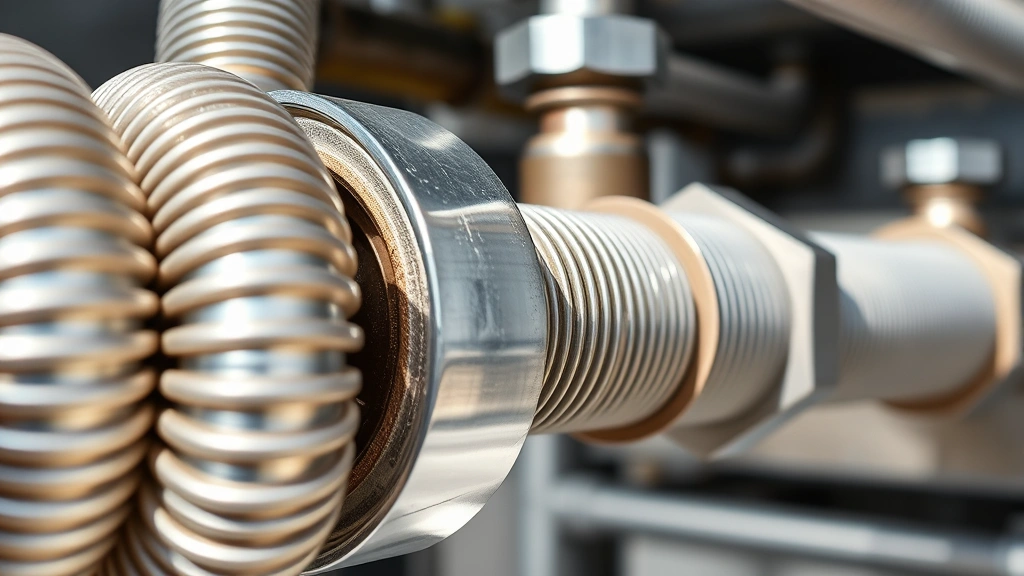
Flexible gas lines, commonly called corrugated stainless steel tubing (CSST) or flex connectors, are modern alternatives to traditional rigid copper or steel piping. These lines consist of a stainless steel inner core surrounded by protective layers, including nylon and aluminum shielding. The flexibility allows installers to navigate tight spaces, reducing the number of fittings required and simplifying the installation process considerably.
The primary advantage of flex gas lines is their adaptability. Unlike rigid pipes that require precise measurements and multiple connection points, flexible tubing can bend and curve to follow the contours of your home’s infrastructure. This reduces labor costs and installation time. The stainless steel construction resists corrosion better than traditional materials in many environments, potentially extending the lifespan of the gas delivery system.
However, the same flexibility that makes installation easier also introduces complexity in how these lines must be handled, protected, and maintained. The thin walls and multiple layers create potential vulnerability points if not properly installed or protected. Understanding the specific construction and how different environmental factors affect flex gas lines is crucial for assessing their safety profile.

Safety Standards and Regulatory Framework
Flexible gas lines are regulated by several organizations and standards bodies. The primary standard in North America is ANSI Z223.1 (adopted as part of the International Fuel Gas Code), which establishes minimum safety requirements for gas piping. The National Fuel Gas Code requires that all gas piping materials, including flexible connectors, meet specific performance criteria. The EPA also oversees aspects of natural gas safety as part of broader environmental and public safety regulations.
Manufacturers must submit their flex gas line products for testing and certification. Products meeting ANSI standards are typically labeled with certification marks. However, standards compliance doesn’t eliminate all risks—it establishes minimum acceptable performance under specified conditions. Plumbers must understand that meeting code requirements is different from eliminating all potential failure modes.
Local building codes often have specific requirements for flex gas line installation, including maximum length limitations (typically 3-6 feet for connections to appliances), prohibition in certain locations like concealed spaces, and requirements for proper bonding and grounding. These regulations exist because real-world failures have occurred, prompting code updates to prevent future incidents. The National Fire Protection Association (NFPA) also provides guidance on gas safety systems.
Common Risks and Failure Points
Despite regulatory oversight, flex gas lines have documented failure modes that every homeowner should understand. One significant concern is lightning strike damage. Unlike rigid copper piping, which conducts electricity safely to ground, CSST can be damaged by electrical current from lightning strikes or electrical faults. This damage may create pinhole leaks that are difficult to detect, potentially leading to gas accumulation in walls or crawl spaces.
Another risk involves mechanical damage during installation. The thin walls of flex gas lines are vulnerable to punctures from careless handling, nail penetration during drywall installation, or damage from rodents. Improper bending beyond the manufacturer’s specifications can weaken the tubing. Additionally, improper connections at fittings represent a common failure point—if fittings aren’t adequately tightened or the correct type isn’t used, gas leaks can develop.
Chemical degradation is another concern that plumbers monitor. Certain environmental conditions, including exposure to acidic soils or specific chemicals, can deteriorate the outer shielding or inner tubing over time. Improper bonding and grounding increases vulnerability to electrical damage. Some jurisdictions have experienced clusters of failures linked to specific manufacturing batches or installation practices, leading to recalls and code modifications.
The difficulty of detecting leaks in flex gas lines compounds these risks. Unlike rigid pipes where leaks are often visible, a pinhole leak in flexible tubing might go unnoticed until gas accumulates to dangerous levels. This is why reducing your environmental footprint includes ensuring your home’s gas systems are safe and efficient.
Professional Installation Best Practices
Experienced plumbers follow specific protocols when installing flex gas lines to maximize safety. First, proper bonding and grounding is essential. The tubing must be bonded to the home’s grounding system to safely dissipate electrical current from lightning strikes or electrical faults. This typically involves a jumper wire connecting the flex line to a grounded conductor.
Second, protective routing prevents mechanical damage. Flex gas lines should not be installed in locations where they could be punctured by nails, screws, or other fasteners. Where lines must pass through walls or near construction areas, protective sleeves or conduit should be installed. Plumbers also avoid routing flex lines through attics, crawl spaces, or areas prone to rodent activity without additional protection.
Third, length limitations must be observed. Building codes typically restrict flex gas line segments to 3-6 feet at appliance connections. Longer runs should use rigid piping to ensure proper support and reduce vibration and stress on fittings. Proper support clamps should be installed every 12-18 inches to prevent sagging or movement.
Fourth, correct fitting selection and installation is critical. All fittings must be approved for gas service and properly sized for the tubing. Connections should be hand-tightened and then additional turns applied with a wrench—typically 1-1.5 additional turns after hand-tight. Over-tightening can damage fittings; under-tightening causes leaks. Professional plumbers use sustainable energy solutions approaches that include proper gas system installation as part of overall home efficiency.
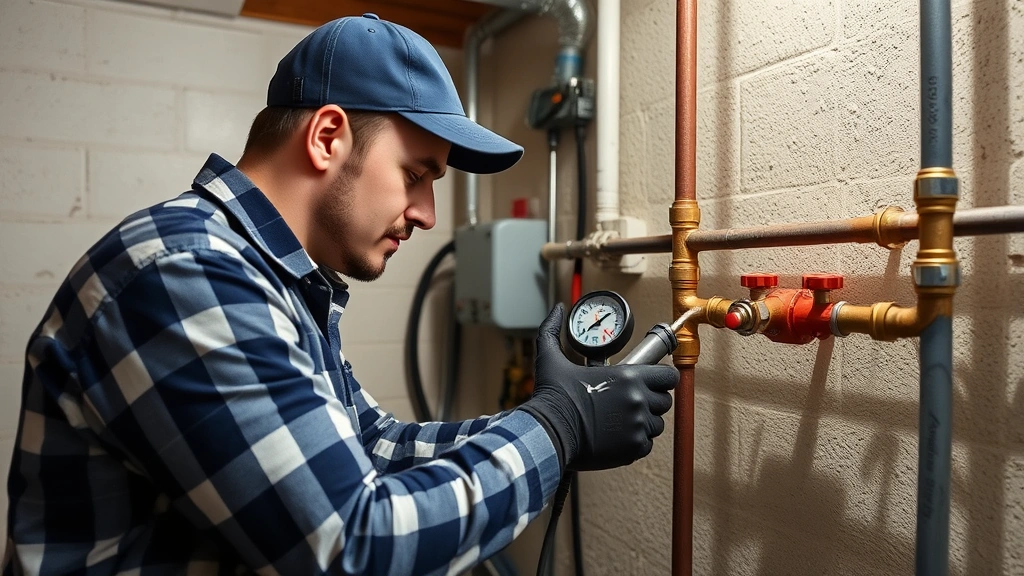
Finally, pressure testing after installation ensures integrity. Plumbers perform pressure tests at 10 PSI (or per code requirements) and monitor for pressure loss over a specified period. Any pressure drop indicates a leak requiring investigation and repair before the system is activated.
Maintenance and Inspection Protocols
Regular inspection of flex gas lines is part of responsible home maintenance. Homeowners should visually inspect accessible portions annually, looking for signs of damage, corrosion, or deterioration. Professional inspections should be scheduled during annual furnace or water heater maintenance. Plumbers will check for proper bonding, visible damage, correct support, and appropriate routing.
If you suspect a gas leak—indicated by a distinctive odor, hissing sound, or dead vegetation near outdoor gas lines—evacuate the area immediately and call your gas utility or emergency services. Do not attempt to locate leaks yourself using open flames. Professional gas leak detection uses electronic instruments to identify even small leaks.
Upgrade considerations may be appropriate if your home has older flex gas lines installed before current code standards were established, particularly if lines pass through areas where they could be damaged. Consulting with a licensed plumber about your specific situation helps determine if replacement with modern materials or updated installation practices is warranted.
Flex Gas Lines vs Rigid Piping
Comparing flex gas lines to traditional rigid piping reveals trade-offs worth understanding. Rigid copper or steel piping offers superior durability and lightning protection. These materials are less vulnerable to mechanical damage and chemical degradation. They conduct electricity safely, reducing lightning strike risk. However, rigid piping requires more labor-intensive installation, higher material costs, and careful measurement to navigate complex building layouts.
Flex gas lines offer installation convenience, lower material costs, and faster installation times. For short appliance connections in accessible locations, they represent a practical choice when properly installed and protected. The key is matching the application to the material—flex lines excel for localized connections, while rigid piping is preferable for main distribution runs and in areas prone to damage.
Many modern installations use a hybrid approach: rigid piping for main distribution through the home, with flex connectors used only for final connections to appliances. This balances the advantages of both materials while minimizing exposure to flex line vulnerabilities. Green technology innovations in gas system design increasingly emphasize safety-first approaches that may favor rigid materials for primary infrastructure.
Environmental Considerations
While flex gas lines present safety considerations, they also have environmental implications worth examining. Natural gas, delivered through any piping system, is a fossil fuel with carbon emissions. From a sustainability perspective, understanding sustainability means considering your entire home energy system. Regardless of piping material, reducing natural gas consumption through improved insulation, efficient appliances, and renewable energy alternatives benefits the environment.
The manufacturing of flex gas lines involves stainless steel production and petroleum-based protective coatings, creating embodied carbon. Rigid copper piping also has environmental costs, including mining impacts and processing energy. The shorter installation time and reduced material waste from flex gas lines can offset some environmental costs, though this varies by specific project.
From a risk perspective, properly functioning gas systems—whether flex or rigid—prevent leaks that would waste fuel and increase emissions. A leaking gas line represents both a safety hazard and environmental problem. Maintenance and proper installation of any gas delivery system, regardless of material choice, supports environmental responsibility.
For homeowners committed to sustainability, consider pairing safe gas infrastructure with a transition plan toward renewable energy. Advantages of electric vehicles extend to home energy systems—heat pumps and electric appliances can replace gas-dependent systems over time. Ensuring your current gas infrastructure is safe and leak-free is an important interim step while planning long-term energy transitions.
FAQ
Are flex gas lines safe if properly installed?
Yes, when installed according to current building codes by qualified plumbers, flex gas lines are generally safe for their intended applications. Proper bonding, grounding, protective routing, and pressure testing minimize risks. However, they require more careful handling and maintenance than rigid piping, and they’re best used for short appliance connections rather than main distribution.
How can I tell if my flex gas line has a leak?
Professional gas leak detection using electronic instruments is the reliable method. Never use open flames. If you smell natural gas (a distinctive rotten egg odor), hear hissing, or notice dead vegetation near outdoor gas lines, evacuate and call emergency services. Have a licensed plumber inspect your system professionally.
Should I replace my flex gas lines with rigid piping?
This depends on your specific situation. If lines are properly installed, bonded, and routed in protected locations, replacement may not be necessary. Consult a licensed plumber who can assess your installation against current codes. Replacement is more strongly recommended if lines are in exposed locations prone to damage or if they’re older installations predating current standards.
What does bonding a flex gas line mean?
Bonding connects the flex gas line to your home’s electrical grounding system using a copper jumper wire. This safely dissipates electrical current from lightning strikes or electrical faults, preventing dangerous arcing that could damage the tubing and create leaks.
Can flex gas lines be used for outdoor applications?
Flex gas lines are typically used for indoor appliance connections. Some products are rated for outdoor use, but they require additional protection from UV exposure and weather. Always verify that the specific flex line product is rated for your intended application and follow manufacturer specifications.
How often should flex gas lines be inspected?
Professional inspections should occur annually or during routine maintenance visits for connected appliances. Homeowners should visually inspect accessible portions periodically for visible damage, corrosion, or deterioration. Any concerns warrant professional evaluation.
Are all flex gas lines the same quality?
No. Quality varies among manufacturers. Look for products that meet ANSI standards and carry certification marks. Some manufacturers have better track records than others. Licensed plumbers typically use established brands with proven safety records and may recommend specific products based on their experience.


