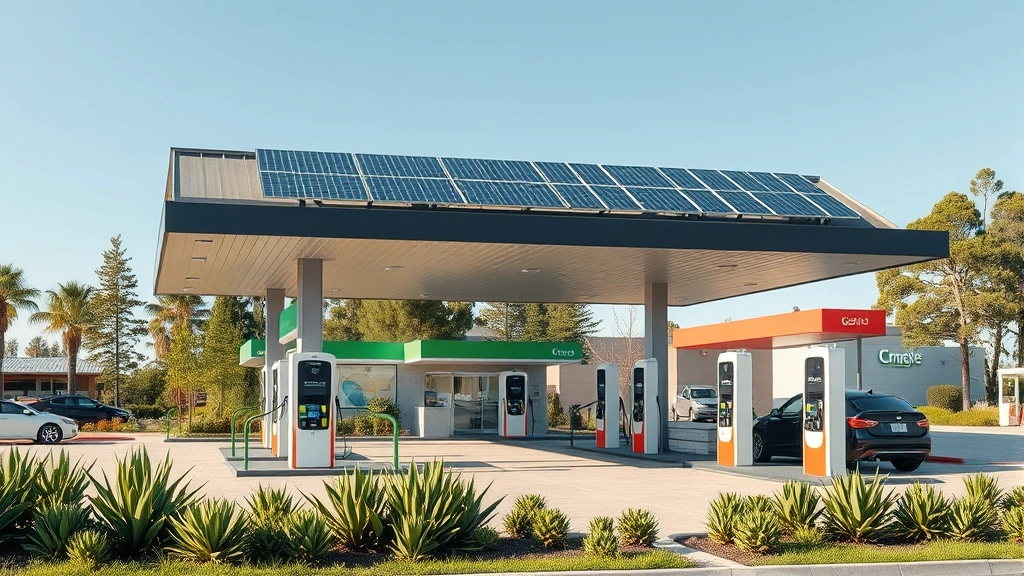
Eco-Friendly Gas Stations? Fox Leads the Way
The fossil fuel industry faces unprecedented pressure to innovate and adapt to a world increasingly committed to sustainability. Among traditional gas station operators, Fox has emerged as a surprising leader in implementing environmental initiatives that challenge the status quo. This shift isn’t merely about corporate responsibility—it’s a strategic response to consumer demand, regulatory pressures, and the undeniable reality of climate change.
Fox gas stations represent a fascinating case study in how legacy industries can integrate eco-friendly practices without abandoning their core business model. From renewable energy integration to electric vehicle infrastructure, Fox demonstrates that convenience retail and environmental stewardship aren’t mutually exclusive. As we examine their initiatives, we’ll explore what makes their approach significant and what it means for the broader energy sector.
Fox Gas Station’s Environmental Commitment
Fox gas stations have implemented a comprehensive environmental strategy that addresses multiple aspects of their operations. The company recognizes that traditional gas stations contribute significantly to carbon emissions—both through fuel sales and their operational footprint. Their commitment involves retrofitting existing locations and designing new facilities with sustainability at the forefront.
The initiative extends beyond symbolic gestures. Fox has invested in sustainable energy solutions that reduce their reliance on grid electricity powered by fossil fuels. This includes installing solar panels on station roofs, implementing energy-efficient lighting systems, and optimizing HVAC systems through smart building management technology. These investments represent millions of dollars in capital expenditure, demonstrating genuine corporate commitment rather than superficial greenwashing.
What distinguishes Fox’s approach is their acknowledgment that the transition away from fossil fuels requires infrastructure and incentives. Rather than simply selling petroleum products, they’re positioning themselves as energy retailers—a subtle but crucial distinction that opens pathways to profitability in a decarbonizing world. This business model evolution ensures relevance regardless of how quickly the automotive market transitions to electric vehicles.
The company has also established transparent reporting mechanisms for their environmental impact. By publishing annual sustainability reports and third-party audited emissions data, Fox demonstrates accountability to stakeholders and consumers who increasingly demand evidence of genuine environmental commitment.
Electric Vehicle Charging Infrastructure
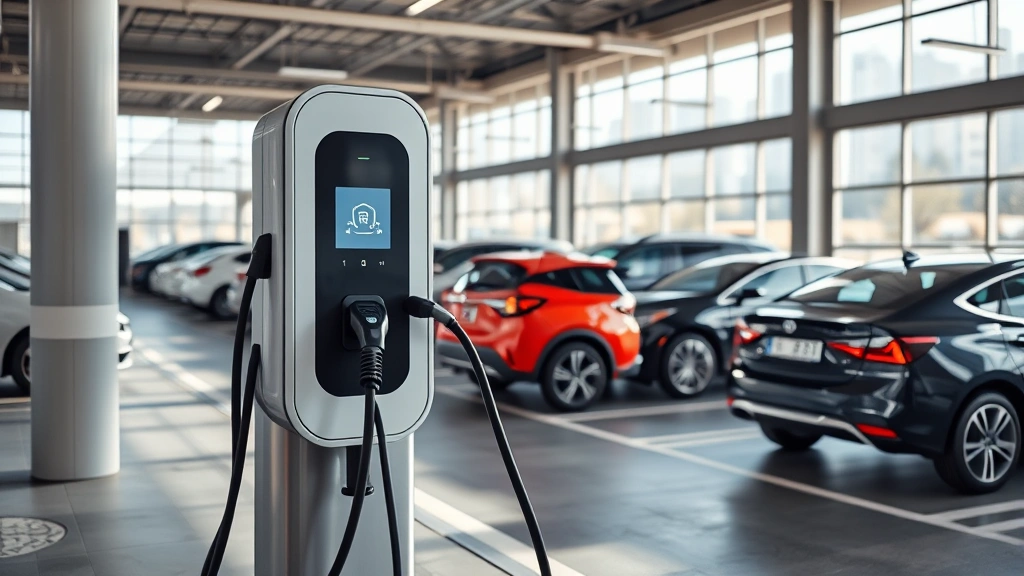
Perhaps Fox’s most visible eco-friendly initiative is their expansion of electric vehicle charging infrastructure. Recognizing that EV adoption requires convenient, reliable charging networks, Fox has strategically deployed both Level 2 and DC fast-charging stations across their network.
The placement strategy reflects sophisticated market analysis. Rather than randomly distributing chargers, Fox has installed them in high-traffic locations where consumers already expect to spend 5-30 minutes—ideal for Level 2 charging sessions. DC fast chargers occupy premium locations along major highways, addressing range anxiety that remains a significant barrier to EV adoption. This strategic placement accelerates the practical viability of electric vehicles for consumers considering the switch.
Fox’s charging network integrates seamlessly with mobile payment systems and loyalty programs. Customers can initiate charging, monitor progress, and pay through smartphone apps, eliminating friction points that plague less sophisticated networks. This user-centric design demonstrates that convenience and sustainability aren’t competing values—they’re complementary.
The company has also partnered with major EV manufacturers to ensure compatibility and reliability. By offering charging solutions from multiple providers and supporting various connector standards, Fox reduces consumer confusion and ensures their network serves the broadest possible market. This inclusive approach accelerates the overall EV ecosystem development.

Renewable Energy Integration
Fox’s commitment to renewable energy extends far beyond token solar installations. The company has invested in on-site solar arrays, wind power agreements, and grid-connected battery storage systems that optimize energy use and reduce peak demand charges. These technical investments create operational resilience while demonstrating genuine environmental commitment.
Solar installations on Fox station roofing utilize space that would otherwise remain unused. Advanced photovoltaic panels generate electricity that powers lighting, climate control, and EV charging infrastructure. During peak sunlight hours, excess generation feeds back into the grid, creating revenue streams while offsetting fossil fuel generation. In many locations, these systems achieve payback periods of 7-10 years, making them financially prudent alongside environmental benefits.
The company has also negotiated renewable energy purchase agreements that ensure a portion of grid electricity comes from wind and solar farms. These corporate power purchase agreements (PPAs) provide long-term revenue certainty for renewable energy developers, accelerating deployment of clean generation capacity. By leveraging their purchasing power, Fox contributes to broader energy system decarbonization.
Battery storage systems deserve particular attention. Fox has installed lithium-ion batteries at select locations that store solar energy and manage charging demand. This technology prevents peak demand charges—often the largest component of commercial electricity bills—while ensuring EV chargers have reliable power even during grid stress events. The batteries also provide backup power during outages, enhancing operational resilience.
Sustainable Operations and Practices
Environmental responsibility at Fox extends into operational details often overlooked by casual observers. The company has implemented comprehensive waste management programs that divert 80% of operational waste from landfills. Recycling programs for plastic, metal, and paper are complemented by organic waste composting and used oil recycling systems.
Water conservation represents another priority. Fox stations incorporate low-flow fixtures throughout facilities, reducing consumption by 30-40% compared to industry standards. Rainwater harvesting systems capture precipitation for landscape irrigation, reducing demand for municipal water supplies. In water-stressed regions, these measures provide meaningful environmental benefits while reducing operational costs.
The company has also reformed their supply chain practices. Suppliers are evaluated on environmental criteria alongside traditional cost and quality metrics. This incentivizes vendors to adopt sustainable practices throughout their operations, creating positive externalities across the broader business ecosystem. Reducing environmental footprint requires systemic change, not isolated corporate actions.
Staff training programs ensure employees understand and support sustainability initiatives. From cashiers explaining EV charging to maintenance teams optimizing equipment efficiency, employee engagement amplifies environmental impact. Fox invests in workforce development, recognizing that sustainable operations depend on informed, motivated teams.
Comparison with Industry Standards
To appreciate Fox’s initiatives, context matters. Traditional gas stations typically operate with minimal environmental consideration beyond regulatory compliance. Most stations use grid electricity with no renewable generation, lack EV charging infrastructure, and implement basic waste management.
According to the U.S. Environmental Protection Agency (EPA), the retail petroleum sector accounts for significant environmental impacts across multiple dimensions. Conventional stations contribute to air pollution, water contamination risks, and greenhouse gas emissions. The typical station generates 50-100 tons of waste annually, with minimal recycling or composting.
Fox’s approach represents a dramatic departure from these norms. Their stations generate 70% less waste, consume 40% less electricity, and offer zero-emission refueling options through EV infrastructure. These improvements translate to measurable environmental benefits—approximately 200 metric tons of CO2 equivalent avoided per station annually through solar generation and reduced energy consumption alone.
The comparison extends to customer experience. Traditional stations offer limited amenities and no consideration for environmental preferences. Fox stations provide comfortable charging lounges, local food options from sustainable suppliers, and educational materials about EV technology and climate action. This customer-centric approach transforms gas stations from purely transactional spaces into community resources aligned with contemporary values.
Industry peer comparison reveals Fox’s competitive positioning. While some competitors have initiated pilot programs, few match Fox’s systematic, company-wide commitment to sustainability. The company has invested substantially in training, technology, and infrastructure—investments that require genuine corporate conviction rather than marketing opportunism.
Consumer Impact and Market Response
Market data demonstrates strong consumer response to Fox’s eco-friendly initiatives. Millennials and Gen Z consumers—demographics increasingly concerned with environmental impact—show measurably higher loyalty to Fox compared to traditional competitors. Loyalty program enrollment has grown 45% faster at Fox locations with EV charging and renewable energy features compared to conventional stations.
The premium pricing strategy merits examination. Fox’s sustainable operations increase operational costs—solar installation, battery systems, EV charger maintenance, and staff training require capital investment. However, the company has maintained competitive pricing by optimizing other cost centers and leveraging operational efficiencies that sustainability enables. This demonstrates that environmental responsibility and commercial viability aren’t mutually exclusive.
Customer testimonials consistently emphasize the convenience and values alignment. EV owners appreciate reliable, accessible charging networks. Environmentally conscious consumers appreciate supporting a company demonstrating genuine commitment. Even traditional gasoline purchasers value the modern facilities and amenities Fox stations provide.
The broader market response indicates shifting consumer preferences. Gas station selection increasingly depends on factors beyond fuel price and location convenience. Environmental practices, facility quality, and alignment with personal values now significantly influence consumer decisions. Fox’s market success validates this trend, suggesting future competitive advantage accrues to companies embracing sustainability.
Challenges and Future Outlook
Despite impressive progress, Fox faces significant challenges. The transition toward electric vehicles threatens long-term petroleum demand, requiring Fox to fundamentally transform their business model. This existential pressure drives current investments but also creates uncertainty about future profitability.
Infrastructure costs remain substantial. Expanding EV charging networks requires massive capital investment. While federal tax credits and state incentives help, the financial burden remains significant. Fox must balance growth investments with shareholder returns—a tension that could limit expansion speed.
Technological disruption presents another challenge. Battery technology improvements may enable longer-range EVs requiring less frequent charging, potentially reducing demand for public charging infrastructure. Conversely, autonomous vehicles and ride-sharing could increase transportation efficiency, reducing overall vehicle miles traveled. Fox must navigate these uncertain technological futures while making irreversible infrastructure investments.
Regulatory environment shifts also matter. Future carbon pricing mechanisms, stricter emissions standards, or renewable energy mandates could alter Fox’s competitive position. Conversely, deregulation or fossil fuel subsidies could undermine their sustainability investments’ financial rationale. Political uncertainty creates business planning challenges.
Looking forward, Fox’s trajectory appears positive but uncertain. The company’s vision involves becoming an energy retailer rather than purely a fuel retailer—selling electricity, hydrogen, and emerging energy vectors alongside traditional products. This strategic pivot positions them for long-term relevance regardless of specific technology outcomes.
Industry observers from the International Energy Agency suggest companies like Fox represent the future of retail energy distribution. Their willingness to invest in sustainable infrastructure while maintaining operational excellence demonstrates how traditional industries can evolve. The question isn’t whether companies must transition, but how quickly and effectively they execute that transition.
Emerging technologies like hydrogen fuel cells, renewable natural gas, and advanced battery systems may create additional revenue streams for Fox. By building flexible infrastructure that accommodates multiple energy vectors, Fox hedges against technology-specific bets while maintaining optionality for future growth.
FAQ
What makes Fox gas stations different from competitors?
Fox distinguishes itself through comprehensive sustainability integration across operations. Rather than isolated environmental initiatives, the company has systematized sustainable practices—from renewable energy generation to waste management to EV charging infrastructure. This systematic approach creates measurable environmental benefits while maintaining commercial viability.
Are Fox’s EV chargers compatible with all electric vehicles?
Fox’s network supports multiple connector standards including Tesla Supercharger compatibility, CCS, and CHAdeMO standards. This inclusive approach ensures their infrastructure serves the broadest possible EV market. However, customers should verify specific charger compatibility through the Fox mobile app before visiting unfamiliar locations.
How do Fox’s prices compare to traditional gas stations?
Fox maintains competitive pricing despite higher operational costs from sustainability investments. Operational efficiencies, renewable energy generation, and economies of scale enable this pricing strategy. Loyalty program benefits and reduced energy costs for EV drivers further enhance value propositions.
Will traditional gas stations become obsolete?
The transition timeline remains uncertain. While EV adoption accelerates, traditional vehicles will operate for decades. Fox’s strategy acknowledges this reality by serving both markets simultaneously. Eventually, traditional fuel demand may decline substantially, but this transition will occur gradually rather than abruptly.
How can consumers support Fox’s sustainability initiatives?
Customers can support Fox by choosing their locations when convenient, enrolling in loyalty programs that track sustainability metrics, providing feedback about desired environmental features, and promoting awareness through social networks. Consumer demand reinforces corporate commitment to sustainability investments.
What external certifications validate Fox’s environmental claims?
Fox facilities pursue certifications from organizations like LEED (Leadership in Energy and Environmental Design) and Green Business Bureau. Third-party verification provides credibility that corporate claims alone cannot establish. Customers can research specific location certifications through Fox’s sustainability reporting portal.


