Is Freeman Gas Eco-Friendly? Analyst Insights
Freeman Gas has emerged as a notable player in the energy sector, but questions about its environmental credentials persist among sustainability-conscious consumers. As global awareness of climate change intensifies, understanding whether companies like Freeman Gas align with ecological principles becomes increasingly important. This comprehensive analysis examines Freeman Gas’s operations, environmental impact, and how it compares to alternative energy solutions in today’s green energy landscape.
The energy industry stands at a crossroads. Traditional fossil fuel providers face mounting pressure to demonstrate environmental responsibility, while consumers seek transparent information about the products they use. Freeman Gas, like many energy companies, must balance operational efficiency with sustainability commitments. Our analyst insights reveal what you need to know about this company’s eco-friendliness, examining their practices, certifications, and environmental footprint.
What Is Freeman Gas and How Does It Operate?
Freeman Gas represents a segment of the energy industry focused on natural gas distribution and services. Understanding how Freeman Gas operates provides essential context for evaluating its environmental profile. The company engages in extraction, processing, and distribution of natural gas—a fossil fuel that produces carbon dioxide and methane when burned or released into the atmosphere.
Natural gas combustion generates approximately 50% fewer greenhouse gas emissions compared to coal, positioning it as a transitional fuel in many energy strategies. However, this doesn’t automatically classify Freeman Gas as eco-friendly. The company’s overall environmental impact depends on multiple factors including methane leak prevention, operational efficiency, investment in renewable alternatives, and transparency regarding environmental practices.
Freeman Gas’s business model relies on traditional fossil fuel infrastructure, which inherently carries environmental considerations. The company must balance profitability with environmental stewardship, a challenge that many energy providers face in the transition toward sustainable energy systems. Their approach to this balance significantly influences their eco-friendliness rating.
Environmental Impact Assessment
Assessing Freeman Gas’s environmental impact requires examining several critical dimensions. Methane emissions represent the most significant concern for natural gas companies. Methane is approximately 84-86 times more potent than carbon dioxide over a 20-year period, making leak prevention absolutely crucial for any natural gas provider’s environmental credentials.
The extraction and processing stages of natural gas operations present particular environmental challenges. Hydraulic fracturing, commonly used in natural gas extraction, raises concerns about groundwater contamination, water usage, and induced seismic activity. Freeman Gas’s specific practices regarding these extraction methods determine whether they operate responsibly or contribute to environmental degradation.
Distribution networks also contribute to environmental impact through leakage. Aging infrastructure in many regions allows methane to escape into the atmosphere without being captured or utilized. Modern companies invest in pipeline upgrades and monitoring systems to minimize these losses, both for environmental reasons and economic efficiency. Freeman Gas’s investment level in infrastructure modernization reflects their commitment to reducing environmental harm.
Beyond direct emissions, Freeman Gas’s operations affect local ecosystems through land use, water consumption, and habitat disruption. Responsible natural gas companies implement mitigation strategies to protect sensitive environments and restore disturbed areas. The extent to which Freeman Gas prioritizes these considerations influences their overall eco-friendliness assessment.
Sustainability Practices and Certifications
Legitimate environmental claims require verification through recognized certifications and transparent reporting. Freeman Gas’s sustainability practices should be evaluated against industry standards and third-party certifications. Companies genuinely committed to environmental responsibility typically pursue certifications from recognized bodies such as EPA Climate Partnership programs or similar environmental verification systems.
Transparency represents a cornerstone of genuine sustainability efforts. Freeman Gas should publicly disclose environmental data including methane emissions, carbon footprint, energy efficiency metrics, and environmental incident reports. Companies that hide unfavorable data or provide vague sustainability statements demonstrate limited genuine commitment to eco-friendliness.
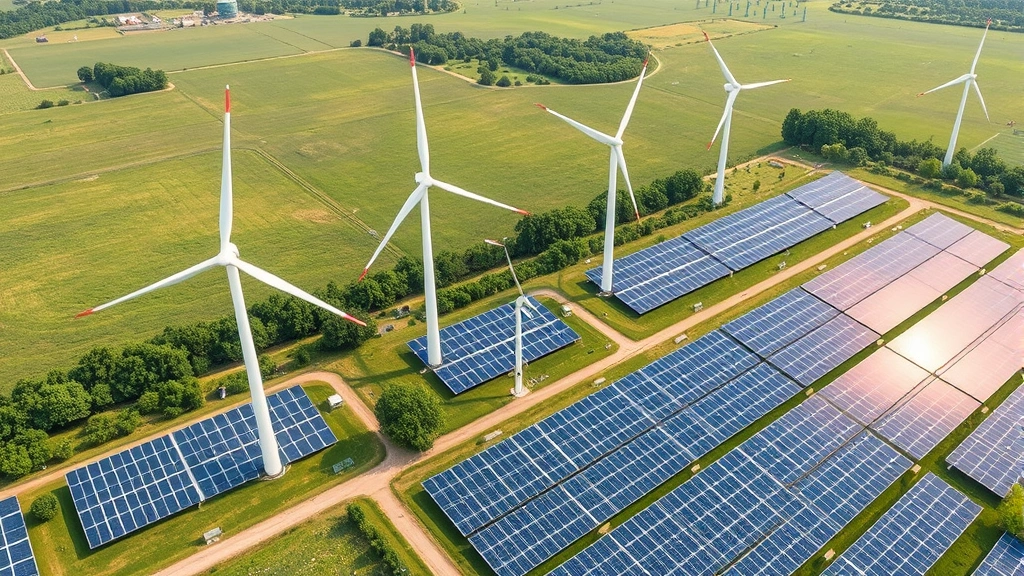
Investment in renewable energy or carbon offset programs indicates a company’s willingness to address climate concerns beyond their core business. Progressive energy companies increasingly diversify portfolios to include solar, wind, or other renewable resources. Freeman Gas’s investment level in these alternatives versus maintaining exclusively fossil fuel operations reveals their strategic environmental positioning.
Employee training programs, environmental management systems, and regular third-party audits further demonstrate commitment to sustainable operations. These internal practices, when combined with external certifications, create a comprehensive sustainability framework. Freeman Gas’s adoption of these best practices determines whether their environmental claims hold substance.
Freeman Gas vs Alternative Energy Sources
To properly evaluate Freeman Gas’s eco-friendliness, comparison with alternative energy sources provides valuable perspective. Natural gas occupies a middle ground in the energy spectrum—cleaner than coal but dirtier than renewable alternatives. Understanding these comparative emissions profiles helps contextualize Freeman Gas’s environmental role.
Coal produces approximately 820 grams of CO2-equivalent per kilowatt-hour, while natural gas generates around 490 grams per kilowatt-hour. Renewable sources like wind and solar produce negligible emissions during operation, typically 10-40 grams per kilowatt-hour when manufacturing and installation impacts are included. This significant difference illustrates why transitioning away from all fossil fuels, including natural gas, benefits environmental goals.
When evaluating sustainable energy solutions, natural gas serves as a bridge fuel in many transition strategies. However, permanent reliance on Freeman Gas or similar providers contradicts long-term climate objectives. The Intergovernmental Panel on Climate Change emphasizes that limiting warming to 1.5°C requires phasing out fossil fuels entirely, not merely reducing consumption.
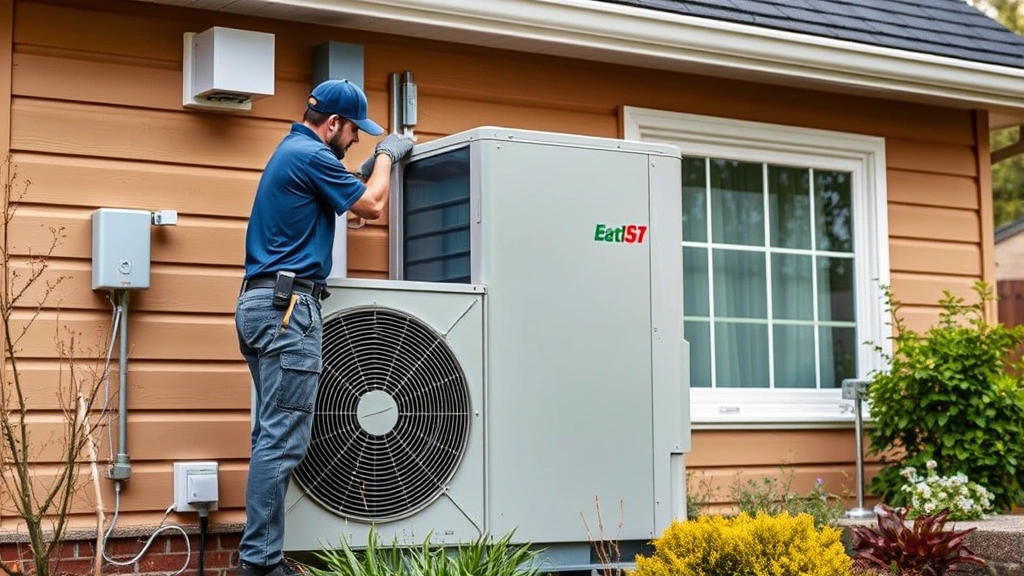
Electric heat pumps powered by renewable electricity offer superior environmental performance compared to natural gas heating. Electric alternatives increasingly provide practical solutions for consumers previously dependent on Freeman Gas products. As renewable energy infrastructure expands, the case for maintaining natural gas dependence weakens from environmental perspectives.
Industrial applications present more complex scenarios where natural gas may temporarily serve purposes for which renewable alternatives haven’t yet achieved full viability. Freeman Gas’s role in these transition periods differs from consumer heating applications where alternatives already exist. Context matters when evaluating the company’s environmental position within broader energy systems.

Carbon Footprint Analysis
Freeman Gas’s complete carbon footprint extends beyond direct operational emissions. Lifecycle assessments that include extraction, processing, transportation, distribution, and end-use combustion provide the most accurate environmental picture. Comprehensive carbon accounting reveals whether Freeman Gas truly minimizes environmental impact or merely reduces it relative to worse alternatives.
Methane leakage throughout the natural gas supply chain represents a critical carbon footprint component often underestimated in preliminary assessments. Research indicates that methane leakage rates vary significantly between operators, with some companies achieving leak rates below 1% while others exceed 5%. Freeman Gas’s specific leakage performance directly impacts their carbon footprint and eco-friendliness rating.
The company’s energy intensity—the amount of energy required for extraction, processing, and distribution operations—contributes substantially to overall carbon footprint. More efficient operations reduce carbon intensity and improve environmental performance. Freeman Gas’s investment in operational efficiency technologies indicates their commitment to minimizing this component of their footprint.
Upstream emissions from equipment manufacturing, facility construction, and employee transportation add additional carbon burden. Progressive companies measure and report these scope 3 emissions alongside direct operational impacts. Freeman Gas’s transparency regarding complete carbon accounting reveals whether their environmental claims accurately represent total impact or selectively highlight favorable metrics.
When compared to renewable energy sources, Freeman Gas’s carbon footprint remains significantly higher throughout the fuel’s lifecycle. Reducing environmental footprint requires transitioning away from natural gas dependence, not merely optimizing Freeman Gas’s operations. Individual consumers and businesses can accelerate this transition by exploring renewable alternatives wherever feasible.
Consumer Considerations and Recommendations
For consumers currently dependent on Freeman Gas services, several considerations inform eco-conscious decision-making. Evaluating whether Freeman Gas demonstrates genuine environmental commitment through verifiable actions and transparency should precede any partnership. Request environmental reports, emissions data, and certification information directly from the company.
Exploring alternatives represents the most impactful consumer action. Heat pump technology powered by renewable electricity provides superior environmental performance compared to Freeman Gas heating systems. Solar water heaters, heat recovery ventilation systems, and other innovative technologies reduce or eliminate natural gas dependence while lowering utility costs over time.
When Freeman Gas represents the only available option, consumers can minimize their environmental impact through efficiency measures. Insulation improvements, weatherization, and smart thermostat technology reduce natural gas consumption without requiring fuel switching. Every reduction in Freeman Gas consumption proportionally decreases associated carbon emissions.
Supporting policy initiatives that accelerate renewable energy infrastructure development and phase out fossil fuel dependence creates systemic change beyond individual consumer choices. Advocating for building codes that mandate heat pump installations, renewable energy mandates, and natural gas phase-out timelines addresses Freeman Gas’s role in energy systems more effectively than individual actions alone.
Comparing Freeman Gas’s environmental practices and policies with competitors provides valuable perspective. Some natural gas providers invest more substantially in renewable alternatives, methane leak prevention, and carbon offset programs. While no fossil fuel provider qualifies as genuinely eco-friendly, relative environmental performance varies considerably between operators.
Long-term sustainability requires transitioning beyond Freeman Gas and similar natural gas providers entirely. Supporting this transition through consumer choices, policy advocacy, and investment in renewable infrastructure accelerates the timeline toward carbon neutrality. Freeman Gas may serve temporary roles during this transition, but permanent reliance contradicts environmental objectives.
The question of Freeman Gas’s eco-friendliness ultimately depends on whether the company demonstrates genuine environmental commitment through verifiable actions and whether consumers view natural gas as a transitional fuel rather than permanent energy solution. Responsible environmental stewardship demands continuous improvement toward complete decarbonization, not indefinite reliance on fossil fuel providers.
FAQ
Is Freeman Gas better for the environment than coal?
Yes, natural gas produces approximately 40-50% fewer greenhouse gas emissions compared to coal during combustion. However, this comparative advantage doesn’t classify Freeman Gas as eco-friendly—it merely represents a less harmful alternative. Both fossil fuels contribute to climate change, and long-term environmental sustainability requires transitioning beyond both toward renewable energy sources.
Does Freeman Gas invest in renewable energy?
Freeman Gas’s renewable energy investments should be independently verified through company reports and third-party sources. Many traditional energy companies make limited renewable investments while maintaining fossil fuel as their primary business focus. Evaluate the percentage of revenue allocated to renewable alternatives versus fossil fuel operations to assess genuine commitment.
What is Freeman Gas’s methane leakage rate?
Freeman Gas’s specific methane leakage rates should be publicly disclosed in environmental reports. Industry averages range from 1-5% depending on infrastructure age and maintenance practices. Reputable companies transparently report these figures; reluctance to provide specific data suggests environmental performance may not withstand scrutiny.
Can I reduce my Freeman Gas consumption?
Absolutely. Insulation improvements, weatherization, smart thermostats, and heat pump technology can significantly reduce Freeman Gas dependence. In many regions, heat pumps powered by renewable electricity provide superior environmental performance while reducing long-term utility costs. Consult with energy efficiency professionals to identify opportunities specific to your situation.
What are the best alternatives to Freeman Gas?
Heat pumps, solar thermal systems, geothermal heating, and renewable electricity-powered heating represent superior alternatives from environmental perspectives. Natural gas versus propane comparisons reveal that both fossil fuels carry environmental concerns; renewable alternatives offer the most sustainable solutions. Consult U.S. Department of Energy resources for region-specific renewable options and incentive programs.
How does Freeman Gas compare to other natural gas providers?
Natural gas providers vary in environmental commitment levels. Some invest substantially in leak prevention infrastructure, renewable energy, and carbon offset programs while others prioritize short-term profitability over environmental responsibility. Research individual company practices, certifications, and publicly disclosed environmental metrics before selecting providers.
Is natural gas a sustainable long-term energy solution?
No. While natural gas serves transitional roles in energy systems moving toward renewable dependence, permanent reliance contradicts climate objectives. The International Energy Agency emphasizes that net-zero emissions require phasing out all fossil fuels, including natural gas. Freeman Gas and similar providers should be viewed as temporary rather than permanent energy solutions.