Find Fry’s Gas Stations Near Me: Complete Local Guide & Sustainability Perspective
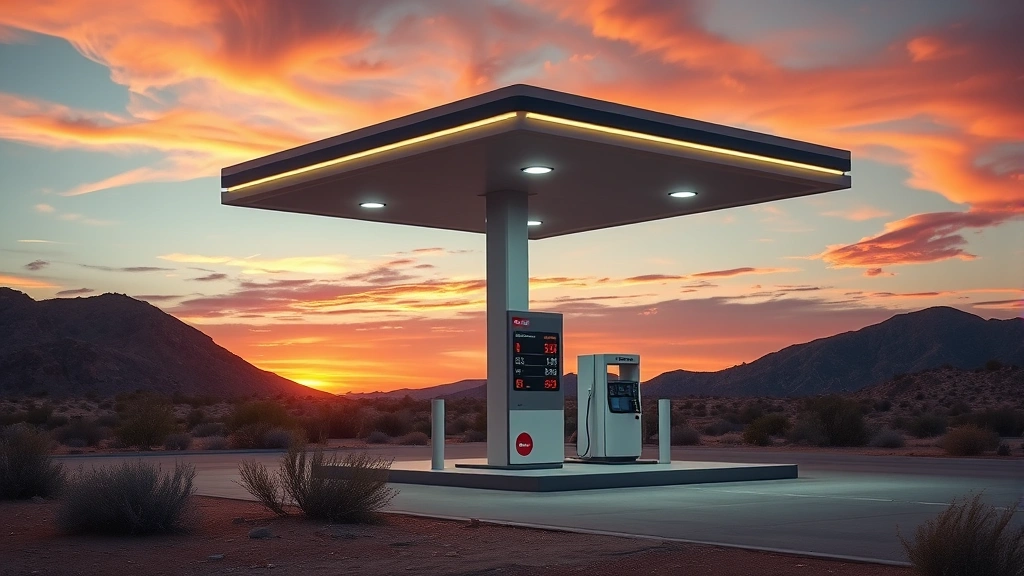
Locating a convenient gas station is a daily necessity for many drivers, and Fry’s Gas Stations have established themselves as a recognizable fuel retailer across select regions. Whether you’re commuting to work, planning a road trip, or simply running errands, knowing where to find Fry’s gas near me can save time and money. This comprehensive guide explores how to locate Fry’s Gas Stations in your area, understand their services, and consider the broader context of sustainable fuel choices and energy alternatives available to modern drivers.
As we navigate an increasingly eco-conscious world, it’s worth examining not just where we fuel up, but also how our fuel choices impact the environment. While traditional gas stations remain prevalent, understanding your options—from fuel efficiency to advantages of electric vehicles—empowers you to make informed decisions about your transportation needs and environmental responsibility.
How to Find Fry’s Gas Stations Near You
Fry’s Gas Stations operate primarily in the southwestern United States, with locations concentrated in Arizona and surrounding regions. To find a Fry’s gas station near your current location, several reliable methods exist that provide real-time information and navigation assistance.
The most direct approach involves visiting the official Fry’s website or mobile application, which typically features an integrated station locator tool. Simply enter your ZIP code, address, or allow the app to access your GPS location, and the system displays all nearby Fry’s stations with their exact addresses and distance from your position. This method provides the most accurate, up-to-date information since it draws directly from the company’s database.
Google Maps remains an exceptionally powerful tool for locating gas stations. By searching “Fry’s gas near me” or “Fry’s fuel stations,” Google Maps displays all available locations on an interactive map, complete with directions, hours of operation, customer reviews, and real-time traffic conditions. The app even shows estimated arrival times and allows you to save favorite locations for future reference.
Apple Maps offers similar functionality for iOS users, providing detailed directions and integration with Siri for hands-free navigation. This proves particularly useful while driving, allowing you to safely access station information without handling your phone.
Traditional GPS navigation devices and vehicle infotainment systems often include gas station locators that can be programmed to search specifically for Fry’s locations. These built-in systems integrate seamlessly with your driving experience and provide navigation without requiring smartphone interaction.

Location Methods and Tools
Beyond basic location services, several advanced tools help you optimize your fuel stops and understand pricing patterns across different stations. GasBuddy serves as a comprehensive fuel price comparison platform where users can view current prices at Fry’s stations and competitors, read detailed reviews, and identify the cheapest fuel options in your area.
Fry’s often participates in fuel rewards programs that integrate with their loyalty cards. Members accumulate points on purchases at affiliated retailers and redeem them for fuel discounts. These programs can generate substantial savings, sometimes reducing per-gallon prices by ten to twenty cents or more. Checking your Fry’s rewards balance before filling up ensures you maximize your savings.
Third-party fuel apps like Waze integrate real-time gas prices and station locations directly into navigation. This proves invaluable during road trips when you need to identify affordable fuel stops along your route. The app alerts you to price variations and helps you plan fuel stops strategically.
Social media platforms and community forums often share real-time information about fuel prices and station availability. Local Facebook groups dedicated to your area frequently discuss which Fry’s stations have the best prices or shortest wait times, providing valuable insider knowledge.
When planning longer trips, consulting websites like sustainable energy solutions resources can help you understand alternative fueling options available along your route, potentially reducing your reliance on traditional gasoline.
Services and Amenities
Fry’s Gas Stations typically offer more than simple fuel dispensing. Most locations feature convenience stores stocked with snacks, beverages, automotive supplies, and household items. These stores provide one-stop shopping convenience, allowing customers to purchase everything needed for their journey without multiple stops.
Many Fry’s stations include car wash facilities ranging from basic automatic systems to premium hand-wash services. These facilities help maintain your vehicle’s exterior, protecting paint from environmental contaminants and extending vehicle longevity. Regular washing also improves aerodynamics, which can marginally improve fuel efficiency.
Air pump stations remain available at most Fry’s locations, allowing drivers to check and adjust tire pressure. Properly inflated tires reduce rolling resistance, improving fuel economy and extending tire lifespan. This simple maintenance step costs nothing but delivers measurable benefits.
Restroom facilities meet modern standards at most Fry’s stations, essential for drivers on longer journeys. Clean, well-maintained facilities enhance the overall customer experience and encourage repeat visits.
Some premium Fry’s locations offer additional services such as oil changes, battery replacements, and basic automotive maintenance. These services provide convenient alternatives to dedicated service centers for routine vehicle care.
Digital payment options have become standard, with most Fry’s stations accepting credit cards, debit cards, mobile wallets, and contactless payments. This flexibility accommodates various customer preferences and enhances transaction security.
Fuel Pricing and Cost Strategies
Fry’s Gas Station pricing fluctuates based on crude oil market prices, regional demand, and competitive pressures. Understanding these dynamics helps you time your fuel purchases strategically and minimize costs.
Fuel prices typically peak during summer months when demand increases and refineries conduct maintenance. Conversely, winter months often feature lower prices due to reduced demand and simpler fuel formulations. If your schedule permits, filling up during low-demand periods saves money.
Wholesale fuel clubs sometimes offer discounted rates to members, though membership fees must be considered in cost-benefit calculations. For frequent drivers, membership often pays for itself within months through cumulative savings.
Loyalty programs associated with Fry’s provide the most reliable savings mechanism. These programs reward every purchase with points redeemable for fuel discounts. Over time, consistent participation generates substantial savings without requiring any special effort or timing.
Combining multiple discount strategies maximizes savings. For example, using a rewards credit card at a Fry’s station that participates in fuel loyalty programs stacks discounts, potentially reducing effective fuel costs significantly.
Monitoring fuel prices across several days helps identify optimal purchase windows. Many drivers check prices on Monday and Tuesday when they’re typically lowest, then fill up before weekend price increases.
Understanding your vehicle’s fuel consumption patterns allows for better planning. Keeping detailed records of miles driven and fuel purchased reveals your actual fuel economy, helping you budget accurately and identify potential mechanical issues that reduce efficiency.
Sustainability and Fuel Alternatives
While locating nearby Fry’s gas stations serves immediate transportation needs, considering definition of sustainability principles encourages examination of longer-term transportation choices and environmental impact.
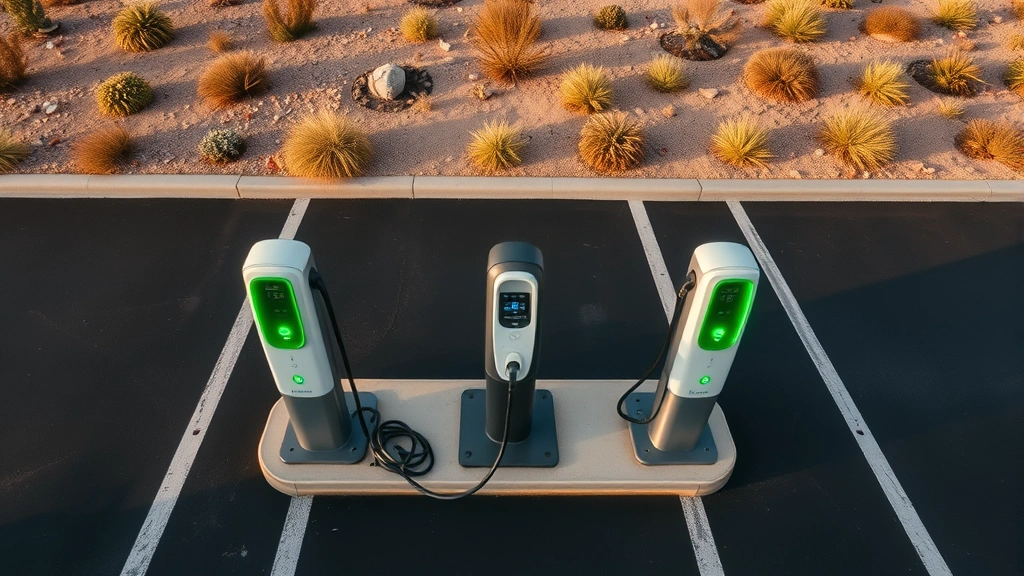
Electric vehicles represent a transformative alternative to gasoline-powered transportation. EVs produce zero tailpipe emissions, eliminate dependence on fossil fuels, and reduce operational costs significantly. Charging at home overnight costs substantially less than purchasing gasoline, and many regions offer incentives for EV adoption.
Hybrid vehicles bridge traditional and electric technologies, combining gasoline engines with electric motors to achieve superior fuel efficiency. These vehicles reduce both fuel consumption and emissions compared to conventional cars, making them an excellent intermediate choice for drivers not yet ready for full electrification.
Green technology innovations continuously improve fuel efficiency in traditional vehicles. Modern engines incorporate advanced combustion management, lightweight materials, and aerodynamic designs that substantially reduce fuel consumption compared to older models.
Biofuels represent another alternative, using renewable resources like corn, sugarcane, and algae to produce ethanol and biodiesel. These fuels reduce dependence on petroleum while supporting agricultural economies. E10 fuel (10% ethanol) is widely available and compatible with most vehicles, requiring no modifications.
Public transportation, carpooling, and cycling reduce individual fuel consumption while decreasing traffic congestion and air pollution. These options prove particularly effective for commuting, where predictable routes enable reliable scheduling.
Remote work opportunities reduce commuting frequency, directly decreasing fuel consumption and associated expenses. Even partial work-from-home arrangements significantly reduce annual fuel spending and environmental impact.
Environmental Impact of Fuel Choices
Gasoline combustion produces carbon dioxide, a primary greenhouse gas contributing to climate change. Reducing fuel consumption directly decreases personal carbon emissions and supports broader climate stabilization efforts. According to the EPA’s greenhouse gas emissions data, transportation accounts for approximately 27% of total U.S. emissions, making fuel choices consequential.
Particulate matter and nitrogen oxides from vehicle exhaust contribute to air pollution, causing respiratory diseases, cardiovascular problems, and premature mortality. The American Lung Association documents these health impacts extensively, emphasizing the public health benefits of reducing vehicle emissions.
Oil extraction, refining, and transportation create substantial environmental damage. Drilling operations disrupt ecosystems, spills contaminate water sources, and refining produces numerous pollutants. By reducing fuel consumption, you decrease demand for oil extraction and its associated environmental destruction.
Vehicle efficiency improvements directly reduce environmental impact. Modern cars achieve 30-40+ miles per gallon, while older vehicles often manage only 15-20 mpg. Upgrading to a more efficient vehicle substantially decreases your carbon footprint and fuel expenses.
Proper vehicle maintenance maximizes efficiency and longevity. Regular oil changes, air filter replacements, and tune-ups ensure engines operate optimally, improving fuel economy and reducing emissions. Well-maintained vehicles also last longer, reducing the environmental impact of manufacturing replacement vehicles.
Tire pressure significantly affects fuel efficiency. Underinflated tires increase rolling resistance, requiring more fuel to maintain speed. Checking tire pressure monthly and maintaining manufacturer-recommended levels improves economy by 3-5%, translating to meaningful annual savings and reduced emissions.
Aggressive driving—rapid acceleration, speeding, and harsh braking—dramatically reduces fuel efficiency. Smooth, steady driving patterns improve economy by 15-20%, decrease wear on vehicle components, and reduce accident risk. These behavioral changes require no investment and deliver immediate benefits.
To further reduce your environmental footprint, consider comprehensive transportation strategies combining fuel-efficient vehicles, alternative fuels, and reduced driving frequency through careful trip planning and mode shifting.
FAQ
What states have Fry’s Gas Stations?
Fry’s Gas Stations primarily operate in Arizona, with limited locations in nearby southwestern states. Checking the official Fry’s website or using Google Maps provides the most current coverage information, as station locations and operating regions may change.
Can I use mobile payment at Fry’s Gas Stations?
Most Fry’s Gas Stations accept mobile payments including Apple Pay, Google Pay, and other contactless payment methods. Check with your specific location or the Fry’s website to confirm mobile payment acceptance, as some older stations may have limited options.
How do Fry’s fuel rewards programs work?
Fry’s loyalty programs typically accumulate points on purchases at affiliated retailers and fuel stations. Points can be redeemed for fuel discounts, usually reducing per-gallon prices by several cents. Signing up for the program is free and requires only basic information.
Does Fry’s offer premium or specialty fuel options?
Most Fry’s stations offer multiple octane ratings including regular, mid-grade, and premium gasoline. Some locations may offer diesel fuel for larger vehicles. Checking your vehicle’s fuel requirements ensures you select the appropriate option for optimal performance.
What are the environmental impacts of choosing alternative fuels?
Alternative fuels like ethanol blends, biodiesel, and electric power significantly reduce carbon emissions and air pollution compared to conventional gasoline. Electric vehicles eliminate tailpipe emissions entirely, while biofuels reduce petroleum dependence and support renewable energy development. Hybrid vehicles provide intermediate benefits while maintaining familiar driving experiences.
How can I improve my vehicle’s fuel efficiency?
Maintaining proper tire pressure, regular maintenance, smooth driving patterns, reducing vehicle weight, and minimizing idling all improve fuel economy. Modern vehicles with better aerodynamics and efficient engines achieve superior economy compared to older models. Considering hybrid or electric alternatives provides the most significant efficiency improvements.
Are there incentives for switching to electric vehicles?
Federal tax credits up to $7,500 and various state incentives encourage EV adoption. Many regions offer charging infrastructure grants and reduced electricity rates for EV charging. Research local programs through your state’s energy office or the Department of Energy’s fuel economy resources for specific opportunities.


