Furnace Gas Valve Efficiency: Expert Insights for Sustainable Home Heating
Your furnace gas valve is one of the most critical components in your home heating system, yet many homeowners rarely think about its efficiency or maintenance. This small but mighty device controls the flow of natural gas to your furnace burner, directly impacting both your comfort and your energy consumption. Understanding how furnace gas valves work and optimizing their performance can lead to significant energy savings while reducing your household’s carbon footprint.
The efficiency of your furnace gas valve affects not only your monthly utility bills but also your home’s overall environmental impact. A properly functioning valve ensures complete combustion, minimizes gas waste, and maintains consistent heating throughout your home. As part of broader sustainable energy solutions, optimizing your furnace system deserves serious attention. This comprehensive guide explores expert insights into furnace gas valve efficiency, helping you make informed decisions about your heating system.
How Furnace Gas Valves Work
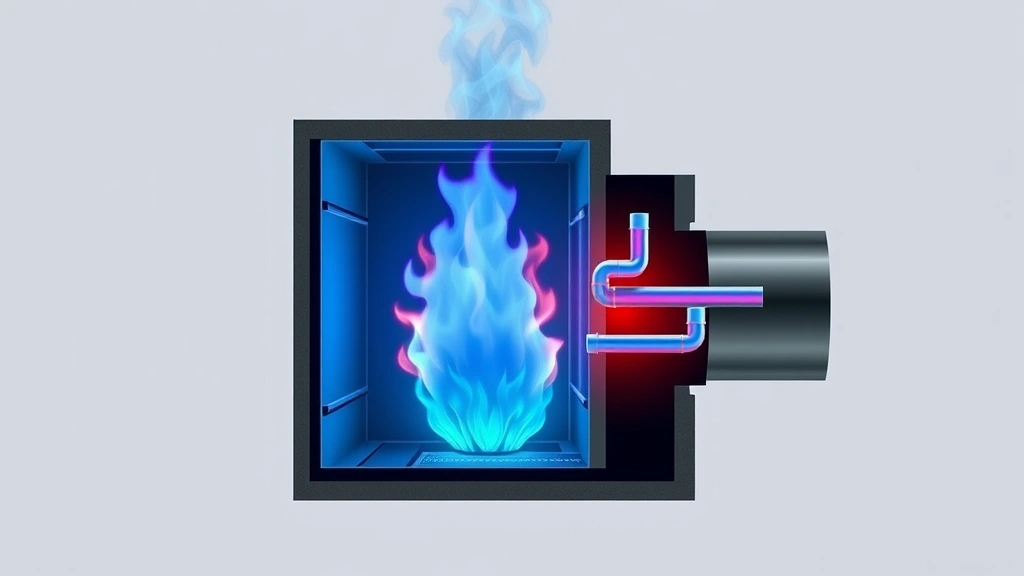
A furnace gas valve operates as a precision-controlled gateway between your gas supply line and your furnace burner. When your thermostat detects that your home’s temperature has dropped below the set point, it sends an electrical signal to the furnace control board. This signal activates an electromagnet within the gas valve, which opens a diaphragm or solenoid mechanism. This allows pressurized natural gas to flow through the valve and into the combustion chamber.
The valve’s design incorporates several safety features, including a pilot light sensor and flame-sensing electrodes that ensure gas only flows when a flame is present and ready to ignite. Modern furnace gas valves include pressure regulators that maintain consistent gas pressure, which is essential for efficient combustion. The valve closes automatically when the thermostat reaches the desired temperature, cutting off gas flow and stopping the heating cycle.
Understanding this mechanism helps explain why natural gas efficiency matters for your home. Any malfunction or inefficiency in this process directly impacts how much fuel your furnace consumes and how effectively it heats your space.
Types of Furnace Gas Valves
Different furnace models use various types of gas valves, each with distinct efficiency characteristics and operational principles.
- Solenoid Valves: These electromagnetic valves are the most common type in residential furnaces. They respond instantly to electrical signals and provide reliable on-off control. Their efficiency depends on proper calibration and electrical continuity.
- Diaphragm Valves: Utilizing a flexible membrane to control gas flow, diaphragm valves offer smooth modulation capabilities. They’re particularly efficient in systems requiring variable heating output.
- Modulating Gas Valves: Advanced models that continuously adjust gas flow based on heating demand rather than simple on-off operation. These deliver superior efficiency by matching fuel consumption to actual heating requirements.
- Two-Stage Gas Valves: Operating at either low or high flame settings, these valves optimize efficiency by using lower flame during mild weather and higher flame during cold periods.
- Electronic Gas Valves: The newest generation incorporates digital controls and sensor feedback, enabling precise fuel management and integration with smart home systems.
Efficiency Metrics and Performance Standards
Furnace efficiency is measured through several standardized metrics that help consumers understand performance and compare systems. Energy Star ratings and AFUE (Annual Fuel Utilization Efficiency) percentages indicate how much of the fuel energy actually converts to usable heat versus wasted through exhaust.
The furnace gas valve contributes significantly to overall AFUE ratings. A high-efficiency furnace gas valve ensures minimal gas waste during combustion startup, maintains optimal flame characteristics throughout operation, and prevents gas leakage during the off cycle. Modern high-efficiency furnaces typically achieve AFUE ratings between 90-98%, with the furnace gas valve playing a crucial role in reaching these benchmarks.
Combustion efficiency specifically measures how completely the fuel burns. A well-functioning furnace gas valve that delivers precise gas-to-air ratios ensures more complete combustion, reducing unburned fuel that exits through the exhaust pipe. Experts recommend furnaces with modulating or two-stage gas valves for superior efficiency compared to single-stage models.
Common Efficiency Problems and Solutions
Several issues can compromise furnace gas valve efficiency, reducing your system’s performance and increasing energy consumption.
Valve Sticking or Sluggish Response: Mineral deposits and debris can accumulate inside the valve, causing slow opening or closing. This results in delayed heating cycles and inconsistent temperature control. Professional cleaning or valve replacement restores proper operation.
Gas Pressure Imbalance: If the regulator component within the gas valve malfunctions, gas pressure may fluctuate. Too much pressure wastes fuel, while insufficient pressure reduces heating output. A technician can measure gas pressure and adjust or replace the regulator as needed.
Electrical Connection Issues: Corroded wiring, loose connections, or failed solenoids prevent proper valve activation. These problems cause heating delays or complete system failure. Inspection and electrical repairs resolve these issues quickly.
Flame Rollout or Improper Combustion: When a furnace gas valve delivers incorrect gas-to-air ratios, incomplete combustion occurs. This produces excessive carbon monoxide and reduces heating efficiency. Professional furnace inspection identifies and corrects combustion problems.
Pilot Light Problems: A weak or unstable pilot light may not reliably ignite gas from the main burner. This causes the gas valve to cycle repeatedly, wasting fuel. Pilot light adjustment or thermocouple replacement typically solves this issue.
Maintenance Tips for Optimal Performance
Regular maintenance keeps your furnace gas valve operating at peak efficiency, extending its lifespan while minimizing energy waste.
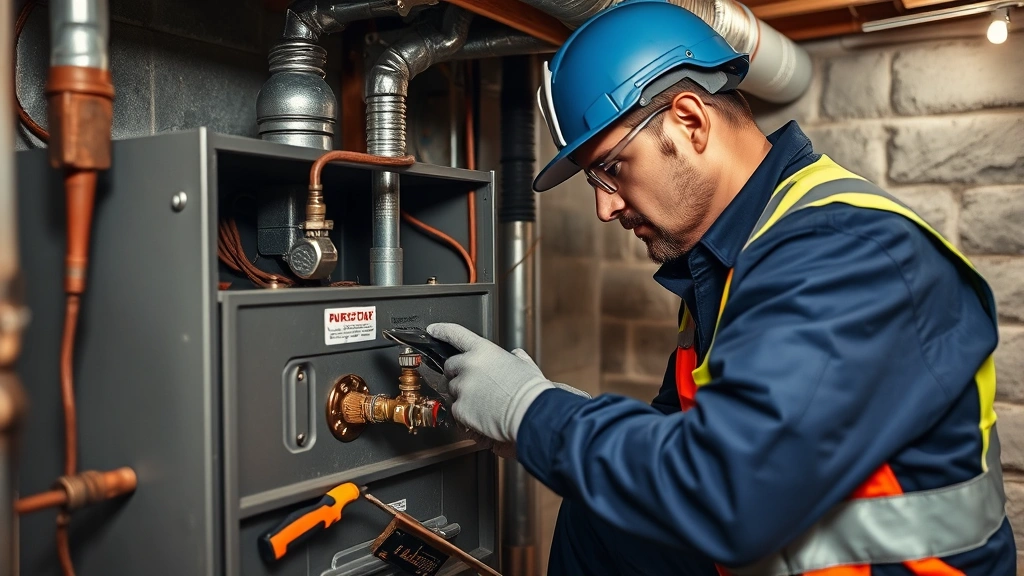
- Annual Professional Inspection: Schedule furnace maintenance before the heating season begins. Technicians inspect the gas valve, test pressure settings, verify electrical connections, and check combustion efficiency. This annual checkup typically costs $100-200 but prevents costly repairs and maintains efficiency.
- Replace Air Filters Regularly: Clogged air filters restrict airflow, forcing the furnace to work harder and affecting the gas valve’s ability to maintain proper combustion ratios. Change filters every 1-3 months depending on usage and air quality.
- Keep the Furnace Area Clear: Ensure adequate clearance around your furnace for proper ventilation and maintenance access. Blocked vents reduce combustion efficiency and can create safety hazards.
- Monitor Thermostat Calibration: An inaccurate thermostat sends incorrect signals to the gas valve, causing unnecessary heating cycles. Test your thermostat’s accuracy and recalibrate if needed.
- Listen for Unusual Sounds: Clicking, popping, or grinding noises may indicate gas valve problems. Address these sounds promptly to prevent system failure.
- Check for Gas Leaks: If you smell gas near your furnace, immediately contact your gas utility or a professional technician. Gas leaks indicate potential valve failures requiring urgent repair.
Upgrading to High-Efficiency Valves
If your furnace is more than 15-20 years old, upgrading to a modern high-efficiency system with advanced gas valve technology can dramatically improve performance. Newer furnace gas valve designs offer several advantages.
Modulating valves adjust gas flow continuously throughout the heating cycle rather than operating in simple on-off mode. This precision reduces energy consumption by 10-15% compared to older single-stage systems. Two-stage valves provide a practical middle ground, operating at reduced capacity during mild weather and full capacity only when needed.
Smart furnace systems with electronic gas valves integrate with home automation platforms, allowing remote temperature control and detailed energy consumption monitoring. These systems help optimize heating schedules and identify efficiency opportunities, supporting your efforts to reduce your environmental footprint.
The Department of Energy reports that upgrading from a 78% AFUE furnace to a 95% AFUE model can reduce heating energy consumption by 15-20%, translating to annual savings of $200-400 for typical households. While replacement costs range from $3,000-8,000, the long-term savings and environmental benefits justify the investment.
Environmental and Economic Impact
Furnace gas valve efficiency directly affects both your household finances and environmental sustainability. Natural gas heating accounts for approximately 40% of residential energy consumption in many regions. Optimizing furnace gas valve performance through maintenance or upgrades reduces natural gas consumption and your home’s carbon emissions.
Every percentage point of improved furnace efficiency translates to measurable environmental benefits. Upgrading from an 80% efficient furnace to a 95% efficient model reduces annual carbon dioxide emissions by approximately 2-3 tons per household. When multiplied across millions of homes, these improvements significantly contribute to climate change mitigation goals.
As part of broader green technology innovations, high-efficiency furnace systems represent accessible sustainability improvements available to homeowners today. Unlike renewable energy systems requiring substantial investment and installation complexity, furnace upgrades leverage existing infrastructure while delivering immediate efficiency gains.
The economic argument for maintaining and upgrading furnace gas valves is equally compelling. A well-maintained furnace gas valve prevents costly emergency repairs during cold weather when technician availability is limited and service calls cost premium rates. The EPA’s energy efficiency resources document that proper furnace maintenance reduces repair costs by 30-50% over the system’s lifetime.
Homeowners can claim tax credits and utility rebates when upgrading to high-efficiency heating systems. Many utility companies offer rebates of $500-1,500 for installing ENERGY STAR certified furnaces, reducing net installation costs significantly. Research your local utility’s incentive programs before making upgrade decisions.
The connection between furnace efficiency and sustainable living extends beyond immediate energy savings. Households that invest in efficient heating systems often implement complementary efficiency measures including improved insulation, weather stripping, and smart thermostats. This comprehensive approach to sustainable energy solutions creates multiplier effects, amplifying overall energy reductions.
FAQ
What is a furnace gas valve and why does it matter?
A furnace gas valve controls the flow of natural gas from your supply line to the furnace burner. It directly impacts heating efficiency, safety, and energy consumption. Proper valve function ensures efficient combustion and prevents gas waste.
How often should I have my furnace gas valve inspected?
Professional furnace inspection should occur annually, ideally before the heating season begins. During inspection, technicians test gas valve pressure, verify electrical connections, and check combustion efficiency. Annual maintenance prevents efficiency loss and extends system lifespan.
Can I replace a furnace gas valve myself?
Furnace gas valve replacement requires specialized knowledge and tools. Improper installation creates safety hazards including gas leaks and incomplete combustion. Always hire licensed HVAC technicians for valve repairs or replacement.
What’s the difference between single-stage and modulating gas valves?
Single-stage valves operate in on-off mode, supplying full gas flow whenever heating is needed. Modulating valves continuously adjust gas flow based on heating demand, improving efficiency by 10-15% and providing more consistent temperature control.
How much can upgrading my furnace improve efficiency?
Upgrading from an older 78% AFUE furnace to a modern 95% AFUE system reduces heating energy consumption by 15-20%. This translates to annual savings of $200-400 for typical households and reduces carbon emissions by 2-3 tons annually.
Are there government incentives for furnace upgrades?
Many utility companies offer rebates of $500-1,500 for installing ENERGY STAR certified furnaces. Federal tax credits may also apply. Contact your local utility company and review Energy Star tax credit information to explore available incentives.
What signs indicate a failing furnace gas valve?
Warning signs include delayed heating response, inconsistent room temperatures, clicking or popping sounds from the furnace, gas smell near the unit, and frequent system cycling. Contact a professional immediately if you notice these symptoms.