
Is Gas 24 Stove Eco-Friendly? Research Insights
The kitchen is often called the heart of the home, and the stove is undoubtedly its central hub. When it comes to cooking appliances, the choice between gas and electric options has become increasingly important for environmentally conscious homeowners. A gas 24 stove represents a popular mid-size cooking solution, but understanding its environmental impact requires examining multiple factors: energy efficiency, emissions, sustainability practices, and how it compares to alternative cooking technologies.
As climate change concerns intensify and households seek to reduce their carbon footprint, the question of whether a gas 24 stove qualifies as eco-friendly has gained significant relevance. This comprehensive guide explores the research, data, and expert insights to help you make an informed decision about this cooking appliance and its place in your sustainable home.
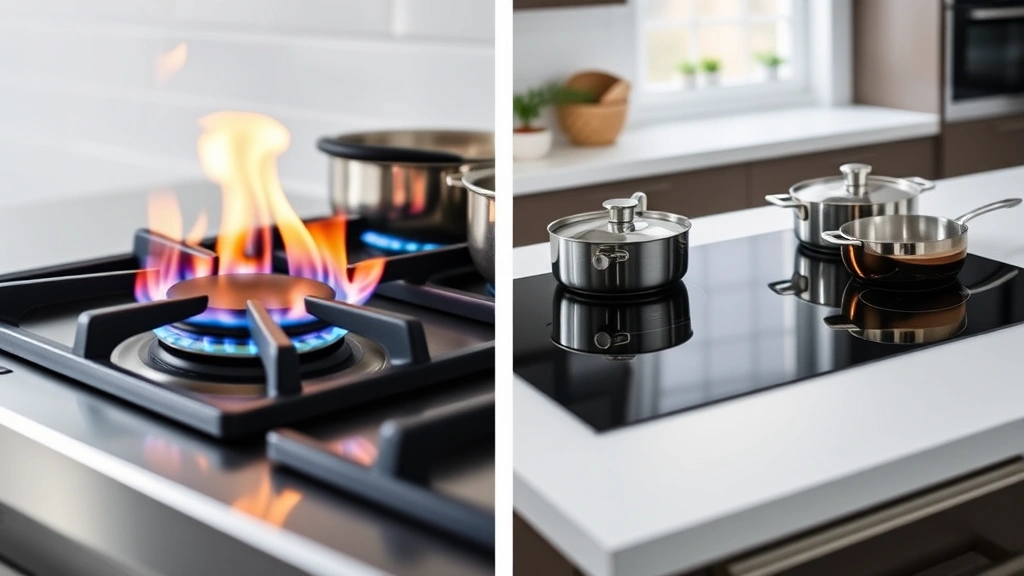
Understanding Gas Stoves and Environmental Impact
Gas stoves have been a kitchen staple for over a century, valued for their instant heat and precise temperature control. However, the environmental credentials of a gas 24 stove are more nuanced than many homeowners realize. The environmental impact encompasses several dimensions: the source of natural gas, combustion efficiency, methane leakage throughout the supply chain, and indoor air quality implications.
Natural gas, primarily composed of methane, is a fossil fuel extracted from underground reserves. While it burns cleaner than coal or oil, it still releases carbon dioxide and other greenhouse gases. Research from the EPA on greenhouse gas emissions indicates that residential cooking and heating accounts for a measurable portion of household carbon emissions, particularly in regions reliant on fossil fuel infrastructure.
The term “24” in gas 24 stove typically refers to the width in inches, making it a standard home cooking appliance. Unlike commercial kitchen equipment, residential gas stoves operate at lower BTU outputs, generally between 5,000 and 15,000 BTUs per burner. This makes them more efficient for typical home cooking compared to larger commercial units, though still less efficient than modern electric induction cooktops.
According to the U.S. Department of Energy, understanding appliance efficiency ratings and operating practices is crucial for reducing household energy consumption. Gas stoves present a particular challenge because they lack the stringent efficiency standards applied to other home appliances.
Energy Efficiency Metrics for Gas Cooking
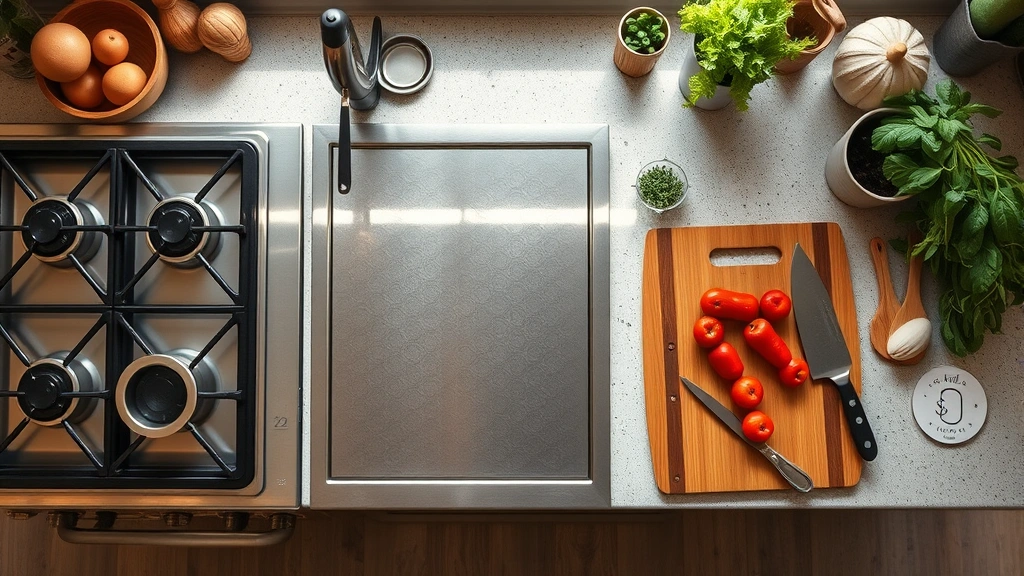
When evaluating whether a gas 24 stove is eco-friendly, energy efficiency serves as a primary metric. Gas stoves convert approximately 70-75% of their fuel energy into usable heat for cooking, with the remaining 25-30% escaping as waste heat through ventilation systems and the stovetop itself.
Electric resistance coil stoves achieve similar efficiency rates around 70-75%, but induction cooktops dramatically outperform both, reaching 85-90% efficiency. This efficiency difference becomes significant when multiplied across thousands of cooking sessions over the appliance’s 15-20 year lifespan. A household using a gas 24 stove daily generates measurably more energy waste than one using induction technology.
The efficiency of a gas 24 stove also depends heavily on several operational factors:
- Burner design: Modern sealed burners prevent heat loss and improve combustion efficiency compared to open-flame designs
- Cookware compatibility: Flat-bottomed pots and pans maximize heat transfer and reduce cooking time
- Flame visibility: The visible flame allows cooks to adjust heat instantly, preventing energy waste from overshooting target temperatures
- Ventilation system: Proper hood operation removes cooking byproducts but also expels heated or cooled air, affecting overall home energy efficiency
Research on sustainable energy solutions demonstrates that appliance efficiency improvements represent one of the most cost-effective ways to reduce household carbon emissions. When considering a gas 24 stove, comparing its energy guide label with alternative options provides concrete data for decision-making.
Emissions and Indoor Air Quality Concerns
Beyond energy consumption, a gas 24 stove raises important indoor air quality considerations that directly impact health and environmental sustainability. When natural gas burns, it produces carbon dioxide, water vapor, nitrogen oxides (NOx), and potentially formaldehyde and carbon monoxide if combustion is incomplete.
Recent scientific studies have documented that gas stoves emit nitrogen dioxide at levels that would violate EPA outdoor air quality standards if measured indoors. A study published by researchers examining residential gas cooking found that indoor concentrations of nitrogen dioxide can exceed outdoor ambient air quality standards, particularly in homes without adequate ventilation. This is especially concerning in modern, tightly-sealed homes designed for energy efficiency but potentially compromised in air quality.
The environmental and health implications include:
- Respiratory impacts: Nitrogen oxide exposure increases asthma risk and respiratory inflammation, particularly in children
- Methane leakage: Even unused gas stoves leak methane, a potent greenhouse gas with 80+ times the warming potential of CO2 over a 20-year period
- Ventilation energy cost: Proper exhaust hood operation removes indoor pollutants but requires continuous air exchange, increasing heating and cooling demands
- Climate contribution: Methane emissions from the natural gas supply chain add 20-40% to the carbon footprint of gas cooking
Understanding your home’s environmental footprint requires considering these indoor air quality factors alongside energy consumption metrics.
Gas 24 Stove vs. Electric Alternatives
Direct comparison between a gas 24 stove and electric cooking options provides clarity for eco-conscious consumers. The environmental equation shifts significantly based on your region’s electricity grid composition.
Induction Cooktops: These represent the most eco-friendly electric option, using electromagnetic energy to heat cookware directly. Advantages include superior efficiency (85-90%), precise temperature control, faster cooking times, and zero direct emissions. The primary drawback is higher upfront cost ($1,500-$3,000 for quality models) and the requirement for magnetic cookware. Environmental payback occurs within 7-10 years through energy savings alone.
Electric Resistance Coils: Traditional electric coils match gas efficiency (~70-75%) but offer no speed or control advantages. They represent a middle-ground option without the emissions concerns of gas or the premium cost of induction.
Hybrid Approach: Many sustainability experts recommend gas 24 stoves with modern sealed burners combined with robust ventilation as a transitional solution, particularly for those unable to afford induction technology or living in rental situations. This approach acknowledges real-world constraints while emphasizing efficiency improvements.
The broader context of sustainability includes considering your total household energy use, not just individual appliances. A household with excellent insulation, efficient HVAC systems, and renewable energy may offset a gas stove’s emissions more effectively than one with poor thermal performance.
Manufacturing and Lifecycle Considerations
A comprehensive environmental assessment of a gas 24 stove extends beyond operational emissions to include manufacturing, transportation, and end-of-life considerations. This lifecycle analysis reveals important sustainability factors often overlooked in simple energy comparisons.
Manufacturing Impact: Producing a gas stove requires steel, aluminum, glass, and electronic components. The embodied carbon from manufacturing a typical gas 24 stove ranges from 500-1,000 kg CO2 equivalent. Induction cooktops, despite their operational efficiency, require more complex electronics and rare earth materials, resulting in higher manufacturing emissions (800-1,500 kg CO2 equivalent). However, the superior operational efficiency of induction technology recovers this manufacturing carbon debt within 2-3 years of typical use.
Supply Chain Considerations: The natural gas supply chain itself represents a significant environmental concern. Methane leakage during extraction, processing, and distribution can represent 1-4% of total gas volumes in some regions. This “fugitive methane” substantially increases the carbon footprint of gas cooking beyond direct combustion emissions. Regions with aging gas infrastructure experience higher leakage rates, making gas stoves less defensible in those areas from an environmental perspective.
Durability and Longevity: Gas stoves typically last 15-20 years with proper maintenance, while quality induction cooktops and electric ranges offer similar lifespans. Choosing durable, repairable appliances over frequent replacement represents a core sustainability principle. Many modern gas 24 stoves feature modular burner designs allowing individual component replacement, extending lifespan and reducing waste.
Recyclability: At end-of-life, steel and aluminum components from either gas or electric stoves are readily recyclable. Electronic components in induction cooktops require more specialized recycling processes, though most manufacturers now participate in take-back programs.
Exploring sustainability research and resources provides deeper insights into lifecycle assessment methodologies and helps consumers understand the full environmental picture of their appliance choices.
Optimizing Your Gas Stove for Sustainability
If you currently own or plan to purchase a gas 24 stove, implementing optimization strategies can meaningfully reduce its environmental impact. These practical approaches acknowledge that most households cannot immediately switch to premium induction technology while still advancing sustainability goals.
Ventilation Best Practices: Use exhaust hoods only when necessary and for minimal duration. Continuous ventilation expels conditioned air, increasing HVAC energy demands. Modern demand-controlled ventilation systems automatically adjust hood operation based on pollutant levels, reducing unnecessary air exchange while maintaining indoor air quality.
Cookware Selection: Use flat-bottomed, appropriately-sized cookware that maximizes heat transfer. Matching pan size to burner size prevents heat waste. Stainless steel and cast iron cookware conduct heat efficiently and last decades, embodying sustainability principles through durability.
Cooking Technique Optimization: Cover pots with lids to reduce cooking time by 25-30%. Bringing water to boil quickly and using residual heat for finishing cooking conserves gas. Batch cooking and meal planning reduce frequency of stove use, cumulatively saving significant energy.
Maintenance Protocols: Regular burner cleaning ensures complete combustion and prevents gas waste. Checking for gas leaks annually protects both safety and environmental performance. Keeping stove surfaces clean improves heat transfer efficiency and extends appliance lifespan.
Leak Detection: Gas stoves that aren’t actively burning still leak methane. Installing a home natural gas leak detector provides early warning of supply-side problems, preventing wasted fuel and reducing fugitive methane emissions.
Future of Cooking Technology
The cooking appliance landscape is rapidly evolving as environmental concerns drive innovation and consumer preferences shift toward cleaner technologies. Understanding emerging trends provides context for current gas 24 stove decisions.
Induction Technology Advancement: Costs are declining as induction technology becomes mainstream. Portable induction cooktops and hybrid ranges that combine induction with gas burners offer flexibility for transitional adoption. Within 5-10 years, induction cooktops may achieve cost parity with quality gas stoves, fundamentally altering the equation.
Biogas and Renewable Gas: Some utilities are increasing renewable biomethane in natural gas supplies, derived from agricultural waste and landfills. As this percentage increases, gas stove emissions could decrease without hardware changes. However, renewable gas availability remains limited in most regions and faces scalability challenges.
Smart Cooking Systems: Connected appliances that optimize burner output based on cookware type and cooking stage could improve gas stove efficiency by 10-15%. These systems are still emerging but represent promising efficiency gains for existing gas infrastructure.
Policy Trends: Several jurisdictions including California and New York are implementing building codes restricting gas infrastructure in new construction, accelerating the shift toward electric cooking. Understanding these regulatory trends helps inform long-term appliance decisions.
The broader context of electrification trends shows that residential electrification—including cooking—aligns with climate goals and renewable energy integration strategies.
FAQ
Is a gas 24 stove truly eco-friendly?
A gas 24 stove is moderately eco-friendly compared to older gas models or electric resistance coils, but substantially less eco-friendly than modern induction cooktops. Its environmental credentials depend on your region’s natural gas supply chain, electricity grid composition, and your usage patterns. If you’re using it efficiently with proper ventilation, it represents a reasonable choice until upgrading to induction technology becomes feasible.
What is the carbon footprint of operating a gas 24 stove annually?
A typical household using a gas 24 stove for daily cooking generates approximately 1.5-2 metric tons of CO2 equivalent annually from stove operation, including direct combustion emissions and supply chain methane leakage. This varies based on cooking frequency, burner efficiency, and regional natural gas sourcing. Switching to induction could reduce this by 40-50%.
Does ventilation improve the environmental performance of gas stoves?
Proper ventilation protects indoor air quality and health but reduces overall environmental performance by expelling heated or cooled air, increasing HVAC demands. Demand-controlled ventilation systems optimize this tradeoff by ventilating only when necessary, balancing health and environmental concerns.
Can I convert my gas 24 stove to electric?
Converting a gas stove to electric requires electrical infrastructure upgrades and stove replacement—typically a $3,000-$8,000 project. Most households find purchasing a new induction cooktop more cost-effective than conversion. For renters or those with budget constraints, optimizing your existing gas stove remains the practical alternative.
What’s the most eco-friendly cooking method?
Induction cooktops represent the most eco-friendly option for most households, combining superior efficiency (85-90%), zero direct emissions, precise control, and fast cooking times. For those unable to afford induction, optimized gas cooking with efficient practices provides a reasonable interim solution while planning eventual transition to electric cooking.
Are there eco-certifications for gas stoves?
Unlike refrigerators and dishwashers, gas stoves lack comprehensive eco-certification programs. The EPA’s ENERGY STAR program does not currently certify residential gas stoves. However, comparing efficiency ratings and selecting models with sealed burners and electronic ignition represents the best available guidance for environmentally conscious selection.
Conclusion: A gas 24 stove occupies a middle ground in the sustainability spectrum—significantly better than older cooking methods but inferior to modern induction technology. The honest answer to whether it’s eco-friendly depends on your specific circumstances, regional energy infrastructure, and available alternatives. For those currently using gas stoves, implementing optimization strategies provides meaningful environmental benefits. For those considering new purchases, exploring induction cooktops or planning a transition timeline toward electrification aligns better with climate goals and personal health. The cooking appliance you choose reflects your values and constraints, and understanding the full environmental picture empowers better decision-making for a more sustainable home.


