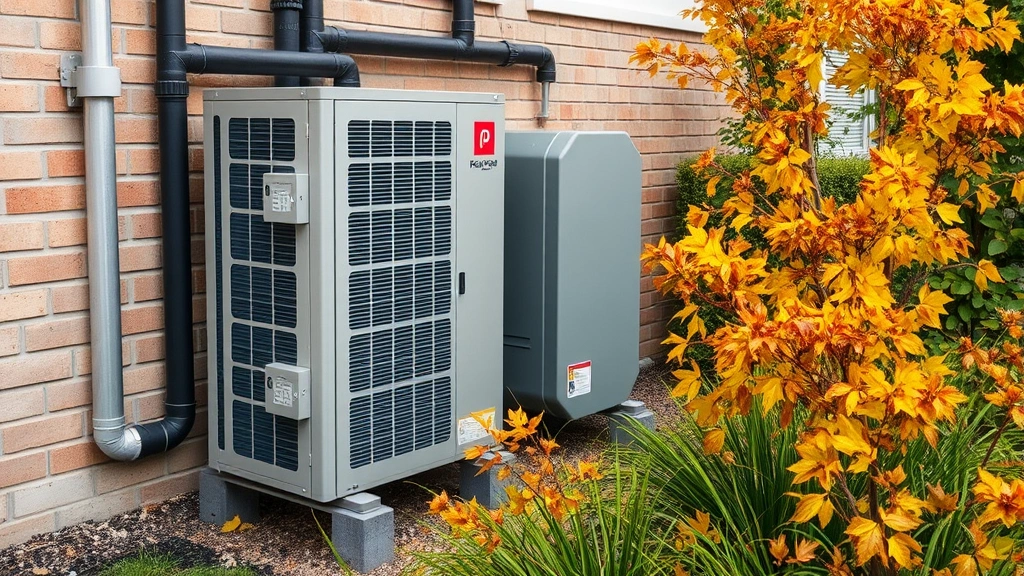
Gas Absorption Heat Pump: Eco-Friendly Choice?
As global energy demands continue to rise and climate concerns intensify, homeowners and businesses increasingly seek efficient heating solutions that minimize environmental impact. Gas absorption heat pumps represent a compelling technology that bridges traditional heating systems with modern sustainability goals. Unlike conventional electric heat pumps that rely solely on electrical power, gas absorption heat pumps utilize natural gas to drive the heating process, offering unique advantages and distinct trade-offs worth examining closely.
The heating and cooling sector accounts for approximately 50% of energy consumption in buildings worldwide, making technological innovations in this space critically important. Gas absorption heat pumps operate on thermodynamic principles that allow them to deliver substantial heating with improved efficiency compared to traditional gas furnaces. This comprehensive guide explores whether gas absorption heat pumps truly represent an eco-friendly choice, examining their operational mechanics, environmental impact, cost considerations, and how they compare to alternative heating technologies available today.
How Gas Absorption Heat Pumps Work
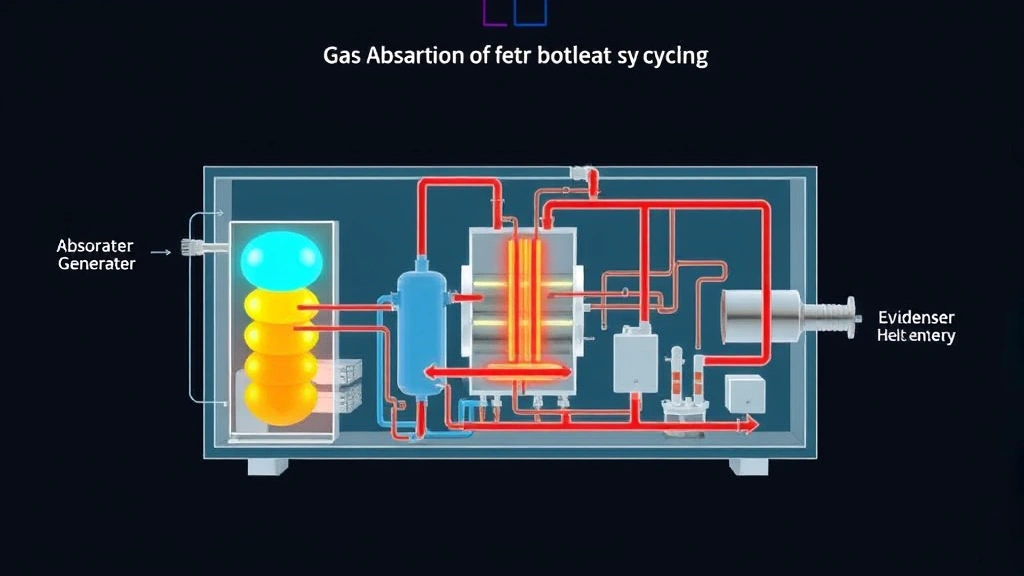
Gas absorption heat pumps operate through a thermodynamic cycle fundamentally different from traditional air conditioning or electric heat pumps. Rather than using electrical compressors to move refrigerant through the system, these devices employ natural gas combustion to power the absorption cycle. This process involves four main components: an absorber, generator, condenser, and evaporator working in concert to extract heat from outdoor air and transfer it indoors.
The cycle begins when natural gas burns in the generator, producing heat that drives refrigerant vapor from a liquid-refrigerant solution. This concentrated vapor moves to the condenser where it releases heat to the heating water circuit, condensing back into liquid form. The liquid refrigerant then flows to the evaporator where it absorbs heat from outdoor air, even in cold conditions, and evaporates into vapor. This vapor returns to the absorber where it dissolves back into the salt solution, completing the cycle and generating additional heat through the absorption process itself.
What makes this system particularly interesting is its ability to deliver both heating and cooling, with efficiency ratings measured in coefficients of performance (COP). Modern gas absorption heat pumps can achieve COP values between 1.3 and 1.6 for heating, meaning they produce 1.3 to 1.6 units of heat output for every unit of energy input from gas combustion. This represents a significant improvement over traditional gas furnaces, which typically operate at 80-95% efficiency but cannot capture and utilize waste heat as effectively.
Environmental Impact Analysis
The environmental credentials of gas absorption heat pumps present a nuanced picture that requires careful examination. While these systems offer efficiency advantages over conventional heating methods, they still rely on fossil fuels, which introduces carbon emissions into their operational lifecycle. Understanding the full environmental impact requires analyzing both direct emissions from gas combustion and indirect emissions from the electricity used in auxiliary functions.
Direct carbon emissions from gas absorption heat pumps depend on natural gas consumption, which varies based on climate, system efficiency, and operational patterns. A typical residential installation might consume 800-1,200 therms of natural gas annually for heating, producing approximately 8-12 metric tons of CO2 equivalent per year. This represents roughly a 20-30% reduction compared to traditional gas furnace heating, making them a meaningful step toward reducing your environmental footprint.
However, the real environmental advantage emerges when comparing gas absorption heat pumps to electric resistance heating or heat pump systems powered by electricity from coal-heavy grids. In regions where grid electricity comes predominantly from renewable sources, electric heat pumps maintain environmental advantages. Conversely, in areas where natural gas is cleaner than grid electricity, absorption systems may actually deliver superior environmental performance. The EPA Greenhouse Gas Equivalencies Calculator provides tools to assess your regional electricity mix and make informed comparisons.
Refrigerant selection also impacts environmental considerations. Modern systems use refrigerants with low global warming potential (GWP) values, typically below 100, compared to older refrigerants with GWP values exceeding 1,000. This represents significant progress in minimizing refrigerant-related emissions. Additionally, proper maintenance and leak prevention protocols ensure these refrigerants remain contained throughout the system’s operational life.
The manufacturing and installation process generates embodied carbon, though this is amortized over the system’s 20-25 year lifespan. When calculated across total lifecycle emissions, gas absorption heat pumps typically offset their manufacturing carbon footprint within 2-4 years of operation, depending on climate and regional electricity sources.
Energy Efficiency Comparison
Understanding energy efficiency requires distinguishing between different measurement standards and real-world performance conditions. Gas absorption heat pumps utilize the COP metric, which differs from the Seasonal Energy Efficiency Ratio (SEER) and Heating Seasonal Performance Factor (HSPF) used for electric systems. This distinction sometimes creates confusion when comparing technologies.
For heating applications, gas absorption heat pumps typically achieve COP values of 1.3-1.6, meaning 30-60% of combustion energy is converted to usable heat beyond what traditional furnaces accomplish. Electric air-source heat pumps achieve HSPF ratings of 8-12 in moderate climates, translating to COP equivalents of 2.4-3.6 when considering electrical input. Ground-source heat pumps reach even higher COP values of 3.0-5.0, depending on soil conditions and system design.
These comparisons reveal that electric heat pumps, particularly ground-source systems, deliver superior energy efficiency from a thermodynamic standpoint. However, this advantage diminishes significantly in regions where electricity generation relies heavily on fossil fuels. The efficiency advantage of electric systems also depends on seasonal variations, with performance degrading substantially in extreme cold climates where supplemental heating becomes necessary.
Gas absorption heat pumps maintain more consistent performance across temperature ranges, continuing to extract heat effectively even when outdoor temperatures drop to -10°C or below. This characteristic makes them particularly valuable in continental and northern climates where electric heat pump efficiency deteriorates during peak heating demand periods. Sustainable energy solutions must account for regional climate patterns and electricity generation sources rather than applying universal efficiency standards.
Operational flexibility represents another efficiency consideration. Gas absorption systems can provide simultaneous heating and cooling, useful in commercial applications with diverse thermal loads. They also integrate effectively with existing gas infrastructure, avoiding costly electrical upgrades that electric systems often require.
Cost Considerations and ROI
Initial capital costs for gas absorption heat pump installation typically range from $8,000 to $15,000 for residential systems, compared to $5,000-$10,000 for traditional furnaces and $10,000-$20,000 for electric heat pumps. This higher initial investment requires careful financial analysis to justify the purchase.
Operating costs depend on natural gas prices, which fluctuate based on market conditions and regional availability. Understanding current gallon of gas price trends helps contextualize heating fuel costs, though heating systems typically operate on natural gas rather than gasoline. Annual operating costs for gas absorption heat pumps generally range from $800-$1,500, compared to $1,200-$2,000 for furnaces and $600-$1,200 for electric heat pumps in moderate climates.
Return on investment timelines typically span 8-15 years, depending on climate severity, electricity rates, gas prices, and available incentives. Many jurisdictions offer rebates for high-efficiency heating systems, potentially reducing effective purchase prices by 20-30%. Federal tax credits for heat pump installations may apply in some regions, though eligibility requirements vary by system type and location.
Maintenance costs for gas absorption systems average $200-$400 annually, slightly higher than furnaces but comparable to electric heat pump maintenance. This includes annual inspections, filter replacements, and refrigerant checks. Professional service is typically required, as these systems contain hazardous refrigerants and require specialized knowledge.
Lifecycle cost analysis reveals that gas absorption heat pumps often prove economically competitive over 20-year periods, particularly in climates with harsh winters and high heating demands. The financial case strengthens further when factoring in improved comfort, reduced environmental impact, and potential future carbon pricing mechanisms.
Installation and Maintenance
Installing gas absorption heat pumps requires specialized expertise, as these systems involve complex thermodynamic cycles and hazardous refrigerants. Professional installers must hold proper certifications, typically requiring EPA Section 608 refrigerant handling certification and manufacturer-specific training. This expertise requirement can limit installation availability in some regions, potentially increasing labor costs.
Pre-installation considerations include evaluating existing gas infrastructure, electrical capacity, and space requirements for indoor and outdoor components. Most systems require both indoor heating units and outdoor condensers, similar to traditional split-system air conditioning. Adequate ventilation for combustion air and exhaust is essential, particularly for indoor generator components.
Proper ductwork design and balance significantly impact system performance. Unlike furnaces that require minimal ductwork modification, heat pump systems often benefit from redesigned distribution networks to optimize heat delivery. This additional work can add $1,000-$3,000 to installation costs but substantially improves comfort and efficiency.
Maintenance requirements include annual inspections before heating season, refrigerant charge verification, combustion safety testing, and filter replacement. The generator component requires periodic inspection to ensure proper gas combustion and heat transfer. Unlike electric heat pumps, absorption systems contain moving parts in the gas valve assembly that warrant periodic servicing.
Homeowners should establish relationships with qualified service providers before purchasing systems, ensuring ongoing support availability. Some manufacturers offer extended service contracts covering routine maintenance and emergency repairs, providing valuable peace of mind and predictable costs.
Real-World Performance Data
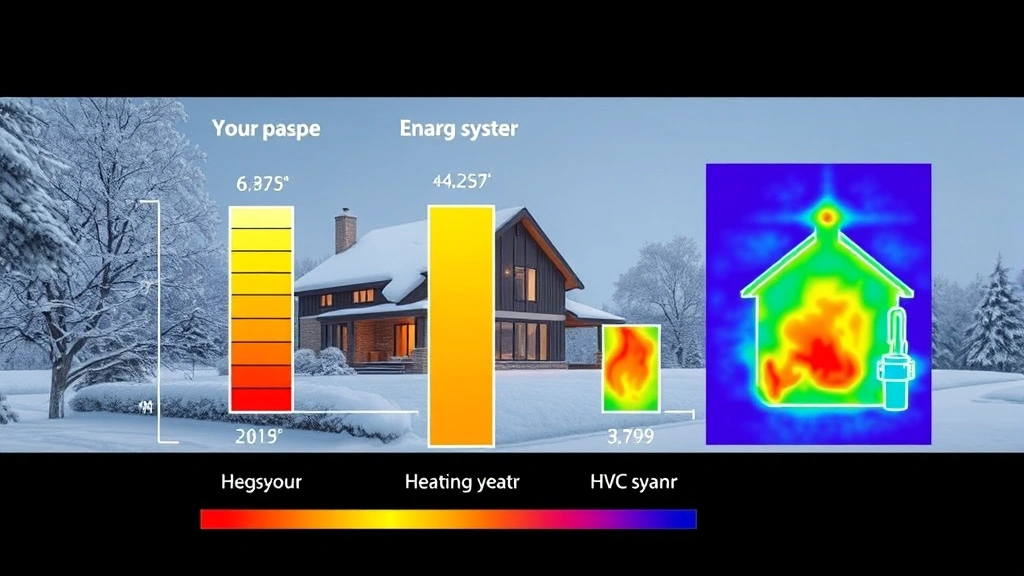
Field performance studies from European markets, where gas absorption heat pumps have achieved significant market penetration, provide valuable insights into real-world operation. German research programs tracking thousands of installations over multiple heating seasons reveal actual COP values of 1.25-1.55, slightly below laboratory ratings due to installation variations and seasonal operation patterns.
Swedish data indicates that gas absorption heat pumps achieve particularly strong performance in well-insulated homes with low heating demands, where efficiency improves due to reduced cycling losses. In poorly insulated buildings, performance approaches traditional furnace efficiency, diminishing the economic advantage. This finding underscores the importance of building envelope improvements as complementary efficiency measures.
Comfort metrics from field studies show that homeowners appreciate consistent heat delivery and the ability to provide both heating and cooling from a single system. Noise levels typically measure 50-65 decibels, comparable to traditional furnaces and quieter than many electric heat pump models. This acoustic advantage appeals to noise-sensitive homeowners.
Reliability data suggests 98-99% seasonal availability, with most failures related to gas supply interruptions rather than system defects. Manufacturer warranty periods typically span 5-10 years for major components, with many systems operating successfully for 20+ years with proper maintenance.
Canadian cold-climate studies demonstrate that gas absorption heat pumps maintain heating output effectively at temperatures below -15°C, where electric air-source heat pumps require supplemental resistance heating. This performance advantage translates to measurable energy savings in continental climates experiencing extended cold periods.
Comparing to Electric Heat Pumps
The comparison between gas absorption and electric heat pumps fundamentally depends on regional electricity generation sources and climate conditions. In regions powered primarily by renewable energy or nuclear generation, electric heat pumps deliver superior environmental and economic performance. In areas reliant on fossil fuel electricity generation, gas absorption systems may offer comparable or superior lifecycle environmental benefits.
Electric heat pumps, particularly ground-source models, achieve higher thermodynamic efficiency ratings and lower operating costs in moderate climates. They produce zero direct emissions and integrate seamlessly with renewable electricity sources. However, they require substantial electrical infrastructure upgrades in many homes and perform suboptimally during extreme cold weather without supplemental heating.
Gas absorption heat pumps offer superior cold-climate performance, lower installation disruption for existing gas-heated homes, and reduced electrical demand. They maintain consistent heating output regardless of outdoor temperature and provide simultaneous heating and cooling capabilities. However, they continue relying on fossil fuels and cannot achieve the efficiency potential of electric systems powered by clean electricity.
The advantages of electric vehicles in transportation parallel the advantages of electric heat pumps in heating—both shift energy consumption toward electrification, enabling cleaner operation as electricity grids decarbonize. This strategic advantage favors electric systems for long-term sustainability planning.
Hybrid approaches merit consideration, combining gas absorption heat pumps with electric resistance heating or solar thermal systems to optimize performance across seasonal conditions. Such integrated systems can deliver superior efficiency and resilience compared to single-technology solutions.
For new construction or major renovations, electric heat pump installation proves most practical, avoiding fossil fuel lock-in over the system’s 20-25 year lifespan. For retrofit applications in existing gas-heated homes, particularly in cold climates, gas absorption heat pumps offer pragmatic efficiency improvements without requiring extensive infrastructure changes. Visit the SustainWise Hub Blog for additional perspectives on heating technology selection.
FAQ
Are gas absorption heat pumps truly eco-friendly?
Gas absorption heat pumps represent a significant improvement over traditional furnaces, reducing energy consumption by 25-40% and associated carbon emissions accordingly. However, they remain fossil fuel-dependent, making electric heat pumps powered by renewable electricity ultimately more sustainable. Their eco-friendliness depends on regional electricity sources and climate conditions—they excel in fossil fuel-heavy grids and cold climates but cannot match electric systems in renewable-powered regions.
What is the typical lifespan of a gas absorption heat pump?
Most gas absorption heat pumps operate reliably for 20-25 years with proper maintenance. Manufacturer warranties typically cover 5-10 years, with many components lasting the full system lifespan. Regular annual servicing and prompt refrigerant leak repairs significantly extend operational life beyond these estimates.
Can gas absorption heat pumps work in very cold climates?
Yes, gas absorption heat pumps maintain heating effectiveness at temperatures well below -15°C, where electric air-source heat pumps require supplemental heating. This cold-climate advantage makes them particularly suitable for continental and northern regions, delivering measurable energy savings compared to electric alternatives in severe winter conditions.
How do installation costs compare to other heating systems?
Gas absorption heat pump installation typically costs $8,000-$15,000, compared to $5,000-$10,000 for furnaces and $10,000-$20,000 for electric heat pumps. Retrofit installations in homes with existing gas infrastructure prove most economical, while new construction situations may favor electric systems despite higher initial costs.
What maintenance do gas absorption heat pumps require?
Annual professional maintenance includes inspections, filter replacement, refrigerant charge verification, and combustion safety testing. Expected annual costs range from $200-$400. These requirements exceed furnace maintenance but remain comparable to electric heat pump servicing, with the added complexity of combustion system monitoring.
Will gas absorption heat pumps become obsolete as electricity decarbonizes?
As electricity grids incorporate increasing renewable energy percentages, gas absorption heat pumps become progressively less advantageous compared to electric alternatives. New installations should consider long-term grid decarbonization trajectories, likely favoring electric systems for 20+ year planning horizons. Existing gas absorption systems remain valuable through their operational lifespan.
Can gas absorption heat pumps provide cooling?
Yes, most gas absorption heat pump models operate in reverse-cycle mode, providing cooling during warm months. This dual functionality adds value compared to heating-only furnaces but requires proper refrigerant circulation and control system configuration. Cooling performance typically matches or exceeds traditional air conditioning systems.
What government incentives apply to gas absorption heat pumps?
Incentive availability varies significantly by jurisdiction. Some regions offer rebates for high-efficiency heating systems, while others prioritize electric heat pump adoption through preferential incentives. Check with local utility companies and state energy offices for current programs. Federal tax credits may apply in certain circumstances, though eligibility requirements vary widely.


