Are Gas Air Compressors Eco-Friendly? Facts Inside
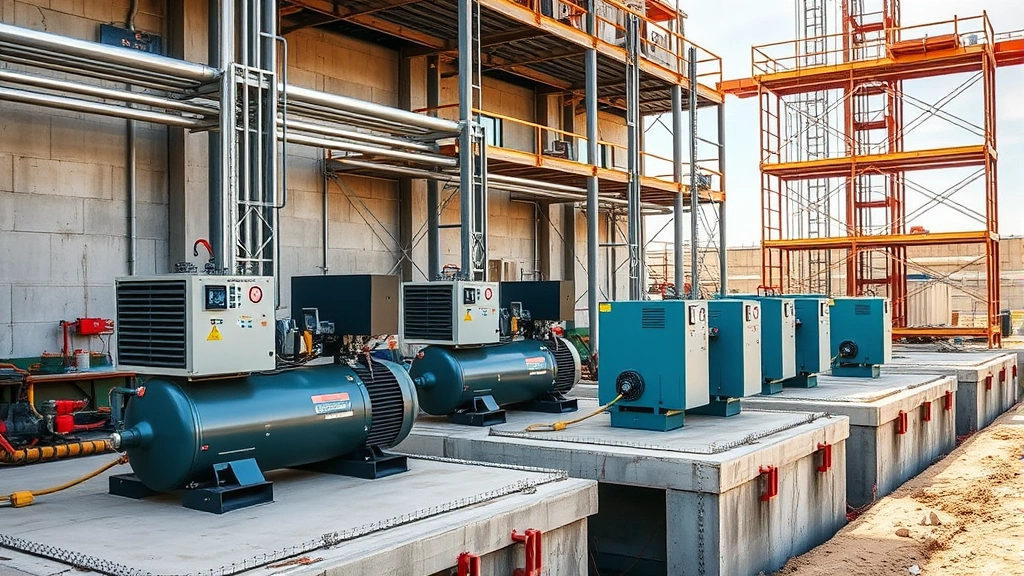
Gas air compressors have long been the workhorse of construction sites, manufacturing facilities, and automotive shops. Their portable power and immediate availability make them attractive for professionals who need compressed air on demand. However, as environmental concerns become increasingly urgent, many users are questioning whether these machines align with eco-conscious practices. The answer is nuanced: while gas air compressors offer undeniable convenience, their environmental impact is significant and multifaceted.
Understanding the ecological footprint of gas air compressors requires examining their emissions, fuel consumption, noise pollution, and how they compare to alternative technologies. This comprehensive analysis will help you make informed decisions about whether gas-powered compression aligns with your sustainability goals or if switching to cleaner alternatives might be the better choice for your operations and our planet.
How Gas Air Compressors Work
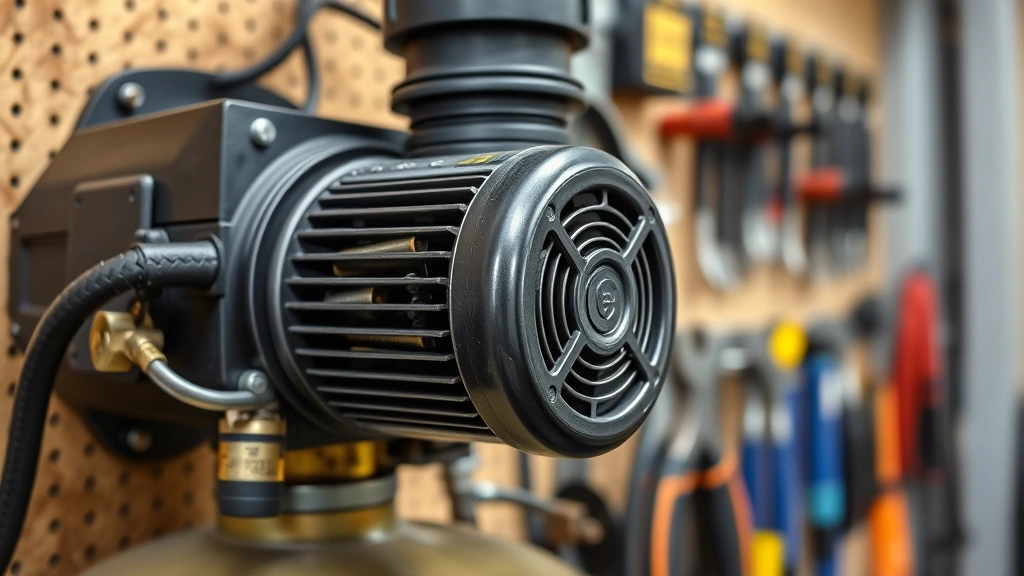
Gas air compressors operate by burning gasoline or diesel fuel to power an internal combustion engine, which drives a pump that compresses ambient air into a storage tank. This compressed air can then be released through various tools and attachments. The simplicity and self-contained nature of this system make gas compressors exceptionally portable and independent from electrical infrastructure.
The combustion process that powers these machines involves mixing fuel with oxygen and igniting it to create explosive force. This force moves pistons or rotors that compress the air. While this mechanical process is efficient in converting fuel energy to compressed air, it inevitably produces byproducts: carbon dioxide, nitrogen oxides, particulate matter, and unburned hydrocarbons. These emissions directly contribute to air pollution and climate change, making the fundamental operation of gas compressors inherently problematic from an environmental perspective.
Understanding the definition of sustainability helps contextualize this issue. True sustainability requires meeting current needs without compromising future generations’ ability to meet theirs. Gas air compressors, by their nature, consume non-renewable fossil fuels and generate emissions that accumulate in our atmosphere, directly contradicting sustainability principles.
Environmental Impact of Gas Air Compressors
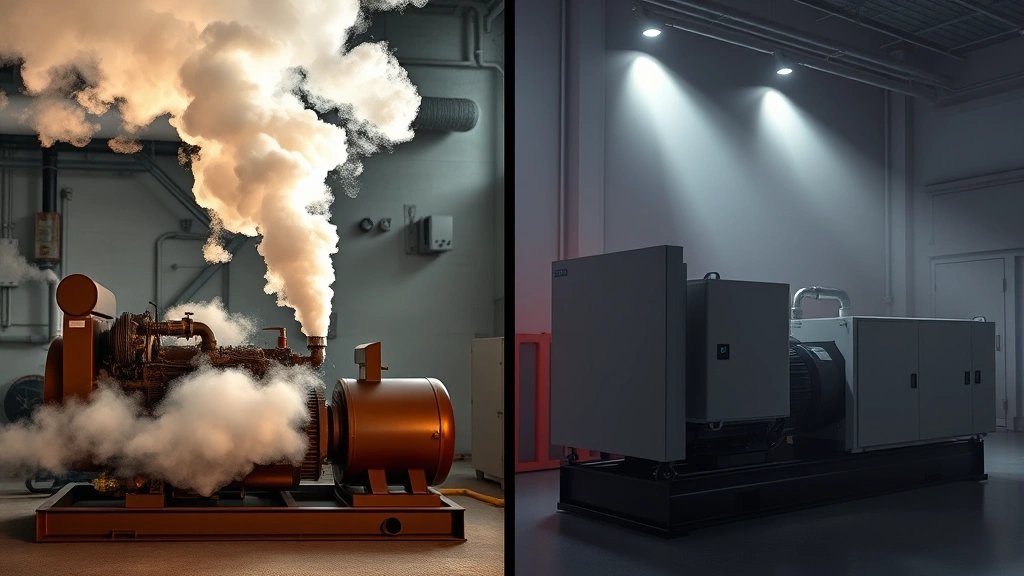
The environmental consequences of gas air compressor use extend far beyond the moment of operation. Each unit represents a commitment to fossil fuel consumption, contributing to multiple environmental crises simultaneously. The extraction of crude oil, its refinement into gasoline, transportation to distribution centers, and eventual combustion creates a complex chain of environmental damage.
Manufacturing a gas air compressor itself carries environmental costs. Mining and processing metals, producing plastics and rubber components, and assembling the unit all require energy and generate waste. Once in service, the machine’s lifespan typically spans 10-20 years, during which it may consume thousands of gallons of fuel depending on usage intensity.
The broader context matters too. As society transitions toward sustainable energy solutions, continued reliance on gas-powered equipment becomes increasingly problematic. These machines lock users into outdated technology and perpetuate demand for fossil fuels at a time when renewable alternatives are becoming viable and cost-competitive.
Emissions and Air Quality Concerns
Gas air compressors emit several harmful pollutants that degrade air quality and pose health risks. Carbon dioxide (CO2) is the primary greenhouse gas released, contributing directly to climate change. A single gas compressor might emit 1-3 tons of CO2 annually, depending on engine size and usage patterns.
Beyond CO2, these machines produce:
- Nitrogen oxides (NOx) – Contribute to smog formation and respiratory problems
- Particulate matter (PM) – Fine particles that lodge in lungs and bloodstreams
- Volatile organic compounds (VOCs) – React with sunlight to form ground-level ozone
- Carbon monoxide (CO) – A toxic gas that impairs oxygen transport in blood
- Unburned hydrocarbons – Contribute to air pollution and climate forcing
According to the EPA’s air quality standards, these emissions are regulated due to their documented health impacts. In areas with poor air quality, gas-powered equipment like compressors exacerbates existing pollution problems. Workers operating these machines in enclosed or poorly ventilated spaces face elevated exposure to harmful emissions.
The cumulative effect of widespread gas compressor use in industrial and construction sectors creates significant regional air quality challenges. Areas with concentrated manufacturing or construction activity often show measurably elevated pollution levels directly attributable to equipment like gas air compressors.
Fuel Consumption and Carbon Footprint
The carbon footprint of gas air compressors encompasses both direct emissions from operation and indirect emissions from fuel production and transportation. A typical gas compressor consumes 0.5-1.5 gallons of fuel per hour of operation, translating to 4-12 gallons daily for standard work shifts.
At that consumption rate, an annual carbon footprint calculation reveals concerning numbers:
- Direct combustion emissions – Burning one gallon of gasoline releases approximately 19.6 pounds of CO2
- Fuel production emissions – Extracting, refining, and transporting fuel adds 15-25% more emissions
- Equipment manufacturing – Initial production contributes 500-1,000 pounds of CO2 equivalent
A moderately used gas compressor operating 250 days annually at one gallon per hour generates roughly 2.5 tons of CO2 from combustion alone, plus an additional 400-600 pounds from fuel production and distribution. Over a 15-year lifespan, that single machine contributes approximately 40 tons of CO2 to the atmosphere.
When you multiply this by the millions of gas air compressors in use globally, the aggregate carbon impact becomes staggering. This reality underscores why transitioning to alternatives like electric equipment matters so critically for climate change mitigation.
Noise Pollution and Environmental Effects
Beyond chemical emissions, gas air compressors generate substantial noise pollution. Most models operate at 80-90 decibels, with some exceeding 100 decibels. For context, sustained exposure to sound above 85 decibels causes hearing damage, and 100+ decibels can damage hearing in minutes.
Noise pollution creates environmental consequences often overlooked in sustainability discussions:
- Wildlife disruption – Animals rely on acoustic communication for mating, feeding, and danger detection. Loud equipment interferes with these essential behaviors
- Habitat degradation – Construction sites with gas compressors create acoustic stress that drives sensitive species away from traditional habitats
- Ecosystem stress – Chronic noise pollution elevates stress hormones in wildlife, reducing reproduction and survival rates
- Human health impacts – Prolonged noise exposure increases stress, sleep disruption, and cardiovascular disease risk
Construction and industrial areas where gas compressors operate intensively show measurable ecological changes. Bird populations decline, stress-sensitive species disappear, and overall biodiversity suffers. This acoustic footprint represents an often-invisible but significant environmental cost.
Comparing Gas vs Electric Air Compressors
Electric air compressors present a dramatically different environmental profile. While they still consume energy and generate some emissions, the source and magnitude of impact differ substantially from gas models.
Electric compressor advantages:
- Zero direct emissions – No combustion byproducts at the point of use
- Grid emissions variability – Environmental impact depends on electricity source; renewable-powered grids make electric compressors genuinely clean
- Lower noise levels – Typically 70-80 decibels, reducing acoustic pollution
- No fuel storage or transportation – Eliminates spill risks and fuel distribution emissions
- Better efficiency – Electric motors convert energy more efficiently than combustion engines
- Operational cost savings – Electricity typically costs less than gasoline per unit of compressed air
The environmental advantage of electric compressors becomes even clearer when powered by renewable electricity. A compressor operating on solar, wind, or hydroelectric power produces effectively zero emissions across its entire lifecycle (excluding minimal manufacturing impacts). As electrical grids decarbonize with increasing renewable generation, electric compressors become progressively cleaner over their operational lifetime.
Hybrid models are emerging as transitional solutions, using gas engines with electric motor assistance. While not ideal, these represent incremental improvement over purely gas-powered equipment.
For stationary applications where portability isn’t essential, electric compressors are almost universally the superior environmental choice. They also support reducing your environmental footprint across operations more broadly.
Sustainable Alternatives and Best Practices
Organizations committed to sustainability have several pathways to reduce dependence on gas air compressors:
1. Transition to Electric Compressors
For fixed locations like workshops, factories, and service centers, electric compressors are the most practical replacement. Modern models offer sufficient power for most applications. The initial investment is comparable to gas units, and operational savings quickly offset purchase costs through reduced fuel expenses.
2. Implement Pneumatic System Optimization
Compressed air systems leak significantly, with some facilities losing 20-30% of generated air. Identifying and repairing leaks, upgrading to efficient tools, and installing proper regulators reduces overall air generation needs, whether from gas or electric sources. This approach cuts both environmental impact and operational costs.
3. Adopt Battery-Powered Tools
Many tasks traditionally requiring compressed air can now be accomplished with modern battery-powered equipment. Cordless impact wrenches, drills, and nail guns eliminate the need for compressors entirely. Battery technology continues improving, making this option increasingly viable.
4. Invest in Renewable-Powered Infrastructure
Organizations using electric compressors can further reduce environmental impact by powering them with on-site renewable energy. Solar panels or small wind turbines can supply electricity for stationary compressor installations, creating genuinely sustainable compressed air systems.
5. Establish Equipment Sharing Programs
Construction companies and contractors can reduce overall equipment needs through shared tool libraries and equipment rental services. This approach distributes environmental impact across more users, improving efficiency and reducing redundancy.
6. Upgrade Maintenance Practices
Regular maintenance of gas compressors improves efficiency and reduces emissions. Dirty air filters, improper fuel mixtures, and worn components increase fuel consumption and emissions. However, for organizations seeking true sustainability, maintenance improvements represent a temporary measure rather than a long-term solution.
Exploring green technology innovations transforming our future reveals numerous emerging solutions that make gas compressor replacement increasingly feasible and economically attractive.
The EPA’s sustainability framework emphasizes that true environmental responsibility requires eliminating reliance on fossil fuels rather than simply reducing consumption. This principle applies directly to gas air compressors—the most sustainable option is transition away from them entirely.
Organizations serious about environmental responsibility should establish timelines for phasing out gas-powered equipment. Many forward-thinking companies have already committed to this transition, recognizing that sustainability increasingly influences customer preferences, employee recruitment, and regulatory compliance.
The industrial sector’s shift toward electrification is accelerating, driven by improving technology, cost competitiveness, and climate imperatives. Gas air compressors represent outdated technology that conflicts with genuine sustainability commitments. As alternatives become more capable and affordable, continuing to rely on gas-powered compression becomes increasingly difficult to justify environmentally or economically.
FAQ
Are gas air compressors ever eco-friendly?
No, gas air compressors inherently rely on fossil fuel combustion and cannot be genuinely eco-friendly. They always produce direct emissions and consume non-renewable resources. While maintenance improvements can reduce emissions somewhat, they don’t address the fundamental environmental problems of gas-powered equipment. Electric alternatives are the only truly sustainable option.
How much CO2 does a gas air compressor produce?
A typical gas compressor operating one hour daily, 250 days annually, produces approximately 2.5 tons of CO2 from combustion, plus 400-600 additional pounds from fuel production and distribution. Over a 15-year lifespan, that’s roughly 40 tons of CO2 equivalent—equivalent to driving a car 100,000 miles.
Can I make my gas compressor more environmentally friendly?
You can improve efficiency through regular maintenance, proper tune-ups, and ensuring correct fuel mixtures. However, these measures provide only marginal improvements. The most effective environmental action is transitioning to electric or battery-powered alternatives. Maintenance optimization is a temporary measure, not a sustainable solution.
What’s the environmental cost of electric compressors?
Electric compressors produce zero direct emissions and typically have lower overall environmental impact than gas models. Their emissions depend on the electricity grid’s energy source—grids powered by renewables make electric compressors genuinely clean. Even on conventional grids, electric compressors are significantly cleaner than gas alternatives because power plants operate more efficiently than portable combustion engines.
How do battery-powered tools compare to gas compressors?
Modern battery-powered tools eliminate the need for compressed air entirely for many applications. They’re quieter, produce zero emissions, cost less to operate, and require minimal maintenance. For most construction and workshop tasks, battery tools have become the superior environmental choice. They represent the fastest-growing segment of professional equipment markets.
Is there a financial incentive to switch from gas to electric compressors?
Yes. While initial purchase prices are comparable, operational costs favor electric compressors significantly. Electricity typically costs 60-70% less than gasoline per unit of compressed air. Over a machine’s lifespan, electric compressors often cost 30-40% less to operate, creating both environmental and financial benefits.
What about portable applications where I need gas compressors?
For truly mobile applications, battery-powered tools are increasingly viable. Portable electric compressors powered by rechargeable batteries continue improving. If a gas compressor is absolutely necessary, using it minimally and maintaining it properly reduces environmental impact. However, exploring whether the task could be accomplished with battery tools should be the first priority.


