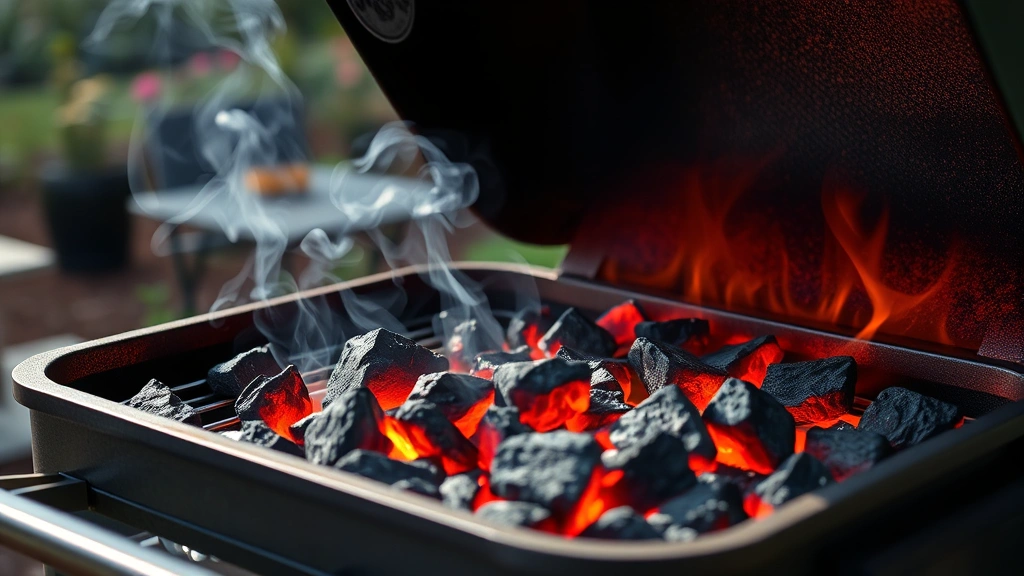
Gas vs Charcoal Grills: Eco Impact Explored
When it comes to outdoor cooking, the choice between gas and charcoal grills extends far beyond taste preferences and convenience. Both options carry distinct environmental implications that deserve careful consideration from eco-conscious consumers. Understanding the sustainability profile of each grilling method empowers homeowners to make informed decisions that align with their values while enjoying delicious meals.
The environmental debate surrounding gas and charcoal grills encompasses multiple factors: fuel sourcing, carbon emissions, resource consumption, and waste generation. Each grilling method presents unique challenges and benefits that warrant thorough examination. By exploring the ecological footprint of both options, you’ll discover which approach better supports your commitment to environmental stewardship.

Environmental Impact of Charcoal Grills
Charcoal grilling carries significant environmental consequences that often go unexamined by casual users. The charcoal production process involves converting wood into fuel through carbonization, a method that consumes substantial forest resources. Approximately 9 million tons of charcoal are produced globally each year, creating substantial pressure on tropical and subtropical forests. Many charcoal operations contribute to deforestation, habitat destruction, and biodiversity loss in vulnerable ecosystems.
The carbon footprint of charcoal extends beyond just burning the fuel. Deforestation for charcoal production releases stored carbon from trees while simultaneously eliminating future carbon sinks. This double impact makes charcoal a particularly carbon-intensive choice. Additionally, charcoal briquettes often contain chemical binders and accelerants that produce harmful emissions when burned. Lighter fluid, commonly used to ignite charcoal, introduces volatile organic compounds into the atmosphere.
When you burn charcoal, you’re releasing carbon dioxide and other greenhouse gases directly into the atmosphere. A typical charcoal grilling session produces considerably more emissions per unit of heat generated compared to other cooking methods. The inefficient combustion process means more fuel is needed to achieve desired cooking temperatures, multiplying the environmental burden.
However, charcoal does offer one potential environmental advantage: when sourced from sustainably managed forests or agricultural waste materials, it can represent a renewable resource. Some producers create charcoal from agricultural byproducts, reducing pressure on natural forests. Understanding where your charcoal originates significantly impacts its overall sustainability profile.

Gas Grills and Carbon Emissions
Natural gas grills present a different environmental profile, though not necessarily a superior one. When examining gas and charcoal grill emissions, natural gas combustion produces fewer particulates and volatile organic compounds than charcoal burning. However, natural gas itself is a fossil fuel extracted through environmentally disruptive processes.
The methane content in natural gas creates particular environmental concerns. Methane is a potent greenhouse gas with a global warming potential approximately 25 times greater than carbon dioxide over a 100-year period. Leaks during extraction, processing, transportation, and delivery contribute significantly to atmospheric methane concentrations. A single gas grill leak over time can release substantial quantities of this powerful greenhouse gas.
Gas grills do offer superior combustion efficiency compared to charcoal. Natural gas burns more completely, requiring less fuel to achieve equivalent cooking temperatures. This efficiency advantage translates to lower direct emissions during actual grilling. For households that grill frequently, the cumulative emissions savings from gas could offset some extraction and transportation impacts.
The infrastructure required for gas delivery also carries environmental costs. Pipelines, distribution networks, and compression facilities consume energy and require ongoing maintenance. In regions relying on propane rather than natural gas, transportation emissions increase substantially due to truck delivery requirements. Understanding your local gas infrastructure helps assess the true environmental cost of choosing this option.
Fuel Production and Sourcing
Fuel production represents a critical component of the environmental equation when comparing grilling methods. The extraction of natural gas involves hydraulic fracturing in many regions, a process that consumes vast quantities of water, introduces chemical additives into groundwater, and disrupts geological formations. These impacts extend far beyond the actual grilling application, affecting entire communities and ecosystems.
Charcoal production, while renewable in theory, often involves exploitative labor practices and contributes to significant deforestation. In developing nations where much charcoal is produced, environmental regulations remain weak or unenforced. This creates a scenario where sourcing charcoal may inadvertently support forest destruction and ecosystem degradation in biodiverse regions.
When considering fuel weight and transport efficiency, propane-based grills carry additional emissions burdens. Propane requires compression and refrigeration for storage, consuming energy throughout its lifecycle. The containerized nature of propane means each replacement requires transportation, multiplying the carbon cost of frequent users.
Sustainable alternatives exist for both fuel types. Charcoal sourced from certified sustainable forestry operations or agricultural waste represents a lower-impact option. Similarly, natural gas sourced from renewable biogas operations presents an emerging alternative to fossil fuel extraction. Investigating your local fuel sources reveals opportunities to minimize environmental harm.
The question of fuel lifecycle emissions requires examining the entire supply chain. From extraction through combustion, every step introduces environmental costs. Choosing suppliers who prioritize sustainability practices across their operations represents one strategy for reducing overall impact. This aligns with broader efforts to reduce your environmental footprint in daily life.
Efficiency Comparison
Thermal efficiency directly correlates with environmental impact when comparing grilling methods. Gas grills typically achieve 40-50% thermal efficiency, meaning roughly half the fuel energy converts to actual cooking heat. Charcoal grills operate at 20-25% efficiency, requiring significantly more fuel to achieve equivalent results. This efficiency gap represents a substantial advantage for gas grilling in terms of fuel consumption.
However, efficiency encompasses more than just direct fuel use. Consider the energy required to manufacture, transport, and maintain each grill type. Charcoal grills generally require less complex manufacturing and fewer electronic components, potentially reducing embodied energy. Gas grills demand precision engineering, safety mechanisms, and sometimes electronic ignition systems that increase production impacts.
The lifespan of each grill type affects overall sustainability calculations. A well-maintained charcoal grill might last 10-15 years with minimal repairs, while gas grills require more frequent servicing and component replacement. Extended product lifespan reduces the environmental impact of manufacturing new units, favoring charcoal in this dimension.
User behavior significantly influences actual efficiency outcomes. Proper grill maintenance, appropriate fuel management, and efficient cooking techniques matter more than the grill type itself. Someone who uses a charcoal grill infrequently with excellent technique may achieve better overall sustainability than someone inefficiently operating a gas grill daily.
Waste and Disposal Concerns
Charcoal grilling generates ash residue that requires disposal after each use. While ash itself poses minimal environmental threat, large-scale charcoal consumption creates disposal challenges. Briquette ash contains residual binders and accelerants that may not fully decompose naturally. Accumulation of ash in landfills contributes to waste management burdens in communities with frequent grilling cultures.
Gas grills produce minimal ash but generate other waste streams. Empty propane cylinders require proper recycling or refilling, creating logistics challenges. Damaged or corroded grill components require replacement and disposal, introducing manufactured waste. The electronic components in modern gas grills contain materials that demand careful recycling to prevent environmental contamination.
Packaging waste differs between fuel types as well. Charcoal arrives in paper or cardboard bags that decompose readily, though they may contain plastic liners. Propane cylinders require sturdy metal containers designed for reuse, reducing per-use packaging waste. Natural gas requires no packaging, providing an advantage in this specific category.
The disposal of spent grills themselves presents environmental considerations. Charcoal grills, often constructed primarily from steel, can be recycled effectively. Gas grills with their complex components and residual fuel require more careful dismantling to safely recycle or dispose of materials. Planning for eventual grill retirement should factor into the initial purchase decision.
Long-term Sustainability Considerations
Looking beyond immediate grilling practices, broader sustainability trends suggest evolving alternatives. Electric grills powered by renewable energy represent an emerging option for environmentally conscious consumers. Understanding the electricity grid’s composition in your region determines whether electric grilling offers genuine environmental advantages.
For those committed to sustainable energy solutions, installing solar panels to power electric grills creates a genuinely low-impact cooking option. This approach eliminates direct fossil fuel combustion entirely while supporting renewable energy adoption in your household.
The environmental movement increasingly emphasizes carbon footprint reduction across all life domains. Grilling frequency itself warrants examination—reducing overall grill use, whether gas or charcoal, represents perhaps the most impactful sustainability choice. Fewer grilling events mean fewer emissions regardless of fuel type. Exploring advantages of cleaner technologies extends to all household energy decisions, including outdoor cooking.
Climate change mitigation requires systemic approaches that address energy consumption holistically. While individual grill choices matter, they represent just one component of broader sustainability efforts. Prioritizing larger-impact changes—like vehicle efficiency improvements—may yield greater environmental benefits than optimizing grilling methods alone.
Making the Eco-Conscious Choice
Selecting between gas and charcoal grills requires weighing multiple environmental factors against personal circumstances and values. If you grill frequently and prioritize direct emissions reduction, gas grills offer superior operational efficiency. Their lower combustion temperatures and complete fuel utilization mean less atmospheric pollution per cooking session.
However, if you grill occasionally and can source sustainably-produced charcoal, the lower manufacturing impact and renewable fuel potential may align better with your environmental philosophy. Seeking sustainability insights from expert sources helps navigate these nuanced decisions.
Consider establishing a personal carbon budget for grilling activities. Calculate expected annual usage, estimate fuel consumption, and research the carbon intensity of available fuel sources in your region. This quantitative approach provides concrete data for decision-making rather than relying on assumptions.
When purchasing a new grill, investigate manufacturer sustainability practices, product durability ratings, and component recyclability. Choosing a well-constructed grill that will last decades reduces the environmental burden of frequent replacements. Prioritize quality over price when making this significant purchase decision.
Regardless of fuel type, adopt practices that maximize environmental responsibility. Maintain your grill meticulously to ensure optimal efficiency and longevity. Use appropriate fuel quantities for your cooking needs, avoiding waste. Clean grills thoroughly and properly dispose of all residues. These behavioral choices often matter more than the fundamental equipment selection.
Explore emerging alternatives actively. As environmental regulations evolve, new grilling technologies continue developing. Staying informed about innovations allows you to upgrade to genuinely superior options as they become available and affordable.
FAQ
Is charcoal or gas grilling more environmentally friendly?
Neither option is universally superior; it depends on specific circumstances. Gas grills offer better operational efficiency and lower direct emissions if you grill frequently. Charcoal grills may be preferable if sourced sustainably and used occasionally. Electric grills powered by renewable energy represent the most eco-friendly option when available.
How can I make my charcoal grilling more sustainable?
Source charcoal certified by organizations like the Forest Stewardship Council, choose briquettes made from agricultural waste rather than hardwood, avoid chemical lighter fluids in favor of chimney starters, and minimize grilling frequency. Proper fuel management ensures you use only necessary quantities.
What are the emissions from natural gas grills?
Natural gas combustion produces carbon dioxide and water vapor primarily, with fewer particulates than charcoal. However, methane leaks throughout the supply chain contribute significantly to lifecycle emissions. Methane’s potency as a greenhouse gas makes these leaks particularly concerning from a climate perspective.
Can I use renewable energy for grilling?
Yes, electric grills powered by renewable sources represent a genuinely low-impact option. Solar-powered grilling systems appeal to homeowners with photovoltaic installations. As electricity grids incorporate more renewable sources, electric grilling becomes increasingly sustainable everywhere.
How often should I replace my grill for environmental reasons?
Replace your grill only when necessary rather than based on trends or minor damage. A well-maintained grill lasting 15-20 years minimizes manufacturing impacts. Focus on durability and repairability when selecting a new grill rather than replacing functional equipment frequently.
What external resources provide authoritative sustainability guidance?
The EPA offers comprehensive environmental information, while Forest Stewardship Council certifies sustainable wood products. IPCC climate research provides scientific context for greenhouse gas concerns, and World Wildlife Fund documents ecosystem impacts of fuel extraction.


