Clarksville Gas & Water: Eco-Friendly Tips 2023
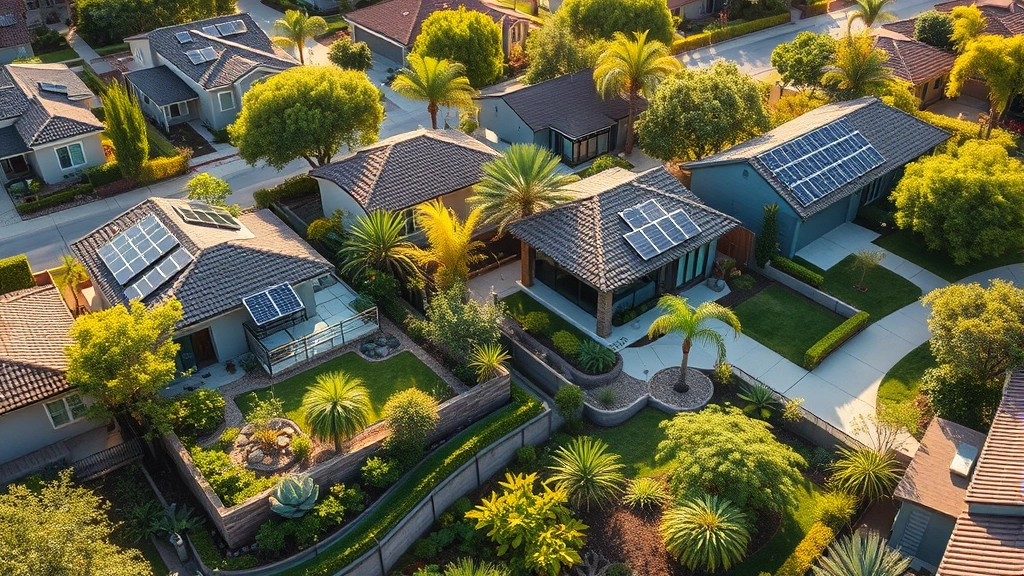
Living sustainably in Clarksville means making conscious choices about your gas and water consumption. As climate awareness grows, residents and businesses alike are seeking practical ways to reduce their environmental impact while maintaining comfort and convenience. The Clarksville area faces unique challenges regarding resource management, from seasonal water availability to energy demands that fluctuate throughout the year.
This comprehensive guide explores actionable eco-friendly strategies specifically tailored for Clarksville gas and water users. Whether you’re a homeowner looking to lower utility bills or a business committed to sustainability goals, these evidence-based tips will help you optimize your consumption patterns, protect local water resources, and contribute to a cleaner energy future for our community.
Understanding Your Local Gas & Water Systems
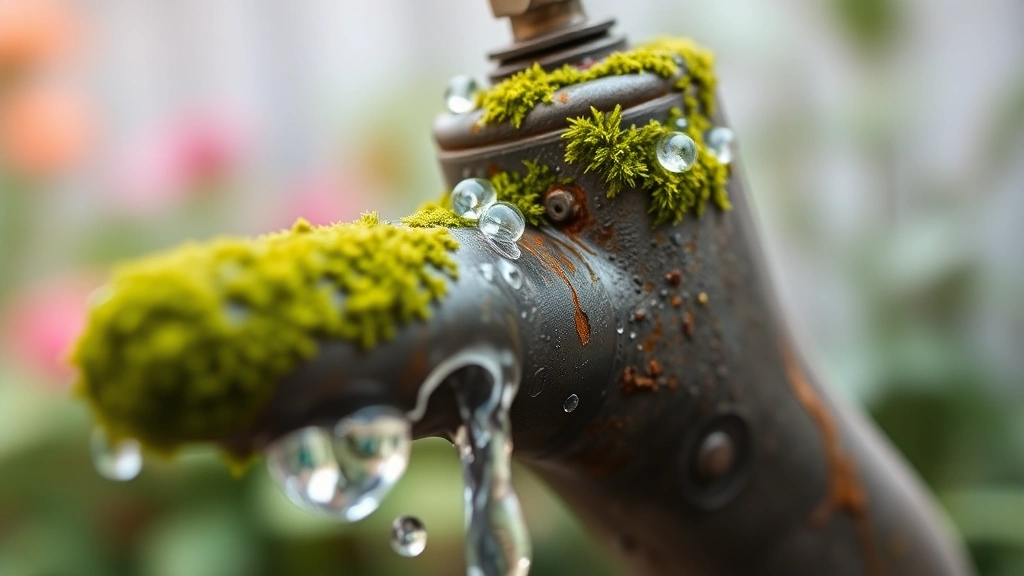
Clarksville’s gas and water infrastructure represents a critical component of regional sustainability. The city sources water from both surface and groundwater reserves, making conservation essential for long-term availability. Understanding how your local utilities operate enables better decision-making regarding consumption habits. The Clarksville water system serves thousands of households and businesses, each with unique demand patterns influenced by climate, population growth, and industrial activity.
Natural gas distribution in Clarksville follows seasonal patterns, with peak demand occurring during winter months when heating needs surge. By comprehending these patterns, you can align your usage with periods of lower demand, potentially reducing strain on the system and lowering your carbon footprint. Learning about advantages of natural gas helps you appreciate why efficient usage matters for both personal finances and environmental stewardship.
The relationship between gas consumption and water usage isn’t immediately obvious, but they’re interconnected through energy production and treatment processes. Water treatment requires energy, and gas-powered systems often provide that energy. By reducing both resources, you’re creating a multiplier effect on environmental benefits.
Water Conservation Strategies for Clarksville Residents
Water conservation represents one of the most impactful steps Clarksville residents can take toward sustainability. The average American household uses over 300 gallons of water daily, with significant portions wasted through leaks and inefficient fixtures. In Clarksville’s climate, where water availability fluctuates seasonally, conservation becomes both an environmental and economic imperative.
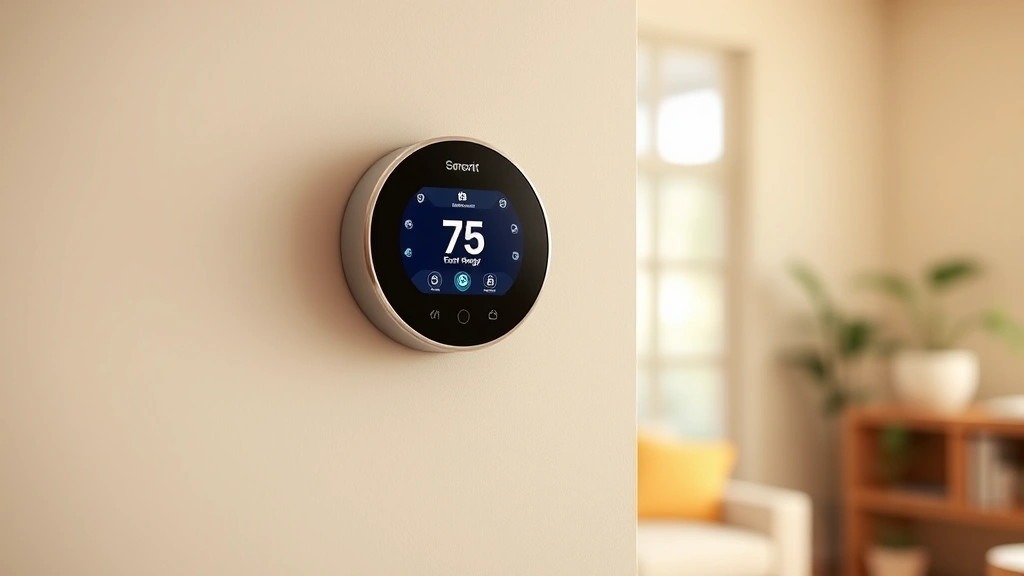
Fixing Leaks Immediately should be your first priority. A single dripping faucet can waste 3,000 gallons annually. Check under sinks, around toilets, and inspect your water meter for unexplained increases. Many leaks are invisible—running silently in walls or underground. Professional leak detection services can identify hidden problems before they waste significant water resources.
Upgrading to Low-Flow Fixtures delivers immediate water savings without sacrificing performance. Modern low-flow showerheads reduce water use by 40-60% compared to older models, while still providing adequate pressure. Toilet replacements with dual-flush or low-volume models can save 13,000 gallons annually per household. Faucet aerators cost under $5 but reduce water flow by 25-50%.
Optimizing Outdoor Water Use matters significantly in Clarksville, especially during dry seasons. Landscape irrigation often accounts for 50% of residential water consumption. Water your lawn during early morning or evening hours to minimize evaporation. Install drip irrigation systems that deliver water directly to plant roots rather than spraying broadly. Consider native plant landscaping that requires minimal supplemental watering once established.
Smart irrigation controllers adjust watering schedules based on weather data and soil moisture levels. These systems can reduce outdoor water use by 20-50% while maintaining landscape health. Mulching garden beds reduces evaporation and keeps soil moisture consistent throughout the day.
Indoor Usage Optimization extends beyond fixtures to behavioral changes. Running full loads in dishwashers and washing machines uses less water than multiple partial loads. Hand-washing dishes while running tap water continuously wastes 27 gallons; filling a basin uses less than 4 gallons. Shorter showers—reducing time by just 2 minutes—save 12.5 gallons per shower.
Consider installing a rainwater harvesting system to capture roof runoff for landscape irrigation. A 1,000-square-foot roof can collect nearly 600 gallons from just one inch of rainfall. This water costs nothing, reduces demand on municipal systems, and eliminates chlorine exposure for plants.
Smart Gas Usage and Heating Efficiency
Natural gas heating represents a significant portion of Clarksville household energy consumption, particularly during winter months. Improving heating efficiency reduces both utility bills and carbon emissions while maintaining comfort levels. Understanding how to optimize gas usage requires attention to both equipment and behavioral factors.
Heating System Maintenance forms the foundation of efficiency improvements. Annual professional inspections ensure your furnace operates at peak performance. Clogged filters force systems to work harder, increasing energy consumption. Replacing filters every 1-3 months maintains proper airflow and efficiency. Cleaning ducts removes dust and debris that restricts airflow, forcing your system to run longer to achieve target temperatures.
Programmable and smart thermostats offer substantial gas savings—typically 10-15% annually. These devices learn your schedule and temperature preferences, automatically adjusting when you’re away or sleeping. Setting your thermostat just 7-10 degrees lower for 8 hours daily saves approximately 10% on heating costs. Smart thermostats provide detailed usage reports, helping you identify consumption patterns and opportunities for further reduction.
Insulation and Weatherization directly impact heating demands. Air leaks around windows, doors, and foundation cracks allow heated air to escape, forcing your furnace to work constantly. Weatherstripping costs under $20 but prevents significant heat loss. Caulking gaps around baseboards, outlets, and where utilities enter your home reduces drafts. Attic insulation is critical—heat rises, and inadequate attic insulation allows warmth to escape directly through your roof.
Thermal curtains or cellular shades provide additional insulation, especially on single-pane windows. Closing curtains at night reduces heat loss; opening them during sunny days allows passive solar heating. Window films reduce heat transfer while maintaining visibility. These relatively inexpensive upgrades compound over winter months.
Water Heating Efficiency represents another critical gas consumption area. Water heaters account for 15-25% of residential energy use. Lowering your water heater temperature to 120°F reduces energy consumption while remaining hot enough for most purposes. Insulating your water heater tank and exposed pipes reduces heat loss by 25-45%, translating to 7-11% savings on water heating costs.
Shorter showers directly reduce hot water demand. Washing clothes in cold water saves energy while effectively cleaning most laundry. Modern detergents work efficiently in cold water, making this switch practical without performance sacrifices. For those considering major upgrades, tankless water heaters or heat pump water heaters offer 24-34% energy savings compared to traditional models.
Exploring sustainable energy solutions reveals how gas usage connects to broader energy strategies. Understanding this relationship helps you make informed decisions about your household’s overall energy profile.
Seasonal Adjustments and Best Practices
Clarksville’s climate creates distinct seasonal patterns that should influence your gas and water management strategies. Winter demands differ dramatically from summer requirements, and adjusting your approach seasonally maximizes efficiency gains year-round.
Winter Optimization focuses on heating efficiency and preventing frozen pipes. Insulating exposed pipes prevents freezing and reduces heat loss. Opening cabinet doors under sinks allows warmer air circulation around pipes. Running water occasionally through rarely used lines prevents ice formation. During winter, maintaining consistent indoor temperatures—rather than dramatic fluctuations—reduces overall gas consumption as your furnace doesn’t need to work as hard recovering from temperature drops.
Winter is also prime time for weatherization projects. Caulking windows and doors, installing weatherstripping, and adding attic insulation provide immediate benefits. These projects pay for themselves through heating savings within months. Using draft stoppers under doors prevents cold air infiltration from basements or crawlspaces.
Summer Strategies shift focus toward water conservation and cooling efficiency. Even though gas heating demands decrease, many households use gas for cooking and water heating year-round. Summer presents opportunities for outdoor water conservation as landscaping demands peak. Morning watering reduces evaporation losses—water applied at 6 AM experiences less than 5% evaporation, compared to 30% or more when applied at midday.
Shading air conditioning units with vegetation or shade structures improves cooling efficiency, indirectly reducing overall energy demand. While air conditioning typically runs on electricity rather than gas, reducing total household energy consumption creates environmental benefits. Installing ceiling fans allows you to raise thermostat settings while maintaining comfort, reducing cooling energy needs.
Summer cooling actually increases water consumption through evaporative cooling systems and increased outdoor irrigation. Understanding this relationship helps you manage both resources strategically. Reducing your environmental footprint requires attention to seasonal variations and how they affect resource consumption.
Spring and Fall Transitions offer opportunities for system maintenance and preparation. Spring represents the ideal time to service air conditioning systems, while fall is perfect for furnace maintenance before heating season. These seasonal service appointments ensure equipment operates efficiently, preventing emergency repairs during peak demand periods.
Technology Solutions for Monitoring Consumption
Modern technology enables unprecedented visibility into gas and water consumption patterns. Smart meters, mobile apps, and IoT devices provide real-time data that empowers informed decision-making and identifies optimization opportunities.
Smart Meters and Real-Time Monitoring transform how Clarksville residents understand their consumption. Traditional monthly billing provides insufficient detail for identifying problems or optimizing usage. Smart meters transmit consumption data to utility companies and, increasingly, directly to homeowners through mobile apps. This visibility enables you to see consumption patterns by hour, day, or week, revealing which activities consume the most resources.
Many Clarksville utility providers offer online portals showing detailed consumption breakdowns. Analyzing this data reveals your peak usage times and identifies anomalies suggesting leaks or inefficiency. Comparing your consumption to similar households provides benchmarking data—if your usage significantly exceeds neighbors’ patterns, investigation is warranted.
Smart Home Integration automates efficiency improvements. Smart thermostats learn your preferences and schedule, automatically optimizing heating and cooling. Smart water leak detection systems alert you to problems instantly, preventing waste before significant damage occurs. Some systems automatically shut off water if leaks are detected, providing protection against burst pipes or failed connections.
Smart irrigation controllers integrate weather data, soil moisture sensors, and plant-specific watering requirements to optimize outdoor water use. These systems reduce irrigation water consumption by 20-50% compared to traditional timer-based systems. Some controllers adjust schedules in real-time based on rainfall, preventing unnecessary watering after rain.
Usage Analytics and Reporting help you understand consumption patterns and track improvement progress. Many utility providers and third-party apps offer detailed consumption reports, showing comparisons to previous periods and similar households. These insights motivate continued conservation efforts by demonstrating the impact of implemented changes.
Setting consumption goals and tracking progress toward them increases accountability. Some apps gamify conservation through challenges or leaderboards, making efficiency improvements engaging and social. Sharing your progress with family members or community groups reinforces commitment and inspires others to adopt sustainable practices.
Community Resources and Support Programs
Clarksville residents benefit from numerous community resources and utility company programs designed to support conservation efforts. Taking advantage of these programs reduces the cost of implementing efficiency improvements while contributing to broader sustainability goals.
Utility Rebate Programs offset the cost of efficiency upgrades. Many gas and water utilities offer rebates for replacing old appliances with ENERGY STAR certified models. Water heater replacement, furnace upgrades, and fixture improvements often qualify for significant rebates. These programs make efficiency improvements financially accessible to more households and accelerate adoption of sustainable technologies.
Weatherization Assistance Programs provide free or low-cost home energy audits and improvements for eligible households. Trained professionals identify air leaks, insulation deficiencies, and equipment inefficiencies. Many programs provide free installation of weatherstripping, caulking, and insulation improvements. These comprehensive approaches often reduce energy consumption by 15-20%.
Community Education and Workshops build local knowledge about conservation practices. Many municipalities and environmental organizations offer free workshops on water conservation, energy efficiency, and sustainable living. These sessions provide hands-on learning opportunities and connect residents with local experts and resources.
The EPA WaterSense program certifies water-efficient products and provides resources for conservation. The ENERGY STAR program identifies energy-efficient appliances and equipment. Both programs help Clarksville residents identify products that deliver genuine efficiency without sacrificing performance.
Local Environmental Organizations support sustainability initiatives throughout Clarksville. These groups often coordinate community conservation efforts, organize educational events, and advocate for policies supporting sustainable resource management. Participating in community initiatives amplifies individual conservation efforts and builds local momentum toward broader sustainability goals.
The American Rivers organization provides resources for water conservation and watershed protection. These groups work on issues directly relevant to Clarksville’s water resources and can provide specific guidance for local conditions and challenges.
Connecting with local sustainability initiatives through the SustainWise Hub Blog provides ongoing updates about conservation practices and community resources. Staying informed about new programs, technologies, and best practices ensures your conservation efforts remain current and effective.
Exploring green technology innovations reveals emerging solutions that may benefit Clarksville residents. As technology evolves, new opportunities for efficiency improvements emerge regularly, offering pathways to even greater resource conservation.
FAQ
How much water can I save by fixing leaks in my Clarksville home?
A single dripping faucet wastes approximately 3,000 gallons annually. Running toilets can waste 200+ gallons daily. Fixing just a few leaks can reduce household water consumption by 10-15%, translating to significant cost savings and environmental benefits. Professional leak detection identifies hidden problems before they waste substantial amounts of water.
What’s the most cost-effective gas efficiency improvement for Clarksville homes?
Installing a programmable or smart thermostat offers one of the best returns on investment, typically saving 10-15% on heating costs with minimal upfront expense. Weatherstripping and caulking provide immediate benefits at very low cost. These simple improvements often pay for themselves within weeks or months through reduced utility bills.
Are rebate programs available for water conservation improvements in Clarksville?
Yes, many Clarksville utility providers offer rebates for water-efficient fixtures, irrigation system upgrades, and appliance replacements. Contact your local water utility to inquire about current rebate programs. Eligibility and rebate amounts vary, but these programs make efficiency improvements more affordable for most households.
How can I monitor my gas and water consumption in real-time?
Many Clarksville utilities provide online portals or mobile apps showing consumption data. Smart meters enable hourly tracking rather than monthly billing summaries. Smart home devices can provide additional monitoring and automation. Contact your utility provider to learn about available monitoring tools and how to access your consumption data.
What seasonal adjustments should I make to reduce gas and water usage?
Winter focuses on heating efficiency through weatherization and temperature management. Summer emphasizes outdoor water conservation through efficient irrigation timing and methods. Spring and fall are ideal for system maintenance before peak demand seasons. Adjusting your approach seasonally maximizes efficiency gains throughout the year.
How do smart irrigation systems reduce water consumption?
Smart controllers adjust watering schedules based on weather data, soil moisture, and plant requirements. These systems prevent watering after rainfall and reduce application during high-evaporation periods. Studies show 20-50% water savings compared to traditional timer systems, while maintaining or improving landscape health.


