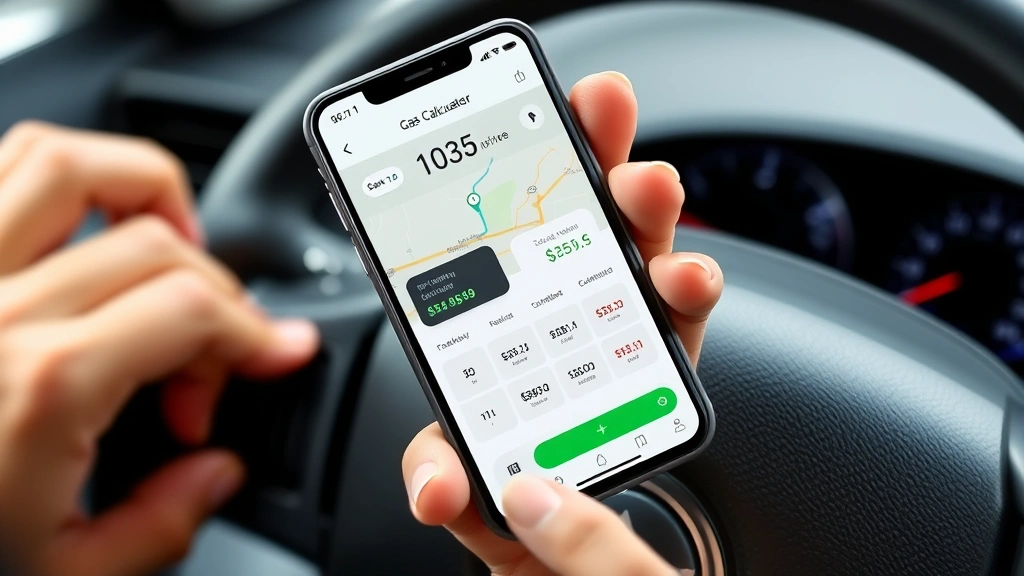
Plan Efficient Trips: Gas Calculator Insights for Sustainable Travel
Planning your road trips with precision is more than just a convenience—it’s a responsibility we all share toward environmental stewardship. A gas calculator trip tool has become essential for modern travelers seeking to minimize their carbon footprint while managing travel costs effectively. Whether you’re commuting daily, planning a cross-country adventure, or optimizing business travel routes, understanding how to leverage gas calculators can transform your approach to sustainable transportation.
The transportation sector accounts for nearly 27% of greenhouse gas emissions in the United States, with personal vehicles contributing significantly to this total. By taking control of your fuel consumption through strategic planning and intelligent use of calculation tools, you become part of the solution. This comprehensive guide explores how gas calculators work, why they matter for sustainability, and how to integrate them into your travel planning for maximum environmental and financial benefit.
Understanding Gas Calculator Technology
A gas calculator trip application is a digital tool designed to estimate fuel consumption, travel costs, and environmental impact based on multiple variables. These sophisticated systems analyze your vehicle specifications, planned distance, current fuel prices, and driving conditions to provide accurate projections. Modern calculators incorporate real-time data from fuel pricing databases and traffic patterns to deliver increasingly precise estimates.
The fundamental algorithm behind gas calculators considers your vehicle’s fuel economy rating—measured in miles per gallon (MPG) for traditional engines or miles per gallon equivalent (MPGe) for electric vehicles. By multiplying your trip distance by your vehicle’s fuel consumption rate, the calculator determines how much fuel you’ll need. This seemingly simple calculation becomes exponentially more valuable when you factor in variables like elevation changes, weather conditions, traffic congestion, and driving speed.
When you’re working to reduce your environmental footprint, understanding these calculations becomes crucial. The relationship between driving efficiency and emissions is direct and measurable. A trip that uses 20% less fuel automatically reduces your carbon emissions by approximately the same percentage, making gas calculators powerful tools for environmental accountability.
Professional transportation companies and fleet managers have long recognized the value of these tools. Now, individual travelers can access the same insights. Many gas calculators also factor in CO2 emissions per gallon burned—typically around 19.6 pounds of carbon dioxide per gallon of gasoline consumed. This transparency helps you visualize the environmental cost of your travel decisions.
Key Metrics That Impact Fuel Efficiency
Multiple interconnected factors influence how much fuel your trip will consume. Understanding these metrics allows you to make informed decisions before you ever leave your driveway. Your vehicle’s weight, aerodynamics, engine efficiency, and maintenance condition all play significant roles in determining fuel consumption rates.
Vehicle Weight and Load Management: Every additional 100 pounds in your vehicle reduces fuel economy by approximately 1-2%. If you’re planning a long road trip, audit your cargo carefully. Remove unnecessary items from your trunk, roof rack, and interior. Even reducing weight by 50-100 pounds can translate to measurable fuel savings across a 500-mile journey. Roof racks and cargo carriers create additional wind resistance, further reducing efficiency by 5-25% depending on design and speed.
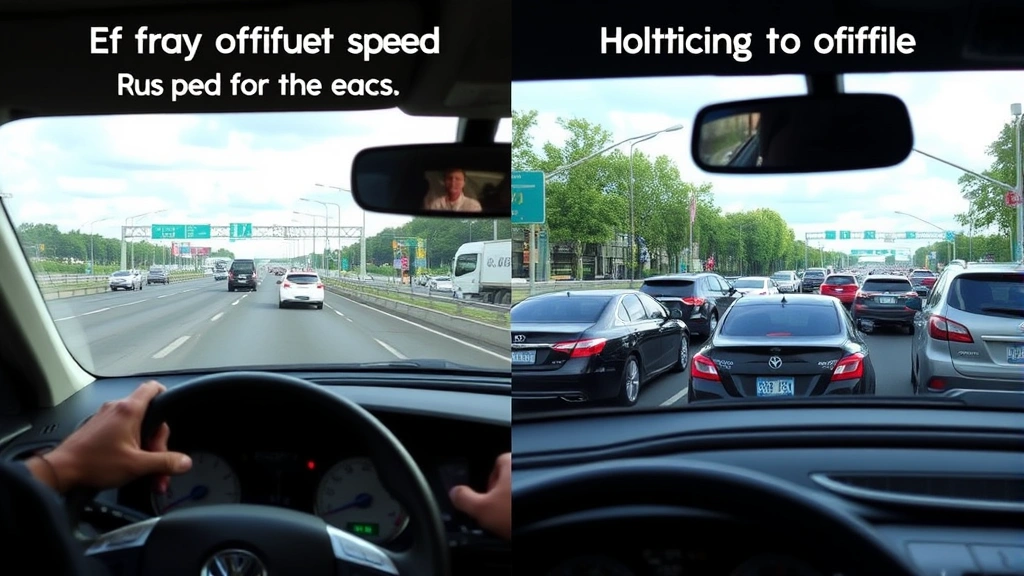
Driving Speed and Acceleration Patterns: Most vehicles achieve optimal fuel efficiency at speeds between 45-65 miles per hour. Every 5 mph increase above 50 mph reduces fuel economy by approximately 7%. Aggressive acceleration and frequent braking waste fuel significantly. Smooth, consistent driving with gradual speed changes maximizes efficiency. Highway driving is generally more efficient than city driving due to steady speeds and fewer stops.
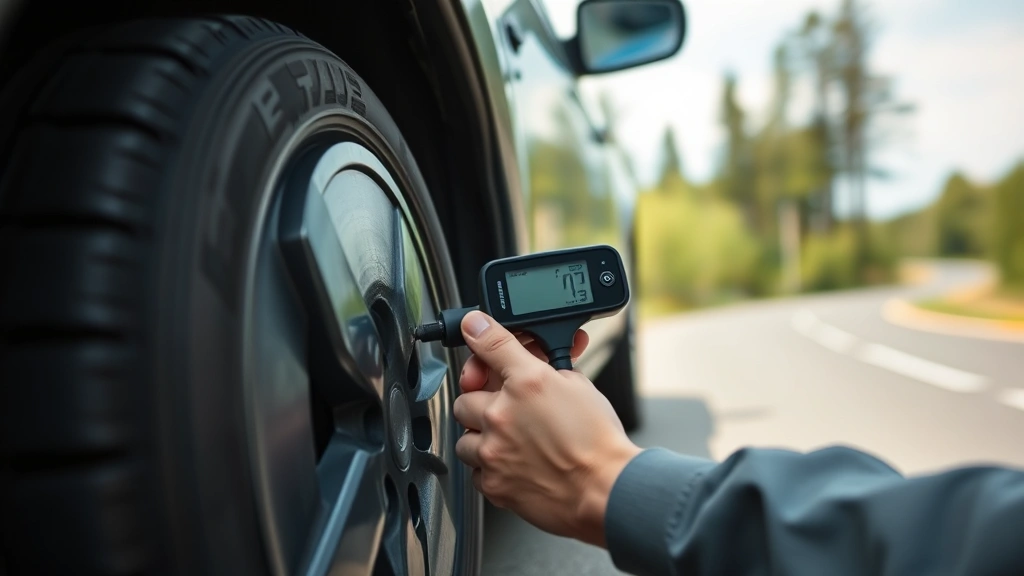
Tire Pressure and Maintenance: Underinflated tires create rolling resistance that reduces fuel economy by up to 3% per pound of pressure below the recommended level. Before any extended trip, check your tire pressure, rotate tires, and ensure your vehicle receives proper maintenance. A well-maintained engine with clean air filters and properly functioning oxygen sensors can improve fuel economy by 10-15%.
Weather and Environmental Conditions: Cold weather reduces fuel economy by 10-20% because engines operate less efficiently before reaching optimal temperature, and cold air is denser, creating more aerodynamic drag. Wind conditions also matter—driving directly into strong headwinds decreases efficiency, while tailwinds provide minor improvements. Rain and wet roads create additional resistance.
Terrain and Elevation: Driving uphill requires more energy than driving on flat terrain. Mountain passes and hilly regions significantly increase fuel consumption. Advanced gas calculators factor in elevation changes along your route, providing more accurate estimates than simple distance-based calculations.
Planning Routes for Maximum Efficiency
Modern navigation systems do more than show you directions—they reveal efficiency opportunities. When planning your trip using a gas calculator, consider multiple route options. The shortest distance isn’t always the most fuel-efficient route. A longer highway route with steady speeds might consume less fuel than a shorter route through congested city streets.
Route optimization considers several factors simultaneously. Highway routes typically offer better fuel economy than city routes, but construction, accidents, and traffic congestion can negate this advantage. Time-of-day matters significantly—traveling during off-peak hours allows you to maintain consistent speeds, improving efficiency. Morning commutes and evening rush hours create stop-and-go driving that dramatically increases fuel consumption.
When using gas calculators for trip planning, input multiple route variations and compare their projected fuel consumption. Many advanced calculators integrate with mapping services to analyze actual road conditions, traffic patterns, and elevation profiles. This integration allows for remarkably accurate predictions of real-world fuel usage.
Consider breaking long trips into segments. A 12-hour drive often consumes more fuel than two 6-hour drives on different days because the first trip involves starting with a cold engine and driver fatigue-induced speed variations. Overnight stops allow your vehicle to cool, provide you rest, and often lead to more efficient driving on fresh routes.
Carpooling and trip consolidation are fundamental efficiency strategies. Combining multiple errands into one trip reduces overall fuel consumption significantly. If you can share a vehicle with colleagues or friends, you divide fuel consumption per person, creating immediate environmental and financial benefits. This connects directly to broader sustainability principles of resource sharing and optimized utilization.
Environmental Impact of Optimized Travel
The environmental implications of efficient trip planning extend far beyond individual fuel savings. When aggregated across millions of drivers, small efficiency improvements create substantial reductions in greenhouse gas emissions. A 10% improvement in fuel economy across America’s 280 million vehicles would eliminate billions of pounds of CO2 emissions annually.
Understanding the connection between fuel consumption and environmental damage motivates behavioral change. Burning one gallon of gasoline produces approximately 19.6 pounds of carbon dioxide. On a 500-mile trip requiring 20 gallons of fuel, your vehicle emits nearly 400 pounds of CO2. By using a gas calculator to optimize your route and reduce consumption by 15%, you eliminate 60 pounds of emissions—equivalent to planting three trees and nurturing them for a decade.
Beyond carbon emissions, vehicle fuel consumption correlates with other pollutants. Nitrogen oxides (NOx) and particulate matter from combustion engines contribute to air quality degradation and respiratory health problems. Volatile organic compounds (VOCs) released during fuel evaporation contribute to ground-level ozone formation. Efficient driving reduces all these pollutants proportionally.
The extraction, refining, and transportation of petroleum create additional environmental costs not reflected at the pump. Oil drilling operations impact ecosystems, refining produces waste and emissions, and transportation networks create infrastructure impacts. By reducing fuel consumption, you decrease demand for these environmentally destructive processes throughout the entire supply chain.
When you explore electric vehicle advantages, you’ll find that optimized trip planning becomes even more critical. Electric vehicles require charging strategy optimization, and efficient route planning extends range and reduces charging frequency. The principles learned from gas calculator analysis transfer directly to electric vehicle trip planning.
Integrating Sustainable Practices
Efficient trip planning represents just one component of comprehensive sustainable transportation strategy. To maximize environmental benefits, integrate multiple practices into your travel routine. Sustainable energy solutions for transportation extend beyond individual vehicle optimization.
Multi-Modal Transportation: When possible, combine different transportation modes. Drive to a train station, take public transit for the main journey, and use a bike or walk for final-mile connections. This integrated approach often proves more efficient than driving your entire trip. Public transit moves many people with the fuel consumption of a few vehicles, dramatically reducing per-person emissions.
Alternative Fuel Consideration: If you’re planning a new vehicle purchase, compare fuel types. While traditional gasoline provides familiarity, hybrid vehicles reduce consumption by 30-50%, and electric vehicles eliminate tailpipe emissions entirely. For those in transition, understanding natural gas renewable energy considerations helps inform decisions about cleaner fuel alternatives.
Behavioral Modifications: Beyond technology and planning, personal driving habits determine efficiency. Anticipate traffic patterns, avoid rapid acceleration, coast to red lights when safe, and maintain steady speeds. These conscious driving techniques work synergistically with route optimization to maximize fuel efficiency.
Vehicle Maintenance Discipline: Commit to regular maintenance schedules. Engine tune-ups, air filter replacements, and fuel system cleaning maintain optimal efficiency. Synthetic oil reduces engine friction and improves MPG by 1-2%. These small investments pay dividends through reduced fuel consumption over thousands of miles.
Tire Technology Upgrades: Low-rolling-resistance tires can improve fuel economy by 3-5% compared to standard tires. While they cost more initially, the fuel savings recover the investment within 12-18 months for active drivers. This represents a genuine sustainability win—improved performance and reduced environmental impact simultaneously.
Cost Savings Through Smart Planning
The financial benefits of efficient trip planning often exceed environmental motivations. At current fuel prices averaging $3-4 per gallon, fuel represents a significant travel expense. Reducing consumption by 20% on a 2,000-mile annual commute saves $120-160 yearly—money available for other priorities or sustainable investments.
Gas calculators help you budget accurately for trips. Rather than guessing fuel costs, you receive precise estimates based on current prices and your vehicle’s efficiency. This accuracy prevents budget surprises and allows better financial planning. Business travelers can provide accurate expense reports, and families can budget vacation costs more effectively.
Long-term financial benefits extend beyond direct fuel savings. Efficient driving reduces wear on engines, transmissions, and brake systems. Smoother acceleration and deceleration mean less stress on mechanical components, extending vehicle lifespan and reducing maintenance costs. A vehicle driven efficiently accumulates lower maintenance expenses, potentially adding thousands to its resale value.
Insurance companies increasingly recognize that efficient driving correlates with safer driving. Smooth acceleration, controlled speeds, and anticipatory braking reduce accident risk. Some insurers offer discounts for drivers demonstrating efficient driving patterns through telematics devices. These behavioral rewards create financial incentives aligned with environmental goals.
When you visit the SustainWise Hub Blog, you’ll discover additional financial strategies for sustainable living. Efficient travel planning connects to broader personal finance optimization that reduces your environmental footprint while improving financial health.
Technology Tools and Resources
Numerous digital platforms now provide sophisticated gas calculator trip functionality. Google Maps integrates fuel cost estimates directly into route planning, allowing real-time comparison of efficiency across route options. Simply enter your vehicle type, and the system calculates estimated fuel consumption and costs for each proposed route.
Specialized fuel calculator websites like GasBuddy and FuelEconomy.gov provide comprehensive tools for trip planning. These platforms aggregate real-time fuel prices across thousands of stations, identify cheaper fuel along your route, and calculate optimal fueling strategies. FuelEconomy.gov, maintained by the EPA and Department of Energy, provides authoritative fuel economy data for every vehicle model, allowing you to input your exact vehicle and receive accurate consumption estimates.
Mobile applications transform your smartphone into a personal fuel efficiency coach. Apps like Fuelly allow you to track actual fuel consumption across multiple fill-ups, revealing patterns and opportunities for improvement. By comparing your real-world MPG against EPA estimates, you identify whether your vehicle operates efficiently or requires maintenance.
Advanced vehicle telematics systems, available in most modern vehicles, monitor real-time efficiency metrics. Your vehicle’s dashboard displays current MPG, allowing immediate feedback on your driving efficiency. This real-time data motivates behavioral changes—watching your efficiency drop to 18 MPG during aggressive driving versus 28 MPG during smooth driving creates powerful motivation for consistent efficiency.
Integration with smart home systems enables comprehensive travel planning. You can adjust home temperature before departure, ensuring your residence doesn’t waste energy while you’re away. Smart thermostats coordinate with your calendar, reducing heating or cooling when you’re traveling. These connected systems create holistic efficiency across your entire lifestyle.
Research institutions and environmental organizations publish detailed guides on efficient driving. The EPA’s Green Vehicles program provides authoritative information on fuel-efficient vehicles and driving practices. The FuelEconomy.gov website offers comprehensive fuel economy data and efficiency tips. Organizations like the International Energy Agency publish research on transportation efficiency globally, providing context for your personal efforts.
Professional transportation consulting firms help businesses optimize fleet efficiency. If you manage company vehicles, engaging transportation consultants can identify efficiency opportunities across your entire fleet. Their expertise in route optimization, vehicle selection, and driver training creates measurable improvements in fuel economy and emissions reduction.
Community-based platforms connect drivers interested in carpooling and trip-sharing. Services like BlaBlaCar facilitate long-distance ridesharing, significantly reducing per-person fuel consumption and emissions. By participating in these platforms, you transform solo driving into efficient shared transportation, multiplying the environmental benefit of your gas calculator insights.
FAQ
How accurate are gas calculator estimates?
Modern gas calculators achieve 85-95% accuracy when provided with complete information about your vehicle, route, and driving conditions. Accuracy improves when you input specific data like your vehicle’s actual EPA fuel economy rating rather than manufacturer estimates. Real-world factors like traffic, weather, and individual driving style create variations, but calculators provide reliable baseline estimates for planning purposes.
Can gas calculators help with electric vehicle trip planning?
Yes, specialized calculators now address electric vehicles, accounting for battery capacity, charging efficiency, and electricity costs. These tools help you identify charging station locations and plan charging time into your journey. The principles of efficient route planning apply equally to electric vehicles, though the metrics shift from fuel consumption to energy consumption and charging infrastructure availability.
How frequently should I update vehicle information in my calculator?
Update your vehicle data whenever you make maintenance changes that affect efficiency, such as tire replacements, engine work, or modifications. If your actual fuel economy differs significantly from EPA estimates, adjust your calculator inputs to reflect real-world performance. Seasonal changes also warrant updates—winter driving typically shows 10-20% worse efficiency than summer driving.
What’s the environmental impact of using a gas calculator?
Using a calculator itself requires negligible energy—the environmental benefit comes from the informed decisions you make based on its insights. By optimizing trips, reducing fuel consumption, and making vehicle choices informed by efficiency data, you create substantial environmental benefits. Each 10% reduction in fuel consumption eliminates proportional amounts of CO2 and other pollutants.
Are there differences between calculators from different companies?
Different calculators may use slightly different algorithms and data sources, sometimes producing varied results. Compare estimates from multiple sources—Google Maps, GasBuddy, and FuelEconomy.gov—to triangulate accurate predictions. Professional-grade calculators used by transportation companies often incorporate more sophisticated modeling but may be less accessible to individual travelers.
How do I know if my vehicle’s actual fuel economy matches calculator predictions?
Track your actual fuel consumption by recording miles driven and fuel purchased over multiple fill-ups. Calculate your real MPG by dividing total miles by total gallons. Compare this to your calculator’s predictions and EPA ratings. Significant discrepancies suggest maintenance issues, driving habit changes, or that your calculator needs recalibration with actual performance data.
Can gas calculators help with business travel expense reporting?
Absolutely. Gas calculators provide documented, verifiable estimates for business mileage reimbursement. By using calculator-generated estimates, you maintain consistency in expense reporting and can justify your figures with data. This approach is particularly valuable for companies with strict mileage reimbursement policies.