
Is a Gas Cap Cover Necessary? Expert Insights on Fuel Efficiency and Environmental Impact
Your vehicle’s gas cap might seem like a minor component, but it plays a surprisingly significant role in fuel efficiency, emissions control, and environmental protection. Many drivers overlook this small but essential part, wondering whether investing in a gas cap cover is truly necessary. In this comprehensive guide, we explore expert insights on gas cap covers, their functionality, benefits, and whether they deserve a place in your vehicle maintenance routine.
Understanding the importance of seemingly minor vehicle components connects directly to broader sustainability principles. Just as small actions accumulate into meaningful environmental change, proper vehicle maintenance—including gas cap care—contributes to reducing your environmental footprint and promoting cleaner air quality for future generations.
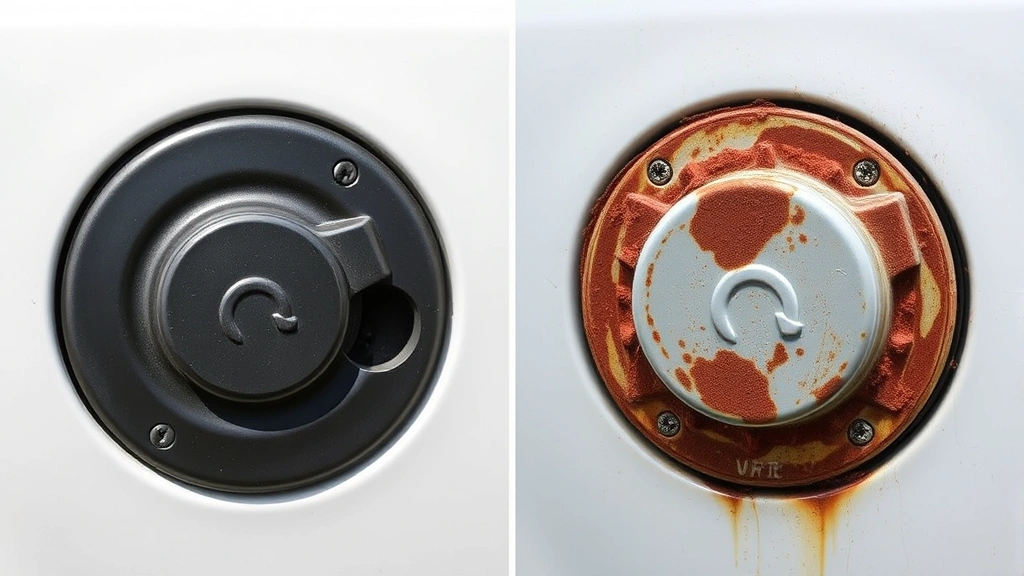
Understanding Your Gas Cap’s Function
Your vehicle’s gas cap serves multiple critical functions that directly impact engine performance and environmental compliance. Modern fuel caps create a sealed system that prevents fuel vapors from escaping into the atmosphere—a requirement established by environmental protection standards. The cap maintains precise pressure within your fuel tank, which is essential for proper fuel system operation and vehicle emissions control.
When a gas cap becomes damaged, loose, or missing, your vehicle’s onboard diagnostic system typically triggers a check engine light. This happens because the fuel tank pressure drops below acceptable levels, signaling that harmful volatile organic compounds (VOCs) may be escaping. According to the EPA’s vehicle emissions standards, fuel vapor leakage contributes significantly to ground-level ozone formation and air pollution.
The gas cap also prevents contaminants from entering your fuel tank. Dirt, water, and debris can damage fuel injectors, clog filters, and reduce engine efficiency. A functioning cap acts as your first line of defense against these contaminants, protecting your vehicle’s fuel system and ensuring optimal performance.
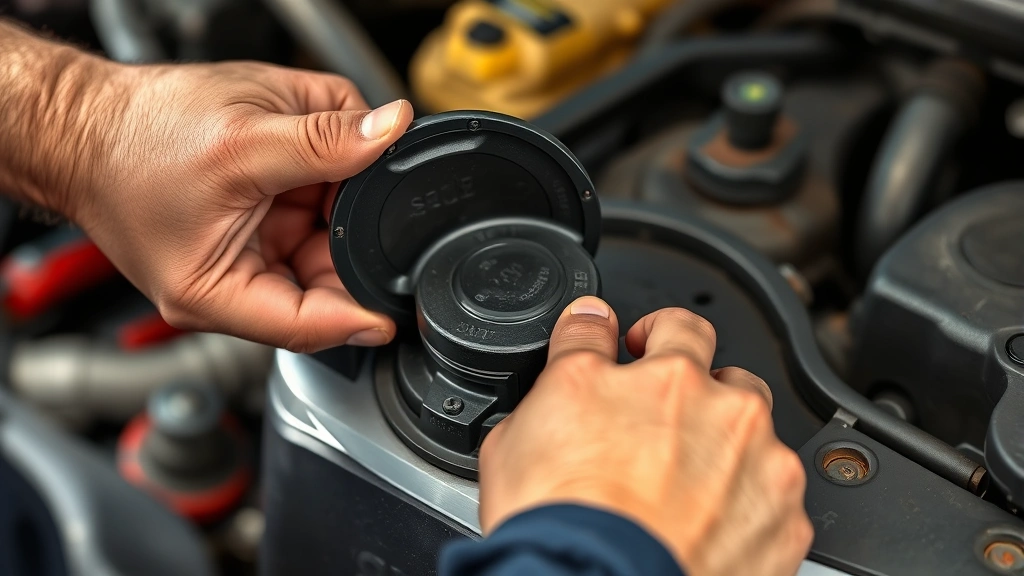
How Gas Cap Covers Work
Gas cap covers are protective accessories designed to shield your fuel cap from environmental exposure and potential damage. These covers typically come in two categories: decorative covers that fit over existing caps and replacement caps with integrated protection features. Understanding how these products function helps you determine whether they’re necessary for your specific situation.
A quality gas cap cover protects against several common problems. UV radiation breaks down plastic and rubber components over time, causing caps to become brittle and less effective at maintaining a seal. Weather exposure—including rain, snow, and temperature fluctuations—accelerates this degradation process. Protective covers create a barrier between your cap and these environmental stressors, extending the lifespan of your fuel system’s seal.
Some advanced covers include ventilation features that allow necessary pressure equalization while preventing water infiltration. Others are designed to improve aesthetics while providing practical protection. The best covers combine durability with functionality, using materials resistant to UV damage and temperature extremes.
Installation is straightforward for most gas cap covers. They slide or screw over your existing cap, requiring no tools or modifications. Removal is equally simple, making them practical for drivers who want added protection without permanent alterations to their vehicle.
Environmental and Emissions Benefits
The environmental case for gas cap covers connects to larger sustainability goals around reducing vehicle emissions and improving air quality. Fuel vapor emissions represent a significant but often overlooked source of air pollution. A single loose or damaged gas cap can allow approximately 30 gallons of fuel vapors to escape annually—equivalent to driving a car for several hundred miles without proper emissions controls.
When you maintain sustainable energy solutions in your vehicle, including proper fuel system maintenance, you actively reduce your contribution to atmospheric pollution. Volatile organic compounds (VOCs) from fuel vapors react with nitrogen oxides in sunlight to create ground-level ozone, a major component of smog that harms human respiratory health and damages ecosystems.
The EPA’s fuel economy standards include provisions for fuel system integrity because maintaining a proper seal directly impacts both efficiency and emissions. By using a gas cap cover to protect your fuel cap from degradation, you’re taking a proactive step toward environmental responsibility.
Research from environmental organizations demonstrates that proper vehicle maintenance—including fuel cap integrity—contributes measurably to regional air quality improvements. In areas with strict emissions standards, fuel system maintenance becomes even more critical. A damaged cap that allows vapor escape can cause your vehicle to fail emissions testing, requiring costly repairs and replacement parts.
Fuel Economy Implications
The relationship between gas cap covers and fuel economy might seem indirect, but it’s actually quite straightforward. When your fuel tank loses pressure due to a loose or damaged cap, your vehicle’s fuel injection system compensates by adjusting the air-fuel mixture. This adjustment typically results in a richer fuel mixture, meaning your engine burns more fuel to produce the same amount of power.
Studies indicate that a malfunctioning fuel cap can reduce fuel economy by 1-3%, depending on driving conditions and the severity of the seal failure. For drivers who fill up weekly, this translates to wasting several gallons of fuel annually. Over a vehicle’s lifetime, the cumulative waste becomes substantial—both financially and environmentally.
Gas cap covers that prevent seal degradation help maintain optimal fuel system pressure, supporting your vehicle’s fuel efficiency. When your fuel system operates as designed, your engine achieves better combustion efficiency, reducing both fuel consumption and emissions. This efficiency gain, while modest for any single vehicle, multiplies across millions of drivers worldwide.
The financial savings from improved fuel economy often exceed the cost of a quality gas cap cover within the first year. For environmentally conscious drivers, the benefit extends beyond personal savings to contributing to broader sustainability principles that prioritize resource conservation.
Protection Against Elements
Your vehicle’s gas cap endures constant exposure to harsh environmental conditions that gradually compromise its integrity. UV radiation, temperature fluctuations, salt air, and moisture create a challenging environment for plastic and rubber components. Understanding these threats helps explain why protective covers offer genuine value.
In coastal regions where salt air accelerates corrosion, gas cap covers provide essential protection. Metal components within your fuel system become vulnerable to rust when exposed to salt spray, and protective covers reduce this risk significantly. Similarly, in cold climates where temperature swings are extreme, a quality cover prevents the plastic cap from becoming brittle and cracking.
Moisture represents another significant threat. Water infiltration into your fuel tank can cause rust, promote microbial growth, and compromise fuel quality. While a functioning cap prevents most water entry, a cover provides an additional protective layer, particularly during extended periods of rain or snow.
UV degradation is perhaps the most common cause of gas cap failure. Plastic caps left unprotected in direct sunlight gradually become porous and lose their ability to maintain a proper seal. This degradation often occurs invisibly—your cap may appear functional while actually allowing vapor leakage. A protective cover extends your cap’s functional lifespan by 3-5 years on average, depending on climate and usage patterns.
Cost-Benefit Analysis
Evaluating whether a gas cap cover is necessary requires honest assessment of costs versus benefits. Quality gas cap covers typically cost between $10-50, depending on material quality and design features. This modest investment should be weighed against potential benefits.
The primary financial benefit comes from extended fuel cap lifespan. A replacement fuel cap typically costs $15-30, but the real expense emerges when a failed cap causes fuel system problems. A faulty cap triggering your check engine light may require diagnostic testing ($75-150), and if damage extends to fuel injectors or other components, repair costs escalate rapidly ($500-1,500+).
Beyond direct financial considerations, gas cap covers provide environmental value that’s harder to quantify but nonetheless real. By preventing vapor leakage and extending cap lifespan, you reduce the resources required for manufacturing replacement parts and managing waste. This aligns with broader environmental goals around reducing consumption and extending product lifecycles.
For drivers in harsh climates—coastal areas, deserts with intense UV exposure, or regions with significant temperature variations—the cost-benefit equation strongly favors protective covers. For drivers in moderate climates with well-maintained vehicles, the case is less compelling but still reasonable when considering the low cost.
Expert Recommendations
Automotive experts generally recommend gas cap covers in specific situations, though opinions vary on their universal necessity. Most agree that covers provide genuine value for certain vehicle owners and environmental conditions.
Mechanics suggest that drivers living in harsh climates—coastal areas, high-altitude regions, or places with extreme temperature swings—should seriously consider protective covers. These conditions accelerate cap degradation beyond normal rates, making preventive protection cost-effective. Similarly, drivers who park in direct sunlight regularly benefit from UV protection.
Sustainability experts emphasize that gas cap covers represent low-impact environmental choices. The minimal resource investment to manufacture a protective cover generates measurable environmental returns through extended fuel system integrity and reduced emissions. This makes them particularly attractive to drivers committed to reducing their environmental impact through practical vehicle maintenance.
Industry specialists from major automotive organizations note that while not universally necessary, gas cap covers represent smart preventive maintenance. The relatively small investment prevents larger problems and aligns with best practices for vehicle longevity. They recommend choosing covers made from durable, UV-resistant materials for maximum protection.
When considering advantages of electric vehicles, it’s worth noting that traditional gas-powered vehicle owners should maximize their current vehicles’ efficiency and longevity through proper maintenance—including fuel cap protection—while transitioning toward cleaner transportation options.
Maintenance and Care Tips
Regardless of whether you choose to use a protective cover, proper gas cap maintenance ensures your fuel system operates optimally. Regular inspection catches problems before they cause significant issues.
Monthly Inspection Routine: Check your gas cap visually for cracks, loose threads, or obvious damage. If your cap feels loose when you open your fuel door, it may need replacement. Look for any signs of fuel odor around the cap area, which indicates potential leakage.
Cleaning Your Cap: Periodically clean your gas cap and the fuel door opening with a soft cloth. Dirt and debris can prevent proper sealing. If you notice corrosion on metal components, gently clean with a wire brush and apply a thin coat of protective oil.
Proper Installation: Always ensure your gas cap is fully tightened after refueling. Many vehicles use click-stop caps that tighten automatically, but older vehicles may require manual tightening. A properly seated cap should feel snug but not overtightened.
Replacement Schedule: Most gas caps last 3-5 years before seal degradation becomes problematic. If your check engine light indicates a fuel system pressure issue, replace your cap immediately. Keep a spare cap in your vehicle in case of loss or damage while traveling.
Cover Maintenance: If you use a protective cover, inspect it annually for damage and clean as needed. Quality covers require minimal maintenance but benefit from occasional cleaning to remove dirt and environmental contaminants.
Climate-Specific Care: In coastal areas, rinse your fuel door area occasionally with fresh water to prevent salt corrosion. In high-temperature climates, park in shade when possible to minimize UV exposure. In cold climates, ensure your cap doesn’t freeze in place—gently warm it before forcing it open.
FAQ
Do I really need a gas cap cover?
Gas cap covers aren’t universally necessary, but they provide genuine value in harsh climates, high-UV environments, or for drivers committed to minimizing fuel system maintenance issues. They’re particularly worthwhile if your vehicle is older or parks in direct sunlight regularly.
Can a bad gas cap damage my vehicle?
Yes, a faulty gas cap can cause multiple problems. It allows fuel vapors to escape, triggers check engine lights, reduces fuel economy, and can lead to fuel injector damage if contaminants enter the tank. Early replacement prevents these issues.
How often should I replace my gas cap?
Most gas caps last 3-5 years. Replace yours immediately if you notice damage, if your check engine light indicates fuel system pressure issues, or if the cap feels loose or damaged during refueling.
What’s the environmental impact of fuel cap maintenance?
Proper fuel cap maintenance prevents volatile organic compound emissions, reduces fuel waste, and extends your vehicle’s fuel system lifespan. These benefits align with broader environmental sustainability goals around reducing emissions and resource consumption.
Are expensive gas cap covers worth the investment?
Premium covers offer better UV resistance and durability, making them worthwhile for drivers in harsh climates. For moderate climates, mid-range covers provide adequate protection at lower cost. Focus on material quality and durability rather than brand prestige.
Can I drive with a loose gas cap?
Yes, but you shouldn’t. A loose cap allows fuel vapor leakage, reduces fuel economy, and may trigger warning lights. Tighten or replace it immediately. Driving with a loose cap is environmentally irresponsible and wastes fuel.
How does a gas cap relate to vehicle sustainability?
Fuel system integrity directly impacts emissions and efficiency, making it part of broader sustainability efforts. Proper maintenance extends vehicle lifespan and reduces resource consumption—key green technology innovations for environmentally conscious vehicle ownership.


