Replace Gas Cap Sustainably: Eco Tips Inside
Your vehicle’s gas cap might seem like a minor component, but it plays a crucial role in reducing fuel evaporation, maintaining engine efficiency, and protecting the environment. When it comes time to replace your gas cap, making eco-conscious choices can significantly impact your carbon footprint. Whether your cap is damaged, missing, or simply worn out, understanding sustainable replacement options empowers you to make decisions that benefit both your wallet and the planet.
Many drivers overlook the importance of proper gas cap maintenance, yet a faulty or missing cap can lead to increased emissions, fuel loss, and unnecessary environmental harm. This comprehensive guide explores sustainable approaches to gas cap replacement, helping you navigate the process while staying true to your environmental values. From selecting recycled materials to understanding manufacturer options, we’ll cover everything you need to know about replacing your gas cap responsibly.
Why Your Gas Cap Matters for the Environment
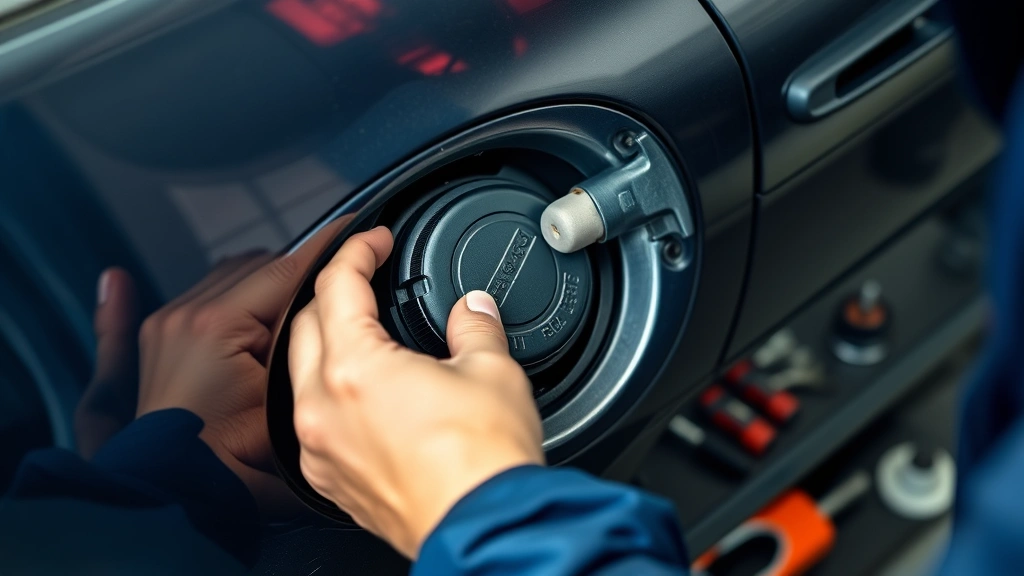
The gas cap serves as a seal that prevents fuel vapors from escaping into the atmosphere. When functioning properly, it reduces volatile organic compound (VOC) emissions, which contribute to ground-level ozone formation and air pollution. According to the U.S. Environmental Protection Agency, fuel vapor emissions from vehicles represent a significant source of air pollution in many regions.
A missing or damaged gas cap allows approximately one ounce of fuel to evaporate daily, wasting fuel and releasing harmful hydrocarbons into the atmosphere. Over the course of a year, this seemingly small issue accumulates into substantial environmental damage. By maintaining a functional gas cap and choosing sustainable replacement options, you actively participate in reducing your environmental footprint. This simple maintenance task demonstrates how individual choices compound to create meaningful environmental benefits.
Beyond emissions reduction, a proper gas cap improves fuel efficiency, saving money while reducing your vehicle’s overall environmental impact. The relationship between vehicle maintenance and sustainability extends beyond gas caps, encompassing the broader concept of sustainability in transportation. When you invest in proper vehicle care, you’re extending your vehicle’s lifespan and reducing the need for premature replacement, which itself requires significant manufacturing resources and energy.
Signs Your Gas Cap Needs Replacement
Recognizing when your gas cap requires replacement is essential for maintaining optimal vehicle performance and environmental responsibility. Several indicators suggest it’s time for action:
- Visible cracks or damage: Inspect your cap regularly for splits, brittleness, or deterioration that compromises its sealing ability
- Loose or improper fit: A cap that doesn’t secure tightly fails to create the necessary pressure seal
- Missing cap: This is the most obvious sign, immediately reducing fuel efficiency and increasing emissions
- Check engine light: Modern vehicles with onboard diagnostics may trigger this warning when vapor pressure systems malfunction
- Fuel odor: A strong gasoline smell near your fuel tank area indicates potential vapor leakage
- Difficulty opening fuel door: Sometimes the cap becomes stuck or corroded, making replacement necessary
- Age-related wear: Even functional caps degrade over time due to UV exposure and temperature fluctuations
Regular inspections every few months help catch issues early, preventing unnecessary fuel loss and emissions. Make gas cap checks part of your routine vehicle maintenance schedule, alongside tire pressure and fluid levels.
Eco-Friendly Gas Cap Materials
When selecting a replacement gas cap, material composition significantly influences its environmental impact. Understanding available options helps you make informed, sustainable choices.
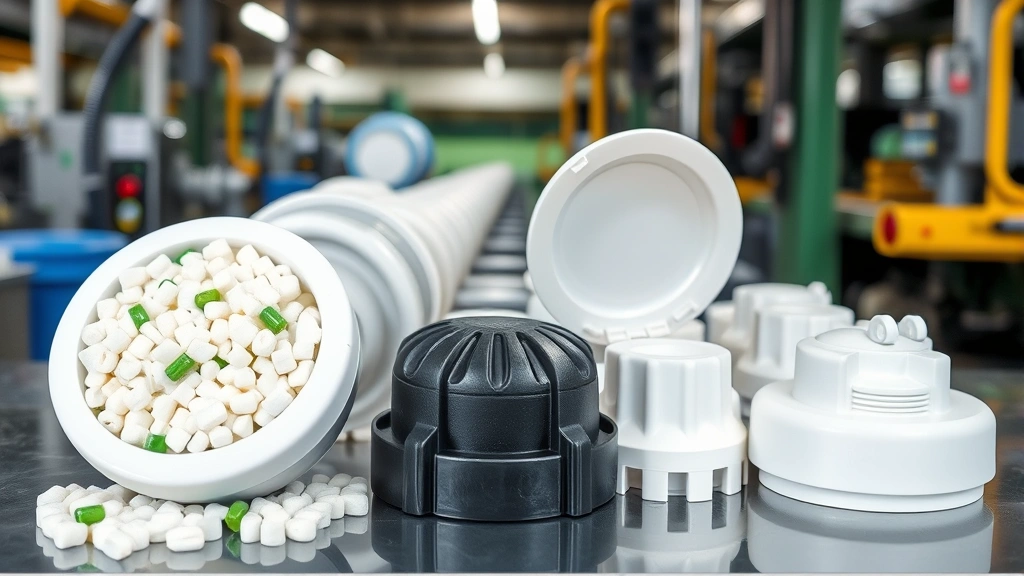
Recycled Plastic Caps: Many manufacturers now produce gas caps from recycled plastics, reducing demand for virgin petroleum-based materials. These caps offer comparable durability to traditional options while supporting circular economy principles. Look for caps explicitly labeled as containing post-consumer recycled content, typically ranging from 25-100% recycled material. Recycled plastic caps perform equally well in sealing fuel vapors while requiring substantially less energy to manufacture than virgin alternatives.
Biodegradable Options: Emerging bioplastic gas caps manufactured from renewable resources like corn starch or sugarcane-based polymers represent another sustainable alternative. While still relatively new to the market, these options appeal to environmentally conscious consumers seeking to minimize petroleum dependency. However, verify that biodegradable caps meet relevant safety and performance standards before purchase.
Metal Caps with Sustainable Sourcing: Some premium manufacturers produce stainless steel or aluminum gas caps from responsibly sourced materials. These options offer exceptional durability, potentially lasting the vehicle’s lifetime and reducing replacement frequency. Metal caps manufactured from recycled aluminum require only 5% of the energy needed to produce virgin aluminum, making them an excellent sustainable choice for longevity-focused consumers.
OEM vs. Aftermarket Considerations: Original Equipment Manufacturer (OEM) caps meet strict environmental and safety standards, though they may carry higher price tags. Aftermarket options vary widely in quality and sustainability credentials. When choosing aftermarket caps, prioritize manufacturers with transparent environmental policies and certifications from recognized sustainability organizations.
Where to Source Sustainable Replacements
Finding eco-friendly gas cap replacements requires knowing where to look and what questions to ask. Several sourcing strategies maximize your environmental impact.
Authorized Dealerships: Your vehicle manufacturer’s official dealerships stock OEM gas caps meeting exact specifications. While typically more expensive, these caps guarantee compatibility and quality. Many dealerships increasingly stock components with sustainability certifications and can provide information about material sourcing and manufacturing practices.
Certified Green Auto Parts Retailers: Specialized retailers focusing on sustainable automotive components stock environmentally conscious gas cap options. These businesses often provide detailed information about material composition, manufacturing processes, and environmental certifications. Supporting such retailers reinforces market demand for eco-friendly automotive parts.
Online Marketplaces with Sustainability Filters: Major online retailers now include sustainability filters, allowing you to search specifically for recycled or eco-certified products. Read customer reviews and manufacturer descriptions carefully to verify environmental claims before purchasing. Look for third-party certifications from recognized environmental organizations.
Salvage and Recycled Parts Suppliers: For budget-conscious consumers, used gas caps from vehicle recycling facilities offer excellent sustainability value. Sourcing used parts directly prevents new manufacturing, reducing resource consumption and waste. Ensure salvaged caps function properly and meet safety standards before installation.
Local Independent Mechanics: Establishing relationships with local mechanics supports community businesses while accessing their expertise in sourcing sustainable parts. Many independent shops prioritize environmentally responsible suppliers and can recommend options aligned with your values.
Installation and Maintenance Tips
Proper installation and ongoing maintenance maximize your gas cap’s lifespan and environmental benefits. Following best practices ensures optimal performance.
Professional Installation: While gas cap replacement is relatively simple, professional installation guarantees proper fit and sealing. Mechanics verify that the cap creates appropriate pressure within the fuel tank system, essential for emissions control. Many dealerships and service centers offer this service affordably, often bundled with other maintenance tasks.
DIY Installation Guidelines: If installing yourself, consult your vehicle’s owner manual for specific instructions. Generally, you’ll simply remove the old cap by turning counterclockwise and install the new one by turning clockwise until it clicks, indicating proper sealing. Avoid over-tightening, which can damage threads and create future sealing problems.
Regular Inspection Protocol: Establish a monthly inspection routine, checking for visible damage, proper fit, and secure attachment. Clean the cap and fuel door area periodically, removing dirt and corrosion that might compromise sealing. This simple maintenance extends cap lifespan and ensures consistent emissions control.
Storage of Old Caps: If your old cap remains functional, consider donating it to local mechanics, recycling centers, or community repair initiatives. If damaged beyond repair, research local recycling programs accepting plastic and metal automotive components. Never discard caps in regular trash, as they eventually reach landfills where they persist for decades.
Temperature and Environment Considerations: Extreme temperatures affect gas cap material integrity over time. In very hot climates, UV-protective caps resist degradation better than standard options. In cold regions, certain plastics become brittle, making durable materials like stainless steel preferable. Consider your local climate when selecting replacement materials.
Broader Vehicle Sustainability Practices
Gas cap replacement represents just one aspect of comprehensive vehicle sustainability. Integrating this practice into broader environmental consciousness maximizes your impact. Explore our SustainWise Hub Blog for additional information on vehicle-related sustainability practices.
Vehicle maintenance significantly influences environmental performance. Regular tune-ups, proper tire inflation, and engine servicing optimize fuel efficiency, directly reducing emissions. Consider implementing strategies to reduce your environmental footprint across all vehicle operations, from maintenance to driving habits. Combining proper maintenance with mindful driving practices creates synergistic environmental benefits.
For drivers considering longer-term sustainability improvements, understanding advantages of electric vehicles provides valuable perspective on transportation alternatives. While not immediately feasible for everyone, exploring cleaner vehicle options aligns with comprehensive environmental goals. Many sustainability-focused drivers view gas cap maintenance as a transitional practice while working toward completely emission-free transportation.
Explore sustainable energy solutions applicable to transportation, discovering how emerging technologies shape the future of vehicle sustainability. Understanding the broader landscape of green technology innovations contextualizes individual practices within larger sustainability movements.
The Connection to Cleaner Transportation
Gas cap replacement exemplifies how small individual actions contribute to substantial environmental change. Each properly functioning gas cap prevents fuel vapor emissions, collectively reducing atmospheric pollution across communities. When multiplied across millions of vehicles, this cumulative impact significantly improves air quality and reduces climate-forcing emissions.
The transportation sector accounts for approximately 27% of U.S. greenhouse gas emissions, according to the EPA’s transportation emissions data. Individual vehicle maintenance practices, while seemingly minor, contribute measurably to reducing this substantial environmental burden. By prioritizing sustainable gas cap replacement and other maintenance practices, drivers actively participate in transitioning toward cleaner transportation systems.
Communities benefit from collective environmental consciousness around vehicle maintenance. Reduced fuel vapor emissions improve local air quality, particularly benefiting vulnerable populations living near highways and urban centers. Schools, hospitals, and residential areas experience decreased air pollution when residents prioritize vehicle maintenance. This localized benefit demonstrates how individual sustainability choices extend beyond personal environmental footprints to benefit entire communities.
Consider connecting your gas cap replacement to broader transportation sustainability advocacy. Supporting policies promoting vehicle emissions standards, sustainable fuel alternatives, and public transportation infrastructure amplifies individual efforts. Engaging with community environmental organizations and participating in sustainability initiatives transforms personal practices into collective action.
FAQ
How much does a sustainable gas cap replacement cost?
Sustainable gas cap replacements typically range from $15-$50, depending on material composition and sourcing. OEM caps from dealerships often cost more than aftermarket options, while recycled or salvaged caps provide budget-friendly alternatives. Professional installation adds $20-$75 to the total cost, though many mechanics include this service with routine maintenance visits.
Can I use any gas cap on my vehicle?
No, vehicle compatibility varies by manufacturer. Gas caps feature different thread sizes, locking mechanisms, and pressure specifications. Always consult your vehicle’s owner manual or contact your dealership to identify compatible caps. Using incompatible caps risks improper sealing, emissions system malfunctions, and potential engine problems.
Are recycled plastic gas caps as durable as new ones?
Yes, modern recycled plastic caps meet identical durability and performance standards as virgin plastic alternatives. Manufacturers subject all caps to rigorous testing ensuring they withstand temperature fluctuations, pressure variations, and environmental exposure. Recycled material composition doesn’t compromise functionality or longevity.
How often should I replace my gas cap?
Gas caps typically last 3-5 years before requiring replacement, though this varies based on climate, usage patterns, and material quality. Regular inspections help identify premature wear or damage. Some drivers replace caps preventatively every 5 years as part of comprehensive vehicle maintenance, while others replace only when visible damage appears.
What happens if I drive without a gas cap?
Driving without a gas cap causes fuel vapor to escape, reducing fuel efficiency and increasing emissions. Over time, this leads to check engine light warnings and potential fuel system issues. Most jurisdictions consider a missing gas cap an emissions violation, potentially resulting in failed vehicle inspections or fines. Replace missing caps immediately.
Do gas caps really affect emissions?
Yes, functional gas caps significantly reduce emissions. They prevent volatile organic compounds from escaping fuel tanks, directly reducing ground-level ozone formation. Studies indicate that faulty or missing caps contribute meaningfully to vehicle emissions profiles, making proper caps essential for emissions control compliance.
Where can I recycle my old gas cap?
Contact local recycling centers to determine if they accept automotive components. Many accept plastic and metal caps separately. Alternatively, scrap metal dealers, auto salvage yards, and vehicle recycling facilities welcome old caps. Some mechanics and dealerships accept old parts for responsible recycling as part of their environmental programs.