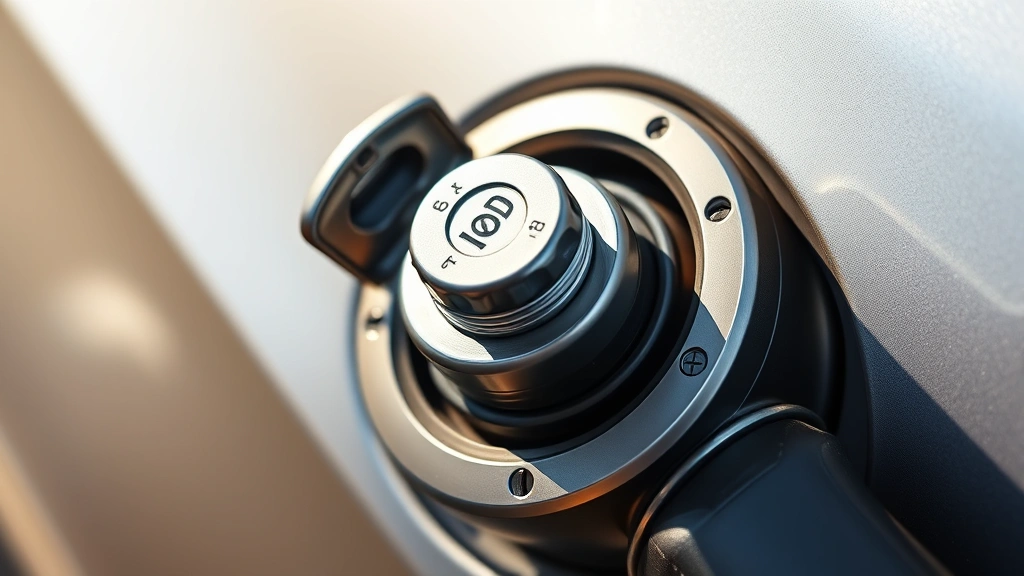
Gas Caps: Are They Eco-Friendly? Expert Opinion on Fuel System Sustainability
Gas caps might seem like a trivial component of your vehicle, yet they play a surprisingly significant role in environmental protection and fuel efficiency. These small devices serve as the gateway between your fuel tank and the atmosphere, preventing volatile organic compounds (VOCs) from escaping into the air. As we examine the ecological impact of gas caps, we’ll explore their importance in reducing emissions, their material composition, and how they contribute to your vehicle’s overall environmental footprint.
The question of whether gas caps are truly eco-friendly extends beyond their basic function. Modern gas caps incorporate advanced sealing technologies and materials designed to minimize fuel evaporation, which directly impacts air quality and climate change. Understanding the mechanics behind these components helps us make informed decisions about vehicle maintenance and environmental stewardship. This comprehensive guide will help you understand the role gas caps play in sustainable transportation and how to choose the most environmentally responsible options available.

How Gas Caps Work: The Environmental Connection
Gas caps serve a critical environmental function that many drivers overlook. Your vehicle’s fuel tank contains gasoline that constantly evaporates, especially during warm weather or when the engine is running. Without a proper gas cap, these fuel vapors escape directly into the atmosphere, contributing to ground-level ozone formation and air pollution. A functional gas cap creates an airtight seal that prevents this evaporation, protecting both air quality and your wallet by reducing fuel loss.
The modern gas cap is engineered with precision-designed seals and spring mechanisms that maintain consistent pressure within the fuel system. When you remove the cap to refuel, you’ll hear a slight hissing sound—this indicates that pressure has built up within the tank due to fuel evaporation. Quality gas caps feature dual-stage sealing systems that accommodate temperature fluctuations and pressure changes, ensuring optimal performance throughout the year. This seemingly simple component is actually a sophisticated piece of automotive engineering designed with environmental sustainability in mind.
Understanding how gas caps work helps illustrate why sustainable energy solutions in transportation start with basic vehicle maintenance. Even minor improvements in fuel system efficiency contribute to reduced emissions and improved air quality. When you invest in a quality gas cap, you’re actively participating in environmental protection at the most fundamental level of vehicle operation.

Emissions Reduction and Air Quality Impact
The environmental impact of gas caps extends directly to air quality and climate change mitigation. According to the Environmental Protection Agency (EPA), vehicle fuel evaporation accounts for a significant portion of volatile organic compound (VOC) emissions in urban areas. These emissions react with nitrogen oxides in sunlight to form ground-level ozone, a primary component of smog that damages human health and ecosystems. A properly functioning gas cap can reduce these emissions by up to 95 percent compared to a missing or damaged cap.
The quantifiable environmental benefit is substantial. Each vehicle with a faulty gas cap releases approximately 30-60 grams of fuel vapors daily during warm months. When multiplied across millions of vehicles, this represents millions of kilograms of pollutants entering the atmosphere annually. By maintaining a quality gas cap, individual drivers contribute to measurable improvements in regional air quality. This is why vehicle emissions testing programs specifically check gas cap integrity—it’s one of the most cost-effective ways to reduce transportation-related pollution.
Beyond immediate air quality improvements, reducing fuel evaporation also supports climate change mitigation efforts. Gasoline vapors contain hydrocarbons that contribute to atmospheric greenhouse gas concentrations. While the direct climate impact of fuel evaporation is smaller than tailpipe emissions, every reduction in unnecessary fuel loss contributes to comprehensive climate action. This demonstrates how reducing your environmental footprint includes attention to vehicle maintenance basics.
Key emissions reduction statistics:
- Missing gas caps result in 30-60 grams of daily fuel vapor loss per vehicle
- Properly sealed caps reduce VOC emissions by up to 95 percent
- Annual VOC reduction across a city’s fleet can reach thousands of metric tons
- Ground-level ozone formation is directly linked to fuel evaporation emissions
- Quality gas caps pay for themselves through fuel savings within weeks
Materials and Manufacturing Sustainability
The eco-friendliness of gas caps depends significantly on their material composition and manufacturing processes. Traditional gas caps were manufactured from simple plastic compounds with minimal environmental consideration. Modern sustainable gas caps utilize advanced materials engineered for durability, recyclability, and reduced environmental impact during production. Understanding these material differences helps consumers make informed purchasing decisions that align with environmental values.
Premium gas caps increasingly incorporate recycled plastics and bio-based polymers that reduce dependence on virgin petroleum resources. Some manufacturers now produce caps using thermoplastic elastomers (TPE) derived partially from renewable sources, reducing the carbon footprint of production. The manufacturing process itself has become more efficient, with leading producers implementing water conservation, energy efficiency, and waste reduction programs. When selecting a gas cap, look for products from manufacturers committed to sustainability principles and transparent environmental reporting.
The lifespan of a gas cap also affects its overall environmental impact. A durable cap that lasts 100,000 miles or more has lower environmental cost per mile than a cheap alternative requiring replacement every 20,000 miles. Manufacturing and transportation emissions associated with producing and shipping replacement parts add up quickly. Investing in quality, long-lasting gas caps manufactured by environmentally conscious companies represents a more sustainable choice than repeatedly purchasing cheap replacements.
Material sustainability considerations:
- Recycled content reduces virgin plastic extraction by up to 50 percent
- Bio-based polymers lower carbon emissions during manufacturing
- Durable construction extends product lifespan and reduces replacement frequency
- Responsible manufacturers publish environmental impact assessments
- Recyclable design ensures end-of-life materials can be recovered
Comparing Gas Cap Types and Eco-Friendliness
Several gas cap varieties exist in the automotive market, each with different environmental profiles. Understanding these options empowers consumers to choose the most eco-friendly option for their specific vehicle and climate. The comparison reveals that not all gas caps are created equal in terms of environmental performance and sustainability.
OEM (Original Equipment Manufacturer) Gas Caps: Factory-installed caps from vehicle manufacturers meet strict emissions standards and are specifically engineered for each vehicle model. These caps typically feature advanced sealing technology optimized for your specific fuel system. OEM caps generally represent the most environmentally effective choice because they maintain optimal pressure and seal integrity. They’re designed for longevity and typically last the vehicle’s lifetime with proper maintenance.
Aftermarket Quality Caps: Reputable aftermarket manufacturers produce gas caps meeting or exceeding EPA standards. Quality aftermarket options offer good environmental performance at lower cost than OEM replacements. Look for caps certified to meet EPA emissions standards and manufactured by companies with strong environmental commitments. These caps should feature dual-stage sealing and temperature-compensating mechanisms.
Locking Gas Caps: These specialized caps prevent fuel theft while maintaining environmental performance. Premium locking caps incorporate the same advanced sealing technology as standard caps. They’re particularly useful in high-theft areas and offer the additional benefit of preventing vandalism-related fuel system damage. From a sustainability perspective, locking caps eliminate fuel loss from theft, providing environmental and economic benefits.
Vented vs. Non-Vented Caps: Modern vehicles require non-vented caps that create a seal preventing fuel vapor escape. Older vehicles may have used vented caps that allowed pressure relief but permitted fuel evaporation. If you have an older vehicle, upgrading to a non-vented cap represents a significant environmental improvement. This upgrade alone can reduce fuel evaporation by 90 percent or more.
The Role of Gas Caps in Vehicle Maintenance
Proper gas cap maintenance represents one of the simplest yet most impactful ways to reduce your vehicle’s environmental impact. Regular inspection and replacement of damaged caps prevent significant fuel loss and emissions. This falls within the broader context of vehicle sustainability practices, though even conventional vehicles can achieve meaningful emissions reductions through basic maintenance.
Your gas cap should be inspected during routine vehicle maintenance. Signs of wear include cracked plastic, degraded seals, loose-fitting caps, or missing pressure relief valves. A gas cap that no longer creates an airtight seal when installed should be replaced immediately. Many auto parts stores offer free gas cap testing using specialized equipment that measures seal integrity. This free service helps identify problems before they significantly impact emissions and fuel economy.
Replacing a worn gas cap typically costs between $10-30, making it one of the most cost-effective environmental upgrades available. The fuel savings alone from preventing evaporation often exceed the replacement cost within weeks. For maximum environmental benefit, choose replacement caps from manufacturers demonstrating commitment to sustainable practices and environmental transparency. This ensures your maintenance choice aligns with broader sustainability goals.
Gas cap maintenance checklist:
- Inspect cap during every fuel fill-up for visible damage or wear
- Check that cap creates a firm seal when installed
- Replace caps showing cracks, loose threads, or degraded seals
- Request free emissions testing at auto parts stores annually
- Keep receipt and warranty information for replacement caps
- Consider upgrading to quality caps with extended warranties
Cost-Benefit Analysis of Quality Gas Caps
The economic case for quality gas caps aligns perfectly with environmental benefits, creating a win-win scenario for conscientious consumers. While premium gas caps may cost slightly more than budget alternatives, the total cost of ownership strongly favors quality investments. Understanding this economic analysis demonstrates that eco-friendly choices don’t require financial sacrifice—they often provide substantial savings.
A typical vehicle loses approximately 0.5-1 gallon of fuel monthly through evaporation if equipped with a faulty or missing gas cap. At current fuel prices averaging $3-4 per gallon, this represents $6-48 in monthly losses—$72-576 annually. A quality replacement gas cap costing $15-25 pays for itself within weeks through fuel savings alone. Over a five-year period, fuel savings from a single quality cap easily exceed $300, making it one of the best environmental investments available.
Beyond direct fuel cost savings, quality gas caps reduce emissions testing failures and associated costs. Vehicles with faulty gas caps frequently fail emissions tests, requiring expensive repairs. Preventative replacement of worn caps eliminates this risk entirely. Insurance companies in some regions offer minor discounts for vehicles passing emissions tests, adding another economic benefit to proper maintenance.
The environmental cost-benefit analysis is equally compelling. Preventing fuel evaporation eliminates hundreds of kilograms of pollutants from entering the atmosphere over a vehicle’s lifetime. The carbon footprint of manufacturing and shipping a replacement gas cap is negligible compared to the emissions prevented by proper sealing. This makes quality gas caps one of the highest-return environmental investments available to vehicle owners.
Expert Recommendations for Sustainable Choices
Environmental experts and automotive specialists consistently recommend prioritizing gas cap quality and maintenance as a fundamental sustainability practice. These recommendations apply equally to conventional vehicles and serve as a stepping stone toward broader transportation sustainability improvements. Expert consensus supports several key principles for making eco-friendly gas cap choices.
Choose OEM or Certified Aftermarket Caps: Experts unanimously recommend OEM replacement caps for maximum environmental and performance benefits. If OEM caps are unavailable or cost-prohibitive, select aftermarket caps certified to EPA emissions standards. Verify that products meet or exceed SAE (Society of Automotive Engineers) specifications for pressure retention and durability. Reputable manufacturers provide certification documentation and warranty information demonstrating confidence in their products.
Prioritize Durability Over Cost: Environmental experts emphasize that purchasing durable caps manufactured with sustainable materials represents better long-term environmental strategy than repeatedly buying cheap replacements. Calculate total cost of ownership including manufacturing emissions, transportation, and installation labor. Quality caps manufactured with recycled content and renewable materials align better with sustainability principles than disposable alternatives.
Support Sustainable Manufacturers: Research manufacturers’ environmental commitments, including carbon footprint reduction goals, waste minimization programs, and transparency reporting. Companies publishing environmental impact assessments demonstrate genuine commitment to sustainability. Supporting these manufacturers encourages industry-wide adoption of more sustainable practices.
Integrate into Broader Vehicle Sustainability: While gas caps represent important basic maintenance, experts recommend viewing them as part of comprehensive vehicle sustainability strategy. Proper gas cap maintenance complements other emissions-reduction efforts including regular tune-ups, tire pressure maintenance, and engine efficiency improvements. For maximum environmental impact, consider transitioning toward green technology innovations including electric vehicles or hybrid options as your vehicle ages.
Expert-recommended gas cap selection criteria:
- EPA-certified emissions performance
- SAE J2030 or equivalent pressure retention standards
- Minimum 5-year warranty coverage
- Manufacturer environmental certifications and reporting
- Recycled content or bio-based materials
- Temperature-compensating sealing mechanisms
- Positive customer reviews regarding durability
Frequently Asked Questions
Are all gas caps eco-friendly?
No, not all gas caps are equally eco-friendly. OEM and quality aftermarket caps certified to EPA standards provide superior environmental performance compared to budget alternatives. The quality of sealing materials, manufacturing processes, and durability significantly impacts environmental benefits. Cheap caps with poor seals may provide minimal emissions prevention and require frequent replacement, increasing overall environmental cost. Always prioritize caps meeting EPA emissions standards and manufactured by environmentally responsible companies.
How often should I replace my gas cap?
Gas caps should be replaced when showing signs of damage or wear, typically every 3-5 years with normal use. However, if your cap no longer creates a firm seal, develops cracks, or fails emissions testing, immediate replacement is necessary. Quality caps often last the vehicle’s lifetime with proper care. Regular inspection during fuel fill-ups helps identify problems early, preventing unnecessary fuel loss and emissions. Many auto parts stores provide free gas cap testing to determine replacement needs.
Can a missing gas cap really affect emissions?
Yes, significantly. A missing gas cap allows continuous fuel vapor escape, resulting in 30-60 grams of emissions daily during warm months. This represents a 95 percent increase in fuel system emissions compared to a properly sealed cap. Missing caps also reduce fuel economy by 0.5-1 percent as fuel evaporates rather than being burned for propulsion. Replacing a missing cap is one of the fastest ways to reduce vehicle emissions and improve fuel efficiency.
What’s the difference between OEM and aftermarket gas caps?
OEM caps are manufactured by vehicle makers specifically engineered for each model’s fuel system. They typically feature advanced sealing technology optimized for your vehicle’s pressure characteristics. Quality aftermarket caps from reputable manufacturers meet EPA standards and perform similarly to OEM caps at lower cost. However, some aftermarket caps may have reduced durability or sealing precision. Always verify aftermarket caps meet EPA SAE J2030 standards before purchasing.
Do locking gas caps reduce emissions?
Locking gas caps provide the same emissions prevention as standard quality caps while adding security benefits. They prevent fuel theft and vandalism-related fuel system damage that could reduce sealing integrity. From an environmental perspective, locking caps eliminate emissions from theft-related fuel loss. If you live in an area with fuel theft problems, upgrading to a quality locking cap provides both environmental and economic benefits without compromising emissions performance.
How do I know if my gas cap seal is failing?
Several signs indicate gas cap seal failure: loose-fitting caps that don’t stay secure, hissing sounds when removing the cap (indicating excessive pressure), visible cracks or degradation in plastic, or fuel smell around the filler area. Modern vehicles with onboard diagnostics will trigger check engine lights if gas cap pressure drops below specifications. Free emissions testing at auto parts stores accurately measures seal integrity. If any of these signs appear, replace the cap immediately to prevent fuel loss and emissions.
Are biodegradable gas caps available?
Most gas caps require durable plastic or metal construction to withstand fuel exposure and pressure cycling, making traditional biodegradable materials impractical. However, manufacturers increasingly use recycled plastics and bio-based polymers that reduce environmental impact during production while maintaining performance requirements. These materials provide environmental benefits through reduced virgin plastic extraction and lower manufacturing carbon footprint. Look for caps manufactured with recycled content or bio-based materials from environmentally certified companies.
Can I use any gas cap on my vehicle?
No, gas caps must match your vehicle’s fuel filler neck specifications. Using an incompatible cap can result in poor sealing, fuel leakage, or system damage. Vehicle manufacturer specifications indicate the correct cap type and size. Most auto parts stores can identify the correct replacement cap using your vehicle’s year, make, and model. Always verify compatibility before purchasing aftermarket caps. Using the correct cap ensures optimal emissions performance and prevents potential safety hazards.


