Gas cookers remain a popular choice in kitchens worldwide, prized for their precise heat control and immediate temperature adjustments. However, many home cooks overlook a simple yet effective tool that can significantly enhance energy efficiency: the gas cooker cover. Whether you’re concerned about reducing your environmental footprint or simply want to lower utility bills, understanding the role of cooker covers in energy conservation is essential.
The question of whether gas cooker covers are truly necessary for energy savings deserves careful examination. While they may seem like a minor kitchen accessory, these covers can play a meaningful role in your home’s overall energy performance. This comprehensive guide explores the science behind cooker covers, their actual energy-saving potential, proper installation techniques, and how they fit into a broader strategy of sustainable home energy management.
How Gas Cooker Covers Work
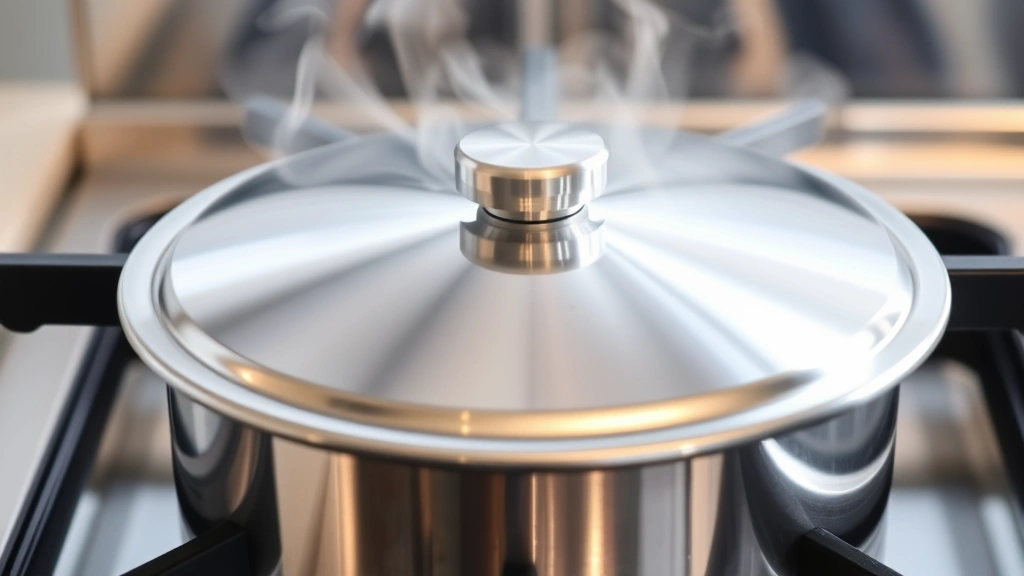
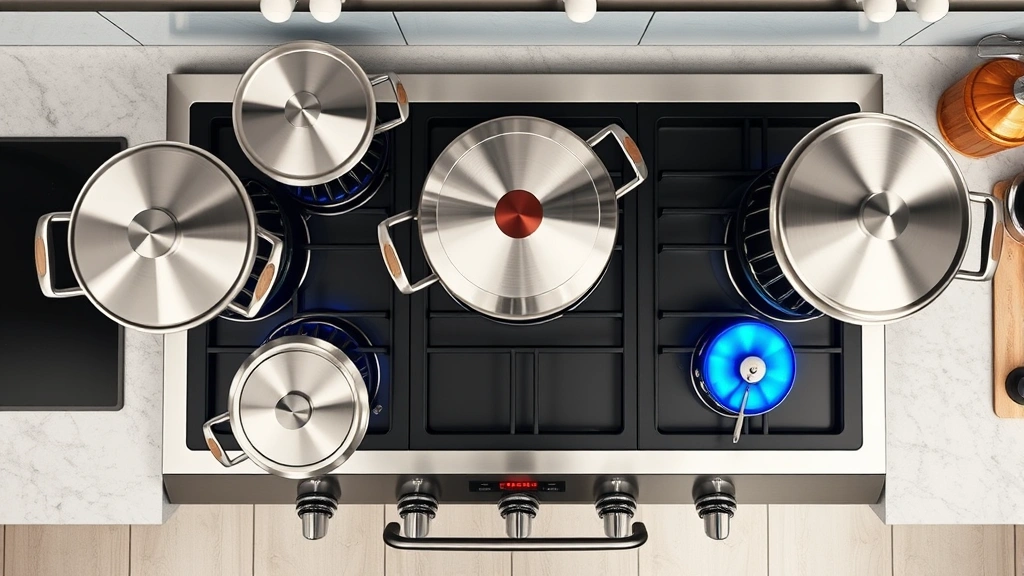
Gas cooker covers function through a straightforward principle: they trap and redirect heat that would otherwise escape into your kitchen. When you heat a pot or pan on a gas burner, significant thermal energy radiates upward and outward, dissipating into the surrounding air. A properly designed cooker cover acts as a thermal barrier, reflecting and containing this radiant heat back toward your cooking vessel.
The mechanism is particularly effective because gas flames produce considerable radiant heat alongside the direct flame contact with cookware. This radiant energy often goes to waste when there’s no barrier to capture it. Modern cooker covers are typically constructed from stainless steel or aluminum, materials chosen for their excellent heat conductivity and reflective properties. The reflective surface bounces infrared radiation back downward, ensuring more of the burner’s energy reaches your food rather than warming your kitchen unnecessarily.
Understanding heat transfer is crucial here. There are three primary heat transfer methods: conduction (direct contact), convection (air movement), and radiation (electromagnetic waves). Gas cookers utilize all three, but radiation represents a substantial portion of energy loss—often between 10-15% of total heat output. By addressing this radiative loss with a cover, you directly improve cooking efficiency.
The design of quality cooker covers also considers airflow. Poorly designed covers can trap excessive heat and create safety hazards or reduce cooking performance. Premium covers feature ventilation channels or specific geometric designs that allow steam and gases to escape while maximizing heat retention. This balance between heat capture and safety is what distinguishes effective cooker covers from simple metal sheets.

Energy Savings Potential
The actual energy savings from using a gas cooker cover depend on several variables, making it important to set realistic expectations. Research indicates that properly used cooker covers can reduce cooking energy consumption by 8-15% for typical stovetop cooking. While this might seem modest, consider that cooking represents approximately 4-5% of residential energy use, meaning cooker covers could reduce overall household energy consumption by 0.3-0.75%.
For households that cook frequently or prepare large meals regularly, these savings accumulate significantly over time. A family cooking multiple times daily could save between 5-10 cubic feet of natural gas monthly, translating to roughly $3-8 per month in many regions. Over a year, this represents $36-96 in direct savings—a meaningful amount considering the minimal investment required for a quality cover.
The actual savings depend on several factors: cooking frequency, pot and pan sizes, burner settings, and ambient kitchen temperature. Using a cooker cover at high heat settings produces greater energy savings than low-temperature cooking. Similarly, larger pots benefit more from covers than smaller vessels, as they require more energy and have greater surface area for heat radiation.
It’s important to note that cooker covers work best when used consistently. Occasional use provides minimal benefit, as the savings accumulate through regular application across numerous cooking sessions. Additionally, covers are most effective when used with appropriate cookware—flat-bottomed pots with lids that fit snugly over the burner maximize heat retention and cooker cover effectiveness.
When evaluating whether cooker covers constitute a worthwhile investment, consider the low cost (typically $15-50 for quality models) and long lifespan (5-10 years with proper care). Even modest energy savings of $40-50 annually quickly justify the initial purchase, and many users report noticing differences in cooking times and kitchen temperature within weeks of adoption.
Types of Cooker Covers Available
The cooker cover market offers several distinct varieties, each with specific advantages and limitations. Understanding these options helps you select the most appropriate solution for your cooking style and kitchen setup.
Flat Metal Covers: The simplest and most affordable option, flat stainless steel or aluminum covers sit directly over burners. They’re lightweight, easy to store, and effective for basic heat redirection. However, they provide minimal ventilation and can accumulate condensation. These work well for boiling water or cooking with lids already on pots.
Dome-Shaped Covers: These curved designs improve heat distribution and provide better clearance for various pot heights. The dome shape naturally directs heat downward while allowing steam to escape more effectively than flat covers. They’re particularly useful for cooking with open pans or when using multiple burners simultaneously.
Adjustable Ring Covers: Featuring expandable rings that accommodate different burner sizes and pot diameters, these covers offer versatility across various stovetop configurations. They’re ideal for kitchens with multiple burner sizes or irregular spacing, though they tend to be more expensive and require more storage space.
Reflective Burner Liners: These thin, flexible liners sit beneath grates and reflect heat upward. While less dramatic than covers, they provide continuous efficiency gains without requiring active use. They’re particularly effective in combination with traditional covers.
Magnetic Heat Reflectors: Designed for glass or induction-compatible cooktops, these magnetic covers offer a modern solution for kitchens with newer appliance technology. They’re especially valuable for induction cooking, where heat efficiency is already superior but can be further optimized.
When selecting a cover type, consider your stovetop configuration, cooking habits, and available storage space. Most households benefit from having 2-3 different sizes available to match various pot dimensions and cooking scenarios.
Installation and Safety Considerations
Proper installation and safe usage are absolutely critical when using gas cooker covers. Incorrect application can create serious safety hazards, including gas accumulation, burns, or damage to your appliance. Always prioritize safety over marginal efficiency gains.
Safety Guidelines: Never cover burners before lighting them, as this can trap gas and create explosion risks. Always ensure covers are completely clear of the flame before ignition. Position covers only after flames are established and stable. Keep covers away from the burner edges to prevent accidental contact with flames or heat.
Ensure adequate ventilation when using covers, particularly if your kitchen lacks a range hood. Covers can slightly increase moisture and cooking odors in the kitchen environment. If you experience any unusual gas smells, immediately remove the cover and check burner functionality. Gas safety should never be compromised for efficiency gains.
Heat Management: Covers can cause pots to heat faster, requiring reduced burner settings. Adjust flame height to prevent excessive heating or boiling over. Monitor cooking progress more frequently when using covers, as faster heating may affect cooking times for certain recipes. This adaptation period typically lasts only a few cooking sessions before becoming intuitive.
Maintenance involves regular cleaning with warm soapy water and occasional polishing to maintain reflective properties. Avoid abrasive cleaners that damage the reflective surface. Store covers in a dry location away from humidity, which can cause oxidation or warping over time.
Compatibility Issues: Some older gas cooktops have specific design considerations that may limit cover effectiveness or safety. Consult your appliance manual before using covers, particularly with vintage or specialty stovetops. Modern cooktops generally accommodate covers without issues.
Comparing Cooker Covers to Other Energy Solutions
While cooker covers offer measurable benefits, they represent just one component of comprehensive kitchen energy efficiency. Understanding how they compare to alternative approaches helps you prioritize investments in sustainable cooking practices.
Pressure Cookers and Instant Pots: These devices reduce cooking time by 30-70%, providing dramatically greater energy savings than cooker covers alone. They combine reduced cooking duration with superior heat retention, making them the most efficient option for many cooking tasks. However, they require recipe adaptation and aren’t suitable for all cooking styles.
Induction Cooktops: Switching to sustainable energy solutions like induction cooking can reduce energy consumption by 25-30% compared to gas. Induction transfers energy directly to cookware with minimal loss, though the upfront investment ($500-2000) far exceeds cooker cover costs. This represents a long-term strategy rather than an immediate efficiency improvement.
Pot and Pan Selection: Using cookware with flat bottoms, tight-fitting lids, and appropriate sizes for burners can match or exceed cooker cover efficiency gains. Combining proper cookware with cooker covers creates a synergistic effect, maximizing total energy savings. This approach costs nothing if you already own suitable cookware.
Cooking Habit Modifications: Reducing cooking time through batch cooking, meal planning, and microwave or toaster oven use for smaller portions can reduce cooking energy consumption by 20-40%. These behavioral changes cost nothing and provide immediate results, though they require lifestyle adjustments.
Ventilation Optimization: Ensuring your range hood operates efficiently and using it appropriately prevents heated air from being unnecessarily exhausted. Modern range hoods with variable speeds and sensors optimize ventilation without excessive energy loss.
The most effective approach combines cooker covers with multiple complementary strategies. Using a cover while also employing pressure cookers for suitable recipes, selecting appropriate cookware, and optimizing ventilation creates cumulative efficiency gains that substantially reduce cooking energy consumption.
Best Practices for Maximum Efficiency
Achieving optimal results from gas cooker covers requires understanding and implementing several complementary practices that amplify their effectiveness.
Matching Cover Size to Cookware: The most common mistake is using covers that don’t match pot dimensions. Covers should sit approximately 1-2 inches above the pot rim, allowing steam escape while capturing radiant heat. Covers that are too small fail to capture sufficient heat, while oversized covers can trap excessive steam and create condensation problems.
Using Lids Effectively: Combine cooker covers with pot lids for maximum efficiency. The pot lid traps direct heat while the cooker cover captures radiant energy from the burner. This dual-layer approach can increase efficiency by 20-25% compared to using either method alone. This combination is particularly effective for boiling water or simmering dishes.
Burner Selection: Use appropriately sized burners for your cookware. Small pots on large burners waste significant energy regardless of cover use. Most modern cooktops feature burners in multiple sizes—select the one matching your pot diameter for optimal performance.
Flame Management: Once your pot reaches the desired temperature, reduce flame intensity to maintain temperature rather than continuing maximum heat. Covers allow you to use lower settings effectively because they prevent radiant heat loss. This adjustment alone can reduce energy consumption by 10-15%.
Preventive Maintenance: Keep burners clean and properly adjusted for optimal flame quality. Misaligned burners or clogged ports produce less efficient flames that waste energy. Annual maintenance checks ensure your cooktop operates at peak efficiency, maximizing cooker cover benefits.
Regular Cleaning: Maintain reflective surfaces by regular cleaning. Dust, grease, or oxidation reduces reflectivity and efficiency. Monthly cleaning with appropriate products keeps covers functioning optimally throughout their lifespan.
Environmental Impact Analysis
Beyond personal energy savings, using gas cooker covers contributes to broader environmental goals by reducing natural gas consumption and associated carbon emissions. Understanding this environmental context provides additional motivation for adoption.
Natural gas combustion produces carbon dioxide, a primary greenhouse gas contributing to climate change. Reducing gas consumption through cooker covers, even modestly, decreases your household’s carbon footprint. A typical family using cooker covers regularly prevents approximately 50-150 pounds of CO2 emissions annually—equivalent to driving a car 120-360 miles.
When considering natural gas vs propane heating and cooking, efficiency improvements matter significantly. While propane and natural gas have similar combustion properties, reducing consumption of either fuel through efficiency measures benefits the environment. Cooker covers represent a simple, accessible method for households dependent on gas cooking to minimize environmental impact.
The manufacturing impact of cooker covers is minimal. Most are produced from recyclable materials and have long functional lifespans, meaning their environmental cost is amortized across years of use. A cover used for five years has minimal per-year environmental impact, while providing consistent energy savings throughout its life.
Broader sustainability requires considering cooker covers as part of comprehensive home energy management. Combining covers with green technology innovations transforming our future like smart thermostats, improved insulation, and renewable energy sources creates substantial environmental benefits. Each efficiency improvement contributes to reducing household energy demand and associated emissions.
For households unable to immediately transition to electric or induction cooking, cooker covers represent a practical interim solution. They provide measurable environmental benefits at negligible cost, making them an accessible entry point for sustainability-conscious cooking practices. As sustainability practices evolve, cooker covers remain relevant because they address a fundamental inefficiency in gas cooking technology.
The environmental case for cooker covers strengthens when multiplied across millions of households. If 25% of gas-cooking households adopted cooker covers, the collective CO2 reduction would equal removing thousands of vehicles from roads annually. This scalability makes individual adoption decisions meaningful within broader climate action contexts.
FAQ
Do gas cooker covers actually save energy?
Yes, properly used cooker covers reduce cooking energy consumption by 8-15% for stovetop cooking. While this might seem modest, it accumulates to meaningful savings over time, typically saving $40-100 annually for active cooking households. The investment in a quality cover ($20-50) pays for itself within months through energy savings.
Are cooker covers safe for gas stoves?
Cooker covers are safe when used correctly. Never place covers over unlit burners, always ensure flames are established before covering, and maintain proper ventilation. If you smell gas or notice unusual burner behavior, immediately remove the cover. Gas safety should always be your primary concern.
Can I use cooker covers with all pot sizes?
Cooker covers work best with pots that fit appropriately under them—neither too small (allowing heat escape) nor too large (preventing proper positioning). Most households benefit from having 2-3 different cover sizes to accommodate various cookware. Adjustable ring covers offer versatility across different pot dimensions.
How do cooker covers compare to pressure cookers for energy savings?
Pressure cookers provide greater energy savings (30-70% reduction in cooking time) than cooker covers alone, but require recipe adaptation and lifestyle changes. Cooker covers are easier to implement and work with any cooking method. Combining both approaches—using cooker covers with pressure cookers when appropriate—maximizes efficiency.
Will cooker covers increase my kitchen temperature?
Cooker covers slightly reduce kitchen heating during cooking because they contain heat more efficiently, reducing radiant heat loss into the kitchen. In summer months, this benefit intensifies, as less wasted heat means less air conditioning demand. Winter cooking may feel slightly different as less heat radiates into the kitchen space.
How often should I clean my cooker cover?
Clean cooker covers monthly with warm soapy water to maintain reflective properties. Wipe away any grease or dust that accumulates. Avoid abrasive cleaners that damage the reflective surface. Proper maintenance ensures optimal efficiency throughout the cover’s 5-10 year lifespan.
Can cooker covers be used on induction cooktops?
Standard metal cooker covers shouldn’t be used on induction cooktops, as they may interfere with magnetic induction. Specialized magnetic heat reflectors designed for induction cooktops are available instead. Always verify compatibility with your specific cooktop before attempting to use covers.
What’s the environmental impact of using cooker covers?
Using cooker covers reduces household natural gas consumption, preventing approximately 50-150 pounds of CO2 emissions annually for typical families. Multiplied across millions of households, this contributes meaningfully to climate action. The covers themselves have minimal manufacturing impact due to their long lifespan and recyclable materials.