When it comes to kitchen appliances, the gas cooktop debate has intensified as homeowners increasingly prioritize environmental responsibility. Many assume gas cooking is inherently green because natural gas burns cleaner than coal-fired electricity, but the reality is far more nuanced. Understanding the true environmental impact of gas cooktops requires examining emissions, energy efficiency, methane leakage, and how they compare to electric and induction alternatives.
The question “Is a gas cooktop eco-friendly?” doesn’t have a simple yes or no answer. While gas cooktops offer certain efficiency advantages in the kitchen, they contribute to climate change through methane emissions both during combustion and throughout the supply chain. This comprehensive guide explores the science behind gas cooking, its environmental footprint, and whether switching to alternative cooking methods might better align with your sustainability goals.

How Gas Cooktops Work and Their Basic Environmental Impact
A gas cooktop operates by burning natural gas to produce an open flame that heats cookware directly. This immediate heat transfer is why many professional chefs and home cooks prefer gas cooking—the responsiveness and control are unmatched. However, this direct combustion process creates environmental considerations that extend beyond the kitchen.
Natural gas, primarily composed of methane, is extracted from underground reserves through drilling and hydraulic fracturing. The extraction, processing, and transportation of natural gas to your home all generate environmental costs. When you turn on your gas cooktop, you’re not just burning fuel; you’re participating in a complex supply chain with significant ecological implications. The combustion itself produces carbon dioxide (CO₂), a primary greenhouse gas, along with nitrogen oxides and water vapor.
Understanding the definition of sustainability helps contextualize this issue. True sustainability means meeting present needs without compromising future generations’ ability to meet theirs. Gas cooktops, while functional, don’t necessarily align with this principle when we account for their complete lifecycle environmental impact.
Methane Emissions: The Hidden Climate Problem
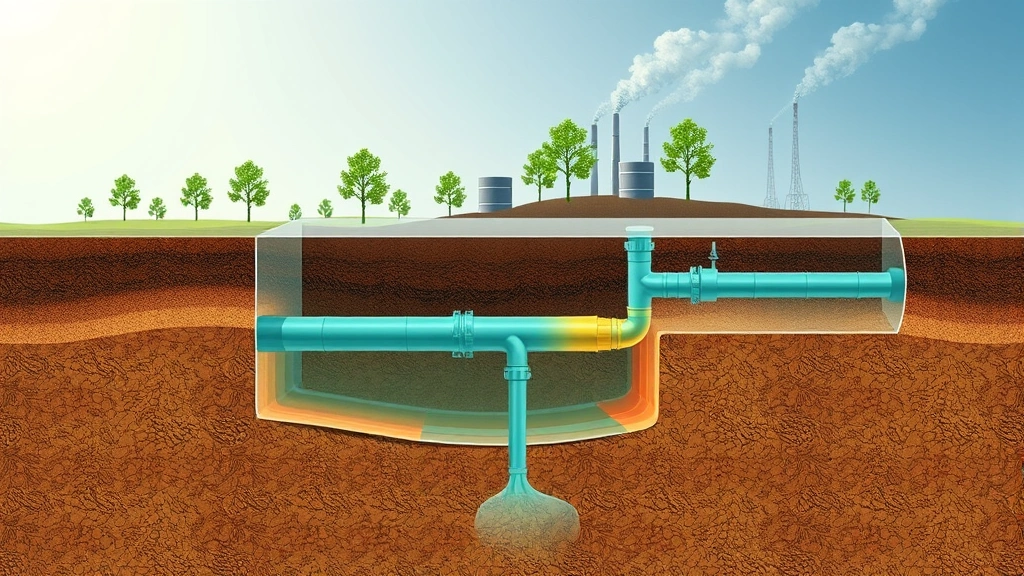
The most concerning aspect of gas cooktop use isn’t the combustion itself—it’s methane leakage throughout the natural gas supply chain. Methane is approximately 80-86 times more potent than CO₂ at trapping heat over a 20-year period, according to research from the Environmental Protection Agency (EPA). Even small leaks from pipes, connections, and appliances accumulate into a significant climate problem.
Studies have documented that gas cooktops can leak unburned methane, and the distribution infrastructure itself loses substantial amounts of gas through aging pipes and faulty connections. In some urban areas, methane leakage rates from the natural gas system exceed 5% of total gas delivered—a staggering waste with profound climate implications. When you use a gas cooktop, you’re indirectly responsible for these upstream emissions that occur before the gas even reaches your stove.
- Extraction emissions: Drilling and processing natural gas releases methane directly into the atmosphere
- Transportation losses: Pipeline leaks account for 1-2% of gas transmitted nationally
- Local distribution: City gas lines lose additional methane through aging infrastructure
- Appliance leaks: Gas cooktops and connections can emit unburned methane
- Combustion byproducts: Burning gas produces CO₂, nitrogen oxides, and particulate matter
This methane problem is why many climate scientists and environmental organizations now question whether natural gas deserves its “clean energy” reputation. While natural gas produces fewer direct emissions than coal, the methane leakage across the entire supply chain can negate those benefits.
Energy Efficiency Comparison: Gas vs. Electric vs. Induction
When evaluating whether a gas cooktop is eco-friendly, energy efficiency is a crucial metric. Gas cooktops transfer approximately 70-75% of the energy from combustion directly to cookware. This high efficiency is one reason professional kitchens favor gas cooking. However, this efficiency advantage becomes less significant when you consider the electricity grid’s improving sustainability profile.
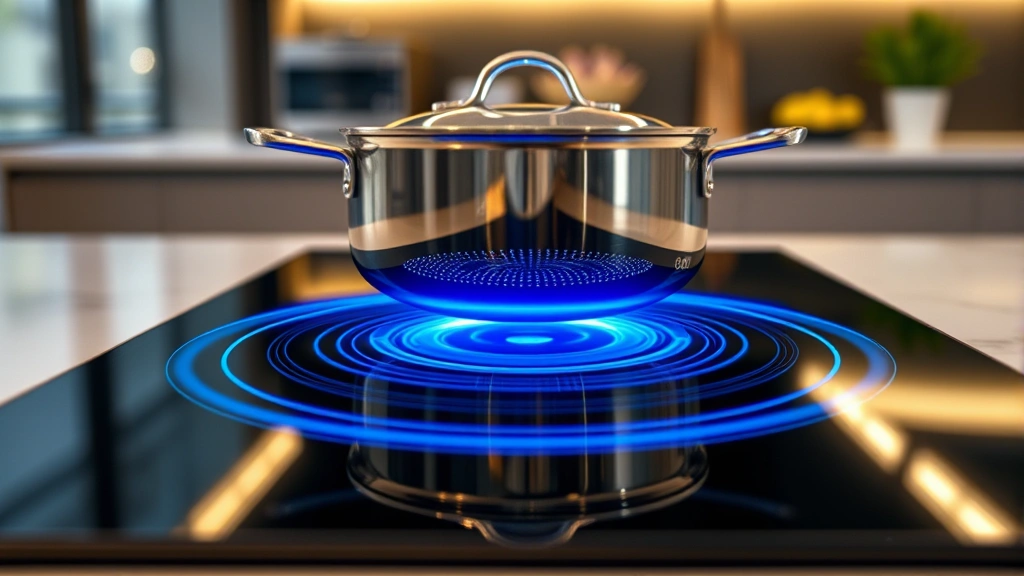
Electric resistance cooktops operate at 65-75% efficiency, losing energy through heat dissipation from the cooking surface. Induction cooktops, however, achieve 80-90% efficiency by using electromagnetic fields to heat cookware directly, bypassing the intermediate heating element. As electricity grids increasingly incorporate renewable energy sources like solar and wind, electric cooking becomes progressively more eco-friendly.
For example, in regions where electricity is generated primarily from renewable sources, an induction cooktop powered by wind energy is substantially more sustainable than a gas cooktop. Conversely, in areas dependent on coal-fired power plants, gas cooking might currently present a lower carbon footprint. However, this dynamic is shifting rapidly as utilities nationwide transition away from fossil fuels.
Consider exploring sustainable energy solutions for your region to understand your electricity grid’s composition. This information directly impacts the environmental viability of switching from gas to electric cooking.
| Cooktop Type | Energy Efficiency | Climate Impact |
|---|---|---|
| Gas | 70-75% | High (methane + CO₂) |
| Electric Resistance | 65-75% | Medium-High (grid dependent) |
| Induction | 80-90% | Low-Medium (grid dependent) |
Indoor Air Quality and Health Considerations
Beyond climate impact, gas cooktops present indoor air quality concerns that affect both human health and environmental responsibility. When natural gas burns on a gas cooktop, it produces nitrogen dioxide (NO₂), carbon monoxide (CO), and other pollutants that accumulate in your home.
Research from the International Journal of Environmental Research and Public Health found that homes with gas cooktops have nitrogen dioxide levels that exceed EPA outdoor air quality standards. Children and elderly residents are particularly vulnerable to these pollutants, which can trigger asthma, reduce lung function, and exacerbate respiratory conditions.
This health dimension connects directly to environmental sustainability. A truly eco-friendly cooking method shouldn’t compromise indoor environmental quality or family health. Proper ventilation can mitigate these issues, but many homes lack adequate exhaust systems over gas cooktops. Electric and induction cooktops produce no combustion byproducts, maintaining superior indoor air quality.
Addressing indoor air quality is part of reducing your environmental footprint holistically. When you eliminate gas combustion from your home, you reduce both outdoor climate emissions and indoor air pollution.
The Carbon Footprint of Gas Cooking
Calculating the complete carbon footprint of a gas cooktop requires examining the entire lifecycle: extraction, processing, transportation, combustion, and appliance manufacturing. Research from the Carbon Brief indicates that cooking accounts for approximately 5-10% of residential energy consumption, making it a meaningful contributor to household emissions.
A typical household using a gas cooktop for cooking and heating generates approximately 1.5-2 metric tons of CO₂ equivalent annually from gas use alone. When you account for methane leakage (which is 80-86 times more potent than CO₂), the climate impact increases significantly. Over a 20-year period, methane’s warming effect compounds substantially.
The carbon footprint calculation reveals why environmental organizations increasingly recommend transitioning away from gas appliances. Even though individual cooking sessions produce relatively small emissions, the cumulative effect across millions of households creates substantial climate impact. Moreover, as electricity grids decarbonize, gas cooking becomes progressively less competitive from an environmental standpoint.
For homeowners committed to saving energy at home, replacing a gas cooktop represents one of the most impactful upgrades available. The emissions reduction potential is significant and immediate.
Sustainable Alternatives to Traditional Gas Cooktops
Induction cooktops emerge as the most environmentally friendly cooking technology currently available. These cooktops use electromagnetic induction to heat cookware directly, achieving exceptional efficiency while producing zero combustion emissions. Induction cooking is faster, safer, and cleaner than gas cooking, with no indoor air quality concerns.
The primary barrier to induction adoption is cost—induction cooktops typically cost 20-40% more than comparable gas models. However, this premium decreases yearly as manufacturing scales increase. Additionally, induction’s superior efficiency and longevity can offset the initial investment through reduced energy bills.
Electric resistance cooktops represent a more affordable transition option from gas. While less efficient than induction, modern electric cooktops offer adequate performance for most home cooking. The environmental advantage depends on your regional electricity grid’s renewable energy percentage. In regions with high renewable penetration, electric cooking is substantially greener than gas.
For those unable to switch immediately, several interim strategies can improve sustainability:
- Optimize ventilation: Install or upgrade exhaust hoods to remove combustion byproducts
- Reduce usage: Use green technology innovations like pressure cookers and slow cookers for certain meals
- Maintain equipment: Ensure gas lines are sealed and burners function efficiently
- Plan upgrades: Schedule replacement during natural renovation timelines
- Support grid decarbonization: Advocate for renewable energy policies in your region
The most sustainable choice depends on your specific circumstances: regional electricity sources, budget constraints, cooking preferences, and renovation timeline. However, the trajectory is clear—gas cooktops represent outdated technology from a climate and health perspective.
Making an Eco-Conscious Choice for Your Home
Determining whether your gas cooktop aligns with your sustainability values requires honest assessment of multiple factors. If your home currently has gas cooking and you’re considering upgrades, several decision frameworks can guide your choice.
Evaluate your regional electricity profile: Research your utility provider’s energy mix through their annual sustainability report or the EPA’s Power Profiler tool. If your grid is already 50%+ renewable, switching to induction or electric cooking offers immediate climate benefits. If your grid remains fossil fuel-dependent, the timeline for switching becomes longer, but the trend still favors electrification.
Consider your household’s values: If reducing methane emissions and improving indoor air quality align with your priorities, transitioning from gas represents a meaningful commitment to sustainability. The International Energy Agency identifies appliance electrification as essential for achieving climate targets, positioning you ahead of necessary transitions.
Assess financial feasibility: Induction cooktops have become increasingly affordable, with quality models available at competitive prices. Factor in energy savings over 10-15 years—induction’s superior efficiency typically recovers the cost premium within 5-7 years through reduced electricity consumption.
Plan for renovation timing: If your current gas cooktop functions adequately, immediate replacement may not be necessary. However, when natural renovation opportunities arise—kitchen remodeling, appliance failures, or home upgrades—switching to induction or electric cooking becomes highly cost-effective.
The science is unambiguous: gas cooktops are not genuinely eco-friendly when considering complete lifecycle emissions, methane leakage, and health impacts. While gas offers certain practical advantages, these don’t outweigh the environmental and health costs. As electricity grids continue decarbonizing and induction technology becomes standard, gas cooking will increasingly appear as an outdated relic of fossil fuel dependence.
Your cooking choice matters not just for your household’s carbon footprint but for the broader signal it sends about energy priorities. Choosing induction or electric cooking demonstrates commitment to sustainability and supports market transformation toward cleaner technologies.
FAQ
Are gas cooktops more efficient than electric cooktops?
Gas cooktops achieve approximately 70-75% energy efficiency, compared to 65-75% for electric resistance and 80-90% for induction cooktops. While gas offers marginally better efficiency than electric resistance, induction is substantially more efficient. However, efficiency alone doesn’t determine environmental impact—the energy source matters equally.
How much methane do gas cooktops leak?
Individual gas cooktops may leak small amounts of unburned methane, particularly if connections are loose or aging. However, the larger problem is methane leakage throughout the natural gas supply chain, which can exceed 5% of total gas delivered in some areas. This upstream leakage contributes significantly to the climate impact of gas cooking.
Is gas cooking bad for indoor air quality?
Yes. Gas combustion produces nitrogen dioxide, carbon monoxide, and other pollutants that accumulate indoors. Studies show homes with gas cooktops often exceed EPA outdoor air quality standards for nitrogen dioxide. Proper ventilation can mitigate these effects, but electric and induction cooktops eliminate these concerns entirely.
Should I replace my gas cooktop immediately?
Immediate replacement isn’t necessary if your gas cooktop functions well. However, when natural replacement opportunities arise—appliance failure, kitchen renovation, or home upgrades—switching to induction or electric cooking offers significant environmental and health benefits. Plan for transition during convenient renovation windows.
Which cooktop type is most eco-friendly?
Induction cooktops are most eco-friendly, particularly in regions with renewable-powered electricity grids. They achieve the highest efficiency (80-90%), produce zero combustion emissions, and create no indoor air quality concerns. In regions with renewable electricity, induction cooking is 3-5 times cleaner than gas cooking.
Can I convert my gas cooktop to electric?
Yes, if your kitchen has available electrical capacity. Many kitchens can accommodate induction or electric cooktops with electrical upgrades. Consult a licensed electrician to assess your home’s electrical service and determine upgrade requirements and costs.
What’s the payback period for switching to induction?
Induction’s superior efficiency typically recovers the cost premium (usually $500-1500 more than gas) within 5-7 years through reduced electricity bills. Over the 15-20 year lifespan of a cooktop, induction provides substantial financial savings alongside environmental benefits.


