
Is a Gas Stove Eco-Friendly? Expert Insights on Environmental Impact
The question of whether gas stoves are truly eco-friendly has become increasingly important as households seek to align their energy consumption with environmental values. Gas stoves have long been favored by cooking enthusiasts for their precise heat control and immediate response, but the environmental implications of natural gas combustion deserve careful examination. Understanding the full lifecycle impact—from extraction to combustion—helps homeowners make informed decisions about their kitchen appliances.
Recent studies and environmental assessments reveal a complex picture. While natural gas produces fewer emissions than some alternatives during combustion, the extraction process, methane leakage, and overall carbon footprint raise legitimate sustainability concerns. This comprehensive guide explores the environmental reality of gas stoves, compares them to alternatives, and provides actionable strategies for reducing your kitchen’s carbon impact.
Understanding Gas Stove Emissions
Gas stoves burn natural gas—primarily methane—to produce heat for cooking. During combustion, this process releases carbon dioxide (CO2) and other byproducts into your home and atmosphere. The direct emissions from a gas stove burning are relatively modest compared to heating an entire house, but they contribute to your household’s overall carbon footprint. A typical gas stove produces approximately 5 kilograms of CO2 annually from direct use, though this varies based on cooking frequency and burner efficiency.
The combustion process itself is fairly complete when stoves function properly, meaning most of the methane converts to CO2 and water vapor. However, the efficiency of this conversion depends on burner design, maintenance, and ventilation. Unburned methane escaping into your kitchen represents a significant concern, as methane is a potent greenhouse gas with a global warming potential approximately 28-34 times greater than CO2 over a century-long period. This is why proper ventilation and regular sustainable energy solutions in your kitchen matter considerably.
Modern gas stoves typically operate at 70-80% efficiency, meaning a substantial portion of the energy content in natural gas successfully heats your food. Older models may perform worse, losing more heat to the surrounding environment. The efficiency rating depends on burner design, flame spread, and heat distribution patterns. Understanding these mechanics helps explain why a gas stove cover or burner optimization strategies can make measurable differences in both efficiency and emissions.
Environmental Impact of Natural Gas Extraction
The true environmental cost of gas stoves extends far beyond kitchen combustion. Natural gas extraction, processing, and transportation involve significant environmental disruption. Hydraulic fracturing (fracking) and conventional drilling operations require extensive water usage, can contaminate groundwater, and disrupt ecosystems. The EPA’s greenhouse gas emissions data shows that natural gas production and distribution account for substantial methane leakage throughout the supply chain.
Methane leakage during extraction, processing, and pipeline transport represents one of the most problematic aspects of natural gas’s environmental profile. Studies indicate that between 1-7% of natural gas leaks as methane before reaching consumers, depending on infrastructure age and maintenance standards. This fugitive methane dramatically increases the climate impact of gas cooking, potentially offsetting any combustion efficiency advantages. A recent IEA analysis on methane emissions emphasizes that reducing leakage across gas infrastructure is critical for climate goals.
Transportation infrastructure deterioration compounds these losses. Aging pipelines in many developed countries leak increasingly as maintenance budgets lag behind infrastructure age. Some regions experience pipeline losses exceeding 10%, meaning your gas stove’s actual upstream emissions footprint may be two to three times larger than direct combustion suggests. This upstream impact is often overlooked in simplistic environmental assessments of gas appliances.
The extraction process also generates significant waste streams, including produced water containing dissolved minerals and hydrocarbons, which requires careful disposal or treatment. Land use impacts include habitat fragmentation, surface disruption, and altered water hydrology. These cumulative extraction impacts mean that choosing to use natural gas appliances supports an entire industrial system with substantial environmental costs beyond what occurs in your kitchen.
Gas Stoves vs. Electric Alternatives
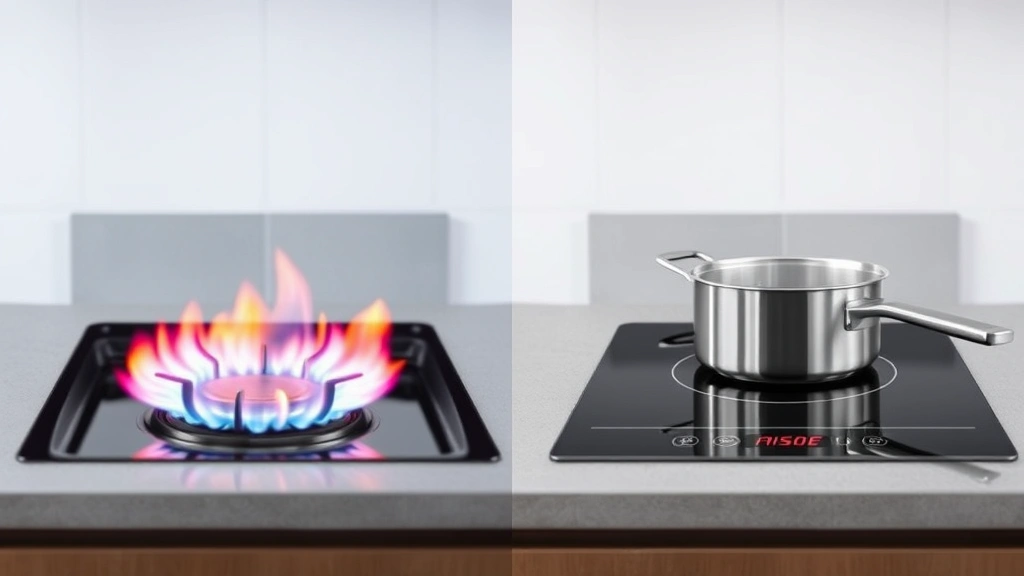
When evaluating whether gas stoves are eco-friendly, comparison with electric alternatives provides crucial context. Electric stoves powered by renewable energy are unambiguously more sustainable than gas. However, the electricity grid’s composition varies dramatically by region. In areas with high renewable energy percentages (such as California, Denmark, or parts of Canada), electric cooking produces minimal emissions. In regions reliant on fossil fuel power plants, electric stoves may not offer significant advantages over gas.
Induction cooktops represent the most efficient electric option, converting approximately 85-90% of electrical energy into cooking heat, compared to gas’s 70-80% efficiency. This superior efficiency means induction stoves accomplish the same cooking tasks with less total energy input. When powered by renewable electricity, induction cooking becomes the most eco-friendly option available. Modern induction technology has also addressed earlier concerns about compatibility with cookware, with most stainless steel and cast iron pans now working reliably.
Hybrid approaches offer middle-ground solutions. Some households maintain gas stoves while sourcing renewable energy through community solar programs or green energy plans. Others install gas stove covers that optimize heat distribution, reducing fuel consumption. Advantages of natural gas include immediate heat response and precise temperature control, benefits that matter for some cooking applications. The comparison ultimately depends on your region’s electricity sources, cooking preferences, and budget constraints.
Electric resistance coils fall between gas and induction in efficiency (about 75-80%), making them moderately better than gas but inferior to induction. Convection electric ovens offer improved performance compared to traditional electric elements. For households considering upgrades, induction represents the most future-proof, efficient option, particularly as electricity grids continue transitioning toward renewable sources.

Indoor Air Quality Concerns
Beyond climate and energy considerations, gas stoves affect indoor air quality in ways that directly impact household health. Burning natural gas produces not only CO2 but also nitrogen oxides (NOx), particulate matter, and other air pollutants. These compounds accumulate in your kitchen, especially when ventilation is inadequate. Research from the World Health Organization on indoor air quality indicates that gas stove use is a significant contributor to indoor nitrogen dioxide concentrations in many homes.
Nitrogen dioxide exposure, even at levels below outdoor air quality standards, has been associated with increased respiratory symptoms, reduced lung function, and heightened asthma symptoms in children. Families with asthma, allergies, or other respiratory conditions face particular risk from gas stove combustion byproducts. This health dimension adds another layer to the environmental and sustainability discussion—sustainable living encompasses both planetary and personal health.
Proper ventilation dramatically reduces indoor air quality impacts. Range hoods that vent to the exterior (not recirculating filters) effectively remove combustion byproducts before they accumulate. However, many households have inadequate ventilation or fail to use range hoods consistently during cooking. This behavioral gap means that theoretical pollution reduction rarely translates to real-world protection without mindful action.
Gas Stove Covers and Efficiency Solutions
For households committed to maintaining gas stoves, several strategies can improve efficiency and reduce environmental impact. A gas stove cover serves multiple purposes in this optimization strategy. Burner covers and splatter guards reflect radiant heat back toward cookware, reducing wasted energy. Specialized stove covers designed for heat retention can improve efficiency by 5-10%, translating to meaningful annual emissions reductions for frequent cooks.
Selecting appropriately sized cookware for your burners is another simple but effective strategy. Using a large pot on a small burner or vice versa creates air gaps that waste heat energy. Matching cookware diameter to burner size ensures maximum heat transfer. Flat-bottomed cookware provides better contact with gas flames than warped or domed bottoms. These seemingly minor details accumulate into significant efficiency gains across months and years of cooking.
Maintaining your gas stove properly also enhances both efficiency and safety. Clean burner ports ensure complete combustion and even flame distribution. Yellowing flames indicate incomplete combustion and excess emissions—a sign that burners need cleaning or professional servicing. Regular maintenance prevents the efficiency degradation that naturally occurs as burners accumulate residue and mineral deposits. Many households neglect this maintenance, unknowingly accepting 10-15% efficiency losses.
Pressure cookers and slow cookers represent complementary strategies that reduce cooking time and energy consumption regardless of heat source. Batch cooking and meal planning allow optimization of stove use patterns. These behavioral approaches often prove more impactful than equipment upgrades alone. Combining better equipment with conscious cooking practices amplifies environmental benefits.
Installing a gas stove cover that reduces your environmental footprint represents one component of a comprehensive kitchen sustainability strategy. However, individual appliance improvements matter less than your overall energy sourcing and consumption patterns.
Making Sustainable Cooking Choices
The most eco-friendly stove is ultimately the one you use most efficiently and mindfully. Regardless of whether your kitchen features gas, electric, or induction cooking, your habits determine actual environmental impact far more than the equipment type. Conscious cooking practices include using lids on pots (which reduces cooking time by 30-50%), selecting appropriate heat levels, and preheating only when necessary.
For households unable to replace gas stoves immediately, incremental improvements provide meaningful environmental benefits. Upgrade to a gas stove cover designed for heat reflection. Improve ventilation if currently inadequate. Source renewable energy for other household uses to offset gas cooking emissions. Support policies and infrastructure investments that reduce methane leakage in natural gas supply chains. These actions acknowledge the complexity of environmental decision-making while moving toward sustainability.
Understanding the definition of sustainability in cooking contexts means considering efficiency, emissions, health impacts, and social factors simultaneously. No single choice perfectly optimizes all dimensions. Instead, sustainable cooking emerges from thoughtful decisions that balance multiple priorities according to your circumstances and values.
For new construction or major renovations, induction cooktops paired with renewable energy sources represent the most defensible choice from environmental, efficiency, and health perspectives. For existing homes, gas stove optimization combined with renewable energy sourcing and conscious cooking practices provides substantial improvements. The transition away from fossil fuel cooking will inevitably accelerate as electricity grids decarbonize and induction technology becomes standard.
Community and policy choices matter enormously. Supporting utility programs that incentivize electric stove adoption, advocating for building codes that favor induction in new construction, and investing in grid modernization all contribute to systemic change. Individual appliance choices gain meaning within this broader context of infrastructure and policy transformation.
FAQ
Are gas stoves truly eco-friendly compared to electric?
Gas stoves are not inherently eco-friendly when considering their full lifecycle impact including extraction, processing, and transportation emissions. Electric stoves powered by renewable energy are more sustainable. However, the comparison depends on your region’s electricity grid composition, cooking frequency, and available alternatives. In areas with high renewable energy percentages, electric cooking is clearly superior.
How much can a gas stove cover improve efficiency?
A quality gas stove cover designed for heat retention can improve cooking efficiency by 5-10%. This translates to modest but meaningful emissions reductions for households that cook frequently. Combined with other efficiency practices like using appropriately sized cookware and maintaining clean burners, stove covers contribute to a comprehensive efficiency strategy.
What indoor air quality risks do gas stoves pose?
Gas stoves produce nitrogen oxides and particulate matter during combustion. Without proper ventilation, these pollutants accumulate indoors and have been linked to respiratory symptoms, reduced lung function, and exacerbated asthma. Families with respiratory conditions face particular risk. Using range hoods that vent to the exterior during cooking substantially reduces these health impacts.
Is natural gas extraction environmentally damaging?
Yes, natural gas extraction through fracking and conventional drilling causes significant environmental disruption including water contamination risks, habitat fragmentation, and ecosystem damage. Additionally, methane leakage throughout the supply chain (1-7% depending on infrastructure quality) substantially increases the climate impact of natural gas use. These upstream impacts often exceed direct combustion emissions.
What’s the best sustainable cooking solution?
Induction cooktops powered by renewable energy represent the most sustainable cooking solution, offering superior efficiency (85-90%), no indoor air quality impacts, and zero direct emissions when powered by clean electricity. For households unable to switch immediately, optimizing gas stoves through proper maintenance, using covers, and improving ventilation provides incremental benefits while planning longer-term transitions.


