Best Home Gas Detectors? Safety Experts Weigh In
Home safety extends far beyond traditional security measures. One of the most critical yet often overlooked aspects of household protection involves detecting dangerous gases that can silently threaten your family’s health and safety. A reliable gas detector for home use is an essential investment that can literally save lives by alerting you to carbon monoxide, natural gas leaks, and other hazardous gases before they reach dangerous concentrations.
Gas-related incidents claim thousands of lives annually across North America, many of which are preventable with proper detection equipment. Whether you’re concerned about carbon monoxide poisoning from faulty heating systems, natural gas leaks from your stove or furnace, or propane hazards in your garage, understanding how to choose and maintain the best home gas detector is crucial. This comprehensive guide examines top-rated models, essential features, installation best practices, and how gas detection fits into your broader home safety and environmental responsibility strategy.
Types of Home Gas Detectors
Understanding the different categories of gas detectors for home environments helps you select the right protection for your specific needs. Each type targets different hazardous gases and operates using distinct detection technologies.
Carbon Monoxide (CO) Detectors represent the most common type of home gas detector. Carbon monoxide is a colorless, odorless gas produced by incomplete combustion of fuels. Furnaces, water heaters, fireplaces, and car exhaust are primary sources. CO detectors use electrochemical sensors that change electrical properties when exposed to carbon monoxide, triggering an alarm when levels reach hazardous concentrations (typically 35-200 ppm depending on exposure duration).
Natural Gas Detectors identify methane and other components of natural gas used for cooking and heating. These detectors employ catalytic bead sensors or semiconductor sensors that detect gas combustion or chemical reactions. Natural gas itself is odorless, but utility companies add mercaptan (a sulfur compound) to create a distinctive rotten egg smell. However, relying solely on smell detection is unreliable, making electronic detectors essential.
Combination Detectors monitor multiple gas types simultaneously, offering comprehensive household protection. These sophisticated units can detect carbon monoxide, natural gas, and sometimes propane or other combustible gases in a single device. Combination detectors provide versatile protection for homes using multiple fuel sources.
Propane Detectors are specialized units designed specifically for propane detection in garages, workshops, or homes with propane-powered appliances. Propane is heavier than air and accumulates near the ground, requiring strategically placed detectors in low-lying areas.

Top-Rated Gas Detector Models
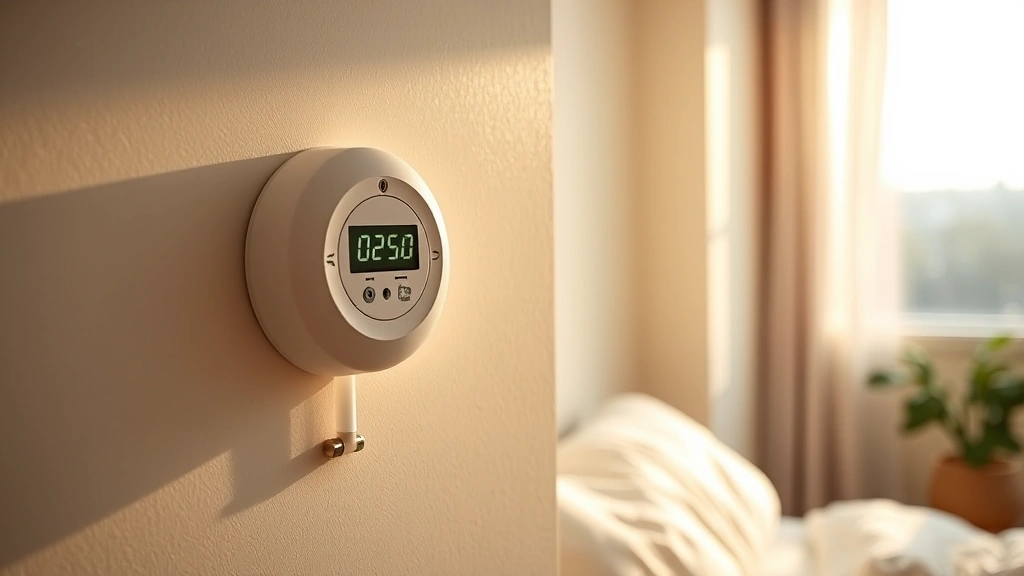
Safety experts consistently recommend several models based on reliability, accuracy, and user-friendly features. The First Alert CO400 stands out as an affordable carbon monoxide detector with a clear digital display showing CO levels in real-time. Its electrochemical sensor provides dependable detection, and the unit features a low-battery indicator and test button for regular verification.
The Kidde Nighthawk C3010-D combines carbon monoxide detection with an integrated alarm system and digital display. Its dual-sensor technology ensures accurate readings while minimizing false alarms. Many homeowners appreciate its battery backup feature, which maintains functionality during power outages—a critical consideration since CO hazards don’t pause when electricity fails.
For natural gas protection, the GasBuddy GB-BLE offers smartphone connectivity, allowing remote monitoring of gas levels through a mobile app. This innovative approach to green technology innovations represents how safety equipment continues evolving with smart home integration.
The Eve Smoke (HomeKit) detector, while primarily a smoke detector, includes some natural gas detection capabilities and integrates seamlessly with Apple HomeKit ecosystems. For tech-savvy homeowners seeking unified smart home safety, this option merits consideration.
Professional installers frequently recommend the Honeywell Home XC70 for comprehensive household protection. This combination unit detects both carbon monoxide and natural gas, featuring a voice alert system that announces which gas was detected—invaluable information during emergencies.
Essential Features to Consider
When evaluating gas detectors, several critical features distinguish reliable units from mediocre options.
Display Types vary between simple LED lights and comprehensive digital displays. Digital displays showing actual gas concentrations (in ppm) provide superior information compared to basic on/off indicators. This data helps you understand whether levels are rising gradually or spiking suddenly, informing whether immediate evacuation is necessary or if you can safely investigate the source.
Alarm Thresholds should comply with industry standards established by the Consumer Product Safety Commission (CPSC) and the National Fire Protection Association (NFPA). Carbon monoxide alarms must trigger at specific concentration levels: 70 ppm for 60 minutes, 35 ppm for 120 minutes, or 1200 ppm for 3 minutes. Units that alarm too easily create false alarms reducing user trust; units that alarm too late fail their protective function.
Battery Backup and Power Supply options include hardwired units with battery backup, battery-only operated detectors, and plug-in models with backup batteries. Hardwired detectors with backup provide maximum reliability since they don’t depend on battery replacement schedules. However, battery-operated units offer flexibility for renters or homes without nearby electrical outlets.
Smart Home Integration represents an increasingly important feature for modern households. WiFi-enabled detectors send alerts to smartphones, enabling notification even when you’re away from home. Some systems integrate with voice assistants like Alexa or Google Home, announcing gas detection events audibly throughout your home.
Sensor Technology differs between models. Electrochemical sensors excel at CO detection but have limited lifespan (typically 5-7 years). Semiconductor sensors work well for natural gas but are more sensitive to humidity and temperature fluctuations. Catalytic bead sensors provide reliable natural gas detection but require regular maintenance.
Response Time measures how quickly detectors identify hazardous gas concentrations. Premium units respond within minutes; budget models may require longer exposure periods before alarming. For carbon monoxide specifically, faster detection can prevent serious health consequences.
Installation and Placement Guidelines
Proper installation dramatically affects detector effectiveness. Following EPA carbon monoxide safety guidelines, place detectors on every level of your home, particularly near sleeping areas and fuel-burning appliances.
Optimal Placement Strategies depend on the gas type. Carbon monoxide detectors should mount on walls 4-6 feet above the floor in bedrooms and living areas, positioning them at breathing height when you’re sleeping or sitting. Some experts recommend wall-mounted units near potential CO sources like furnaces or water heaters. However, avoid placing detectors directly adjacent to these appliances—locate them 5-15 feet away to allow gas to disperse naturally.
Natural gas detectors require different positioning since methane rises. Place natural gas detectors near potential sources like kitchen stoves and furnaces, mounting them higher on walls or ceilings where gas accumulates. Conversely, propane detectors should mount low since propane is heavier than air and sinks toward floors and basements.
Avoid Poor Placement Locations that compromise detector function. Never install detectors in kitchens near cooking appliances, as steam and cooking byproducts trigger false alarms. Avoid bathrooms with high humidity, laundry rooms with chemical fumes, or garages with car exhaust exposure. Don’t place detectors near windows or doors with drafts, which disperse gases before detection occurs. Similarly, avoid dead-air spaces like corners where stagnant air prevents gas circulation to sensors.
Installation Process for hardwired units requires hiring licensed electricians in most jurisdictions. Battery-operated detectors simply require mounting on walls using provided hardware and inserting batteries. Test all detectors immediately after installation using the test button to verify functionality.
Maintenance and Testing Protocols
Gas detectors require regular maintenance to ensure continued reliable operation. This responsibility is as important as maintaining your home’s sustainable energy solutions for long-term household efficiency.
Monthly Testing should become routine. Press the test button on each detector, which triggers the alarm to verify functionality. Document these tests in a home maintenance log. If a detector fails to alarm during testing, replace batteries immediately if battery-operated, or contact an electrician if hardwired.
Battery Replacement Schedule requires attention even for hardwired units with battery backup. Replace backup batteries annually, preferably during daylight saving time transitions when you adjust other household clocks. Battery-only detectors need fresh batteries twice yearly or more frequently depending on usage patterns and detector design.
Sensor Lifespan Considerations vary by technology. Electrochemical CO sensors typically function reliably for 5-7 years before degrading. Many modern detectors include end-of-life indicators that alert you when sensors require replacement. Rather than replacing entire units, some models allow sensor cartridge replacement, reducing waste and environmental impact—an important consideration for eco-conscious homeowners.
Cleaning and Maintenance extends detector lifespan. Gently vacuum around detector grilles monthly to remove dust accumulation that blocks sensor access to ambient air. Avoid spraying cleaning products directly on detectors; instead, use a soft cloth with mild cleaning solution on surrounding areas.
Record Keeping helps track detector age and maintenance history. Note installation dates, battery replacement dates, and any alarm events. This documentation proves valuable if you need to verify detector compliance during home sales or insurance claims.
Gas Safety and Home Health Integration
Comprehensive home safety encompasses gas detection as one component of broader household health protection. Integrating gas safety with other environmental monitoring and reducing your environmental footprint creates holistic home wellness strategies.
Indoor Air Quality Management extends beyond gas detection to address overall air safety. Consider supplementing gas detectors with air quality monitors that measure particulate matter, volatile organic compounds, and humidity levels. Poor indoor air quality contributes to respiratory issues, allergies, and long-term health complications. Gas detectors address acute hazards while air quality monitoring prevents chronic exposure problems.
Ventilation System Optimization works synergistically with gas detection. Ensure your home has adequate ventilation in kitchens (range hoods), bathrooms (exhaust fans), and laundry areas. Proper ventilation dilutes any gas leaks before dangerous concentrations develop, providing a secondary safety layer alongside electronic detection.
Fuel-Burning Appliance Maintenance prevents gas hazards from developing initially. Schedule annual inspections of furnaces, water heaters, and fireplaces by qualified technicians. These professionals identify deteriorating seals, cracked heat exchangers, and blocked vents before they create dangerous gas leaks. This preventative approach aligns with sustainable home management principles by optimizing appliance efficiency while ensuring safety.
Emergency Preparedness Planning ensures household members understand how to respond when gas detectors alarm. Establish a family evacuation plan that designates a safe meeting location outside your home. Practice the plan quarterly. Teach children to recognize alarm sounds and understand that they must leave the house immediately without stopping to gather belongings. Post emergency contact numbers and local utility company gas leak reporting numbers near your detectors.
Professional Assessment Services provide comprehensive home safety evaluations. Many fire departments and utility companies offer free or low-cost home safety inspections identifying gas hazards, improper appliance venting, and detector placement issues. These professional evaluations complement your own maintenance efforts.
FAQ
How often should I replace my gas detector?
Electrochemical carbon monoxide detectors typically last 5-7 years before sensors degrade. Check your unit’s manual for manufacturer recommendations. Many modern detectors include end-of-life alerts notifying you when replacement is necessary. Rather than waiting for failure, replace detectors at the recommended interval to ensure continuous protection.
Can I use one detector for both carbon monoxide and natural gas?
Yes, combination detectors monitor both gases simultaneously. However, ensure the unit you select is specifically rated for both gas types. Not all dual-detection units perform equally well at detecting both gases. Review specifications carefully and verify that alarm thresholds meet industry standards for each gas type.
What should I do if my gas detector alarms?
If your detector alarms, immediately evacuate your home and move to fresh outdoor air. Don’t re-enter to investigate or shut off appliances. Call your gas utility’s emergency line from outside your home. Provide them with your address and let them assess the situation. For carbon monoxide alarms, also contact emergency services. Never ignore detector alarms assuming they’re false—treat all alarms as genuine emergencies.
Are wireless gas detectors reliable?
Modern wireless detectors with WiFi connectivity are reliable when manufactured by reputable companies meeting safety standards. However, wireless functionality requires stable internet connections and regular battery maintenance. Hardwired detectors with battery backup provide more consistent reliability since they don’t depend on wireless signal strength. Choose wireless models primarily for convenience features like smartphone alerts rather than expecting improved detection reliability.
Can I install hardwired gas detectors myself?
Most jurisdictions require licensed electricians to install hardwired detectors due to electrical safety codes. Improper installation creates electrocution hazards and may violate building codes. Battery-operated detectors can typically be installed by homeowners following manufacturer instructions. Check your local building department requirements before attempting any electrical work.
Why do gas detectors sometimes alarm when no gas is present?
False alarms typically result from detector placement in kitchens with cooking steam, bathrooms with humidity, or near cleaning products. Some detectors alarm during initial installation as sensors calibrate. Verify proper placement away from moisture and chemical sources. If false alarms persist, the sensor may be degrading and require replacement. Document false alarm patterns to identify whether placement adjustment resolves the issue.


