Are Gas Dirt Bikes Eco-Friendly? Expert Insights on Environmental Impact
Gas-powered dirt bikes have long been a staple of off-road recreation, offering thrilling performance and accessibility to riders of all skill levels. However, as environmental awareness grows and climate concerns intensify, many enthusiasts are asking critical questions about their ecological footprint. The answer is nuanced: while gas dirt bikes provide recreational value, they present significant environmental challenges that deserve serious consideration. Understanding these impacts is essential for riders who want to make informed decisions about their recreational choices and explore more sustainable alternatives.
The environmental conversation around gas dirt bikes extends beyond simple emissions data. These machines consume fossil fuels, generate air and noise pollution, and can contribute to soil degradation and habitat disruption when used irresponsibly. Yet the industry continues evolving, with manufacturers implementing cleaner technologies and riders increasingly exploring electric vehicle alternatives that promise reduced environmental impact. This comprehensive guide examines the ecological reality of gas dirt bikes, explores their carbon footprint, and investigates whether sustainable riding practices or electric alternatives represent the future of off-road recreation.

Environmental Impact of Gas Dirt Bikes
Gas-powered dirt bikes represent a complex environmental challenge that deserves examination from multiple angles. These machines, powered by small internal combustion engines typically ranging from 50cc to 450cc, burn fossil fuels and release pollutants directly into the atmosphere. The environmental impact extends far beyond what many casual riders consider, affecting air quality, water systems, soil composition, and wildlife habitats across recreational areas.
The fundamental issue stems from the combustion process itself. When gasoline burns in a two-stroke or four-stroke engine, it produces carbon dioxide, carbon monoxide, nitrogen oxides, and volatile organic compounds. For off-road enthusiasts who spend hours riding in natural environments, the cumulative effect of these emissions contributes meaningfully to local and regional air quality degradation. Additionally, the production, transportation, and refinement of gasoline create upstream environmental costs that many riders never fully consider when purchasing fuel.
Understanding the complete lifecycle of gas dirt bikes requires examining manufacturing impacts, fuel sourcing, operational emissions, and end-of-life disposal. Many manufacturers now acknowledge these concerns and are working toward cleaner technologies, though progress varies significantly across the industry. The question isn’t whether gas dirt bikes have environmental impacts—they clearly do—but rather whether riders can minimize those impacts and whether alternatives exist that provide comparable recreational value with reduced ecological consequences.
For those interested in broader environmental topics, exploring what sustainability means provides essential context for evaluating recreational choices. Additionally, learning about sustainable energy solutions helps riders understand cleaner alternatives emerging in the off-road recreation sector.
Emissions and Air Quality Concerns
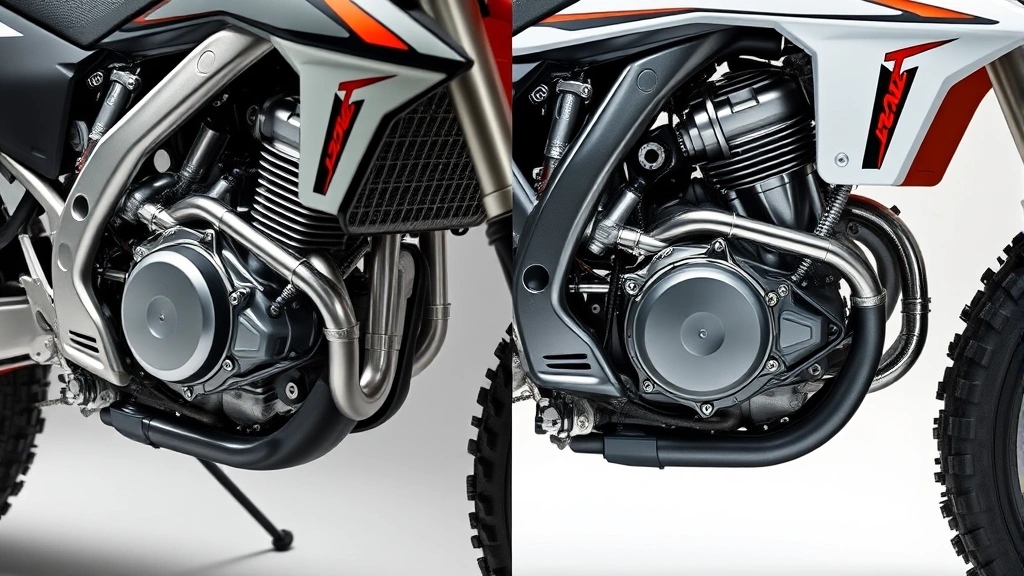
The emissions profile of gas dirt bikes presents one of the most significant environmental concerns for both individual riders and communities hosting popular riding areas. Small engines like those found in dirt bikes operate less efficiently than automobile engines and often lack the advanced emission control systems required in modern cars. This inefficiency means that gas dirt bikes emit substantially higher levels of pollutants per unit of fuel consumed compared to regulated vehicles.
Key emissions from gas dirt bikes include:
- Carbon Dioxide (CO2): The primary greenhouse gas contributing to climate change, produced by any combustion of fossil fuels
- Carbon Monoxide (CO): A toxic gas that reduces oxygen delivery to organs and affects air quality in enclosed or poorly ventilated areas
- Nitrogen Oxides (NOx): Contributors to ground-level ozone formation and acid rain, harmful to respiratory systems
- Particulate Matter (PM): Fine particles that penetrate deep into lungs, causing respiratory and cardiovascular problems
- Volatile Organic Compounds (VOCs): Chemicals that react with sunlight to form smog and contribute to air quality degradation
Two-stroke engines, commonly used in smaller dirt bikes and motocross machines, are particularly problematic from an emissions standpoint. These engines burn oil mixed with fuel for lubrication, meaning oil combustion contributes additional pollutants beyond those from gasoline alone. Research from the EPA’s combustion emissions database demonstrates that small off-road engines collectively produce significant air pollution despite their individual size.
In regions with popular dirt biking communities, air quality monitoring stations have documented elevated pollution levels during peak riding seasons. Children, elderly individuals, and people with respiratory conditions face particular health risks from this pollution. Communities near major off-road recreation areas have increasingly advocated for stricter regulations and emission standards for recreational vehicles, recognizing that cumulative environmental impacts affect public health.
The good news is that newer four-stroke engines produce fewer emissions than older two-stroke models, and manufacturers continue implementing catalytic converters and improved fuel injection systems. However, these technologies remain inconsistently applied across the industry, and many older bikes still in use lack modern emission controls entirely.
Noise Pollution and Habitat Disruption
Beyond chemical emissions, gas dirt bikes create substantial noise pollution that degrades environmental quality and disrupts wildlife across vast areas. A single dirt bike can produce noise levels exceeding 90-100 decibels, comparable to a lawn mower or power drill. When dozens or hundreds of riders congregate at popular spots, cumulative noise levels create soundscapes that wildlife cannot tolerate, forcing animals to abandon habitats or experience chronic stress affecting reproduction and survival.
Noise pollution from recreational vehicles affects multiple species across diverse ecosystems. Birds alter nesting sites and feeding patterns to avoid noisy areas, reducing breeding success and population stability. Mammals including deer, elk, and smaller creatures experience stress responses that increase metabolic demands and reduce fitness. Aquatic organisms in streams and ponds near riding areas show behavioral changes and reduced reproductive success when exposed to engine noise.
The habitat disruption extends beyond noise alone. Off-road riding on natural terrain damages vegetation, compacts soil, and increases erosion that degrades water quality and destabilizes landscapes. Repeated riding on the same trails creates deep ruts that redirect water flow, causing gully formation and accelerated erosion. These physical impacts can persist for years or decades, particularly in sensitive ecosystems like wetlands, riparian zones, and alpine areas.
Responsible riding practices and designated trail systems help minimize these impacts, but they require active management and rider education. Many popular riding areas now implement trail maintenance programs and seasonal closures to allow habitat recovery. However, enforcement remains challenging, and irresponsible riders frequently access closed areas or create new trails that cause additional damage.
Understanding how to reduce your environmental footprint applies directly to recreational choices, including where and how often you ride, and whether you support trail stewardship initiatives.
Carbon Footprint Analysis
Calculating the complete carbon footprint of gas dirt bikes requires examining multiple lifecycle stages, from manufacturing through disposal. This comprehensive analysis reveals that environmental costs extend far beyond the emissions produced during riding.
Manufacturing and Production: Creating a single dirt bike requires extracting raw materials, manufacturing components, and assembling the final product. Steel, aluminum, plastic, and rubber production all generate significant carbon emissions. A typical dirt bike manufacturing process produces approximately 2-3 tons of CO2 equivalent, though this varies based on production location and manufacturing efficiency.
Fuel Production and Transportation: Extracting crude oil, refining gasoline, and transporting fuel to distribution points generate substantial emissions. The energy-intensive refining process adds approximately 0.5-1 kg of CO2 per liter of gasoline produced. For a rider consuming 100 liters of fuel annually, this represents 50-100 kg of upstream emissions before the fuel even enters the engine.
Operational Emissions: A typical gas dirt bike consumes fuel at rates varying from 2-4 liters per hour of riding, depending on engine size, riding style, and terrain. A recreational rider spending 100 hours annually on their bike might consume 200-400 liters of fuel, producing 500-1,000 kg of CO2 directly from combustion. Add the upstream emissions from fuel production, and annual operational carbon footprint reaches 600-1,200 kg CO2 equivalent.
End-of-Life Impacts: Recycling or disposing of a dirt bike at the end of its useful life generates additional environmental costs. Metal recycling recovers much of the material value, but plastic and rubber components often end up in landfills. Proper recycling and waste management add costs and environmental considerations that many riders never account for.
Comparing this to other recreational activities provides context. A typical gasoline-powered automobile produces 200-300 grams of CO2 per kilometer driven. A dirt bike might produce 500+ grams per kilometer due to engine inefficiency, meaning recreational riding generates relatively high emissions per unit of enjoyment. This reality has spurred growing interest in green technology innovations transforming recreation and offering cleaner alternatives.
Sustainable Riding Practices
While gas dirt bikes inherently produce environmental impacts, riders can implement sustainable practices that meaningfully reduce their ecological footprint. These approaches don’t eliminate environmental concerns but demonstrate commitment to responsible recreation and minimize unnecessary harm.
Responsible Trail Use: Staying on designated trails prevents habitat destruction and erosion caused by creating new paths through sensitive areas. Established trails concentrate impacts rather than spreading them across broader landscapes, allowing undisturbed areas to support wildlife and vegetation. Riders should research trail conditions, respect seasonal closures designed to protect nesting birds or vulnerable plants, and participate in trail maintenance when possible.
Reduce Riding Frequency: The most direct way to minimize environmental impact is riding less frequently. Dedicating specific days to off-road recreation rather than casual riding reduces fuel consumption and cumulative environmental damage. Many passionate riders find that concentrated riding sessions provide more enjoyment than scattered casual use, making this practice beneficial for both environment and rider satisfaction.
Maintain Your Equipment: Properly maintained engines run more efficiently and produce fewer emissions. Regular maintenance including air filter cleaning, spark plug replacement, carburetor tuning, and timing adjustments ensures your bike operates at peak efficiency. Well-maintained machines also require less fuel to achieve the same performance, directly reducing your carbon footprint.
Choose Four-Stroke Engines: When purchasing a new dirt bike, selecting a four-stroke model over a two-stroke significantly reduces emissions. Four-stroke engines produce 30-50% fewer emissions than comparable two-stroke models while offering better fuel economy and lower noise levels. The slightly higher purchase price is offset by lower fuel costs and reduced environmental impact over the bike’s lifetime.
Support Environmental Organizations: Many recreational areas depend on volunteer organizations and non-profit groups that manage trails, restore habitats, and advocate for sustainable recreation policies. Supporting these organizations through donations, volunteer work, or membership demonstrates commitment to environmental stewardship and helps ensure that recreational areas remain viable for future generations.
Advocate for Cleaner Standards: Riders can push manufacturers and regulatory agencies to implement stricter emission standards for recreational vehicles. Supporting policies that require catalytic converters, advanced fuel injection, and other emissions-reducing technologies accelerates the transition toward cleaner off-road recreation.
Electric Dirt Bike Alternatives
The emergence of electric dirt bikes represents the most promising path toward genuinely eco-friendly off-road recreation. Modern electric models offer comparable performance to gas bikes while virtually eliminating operational emissions and reducing noise pollution significantly. Understanding these alternatives helps riders make informed choices about their environmental impact.
Performance and Capability: Electric dirt bikes have evolved dramatically over the past decade. Modern models deliver impressive acceleration, hill-climbing ability, and top speeds comparable to mid-range gas bikes. Battery technology improvements mean riders can enjoy 1-3 hours of continuous riding on a single charge, sufficient for most recreational sessions. Brands like Zero Motorcycles, KTM, and emerging manufacturers have proven that electric powertrains can deliver genuine off-road performance.
Environmental Benefits: Electric bikes produce zero operational emissions, eliminating tailpipe pollutants entirely. Noise levels drop to 60-75 decibels, roughly comparable to normal conversation, allowing riders to enjoy nature without disturbing wildlife or neighboring communities. This dramatic noise reduction alone represents a major environmental advantage, particularly in sensitive ecosystems and residential areas near riding zones.
Lifecycle Carbon Footprint: While manufacturing an electric bike produces similar emissions to gas bikes, the operational advantage quickly compensates. An electric dirt bike charged using grid electricity produces 50-70% fewer lifetime emissions than a gas equivalent. When charged using renewable energy sources, the carbon footprint becomes negligible. Over a bike’s 10-year lifespan, this represents thousands of kilograms of CO2 prevented.
Charging Infrastructure and Practicality: The primary challenge for electric bikes remains charging infrastructure in remote riding areas. Most riders charge bikes at home using standard electrical outlets, which takes 4-8 hours depending on battery capacity and charger type. Rapid charging stations are becoming more common, though availability remains limited in rural areas. For weekend warriors riding near home, this limitation is minimal, but riders seeking extended backcountry adventures may find current battery technology constraining.
Cost Considerations: Electric dirt bikes currently cost 20-40% more than comparable gas models, representing a significant investment barrier for many riders. However, operating costs are dramatically lower—electricity costs approximately 1/10th the price of gasoline per mile ridden, and electric bikes require minimal maintenance since they lack oil, spark plugs, and complex transmissions. Over a bike’s lifetime, total cost of ownership may actually favor electric models despite higher initial purchase prices.
Exploring advantages of electric vehicles provides broader context for understanding why electric alternatives represent the future of recreational transportation, including off-road bikes.
Industry Standards and Regulations
Government regulations and industry standards play crucial roles in determining whether gas dirt bikes become cleaner or whether the shift toward electric models accelerates. Understanding the regulatory landscape helps riders appreciate both current environmental protections and areas where standards remain inadequate.
EPA Emissions Standards: The U.S. Environmental Protection Agency regulates small off-road engines through Tier standards that establish maximum allowable emissions. Current Tier 4 standards require significant emissions reductions compared to older regulations, but the standards remain less stringent than requirements for automobiles. The EPA’s small spark ignition engine regulations continue evolving, with discussions ongoing about further tightening requirements for off-road recreational vehicles.
International Standards: The European Union has implemented stricter emissions standards for recreational vehicles through Euro standards, which exceed U.S. requirements in many cases. These regulations have driven manufacturers to develop cleaner technologies, with benefits eventually reaching North American markets as companies standardize production. Comparing U.S. and European regulatory approaches reveals that more aggressive standards can drive meaningful environmental improvements without eliminating recreational opportunities.
California’s Leadership: California’s Air Resources Board (CARB) has established particularly stringent standards for recreational vehicles, recognizing air quality concerns in populated areas. These regulations often exceed federal EPA standards and frequently drive national trends as manufacturers find it efficient to produce vehicles meeting California standards for all markets. CARB’s emphasis on cleaner recreational vehicles has accelerated development of catalytic converters and advanced fuel injection systems.
Noise Regulations: Many jurisdictions implement noise ordinances limiting recreational vehicle sound output. These regulations typically range from 82-96 decibels, depending on location and time of day. Some sensitive areas near residential communities or protected wildlife habitat enforce stricter limits. Noise regulations have spurred development of quieter engines and aftermarket silencers that reduce environmental disturbance.
Trail-Specific Requirements: Individual riding areas often establish their own requirements, including mandatory spark arrestors to prevent wildfires, emissions certifications, and seasonal restrictions. These localized regulations reflect specific environmental concerns and community values, creating a patchwork of requirements that riders must navigate. Supporting consistent, science-based standards across jurisdictions would create clearer expectations and drive broader industry improvements.
The regulatory trend clearly moves toward stricter environmental requirements, which accelerates the transition toward electric alternatives and cleaner gas technologies. Riders who stay informed about evolving standards can anticipate changes and make purchase decisions aligned with environmental trajectories.
FAQ
Are gas dirt bikes bad for the environment?
Gas dirt bikes produce significant environmental impacts including air emissions, noise pollution, habitat disruption, and carbon footprint contributions. While individual bikes may seem insignificant, the collective impact of recreational riding communities affects air quality, wildlife, and climate. However, implementing sustainable practices and supporting technological improvements can meaningfully reduce these impacts.
How do electric dirt bikes compare environmentally to gas models?
Electric dirt bikes produce zero operational emissions and generate minimal noise, offering dramatic environmental advantages over gas models. Considering their full lifecycle, electric bikes produce 50-70% fewer emissions than gas equivalents, and this advantage increases as electricity grids incorporate more renewable energy. Battery technology and charging infrastructure continue improving, making electric bikes increasingly practical for recreational riders.
Can I reduce my gas dirt bike’s environmental impact?
Yes, several practices meaningfully reduce environmental harm from gas dirt bikes. Maintaining equipment properly, riding less frequently, staying on designated trails, choosing four-stroke engines, and supporting trail stewardship initiatives all minimize your ecological footprint. While these practices don’t eliminate environmental concerns, they demonstrate environmental commitment and reduce unnecessary harm.
What regulations apply to gas dirt bikes?
The EPA establishes federal emissions standards for small off-road engines, while individual states like California implement additional requirements. Many jurisdictions also enforce noise ordinances and require safety equipment like spark arrestors. Specific riding areas may have additional restrictions. Riders should research local regulations and support standards that drive environmental improvements.
Are electric dirt bikes practical for serious riders?
Modern electric dirt bikes deliver impressive performance and 1-3 hours of riding on a single charge, suitable for most recreational sessions. High-performance electric models rival gas bikes in acceleration and capability. The primary limitations are charging infrastructure in remote areas and higher initial purchase costs, though operating costs are dramatically lower. For riders primarily using bikes in accessible areas, electric models are highly practical.
Should I switch to an electric dirt bike?
Whether switching to electric makes sense depends on your riding style, budget, and environmental priorities. If you ride frequently near charging infrastructure, an electric bike offers significant environmental benefits and lower long-term costs. If you undertake extended backcountry adventures or have limited budget for initial purchase, a well-maintained modern gas bike with sustainable riding practices represents a reasonable interim choice while technology and infrastructure continue improving.