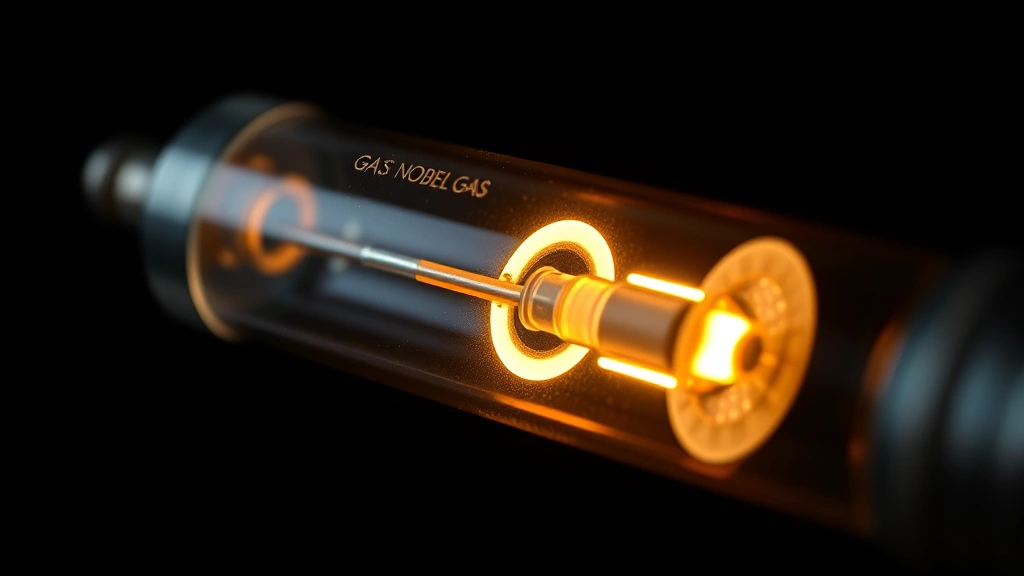
Gas Discharge Tubes: A Sustainability Perspective
Gas discharge tubes represent a critical yet often overlooked component in modern electronics and industrial applications. These vacuum or gas-filled tubes conduct electricity through ionized gas, serving essential functions in surge protection, voltage regulation, and signal processing across countless devices. From household appliances to telecommunications infrastructure, gas discharge tubes quietly protect our electrical systems while consuming minimal energy themselves. Yet their sustainability impact extends far beyond their compact physical footprint, touching on manufacturing processes, recycling potential, and the broader electronics ecosystem.
Understanding the sustainability implications of gas discharge tubes requires examining their lifecycle—from raw material extraction through manufacturing, deployment, and eventual disposal. As global demand for electronics intensifies and environmental consciousness grows, manufacturers and consumers alike must grapple with how these fundamental components align with circular economy principles and climate goals. This comprehensive guide explores the environmental dimensions of gas discharge tube technology, their role in protecting increasingly critical infrastructure, and actionable steps toward more sustainable practices in this essential industry.
What Are Gas Discharge Tubes and How Do They Work
A gas discharge tube is an electrical component containing a gas-filled chamber—typically filled with argon, neon, xenon, or other noble gases—that conducts electricity when voltage exceeds a specific threshold. These tubes function as surge suppressors and voltage regulators, protecting sensitive electronic equipment from transient overvoltage events that could cause catastrophic damage. When excessive voltage appears across the tube’s electrodes, the gas ionizes almost instantaneously, creating a conductive path that safely diverts dangerous electrical surges to ground.
The operational principle behind gas discharge tubes makes them invaluable for protecting everything from telecommunications networks to residential electrical systems. Unlike semiconductor-based alternatives, these tubes operate passively without requiring external power sources or complex control circuitry. This passive operation translates directly to reduced energy consumption and simplified system design. The surge protection capabilities of gas detection and protection systems demonstrate how this technology integrates into broader home safety infrastructure. Their reliability under extreme conditions and minimal maintenance requirements position gas discharge tubes as remarkably durable solutions within the electronics landscape.
Traditional gas discharge tubes have served critical roles in protecting telephone lines, power distribution systems, and data transmission infrastructure for decades. Modern variants have evolved to handle increasingly sophisticated applications, from protecting sensitive computer networks to safeguarding renewable energy installations. The fundamental technology remains elegant in its simplicity—no moving parts, no complex electronics, just pure physics protecting our connected world.
Manufacturing Impact and Resource Consumption
The manufacturing process for gas discharge tubes involves several stages that merit environmental scrutiny. Production begins with sourcing raw materials: specialized glass or ceramic tubes, metal electrodes (typically tungsten or molybdenum), and noble gases. The extraction and processing of these materials carry environmental costs that sustainability-focused manufacturers actively work to minimize. Glass production, while relatively benign compared to semiconductor manufacturing, still demands significant thermal energy. High-purity noble gases require energy-intensive separation processes from atmospheric air.
Manufacturing facilities must maintain strict vacuum conditions and controlled atmospheres during tube assembly, requiring specialized equipment and energy inputs. However, compared to semiconductor fabrication plants that demand ultrapure water supplies and exotic chemical processes, gas discharge tube manufacturing remains relatively low-impact. The actual production footprint per unit is minimal, and manufacturing yields are typically high, reducing waste throughout the production cycle. Quality control processes are straightforward, relying on electrical testing rather than complex chemical analysis.
Water consumption during gas discharge tube manufacturing is significantly lower than in semiconductor or photovoltaic production. Most water usage occurs in cooling systems and basic cleaning processes. Manufacturers pursuing environmental excellence have implemented closed-loop water recycling systems, substantially reducing freshwater consumption. The noble gases used in these tubes are non-toxic and don’t contribute to atmospheric pollution when properly contained during manufacturing and disposal.
A critical sustainability advantage emerges when examining manufacturing complexity and energy intensity per protected device. A single sustainable energy solution incorporating gas discharge tube protection might safeguard thousands of watts of electrical equipment from damage. The energy invested in manufacturing one protection component yields dividends across entire systems throughout its operational lifetime. This favorable energy return ratio positions gas discharge tubes as efficient investments in infrastructure protection.

Energy Efficiency in Discharge Tube Operations
One of the most compelling sustainability attributes of gas discharge tubes is their passive operational mode. Unlike active circuit protection systems requiring constant power consumption, gas discharge tubes operate without drawing current during normal conditions. They activate only when dangerous surge events occur, immediately clamping voltage and then returning to their quiescent state. This on-demand protection mechanism means zero parasitic power consumption during regular operation—a significant advantage in systems managing energy efficiency carefully.
The energy efficiency benefits multiply across large-scale applications. Consider telecommunications networks protecting millions of connection points, or electrical grids incorporating surge protection at substations and distribution nodes. Multiplied across these massive infrastructures, the elimination of parasitic power consumption represents substantial energy savings annually. Modern power management systems increasingly emphasize reducing standby consumption and phantom loads; gas discharge tubes align perfectly with these efficiency goals by remaining completely dormant until needed.
Temperature stability during operation further enhances energy efficiency. Gas discharge tubes maintain relatively constant operating temperatures across their rated voltage ranges, avoiding thermal runaway conditions that plague some alternative protection technologies. This stable thermal profile reduces cooling requirements in densely-packed equipment cabinets and data centers. The passive nature of these devices means no heat generation during normal operation, contributing to overall system cooling efficiency.
When examining the broader context of sustainable transportation and energy systems, the role of reliable surge protection becomes increasingly critical. Electric vehicle charging infrastructure, renewable energy installations, and smart grid systems all depend on robust protection mechanisms. Gas discharge tubes provide this protection without degrading the energy efficiency metrics that make these systems environmentally valuable.
Sustainability Certifications and Standards
Leading manufacturers of gas discharge tubes pursue formal sustainability certifications demonstrating commitment to environmental responsibility throughout their operations. ISO 14001 environmental management certification represents a foundational standard, requiring organizations to establish systematic approaches to minimizing environmental impact across all business activities. Certified manufacturers implement pollution prevention programs, waste reduction initiatives, and continuous improvement processes specifically targeting environmental performance.
The RoHS (Restriction of Hazardous Substances) directive, while primarily focused on limiting toxic materials in electronics, also influences gas discharge tube design and manufacturing. Compliance with RoHS requirements ensures that these components don’t introduce lead, mercury, cadmium, or other hazardous substances into the waste stream. Most modern gas discharge tubes are fully RoHS compliant, reflecting the industry’s broader shift toward safer material choices.
REACH (Registration, Evaluation, Authorization and Restriction of Chemicals) compliance further protects environmental and human health by restricting substances of very high concern. Manufacturers demonstrating REACH compliance have thoroughly evaluated their material choices and manufacturing processes, ensuring they don’t introduce problematic chemicals. This regulatory framework drives continuous improvement in material science and manufacturing practices across the gas discharge tube industry.
Energy Star certification, while more commonly associated with energy-consuming devices, has influenced how manufacturers present the efficiency benefits of passive protection components. By highlighting the energy savings achieved through reliable surge protection preventing equipment damage, manufacturers connect gas discharge tube technology to broader energy efficiency narratives. Organizations seeking to reduce their environmental footprint recognize that investing in quality surge protection prevents the far greater environmental costs associated with replacing damaged equipment.
Recycling and End-of-Life Management
The end-of-life management of gas discharge tubes presents both challenges and opportunities within circular economy frameworks. These components contain materials with genuine recyclable value—copper or other conductive metals in electrodes, glass or ceramic tubes, and noble gases that can be recovered and reused. The challenge lies in establishing collection and processing infrastructure capable of handling these specialized components at scale.
Glass and ceramic materials from discharged tubes can be processed through standard glass recycling streams, though the presence of residual gases requires careful handling to prevent environmental release. Responsible recyclers employ degassing procedures that safely vent or capture noble gases before processing the structural materials. The metal electrodes separate easily from glass or ceramic bodies, allowing direct reuse in metal recycling streams. These materials retain their fundamental value indefinitely, supporting true circular economy principles.
Noble gases recovered from used tubes represent significant material value. Argon, neon, and xenon are expensive industrial gases produced through energy-intensive air separation processes. Recovering these gases from end-of-life components reduces the need for new production, directly lowering manufacturing energy consumption and environmental impact. Specialized recycling facilities equipped to capture and purify recovered gases are emerging as critical infrastructure for sustainable electronics management.
Currently, most gas discharge tubes reach end-of-life within larger electronic assemblies—telecommunications equipment, power supplies, industrial controllers. Improving material recovery rates requires better design for disassembly and clearer identification of gas discharge tube components within complex assemblies. Manufacturers increasingly design products facilitating component separation, recognizing that improved recyclability enhances overall sustainability profiles and aligns with emerging extended producer responsibility regulations.

Comparative Analysis with Alternative Technologies
When evaluating the sustainability of gas discharge tubes, comparing them against alternative surge protection and voltage regulation technologies reveals important context. Metal oxide varistors (MOVs) and semiconductor-based protection devices offer different tradeoffs in terms of environmental impact, energy efficiency, and lifecycle sustainability. Each technology presents distinct advantages and limitations worth examining carefully.
MOV-based protection devices rely on ceramic materials and metallic compounds, requiring mineral extraction and processing similar to gas discharge tubes. However, MOVs degrade gradually with repeated surge events, eventually losing protection effectiveness and requiring replacement. This degradation cycle means more frequent replacement cycles and higher lifetime material consumption compared to gas discharge tubes, which maintain consistent performance across their entire operational lifespan. The extended operational lifetime of gas discharge tubes translates directly to reduced material consumption and manufacturing environmental impact when normalized across years of service.
Semiconductor-based protection circuits offer sophisticated voltage regulation capabilities but require constant power consumption for operation. This parasitic power draw accumulates significantly across large installations, potentially offsetting the manufacturing efficiency gains achieved through miniaturization. Additionally, semiconductor manufacturing demands far greater water consumption, chemical inputs, and energy intensity per component compared to gas discharge tube production. The manufacturing footprint of a single advanced protection IC can exceed that of hundreds of gas discharge tubes.
Solid-state surge suppressors like TVS (transient voltage suppression) diodes provide fast response times and compact integration but generate heat during operation, requiring thermal management in high-surge environments. This heat generation increases cooling demands, particularly in data centers and telecommunications facilities where thermal management represents significant operational energy consumption. Gas discharge tubes, operating passively without heat generation during normal conditions, avoid these secondary energy costs.
The comparison extends to reliability and mean time between failures. Gas discharge tubes demonstrate exceptional reliability under extreme conditions, with documented service lives exceeding fifty years in harsh industrial environments. Semiconductor-based alternatives, while increasingly robust, haven’t achieved comparable longevity records. This reliability advantage translates to fewer replacement cycles, reduced manufacturing environmental impact, and lower lifecycle costs—a powerful sustainability argument favoring gas discharge tube deployment in critical applications.
Industrial Applications and Environmental Benefits
Gas discharge tubes protect essential infrastructure supporting the transition toward sustainable energy systems and reduced environmental impact. Telecommunications networks—the nervous system of modern digital society—rely heavily on surge protection from gas discharge tubes to maintain reliability. These networks enable remote work, virtual collaboration, and distributed decision-making, reducing transportation-related environmental impact. Protecting this critical infrastructure through robust surge protection directly supports broader sustainability goals.
Renewable energy installations, particularly solar arrays and wind turbines, increasingly incorporate gas discharge tube protection for their electrical systems. Lightning strikes and grid transients pose constant threats to these installations. Reliable protection prevents catastrophic damage that would sideline renewable generation capacity for extended periods. By maintaining uptime and reliability of clean energy infrastructure, gas discharge tubes contribute meaningfully to environmental sustainability goals despite their indirect role.
Smart grid systems managing electricity distribution with unprecedented sophistication depend on gas discharge tube protection at countless network nodes. These systems optimize energy flow, reduce transmission losses, and facilitate integration of distributed renewable resources. The surge protection enabling this sophisticated infrastructure represents essential support for global decarbonization efforts. Without reliable protection, the sensitive electronics coordinating modern electrical grids would face constant vulnerability to transient events.
Water treatment facilities, wastewater management systems, and environmental monitoring networks all employ gas discharge tube protection in their control and communications systems. These facilities support public health and environmental protection missions that depend on uninterrupted reliable operation. Gas discharge tubes enable this reliability without consuming operational energy, making them ideal components for critical infrastructure serving environmental purposes.
Data centers and cloud computing infrastructure increasingly emphasize energy efficiency and environmental responsibility. Gas discharge tubes protect the sensitive electronics within these facilities from surge damage while contributing zero parasitic power consumption to overall energy budgets. The relationship between reliable infrastructure protection and energy efficiency creates a virtuous cycle where better protection enables more aggressive energy optimization throughout facilities.
Future Innovations in Sustainable Design
The future of gas discharge tube sustainability involves incremental refinements to already-efficient designs alongside broader systemic innovations in how these components integrate into future electronics and infrastructure. Materials science research continues exploring alternatives to conventional noble gases that might offer improved performance characteristics or reduced environmental impact during manufacturing. Helium alternatives for specialized applications represent an active research area, driven by helium supply constraints and cost considerations rather than pure environmental motivations, but yielding sustainability benefits nonetheless.
Manufacturing process innovations promise to reduce energy consumption and waste generation in gas discharge tube production. Advanced vacuum pump technologies requiring less energy, optimized heating profiles reducing thermal demands, and improved quality control reducing defect rates all contribute to incremental sustainability improvements. Manufacturers investing in these process enhancements recognize that operational efficiency translates directly to competitive advantage in markets increasingly valuing environmental responsibility.
Design innovations focusing on improved component integration and miniaturization without sacrificing reliability represent promising directions. Compact gas discharge tube designs protecting increasingly dense electronic assemblies reduce material consumption per protected function. However, this miniaturization must not compromise the exceptional reliability and longevity that represent gas discharge tubes’ strongest sustainability arguments.
Integration with advanced materials and manufacturing techniques offers intriguing possibilities. Some researchers explore combining gas discharge tube technology with novel electrode materials or gas mixtures optimizing performance for specific applications. These innovations promise better protection characteristics with potentially reduced material requirements or improved recyclability. The fundamental passive operational principle ensuring minimal environmental impact during use remains central to all future development directions.
Broader systemic innovations involve improving supply chain transparency and establishing robust reverse logistics networks for end-of-life component recovery. Digital product passports and material identification systems will facilitate better sorting and recycling of gas discharge tubes within complex electronic assemblies. These infrastructure innovations require collaboration across manufacturers, recyclers, and regulators but promise substantial improvements in circular economy outcomes.
Research into enhanced noble gas recovery techniques from used tubes could unlock significant value currently lost in disposal streams. As noble gas prices increase and supply becomes more constrained, investment in recovery technology becomes economically attractive while yielding environmental benefits. This alignment of economic and environmental incentives suggests promising future developments in gas discharge tube recycling infrastructure.
FAQ
Are gas discharge tubes recyclable?
Yes, gas discharge tubes are highly recyclable. The glass or ceramic bodies can be processed through standard glass recycling, metal electrodes enter metal recycling streams, and noble gases can be recovered by specialized recycling facilities. Improving recovery rates requires better design for disassembly and clearer component identification in complex assemblies.
Do gas discharge tubes consume electrical power during normal operation?
No, gas discharge tubes operate completely passively during normal conditions, consuming zero electrical power. They activate only when dangerous voltage surges occur, making them ideal for energy-efficient protection systems. This distinguishes them favorably from active protection circuits requiring constant power consumption.
How long do gas discharge tubes typically last?
Quality gas discharge tubes demonstrate exceptional longevity, with documented service lives exceeding fifty years in harsh industrial environments. Unlike some alternative protection technologies that degrade with repeated surge events, gas discharge tubes maintain consistent performance throughout their operational lifetime.
What materials are used in gas discharge tube manufacturing?
Gas discharge tubes contain specialized glass or ceramic tubes, metal electrodes (typically tungsten or molybdenum), and noble gases (argon, neon, or xenon). These materials are relatively benign compared to semiconductor manufacturing, though proper waste handling during manufacturing and disposal remains important.
How do gas discharge tubes compare environmentally to semiconductor surge protection?
Gas discharge tubes offer significant advantages: zero parasitic power consumption, lower manufacturing complexity and energy intensity, exceptional reliability reducing replacement cycles, and no heat generation during operation. Semiconductor alternatives require more energy-intensive manufacturing and constant power consumption, though they offer faster response times and compact integration.
What sustainability certifications should I look for in gas discharge tube manufacturers?
Look for ISO 14001 environmental management certification, RoHS and REACH compliance, and manufacturers demonstrating commitment to waste reduction and energy efficiency in their operations. These certifications indicate systematic approaches to environmental responsibility throughout manufacturing and product lifecycle.
Can gas discharge tubes protect renewable energy installations?
Absolutely. Solar arrays, wind turbines, and other renewable installations benefit greatly from gas discharge tube protection against lightning strikes and grid transients. Reliable protection maintains uptime and prevents catastrophic damage to clean energy infrastructure, directly supporting environmental sustainability goals.
What is the role of gas discharge tubes in modern smart grids?
Gas discharge tubes protect sensitive electronics throughout smart grid systems at distribution nodes and network interfaces. These systems optimize energy flow and facilitate renewable energy integration. The reliable protection enabling sophisticated grid management supports global decarbonization efforts while consuming zero operational energy.


