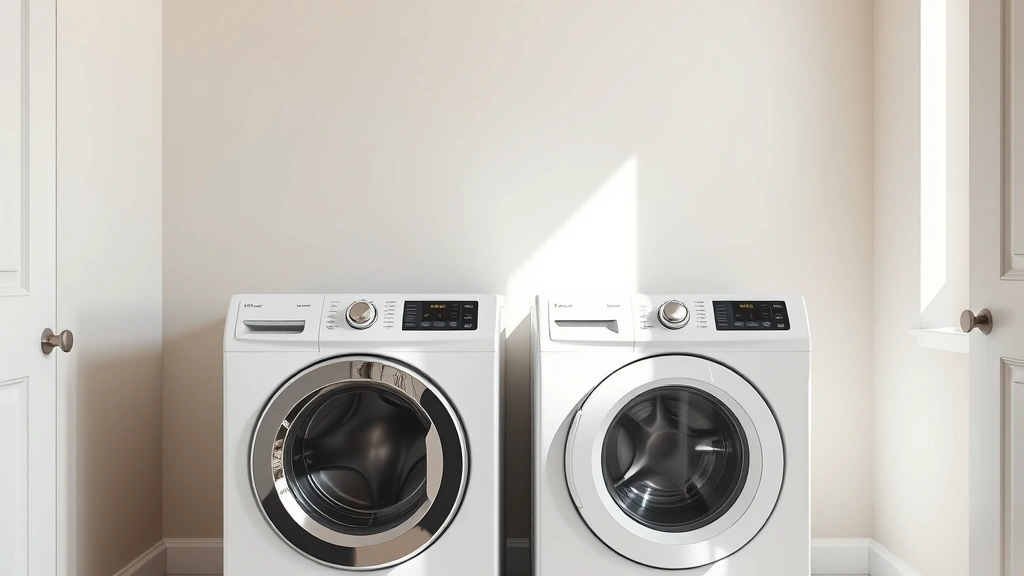
Gas vs Electric Dryer: Which is Greener? A Comprehensive Sustainability Analysis
When it comes to laundry appliances, the choice between a gas dryer versus an electric dryer significantly impacts both your household energy consumption and environmental footprint. Many homeowners assume one option is universally greener, but the reality is more nuanced. Your decision depends on your local energy grid composition, natural gas availability, electricity costs, and long-term sustainability goals.
This comprehensive guide examines the environmental implications of both dryer types, helping you make an informed choice aligned with your definition of sustainability values. We’ll analyze energy efficiency, operational emissions, installation requirements, and lifecycle impacts to determine which option truly reduces your environmental burden.
Energy Consumption and Efficiency Comparison
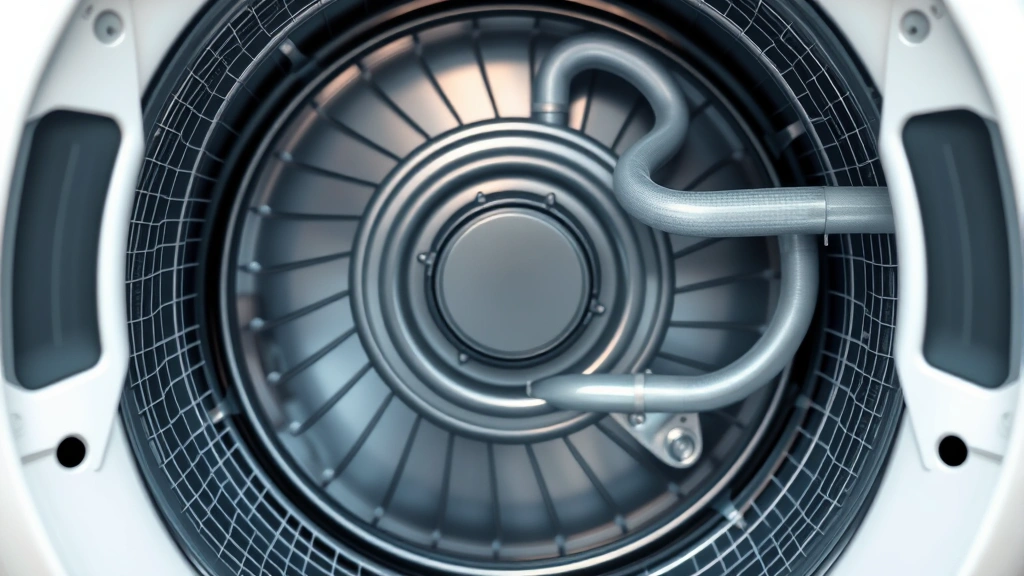
Electric dryers typically consume between 3,000 to 5,000 watts during operation, while gas dryers use approximately 300 to 600 watts of electricity to power the motor and controls, with the majority of heat generation coming from natural gas combustion. This fundamental difference shapes their environmental profiles.
Electric dryers convert approximately 100% of electrical energy into heat for drying clothes. However, this efficiency advantage is offset by the energy losses occurring upstream in electricity generation and transmission. Gas dryers, while requiring less electricity, burn natural gas directly—a fossil fuel that releases carbon dioxide and methane during combustion.
Modern energy-efficient dryer models equipped with moisture sensors and auto-shutoff features can reduce energy consumption by 20-30% compared to older models. Both gas and electric dryers benefit from these technological improvements, though the baseline energy requirements remain fundamentally different.
According to the U.S. Environmental Protection Agency (EPA) Energy Star program, certified dryers demonstrate measurable efficiency improvements. An electric dryer uses approximately 3,500-4,000 kWh annually for an average household, while a gas dryer consumes roughly 20-25 therms of natural gas plus 200-300 kWh of electricity yearly.
Environmental Impact Analysis
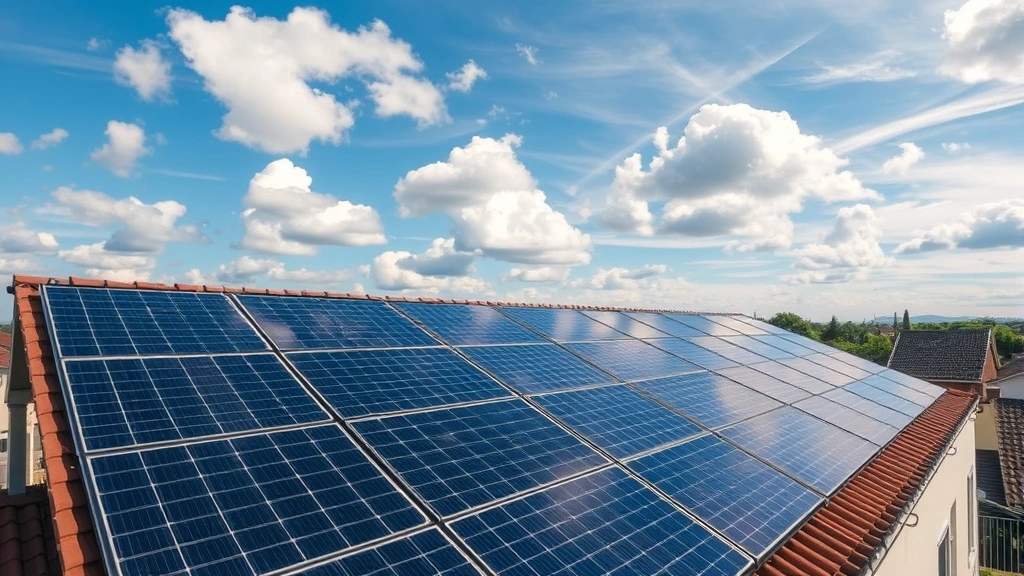
The environmental verdict depends critically on your regional electricity grid’s composition. If your area relies heavily on renewable energy sources like wind, solar, or hydroelectric power, electric dryers present a significantly greener option. Conversely, regions dependent on coal or natural gas power plants may see minimal environmental advantage from electric dryers.
Natural gas combustion produces approximately 11.7 pounds of carbon dioxide per therm burned. A typical household using a gas dryer generates roughly 235-290 pounds of CO2 annually from the appliance alone. Electric dryers powered by a renewable-heavy grid can reduce this impact to near zero, while those using coal-generated electricity might produce comparable or greater emissions.
Methane leakage represents a critical environmental concern often overlooked in dryer comparisons. Natural gas extraction, processing, and distribution result in methane emissions—a greenhouse gas approximately 80 times more potent than CO2 over a 20-year period. This “upstream” environmental cost significantly worsens gas dryers’ climate impact.
The EPA’s greenhouse gas emissions inventory demonstrates that switching from gas to electric appliances in renewable-heavy regions can reduce household carbon footprints by 15-25%. However, in coal-dependent regions, the benefit diminishes substantially.
Implementing how to reduce your environmental footprint strategies should include evaluating your dryer choice within your broader sustainable energy solutions framework.
Operating Costs and Long-Term Economics
Gas dryers typically cost $50-100 less than comparable electric models upfront, but operational expenses vary significantly by region. In areas with low natural gas prices, gas dryers maintain a cost advantage. Where electricity is inexpensive and natural gas expensive, electric dryers become more economical.
Average annual operating costs vary:
- Gas dryers: $100-150 annually (depending on natural gas rates)
- Electric dryers: $120-180 annually (depending on regional electricity rates)
Over a dryer’s typical 13-15 year lifespan, total operating costs can differ by $500-1,000. However, this calculation ignores environmental externalities not reflected in utility pricing. The true environmental cost of carbon emissions and methane leakage isn’t captured in standard utility bills.
Heat pump dryers, while more expensive initially ($800-1,200 premium), reduce annual operating costs to $60-90, potentially offsetting higher purchase prices within 7-10 years while delivering superior environmental performance.
Explore how to save energy at home practical tips for a greener cost-effective living to identify additional household efficiency improvements beyond dryer selection.
Installation and Infrastructure Requirements
Gas dryer installation demands existing natural gas line infrastructure or professional installation of new gas lines—a costly undertaking costing $300-1,500. Electric dryers require only a standard 240-volt outlet, available in most homes already equipped with electric dryers or ranges.
Retrofitting homes without natural gas access to accommodate gas dryers involves significant installation expenses and potential safety considerations requiring professional gas line certification. Electric dryers offer straightforward installation flexibility, particularly valuable during home renovations or laundry room reconfiguration.
From an infrastructure perspective, expanding access to renewable electricity through advantages of electric vehicles and similar electrification initiatives strengthens the case for electric appliances. As grid decarbonization accelerates, electric dryers become increasingly attractive environmentally.
Heat Pump Dryers: The Emerging Green Alternative
Heat pump dryers represent the sustainability frontier in laundry technology. These units use refrigerant-based heat pump systems to recycle warm air, reducing energy consumption by 40-60% compared to conventional electric dryers. While representing only 2-3% of the U.S. dryer market currently, their adoption is accelerating.
Heat pump dryers operate at lower temperatures with extended drying cycles, reducing fabric wear while maintaining superior energy efficiency. Annual energy consumption drops to approximately 1,500-2,000 kWh—less than half conventional electric dryer requirements.
The environmental advantage is substantial: a household switching from a gas dryer to a heat pump unit could reduce annual CO2 emissions by 1-2 tons, assuming average U.S. grid composition. In renewable-heavy regions, reductions exceed 3 tons annually.
Despite higher upfront costs and longer drying times, heat pump dryers align perfectly with comprehensive sustainable energy solutions strategies for environmentally conscious households.
Regional Electricity Grid Considerations
Your region’s electricity generation mix fundamentally determines whether electric dryers qualify as genuinely “green.” Understanding your local grid composition enables informed appliance decisions.
Regions with renewable-dominated grids (California, Pacific Northwest, parts of the Northeast) benefit tremendously from electric dryer adoption. Where coal and natural gas dominate (parts of the Midwest and South), electric dryers’ environmental advantage diminishes significantly.
The EPA’s eGRID database provides detailed electricity generation data by region, enabling precise environmental impact calculations for your specific location. This resource proves invaluable for comparing gas versus electric appliance choices.
Grid decarbonization trends—accelerating renewable energy adoption and coal plant retirements—continuously improve electric appliances’ environmental profiles. An electric dryer purchased today becomes progressively greener as your regional grid incorporates more renewable capacity.
Consider your region’s renewable energy trajectory when making long-term appliance investments. Visit your local utility’s website for current and projected grid composition data.
Practical Tips for Sustainable Drying
Regardless of your dryer type choice, implementing sustainable drying practices amplifies environmental benefits:
- Use moisture sensors: Enable auto-shutoff features to prevent over-drying, reducing energy consumption by 10-15%
- Clean lint filters: Maintain optimal airflow efficiency; clogged filters increase drying times by 20-30%
- Air dry delicates: Eliminate dryer use for delicate fabrics, reducing overall household consumption
- Wash full loads: Maximize dryer efficiency by processing complete loads rather than multiple partial cycles
- Use lower heat settings: Extended drying at lower temperatures reduces energy while protecting fabric integrity
- Hang dry seasonal items: Utilize outdoor drying during favorable weather, eliminating energy consumption entirely
- Upgrade ventilation: Ensure dryer vents aren’t obstructed; improved airflow reduces drying times significantly
These behavioral modifications complement appliance selection in comprehensive how to save energy at home strategies, creating substantial cumulative environmental benefits.
Visit the U.S. Department of Energy’s Energy Saver program for additional evidence-based home efficiency recommendations.
FAQ
Is a gas dryer or electric dryer more environmentally friendly?
The answer depends on your regional electricity grid composition. In renewable-heavy regions, electric dryers (especially heat pump models) are significantly greener. In coal-dependent regions, the advantage diminishes but typically remains with electric dryers when accounting for methane leakage from natural gas systems. Heat pump dryers offer the best environmental performance regardless of location.
How much money can I save switching from gas to electric dryers?
Savings vary by region but typically range from $0-50 annually depending on relative natural gas and electricity prices. However, heat pump dryers can save $30-90 yearly compared to conventional electric dryers and $50-100 compared to gas dryers, with payback periods of 7-10 years considering purchase price premiums.
Do gas dryers produce carbon emissions?
Yes, gas dryers produce approximately 235-290 pounds of CO2 annually from direct combustion, plus additional emissions from upstream methane leakage during natural gas extraction and distribution. Electric dryers’ emissions depend entirely on their regional electricity grid composition.
What’s the lifespan difference between gas and electric dryers?
Both gas and electric dryers typically last 13-15 years with proper maintenance. Heat pump dryers, operating at lower temperatures, may potentially extend lifespan further, though long-term durability data remains limited as the technology is relatively new.
Can I convert my gas dryer to electric?
Converting existing gas dryers to electric isn’t practical. However, replacing a gas dryer with a new electric or heat pump model is straightforward if your home has available 240-volt outlets. Professional installation ensures proper ventilation and electrical connections.
Are heat pump dryers worth the extra cost?
For environmentally conscious households planning 10+ year appliance retention, heat pump dryers justify premium costs through energy savings and substantially reduced environmental impact. The investment aligns perfectly with definition of sustainability principles emphasizing long-term ecological responsibility.
How does my local electricity grid affect dryer choice?
Your grid’s renewable energy percentage directly determines electric dryers’ environmental benefits. Consult your utility provider’s generation mix data or the EPA’s eGRID database to calculate specific regional impacts. Renewable-heavy grids make electric dryers substantially greener than gas alternatives.
For comprehensive household decarbonization strategies, explore our blog for additional sustainability insights and actionable environmental improvement recommendations.


