Gas Edger vs Electric: Which is Greener?
When it comes to lawn maintenance, the tools we choose have a surprising environmental impact. A gas edger has long been the standard for creating clean property lines, but electric alternatives are rapidly gaining ground—literally and figuratively. The decision between gas and electric edgers involves more than just convenience; it touches on emissions, energy consumption, noise pollution, and long-term sustainability. Understanding the environmental implications of each option empowers homeowners and landscapers to make choices aligned with their ecological values.
The lawn care industry generates significant carbon emissions annually, with gas-powered equipment contributing substantially to this footprint. As climate awareness grows, many property owners are questioning whether traditional gas edgers remain the best choice. This comprehensive guide examines both options through an environmental lens, helping you understand which technology truly supports a greener future for your landscape maintenance routine.
Environmental Impact of Gas Edgers
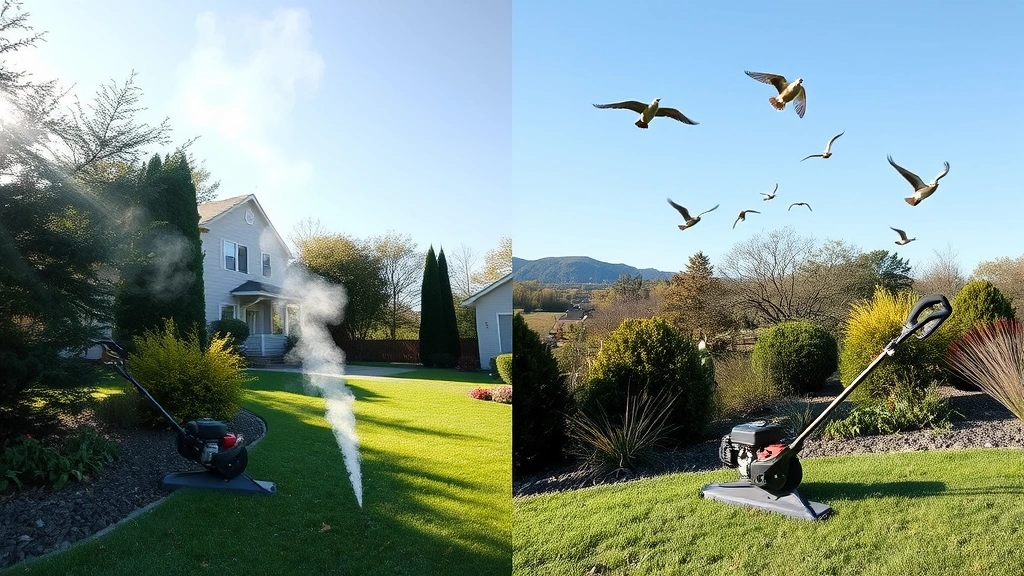
Gas-powered edgers represent a significant source of pollution in residential and commercial landscaping. A single gas edger operating for one hour emits as much pollution as driving a car for approximately 40 miles, according to environmental research. These machines burn fossil fuels directly, releasing carbon dioxide, nitrogen oxides, and volatile organic compounds into the atmosphere. Beyond greenhouse gases, gas edgers contribute to local air quality degradation, particularly in urban and suburban areas where multiple properties use them simultaneously.
The extraction, refining, and transportation of gasoline adds additional environmental costs before the fuel even reaches your tank. Petroleum extraction disrupts ecosystems, refining processes consume enormous amounts of water and energy, and fuel transportation generates emissions throughout the supply chain. When you factor in these upstream impacts, the true carbon footprint of a gas edger extends far beyond what escapes from its exhaust pipe.
Fuel spills and leaks present another environmental concern. Gas edgers frequently develop leaks during storage, transportation, and operation. A small amount of spilled gasoline can contaminate groundwater and harm aquatic ecosystems. Improper disposal of used oil and fuel mixtures, common in lawn care maintenance, poses serious risks to soil and water quality. These incidents accumulate across millions of properties using gas equipment annually.
Additionally, gas edgers generate substantial noise pollution, typically operating at 85-95 decibels. This noise disturbs wildlife, disrupts neighborhood peace, and contributes to stress-related health issues in humans. The cumulative effect of gas-powered equipment across residential areas creates acoustic environments that discourage outdoor activities and harm animal communication and breeding patterns.
Electric Edger Benefits and Limitations
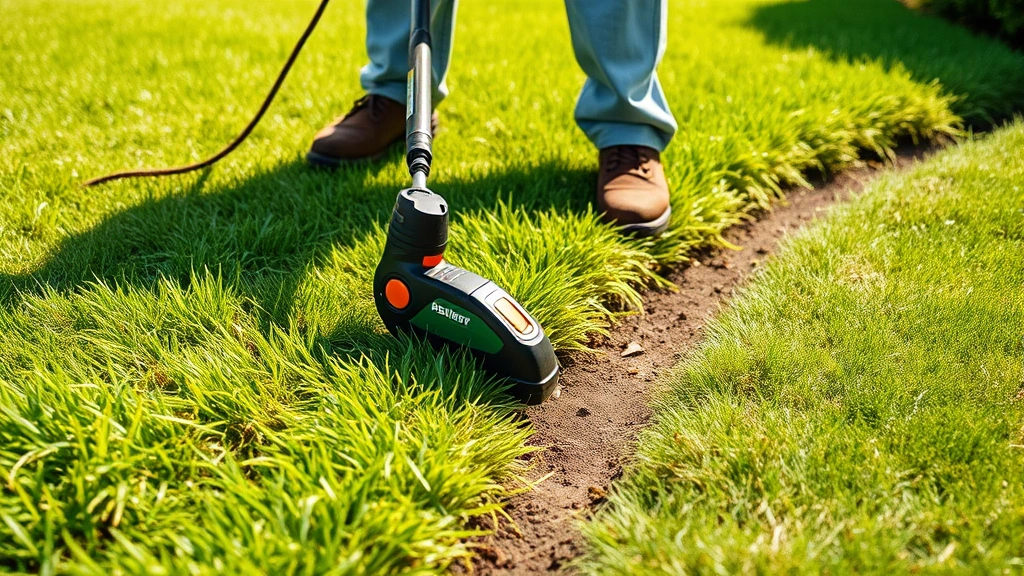
Electric edgers offer a compelling alternative from an environmental standpoint. These machines produce zero direct emissions, eliminating tailpipe pollution during operation. If powered by renewable electricity sources like solar or wind, electric edgers represent truly clean lawn maintenance. Even when charged from grid electricity with mixed energy sources, electric edgers typically produce significantly fewer emissions than their gas counterparts over their operational lifetime.
The operational simplicity of electric edgers provides environmental advantages beyond emissions reduction. They require no oil changes, spark plug replacements, or fuel mixing. This eliminates the hazardous waste streams associated with gas equipment maintenance. Electric edgers start instantly without the need for pull-cord priming or carburetor cleaning, reducing user frustration and the likelihood of abandoning the equipment for less sustainable alternatives.
Noise reduction represents another significant environmental benefit. Electric edgers operate at 60-75 decibels, substantially quieter than gas models. This reduction in noise pollution creates healthier neighborhoods, reduces stress on wildlife, and allows for early morning or evening yard work without disturbing neighbors. The quieter operation particularly benefits residential areas where multiple households might otherwise coordinate noisy equipment use.
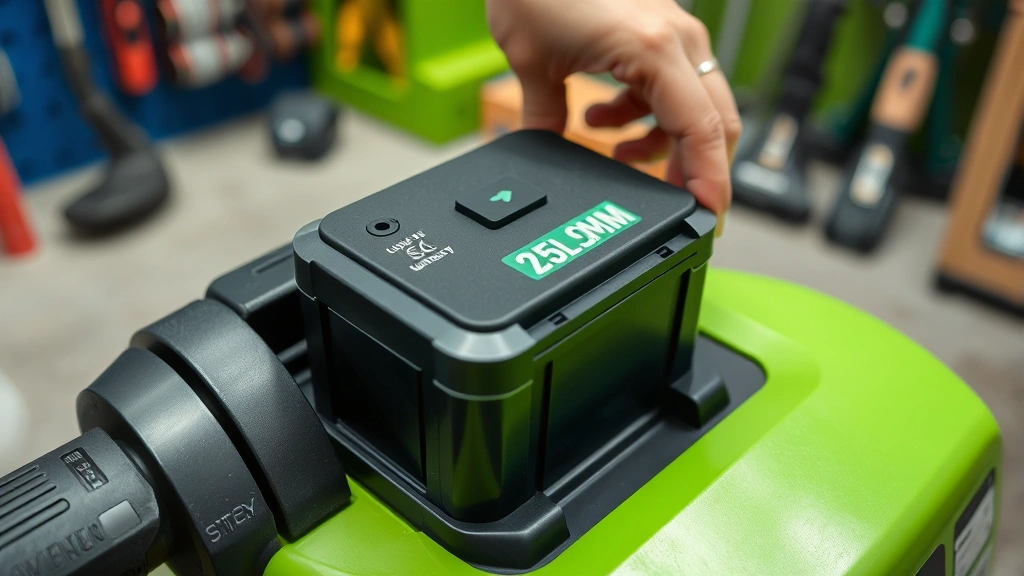
However, electric edgers have legitimate limitations. Corded models restrict movement to cable length, typically 100-150 feet from the outlet. Battery-powered versions offer freedom of movement but face runtime constraints. Standard lithium-ion batteries provide 30-60 minutes of runtime depending on model and usage intensity. For small to medium properties, this proves adequate, but larger estates may require battery swaps or extended charging periods between sessions.
Battery weight and charging infrastructure present practical considerations. While modern batteries have become lighter, they add noticeable weight compared to corded alternatives. Additionally, not all homeowners have convenient outdoor electrical access, potentially requiring extension cord management or dedicated outdoor outlets.
Carbon Footprint Comparison
Comprehensive lifecycle analysis reveals that electric edgers generate substantially lower carbon footprints than gas models when evaluated over their operational lifespan. A study by the EPA on nonroad engines documents that gas-powered lawn equipment contributes approximately 5% of national air pollution despite representing a small percentage of total equipment. Over a gas edger’s 10-year lifespan, assuming 50 hours of annual use, the device generates roughly 1,500-2,000 pounds of carbon dioxide equivalent.
Electric edgers powered by grid electricity produce significantly lower emissions. Even in regions with carbon-intensive electricity grids relying heavily on fossil fuels, battery-powered edgers typically generate 40-60% fewer emissions than comparable gas models. In areas with cleaner energy grids incorporating renewable sources, this advantage increases dramatically. As electrical grids continue transitioning toward renewable energy, the environmental advantage of electric equipment grows continuously without any equipment changes required.
Battery manufacturing does create environmental costs through mining, processing, and assembly. However, these upstream impacts are typically offset within 1-2 years of normal use through emissions reductions compared to gas equipment. After this payback period, every subsequent year of electric operation provides pure environmental benefit. Since most quality electric edgers function reliably for 5-10 years, the net environmental advantage becomes substantial.
Water consumption during battery manufacturing represents an often-overlooked environmental factor. Lithium extraction and processing requires significant water resources, raising concerns in water-stressed regions. However, this impact remains considerably smaller than the water contamination risks associated with gasoline spills and improper fuel disposal from gas equipment. Responsible battery recycling further reduces these manufacturing impacts by recovering valuable materials and reducing mining demand.
Operating Costs and Efficiency
The financial efficiency of electric edgers increasingly rivals or exceeds gas alternatives when comprehensive costs are evaluated. While gas edgers may have lower upfront purchase prices, operating expenses tell a different story. Gasoline costs fluctuate with global oil markets, currently ranging from $3-4 per gallon. A gas edger consuming 0.5 gallons per hour requires $1.50-2.00 in fuel for each hour of operation, plus oil and spark plug replacements.
Electric edgers eliminate fuel costs entirely. Charging a typical battery costs $0.10-0.30 in electricity, regardless of grid price fluctuations. This cost stability provides budgeting certainty unavailable with gas equipment. Over a year of regular use, fuel savings alone typically offset 20-30% of the electric edger’s purchase price. Battery replacement, necessary every 5-7 years, costs $80-150 for quality units—a one-time expense far less than cumulative gas and maintenance spending.
Maintenance efficiency further favors electric models. Gas edgers require annual tune-ups, seasonal carburetor cleaning, spark plug changes, and oil disposal. These maintenance tasks consume time and generate costs. Electric edgers need only occasional blade sharpening and general cleaning. The simplicity translates to lower total cost of ownership, making electric edgers financially superior for most homeowners despite potentially higher initial purchase prices.
Warranty coverage typically extends longer for electric equipment, reflecting manufacturer confidence in reliability. Many quality electric edgers include 3-5 year warranties, while gas equipment often features 1-2 year coverage. Extended warranties reduce financial risk and support long-term sustainability by encouraging equipment longevity rather than replacement cycles.
Performance and Practicality
Modern electric edgers deliver performance comparable to gas models for typical residential applications. Battery technology has advanced dramatically, providing sufficient power for clean cutting and edging on standard lawn sizes. Most electric edgers cut with equal precision and speed as gas alternatives when properly maintained. The main performance distinction emerges with runtime rather than cutting quality.
For properties under one acre, electric edgers prove entirely adequate and often preferable due to operational simplicity. Corded models provide unlimited runtime for small yards, while battery-powered versions handle typical residential properties efficiently. Landscaping professionals maintaining larger properties or managing multiple client sites may find battery limitations more constraining, though increasingly, professional-grade electric equipment addresses these concerns with extended battery options.
Blade sharpness significantly impacts performance regardless of power source. A dull blade creates ragged edges regardless of motor type, while sharp blades produce clean lines on both gas and electric equipment. The advantage shifts to electric models here, as easier maintenance encourages more frequent blade care, improving overall results.
Vibration and handling differ between models. Generally, electric edgers produce less vibration than gas alternatives, reducing operator fatigue during extended use. This ergonomic advantage makes electric models preferable for users with limited strength or those prone to repetitive strain injuries. The lighter overall weight of corded electric edgers particularly benefits homeowners with mobility considerations.
Battery Technology and Sustainability
Lithium-ion battery technology continues advancing rapidly, directly improving the sustainability profile of electric lawn equipment. Modern batteries pack greater energy density into lighter packages while maintaining or extending operational runtime. This progress means newer electric edgers outperform older models significantly, and future generations will offer even greater capabilities.
Battery recycling infrastructure is developing to address end-of-life concerns. Major manufacturers increasingly establish take-back programs, ensuring responsible battery disposal and material recovery. When properly recycled, lithium-ion batteries recover 95% of their materials, including valuable lithium, cobalt, and copper. This circular economy approach reduces mining pressure and environmental extraction impacts. Supporting manufacturers with robust recycling programs amplifies positive environmental outcomes.
Solid-state batteries represent the next frontier in energy storage technology. These emerging batteries promise higher energy density, faster charging, improved safety, and longer lifespan compared to current lithium-ion technology. As this technology matures and enters consumer markets, electric lawn equipment will offer even greater sustainability advantages. The transition toward solid-state batteries reflects the industry’s commitment to continuous environmental improvement.
Solar charging capabilities are beginning to appear on premium electric edger models and charging stations. The ability to charge batteries using renewable solar energy eliminates grid dependence entirely, creating truly zero-emission lawn maintenance. As solar technology becomes more affordable and integrated into residential settings, this option will become increasingly accessible to homeowners seeking maximum environmental benefit.
Battery longevity has improved substantially, with modern batteries often lasting 500-1,000 charge cycles before significant capacity degradation. This translates to 5-10 years of typical use before replacement becomes necessary. Manufacturers now offer replacement batteries at reasonable costs, supporting equipment longevity and reducing the frequency of complete equipment replacement.
Making Your Choice
Selecting between a gas edger and electric model requires honest assessment of your specific needs and environmental values. Consider property size, frequency of use, available electrical infrastructure, and budget constraints. For most residential properties under two acres used 20-40 hours annually, electric edgers deliver superior environmental performance with practical adequacy and financial advantage.
Explore sustainable energy solutions for your lawn care routine. If you own a corded electric edger, ensure outdoor electrical outlets are properly installed and protected from weather. For battery-powered models, invest in quality batteries and maintain them according to manufacturer specifications to maximize lifespan and performance.
Consider your broader sustainability journey. Choosing electric lawn equipment aligns with advantages of electric vehicles and other electrification efforts that reduce fossil fuel dependence. Each small choice contributes to larger environmental goals. By selecting electric edgers, you join a growing movement toward cleaner, quieter, more sustainable neighborhoods.
If gas equipment is currently your only option, plan a transition timeline toward electric alternatives. As battery technology improves and prices decline, upgrading becomes increasingly attractive. Meanwhile, optimize gas edger use by scheduling maintenance, properly storing fuel, and disposing of waste responsibly. Every step toward reduction counts while you work toward complete electrification.
Research specific models before purchasing. Read reviews emphasizing durability, battery performance, and customer satisfaction. Compare warranties and manufacturer support, as these factors influence long-term satisfaction and equipment longevity. Quality equipment lasting 7-10 years delivers better environmental returns than cheaper alternatives requiring replacement every 3-4 years.
Explore green technology innovations transforming our future to understand how lawn care equipment fits into broader sustainability trends. The equipment choices you make today influence market demand, signaling manufacturers that consumers value environmental responsibility. Your purchasing decisions quite literally shape the future of available technology.
Consult how to reduce your environmental footprint for comprehensive strategies beyond equipment selection. Lawn maintenance represents just one component of household environmental impact. Complementary practices like reducing lawn size, adopting native plantings, and minimizing chemical inputs amplify the benefits of switching to electric equipment.
FAQ
Are electric edgers as powerful as gas edgers?
Modern electric edgers deliver comparable cutting power to gas models for standard residential applications. Battery technology has advanced sufficiently to provide adequate performance for typical lawns. Differences emerge primarily in runtime rather than cutting force. For professional landscaping with extensive daily use, some users still prefer gas equipment, but this gap narrows continuously as battery capabilities improve.
How long do electric edger batteries last?
Quality lithium-ion batteries typically last 500-1,000 charge cycles, translating to 5-10 years of normal use. Actual lifespan depends on maintenance, storage conditions, and usage patterns. Storing batteries in cool, dry environments and avoiding complete discharge extends longevity. Most manufacturers offer replacement batteries at $80-150, making battery replacement far more affordable than purchasing new equipment.
Can I use extension cords with electric edgers?
Yes, corded electric edgers work with properly rated extension cords. Use outdoor-rated cords in good condition, typically 12-gauge wire for distances under 50 feet and 10-gauge for longer distances. Avoid coiling cords tightly, which creates fire hazards. Keep cords away from cutting areas and ensure connections remain dry. Battery-powered models eliminate extension cord concerns entirely.
What is the environmental cost of manufacturing electric edger batteries?
Battery manufacturing does create environmental impacts through mining, processing, and assembly. However, lifecycle analysis consistently shows these upstream costs are offset within 1-2 years of normal use through emissions reductions compared to gas equipment. After this payback period, electric operation provides pure environmental benefit. Responsible battery recycling further reduces manufacturing impacts by recovering materials and reducing future mining demand.
Will switching to an electric edger significantly reduce my carbon footprint?
While lawn equipment represents a small portion of total household emissions, switching to electric does provide measurable environmental benefit. Over a 10-year period, an electric edger eliminates approximately 1,500-2,000 pounds of carbon dioxide equivalent compared to gas models. More importantly, it signals market demand for sustainable equipment and establishes habits supporting broader environmental commitments.
Are there professional-grade electric edgers for landscaping businesses?
Yes, manufacturers now offer professional-grade electric edgers with extended battery options, faster charging, and enhanced durability. These models serve landscaping professionals managing multiple properties. While battery limitations still exist compared to unlimited gas fuel, rapid charging capabilities and multiple battery systems make electric viable for professional operations, particularly in urban areas with environmental regulations.
How do I properly dispose of an old gas edger?
Contact local waste management authorities for guidance on hazardous equipment disposal. Many communities have specific programs for small engine equipment. Some retailers accept old equipment for recycling. Never dispose of gas equipment in regular trash. Properly drain fuel and oil before disposal to prevent environmental contamination. This responsible approach prevents soil and water pollution from leaking fossil fuels and hazardous chemicals.