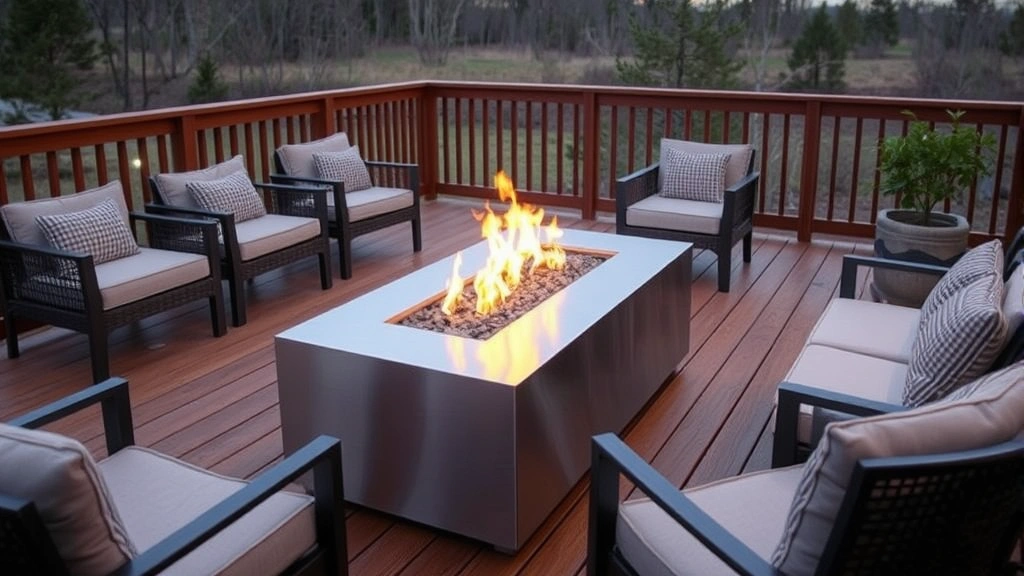
Are Gas Firepits Eco-Friendly? Expert Analysis
The ambiance of a crackling fire has captivated humans for millennia, but modern outdoor living has introduced a convenient alternative: the gas firepit. As sustainability concerns grow and homeowners seek eco-conscious choices, the question of whether gas firepits align with environmental values becomes increasingly relevant. Unlike traditional wood-burning options, gas firepits offer cleaner combustion and reduced emissions, yet they still rely on fossil fuels—a consideration that demands careful examination.
This comprehensive analysis explores the environmental impact of gas firepits, comparing them to alternative outdoor heating solutions and evaluating their role within broader sustainable energy solutions. By understanding the complete lifecycle of these devices, from production to operation, you can make informed decisions about your outdoor entertainment choices while minimizing your ecological footprint.
How Gas Firepits Work and Their Emissions Profile
Gas firepits operate by burning propane or natural gas through a controlled burner system, creating flames and heat without the smoke and ash associated with wood combustion. The combustion process produces primarily carbon dioxide and water vapor, making them significantly cleaner than wood-burning alternatives. However, the environmental assessment doesn’t end with direct emissions—it encompasses the entire supply chain, from extraction to distribution.
When natural gas or propane burns completely, the chemical reaction converts hydrocarbons into CO2 and H2O. A typical gas firepit releases approximately 5-10 pounds of CO2 per hour of operation, depending on the burner size and efficiency rating. While this represents a carbon-producing activity, the efficiency of combustion means minimal particulate matter, volatile organic compounds (VOCs), or nitrogen oxides escape into the atmosphere compared to wood fires.
The extraction and transportation of fossil fuels represent the hidden environmental costs of gas firepit operation. Natural gas extraction through hydraulic fracturing (fracking) raises concerns about methane leakage—a greenhouse gas approximately 28-36 times more potent than CO2 over a century. Propane, derived as a byproduct of crude oil and natural gas processing, carries similar supply chain complexities. These upstream emissions must be factored into the true environmental cost of your outdoor heating choices.
Environmental Impact Compared to Wood-Burning Alternatives
The comparison between gas firepits and traditional wood-burning fireplaces reveals substantial environmental advantages for the former. Wood-burning fires release not only CO2 but also particulate matter, carbon monoxide, and volatile organic compounds that contribute to air pollution and respiratory health concerns. The U.S. Environmental Protection Agency (EPA) identifies residential wood burning as a significant source of fine particulate matter in many regions.
A wood fire produces approximately 15-20 pounds of CO2 per hour while simultaneously emitting harmful pollutants. For every ton of wood burned, roughly 1.5 tons of CO2 are released into the atmosphere—a ratio significantly worse than gas combustion. Additionally, wood harvesting for fuel contributes to deforestation pressures, habitat loss, and reduced carbon sequestration capacity in forests that could otherwise absorb atmospheric CO2.
Gas firepits eliminate these particulate emissions entirely, producing a cleaner burn with no ash, soot, or unburned hydrocarbons. This makes them particularly valuable in urban and suburban settings where air quality regulations restrict wood burning during certain seasons. For individuals committed to reducing their environmental footprint, switching from a wood fireplace to a gas firepit represents a meaningful reduction in household air pollution contributions.
However, the comparison becomes more nuanced when considering sustainably harvested or certified wood from managed forests. If wood comes from responsibly managed sources with replanting programs, the carbon cycle becomes more balanced. Nonetheless, even certified sustainable wood produces more direct emissions and air pollutants than gas alternatives.
Carbon Footprint and Energy Efficiency Analysis
Calculating the complete carbon footprint of a gas firepit requires examining several variables: fuel type, burner efficiency, usage frequency, and the electricity consumed by any auxiliary components like fans or electronic ignition systems. Modern gas firepits with electronic ignition systems consume minimal electricity—typically less than 1 kilowatt-hour per season—making this contribution negligible in most cases.
A propane firepit operating for 100 hours annually produces roughly 500-1,000 pounds of CO2 directly, equivalent to driving a gasoline-powered vehicle approximately 500-1,000 miles. When including upstream emissions from propane extraction and transportation, the total carbon footprint increases to roughly 600-1,200 pounds of CO2 equivalent annually. For context, the average American household generates approximately 16 tons of CO2 annually across all activities, making a firepit a relatively minor contributor.
Energy efficiency in gas firepits measures how effectively they convert fuel into usable heat. Most gas firepits achieve 70-90% efficiency, meaning most fuel energy translates to heat rather than waste. This compares favorably to wood fireplaces, which typically operate at 10-30% efficiency due to significant heat loss up the chimney. The superior efficiency of gas systems means you require less fuel to achieve equivalent warmth, reducing both emissions and operational costs.
Natural gas firepits present a slight efficiency advantage over propane models because natural gas requires no extraction from storage tanks and benefits from established pipeline infrastructure in many regions. However, natural gas carries higher methane leakage risks throughout its supply chain. The choice between propane and natural gas involves weighing direct combustion efficiency against supply chain emissions—a decision that varies based on local gas infrastructure and regional energy policies.
Manufacturing and Lifecycle Considerations
The environmental impact of a gas firepit extends beyond operational emissions to encompass manufacturing, transportation, and end-of-life disposal. Most gas firepits consist of steel, cast iron, stainless steel, and various metal components that require energy-intensive extraction and processing. The manufacturing phase of a typical firepit generates approximately 500-1,500 pounds of CO2 equivalent, depending on materials and production methods.
Transportation from manufacturing facilities to retail distribution centers and ultimately to consumer homes adds additional emissions. A firepit weighing 50-200 pounds transported across the country contributes roughly 50-200 pounds of CO2 to the product’s total lifecycle footprint. Choosing local retailers or direct manufacturers can minimize transportation impacts, as can selecting models with lower material weight without compromising durability.
Durability represents a critical sustainability factor often overlooked in product comparisons. A gas firepit designed to last 15-20 years distributes its manufacturing emissions across decades of use, reducing the per-year environmental burden. Conversely, cheaper models requiring replacement every 5-7 years generate proportionally higher lifecycle emissions. Investing in quality construction—stainless steel bodies, corrosion-resistant finishes, and reliable burner mechanisms—ultimately proves more eco-conscious than purchasing inexpensive alternatives.
At the end of its serviceable life, most gas firepit components are recyclable. Steel, cast iron, and stainless steel can be processed through standard metal recycling streams, recovering the material value and avoiding landfill disposal. Some manufacturers now offer take-back programs or refurbishment services, extending product lifecycles further. Supporting companies with robust recycling initiatives aligns your purchase with green technology innovations in the home goods sector.

Eco-Friendly Alternatives to Gas Firepits
While gas firepits offer environmental advantages over wood burning, several alternatives merit consideration for those seeking zero-emission outdoor heating solutions. Electric fire features powered by renewable energy represent the most environmentally responsible option, producing no direct emissions and minimal operational carbon footprint when powered by wind, solar, or hydroelectric sources. These devices provide ambiance and supplemental heat without fossil fuel dependence.
Solar-powered outdoor heaters present another renewable alternative, using photovoltaic panels to generate electricity for heating elements or radiant systems. Though initial installation costs exceed gas firepits, the long-term operational expenses and environmental benefits justify the investment for many homeowners. Solar heating works best in regions with consistent sunshine and provides the added benefit of reducing grid electricity demand during peak seasons.
Ethanol fireplaces offer a middle-ground solution, burning renewable fuel derived from agricultural crops. Unlike fossil fuels, ethanol combustion releases CO2 that plants absorbed during growth, creating a more balanced carbon cycle. However, large-scale ethanol production raises sustainability concerns regarding agricultural land use, pesticide application, and competition with food crops. The environmental benefits depend heavily on production methods and fuel sourcing.
For those committed to eliminating outdoor heating emissions entirely, passive solar design strategies—using landscape features, walls, and structures to capture and retain heat—reduce reliance on any fuel source. Wind breaks, reflective surfaces, and thermal mass elements create comfortable outdoor spaces without active heating. Combined with sustainable lifestyle choices across other domains, these design approaches minimize your overall environmental impact.
Biomass heating systems using sustainably harvested wood pellets represent another option, offering improved efficiency and lower emissions compared to traditional wood burning. Pellet stoves achieve 85-90% efficiency and produce minimal ash, though they still generate more emissions than gas alternatives. The sustainability depends entirely on pellet sourcing—ensuring they come from managed forests with replanting commitments.
Best Practices for Responsible Gas Firepit Use
If you choose a gas firepit, several practices maximize environmental responsibility and minimize your carbon footprint. First, prioritize models with high efficiency ratings—look for products certified by the American Gas Association or similar organizations that verify combustion efficiency and emissions performance. High-efficiency burners produce more heat per unit of fuel, directly reducing operational emissions.
Limit usage to occasions when outdoor heating genuinely enhances your experience rather than treating the firepit as a constant background feature. A gas firepit burning four hours weekly for six months annually produces roughly 120-240 pounds of CO2—modest compared to many household activities but still meaningful when multiplied across millions of households. Being intentional about usage aligns recreational choices with climate consciousness.
Select natural gas over propane when local infrastructure supports it. Natural gas piped directly to your property eliminates the emissions associated with propane extraction, processing, and transportation in individual tanks. However, verify your natural gas provider’s sourcing practices and methane leak rates—some utilities perform better than others in minimizing upstream emissions.
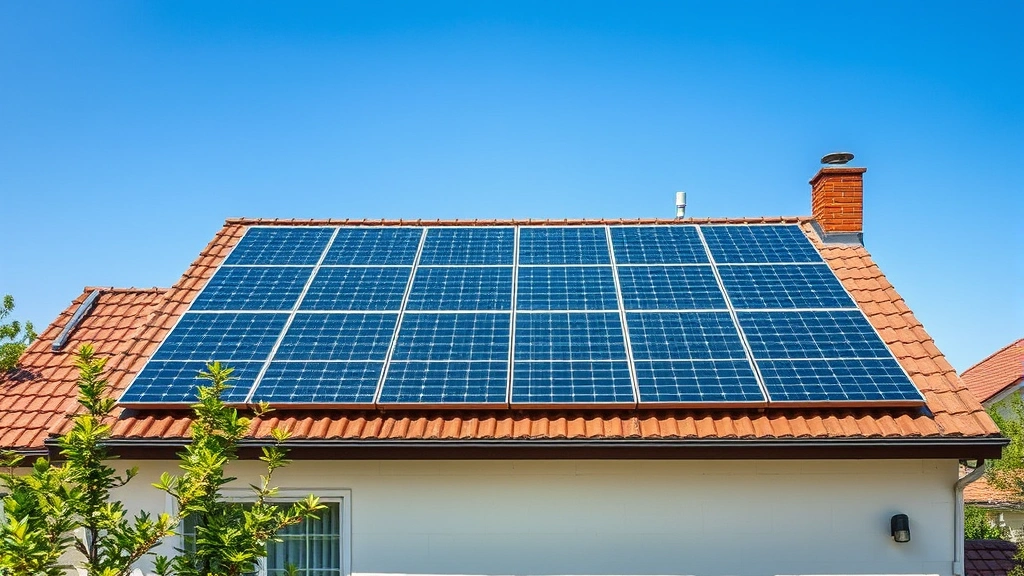
Consider offsetting your firepit’s carbon emissions through verified carbon credit programs or by investing in renewable energy installations at your home. Installing solar panels, supporting reforestation initiatives, or participating in community clean energy projects can neutralize the climate impact of recreational gas firepit use while advancing broader sustainability goals.
Maintain your gas firepit properly to ensure optimal efficiency. Regular cleaning of burner ports, inspection of gas connections, and verification of complete combustion prevent fuel waste and emissions increases. A well-maintained firepit operates at peak efficiency, reducing the fuel required to achieve desired heat and ambiance levels.
Finally, educate visitors and family members about your conscious firepit use. Sharing information about why you chose gas over wood, the efficiency of modern burners, and your broader sustainability commitments can inspire others to make more environmentally responsible choices in their own homes.
FAQ
Are gas firepits considered green energy?
Gas firepits are not considered renewable or green energy sources since they burn fossil fuels. However, they represent a significantly cleaner and more efficient option compared to wood burning. True green alternatives include electric firepits powered by renewable electricity, solar heating systems, or biomass options using certified sustainable wood pellets.
How much CO2 does a gas firepit produce?
A typical gas firepit produces 5-10 pounds of CO2 per hour of operation, or roughly 500-1,000 pounds annually with moderate use (100 hours per year). When including upstream emissions from fuel extraction and transportation, total carbon footprint reaches approximately 600-1,200 pounds of CO2 equivalent annually.
Is propane or natural gas better for environmental impact?
Natural gas offers slight environmental advantages when piped directly to homes, as it eliminates extraction and transportation emissions associated with propane tanks. However, natural gas carries higher methane leakage risks throughout its supply chain. The choice depends on local infrastructure and your utility provider’s emissions performance.
Can I make my gas firepit more eco-friendly?
Yes, several strategies enhance the environmental responsibility of gas firepit ownership: selecting high-efficiency certified models, limiting usage frequency, maintaining equipment properly, offsetting emissions through carbon credits, and supporting renewable energy installations at your home.
What’s the most eco-friendly outdoor heating option?
Electric firepits powered by renewable energy sources (solar, wind, hydroelectric) represent the most environmentally friendly option, producing zero direct emissions. Solar-powered outdoor heaters and passive solar design strategies offer additional sustainable alternatives with minimal operational environmental impact.
How does a gas firepit compare to a wood fireplace environmentally?
Gas firepits produce 50-60% fewer emissions than wood fires and eliminate harmful particulate matter, carbon monoxide, and volatile organic compounds. Wood burning also contributes to deforestation pressures and generates more air pollution, making gas firepits substantially more environmentally responsible for outdoor heating.