Gas Fireplace: Eco-Friendly or Not? Facts Inside
The allure of a cozy fireplace has captivated homeowners for generations, but modern convenience has shifted many toward gas fireplaces instead of traditional wood-burning alternatives. However, the environmental impact of gas fireplace installation remains a nuanced topic that deserves careful examination. While gas fireplaces offer certain advantages over wood-burning counterparts, they present their own sustainability challenges that eco-conscious homeowners must understand before making this significant investment.
Gas fireplaces have become increasingly popular in residential settings, marketed as cleaner and more efficient heating solutions. Yet beneath this marketing veneer lies a complex environmental reality. Understanding whether a gas fireplace truly aligns with your sustainability goals requires examining emissions data, energy efficiency ratings, and comparing alternatives. This comprehensive guide explores the ecological footprint of gas fireplaces, their actual environmental impact, and whether they deserve a place in environmentally responsible homes.
Understanding Gas Fireplace Technology
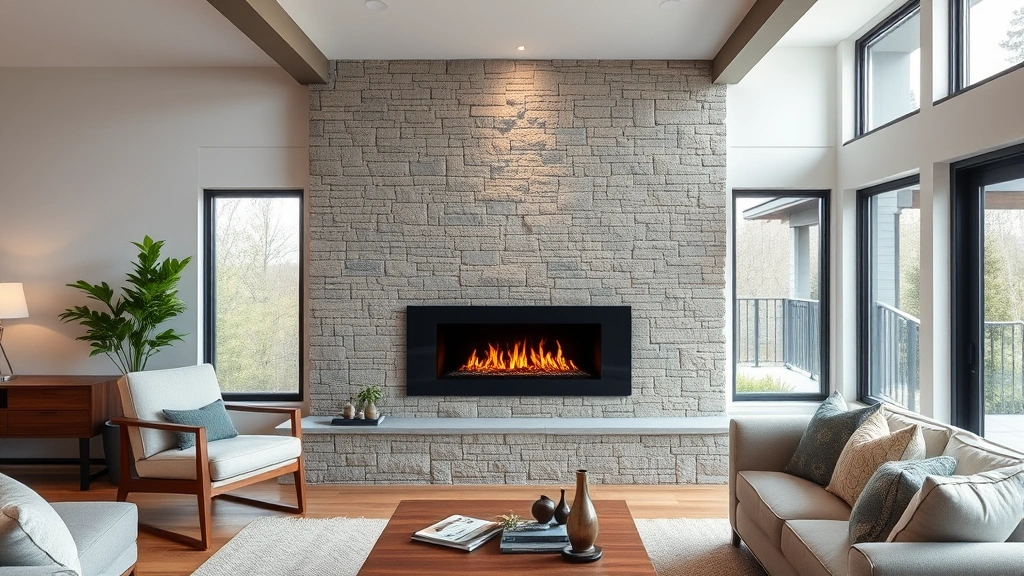
Gas fireplaces operate through a fundamentally different mechanism than their wood-burning predecessors. These systems burn natural gas or propane to generate heat and flame effects, offering homeowners the aesthetic appeal of a traditional fireplace without the labor-intensive maintenance. The technology has evolved significantly over the past two decades, with modern units featuring advanced ignition systems, thermostatic controls, and realistic flame simulation.
When considering gas fireplace installation, homeowners typically encounter two primary configurations: direct-vent systems that draw combustion air from outside and exhaust emissions externally, and ventless systems that recirculate combustion byproducts into the home. Direct-vent installations are generally considered safer and more environmentally responsible, as they prevent indoor air quality degradation. These systems achieve efficiency ratings between 70-90%, meaning a significant portion of fuel energy converts to usable heat rather than escaping through chimneys.
The appeal of gas fireplaces extends beyond environmental considerations. They provide instant heat activation without the startup delay of wood fires, allow precise temperature control through thermostats, and eliminate the need for firewood storage and ash disposal. For renters and homeowners in urban environments where wood smoke regulations are strict, gas fireplaces present a practical heating solution. However, this convenience comes with environmental trade-offs that deserve scrutiny.
Environmental Impact of Natural Gas
Natural gas extraction and distribution represent significant environmental concerns that extend beyond the fireplace itself. The process of obtaining natural gas involves hydraulic fracturing (fracking) in many regions, a technique that raises questions about groundwater contamination, methane leakage, and habitat disruption. Methane, the primary component of natural gas, is a greenhouse gas approximately 28-36 times more potent than carbon dioxide over a century-long period, according to EPA greenhouse gas data.
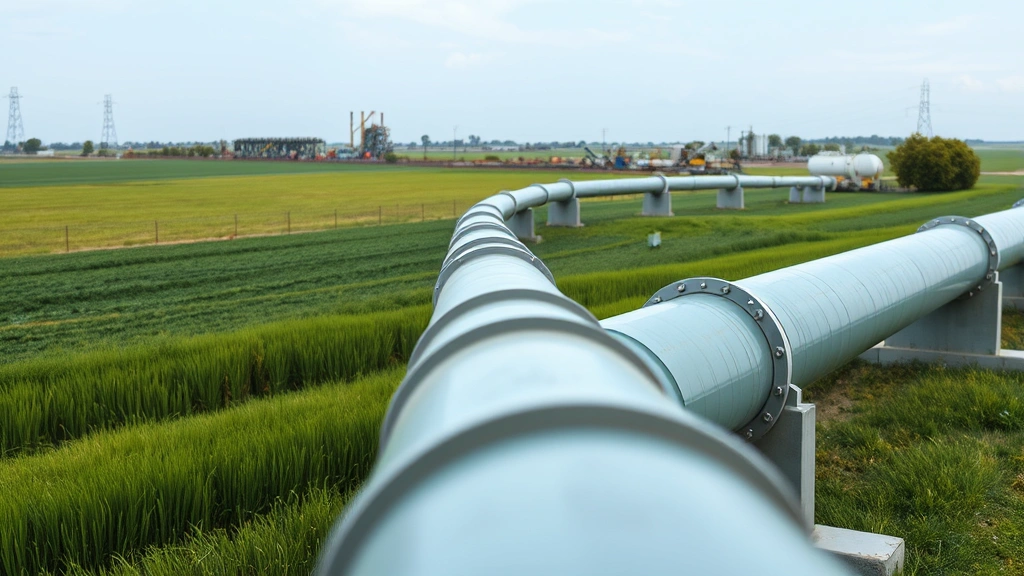
The extraction phase represents only the beginning of the environmental equation. Natural gas must be transported through extensive pipeline networks, processed at treatment facilities, and distributed to individual homes. Each stage involves energy consumption and potential methane leakage. Studies indicate that methane emissions from natural gas infrastructure can range from 1.5-5% of total production, representing a substantial climate impact. When you factor in the complete lifecycle of the fuel powering your gas fireplace, the carbon footprint expands considerably beyond the direct combustion emissions.
Climate scientists emphasize that transitioning away from fossil fuels—including natural gas—remains essential for meeting global climate targets. The Intergovernmental Panel on Climate Change (IPCC) has consistently recommended reducing reliance on all fossil fuels, including natural gas, to limit warming to 1.5-2 degrees Celsius. This scientific consensus suggests that gas fireplaces, while cleaner than coal, still contribute to climate change through both direct emissions and supply chain impacts.
Emissions and Air Quality Concerns
Direct combustion of natural gas produces carbon dioxide and water vapor as primary byproducts, along with nitrogen oxides and trace amounts of other compounds. While carbon dioxide drives climate change, nitrogen oxides contribute to ground-level ozone formation and respiratory health problems. The American Lung Association has documented that nitrogen dioxide exposure increases asthma and bronchitis symptoms, particularly in vulnerable populations including children and elderly individuals.
Ventless gas fireplaces present particular indoor air quality challenges. These units direct combustion byproducts directly into living spaces, creating potential health hazards. Studies have shown that unvented gas appliances can increase indoor nitrogen dioxide concentrations to levels exceeding outdoor air quality standards. For homes with family members suffering from respiratory conditions or asthma, ventless gas fireplaces may exacerbate existing health issues. Direct-vent systems mitigate this concern by exhausting emissions outdoors, though some argue this simply transfers indoor air quality problems to the outdoor environment.
The health implications of gas fireplace emissions extend beyond acute respiratory effects. Long-term exposure to nitrogen oxides has been associated with reduced lung function development in children and accelerated lung function decline in adults. Installing a gas detector for home environments can help monitor combustion byproducts and alert residents to potential safety issues. For maximum safety, homeowners should ensure proper ventilation and consider installing natural gas detector systems throughout their homes.
Energy Efficiency Comparison
Gas fireplaces offer respectable energy efficiency compared to traditional wood-burning fireplaces, which typically achieve only 15-25% efficiency due to substantial heat loss through chimneys. Modern gas fireplaces reach 70-90% efficiency, meaning the majority of fuel energy converts to usable heat. This represents a significant improvement and contributes to their popularity among homeowners seeking to reduce heating costs.
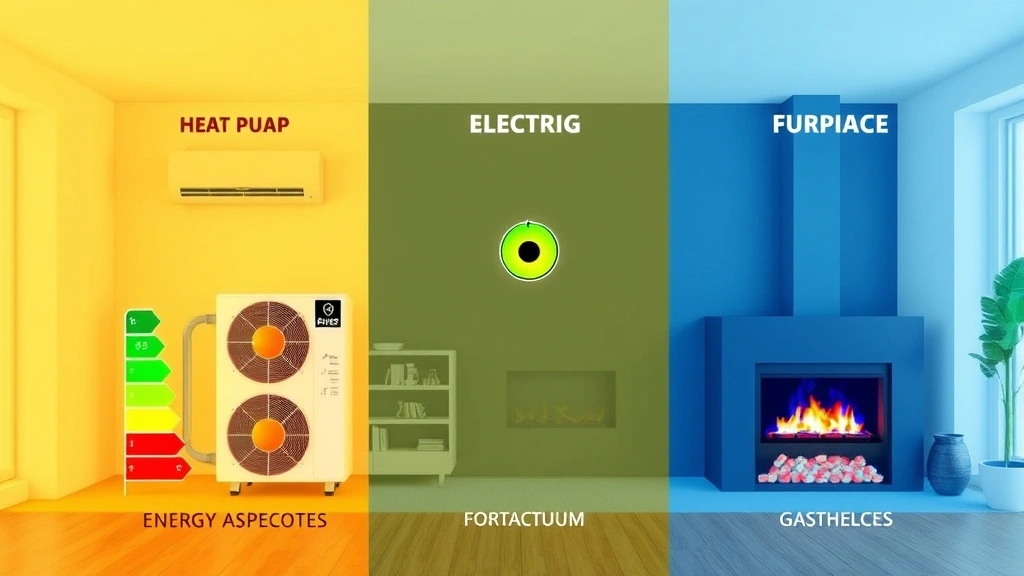
However, efficiency comparisons become more nuanced when examining alternative heating solutions. Electric heat pumps achieve 200-400% efficiency through heat transfer technology, extracting warmth from outdoor air or ground sources and delivering it indoors. Radiant electric heating systems provide targeted warmth with 95%+ efficiency. When considering sustainable energy solutions, heat pumps increasingly represent the most efficient pathway forward, particularly as electricity grids incorporate renewable energy sources.
The efficiency advantage of gas fireplaces diminishes further when accounting for system losses throughout the natural gas supply chain. While individual fireplace units convert 70-90% of fuel to heat, the complete system—including extraction, processing, transportation, and distribution—operates at substantially lower overall efficiency. Accounting for these upstream losses, the true system efficiency of gas fireplaces may fall to 50-70%, narrowing the gap with electric alternatives.
For homeowners committed to reducing their environmental footprint, this distinction matters significantly. Choosing electric heating powered by renewable energy sources creates a pathway toward zero-emission heating. As regional power grids transition toward wind, solar, and hydroelectric generation, electric heating systems become progressively cleaner without requiring equipment replacement.
Installation and Safety Considerations
Professional gas fireplace installation requires specialized knowledge and adherence to strict building codes and safety standards. Improper installation can result in carbon monoxide leaks, gas leaks, and inadequate ventilation—all presenting serious health and safety risks. Building codes mandate specific clearance distances, proper venting configurations, and regular inspection protocols to ensure safe operation.
Installation costs typically range from $2,000-$5,000 for direct-vent systems, including materials, labor, and necessary modifications to existing fireplace openings or walls. These significant upfront expenses should be weighed against long-term heating costs, system lifespan (typically 15-20 years), and maintenance requirements. Regular inspections and cleaning are necessary to maintain safe, efficient operation and typically cost $100-$300 annually.
Safety considerations extend beyond installation. Gas fireplaces require adequate oxygen supply for complete combustion, making proper ventilation essential. In tightly sealed modern homes designed for energy efficiency, this ventilation requirement can paradoxically reduce overall heating efficiency by allowing conditioned air to escape. Homeowners must balance safety requirements with efficiency goals, sometimes necessitating compromises that undermine the environmental benefits of choosing a gas fireplace.
Additionally, older gas fireplace models may lack modern safety features including automatic shutoff valves, pilot light safety switches, and carbon monoxide detection integration. Homeowners with older units should consult professionals about safety upgrades or replacement with newer, safer models. The environmental cost of manufacturing new units must be weighed against the safety and efficiency benefits of newer technology.
Eco-Friendly Alternatives to Gas Fireplaces
Several alternatives to gas fireplaces offer superior environmental performance for homeowners prioritizing sustainability. Electric fireplaces provide instant ambiance with zero direct emissions, though their environmental benefit depends on regional electricity sources. In regions powered primarily by renewable energy, electric fireplaces represent genuinely clean heating options. Even in areas relying on fossil fuel generation, electric fireplaces typically produce lower lifecycle emissions than gas alternatives due to superior efficiency.
Pellet stoves burning sustainably sourced biomass offer another alternative, though environmental credibility depends entirely on sourcing practices. Responsibly harvested pellets made from agricultural waste or sustainably managed forests represent genuine renewable energy. However, poorly sourced pellets from old-growth forest harvesting or energy-intensive manufacturing processes may carry higher environmental costs than gas fireplaces. Consumers must research specific pellet sourcing to make informed decisions.
Heat pumps represent the most environmentally progressive heating solution for homeowners able to implement them. These systems extract heat from outdoor air or ground sources, delivering 2-4 times more heat energy than the electrical energy consumed. When powered by renewable electricity, heat pumps approach zero-emission heating. As sustainable energy solutions continue advancing, heat pump technology becomes increasingly affordable and efficient across diverse climates.
For those seeking fireplace ambiance without heating functionality, ethanol fireplaces provide a compromise option. These units burn renewable biofuels and produce only carbon dioxide and water vapor—the same byproducts of human respiration. While not addressing heating needs, ethanol fireplaces eliminate nitrogen oxide emissions and indoor air quality concerns associated with gas and wood combustion. They require no venting infrastructure and can be installed in diverse locations.
Making the Sustainable Choice
Determining whether a gas fireplace aligns with your sustainability values requires honest assessment of multiple factors. If heating functionality is primary, electric alternatives powered by renewable energy represent superior environmental choices. If ambiance is paramount, ethanol fireplaces or electric models with realistic flame effects provide cleaner alternatives. Gas fireplaces occupy a middle ground—cleaner than wood-burning but inferior to modern electric and heat pump technologies.
Homeowners considering gas fireplace installation should evaluate their regional electricity grid composition. In areas where renewable energy comprises 50%+ of generation, electric heating becomes increasingly attractive. Conversely, regions dependent on fossil fuel generation might see gas fireplaces as acceptable interim solutions while advocating for grid decarbonization. This nuanced analysis prevents oversimplified environmental judgments.
Long-term sustainability planning suggests avoiding gas fireplace installation in newly constructed homes or during major renovations. These situations present opportunities to invest in superior alternatives like heat pumps or electric heating systems that align better with climate goals. For existing homes with established gas infrastructure, retrofitting alternatives may face practical and financial barriers, making gas fireplaces a reasonable continuation of current systems during their operational lifespan.
The broader context matters significantly. Installing a gas fireplace in a home powered by renewable electricity and featuring excellent insulation represents a different environmental choice than installing one in a poorly insulated home powered by coal-generated electricity. Holistic home energy assessment should precede fireplace decisions, ensuring that heating choices align with comprehensive sustainability strategies.
Ultimately, the most eco-friendly fireplace is the one you don’t need. Improving home insulation, sealing air leaks, and optimizing existing heating systems often provides better environmental returns than installing new heating equipment. Before committing to gas fireplace installation, homeowners should complete comprehensive energy audits identifying the most impactful efficiency improvements possible within their budgets.
FAQ
Are gas fireplaces truly eco-friendly?
Gas fireplaces represent a middle-ground option—cleaner than wood-burning alternatives but inferior to modern electric and heat pump heating systems. They produce direct carbon dioxide emissions and support continued natural gas industry expansion. For environmental leadership, electric or heat pump alternatives are preferable.
Do gas fireplaces affect indoor air quality?
Direct-vent gas fireplaces exhaust emissions outdoors and generally maintain indoor air quality when properly installed. Ventless units recirculate combustion byproducts indoors, potentially increasing nitrogen dioxide and water vapor levels. Homes with respiratory-sensitive residents should prioritize direct-vent installations or non-combustion alternatives.
How do gas fireplaces compare to electric alternatives?
Electric fireplaces offer zero direct emissions and superior efficiency in regions with renewable electricity generation. They require no venting infrastructure and lower maintenance costs. Gas fireplaces provide superior heating capacity but carry higher operational emissions and require ongoing natural gas consumption.
What’s the environmental cost of natural gas extraction?
Natural gas extraction through hydraulic fracturing raises concerns about groundwater contamination, methane leakage, and habitat disruption. Methane emissions from production and distribution represent significant climate impacts, with lifecycle emissions substantially exceeding direct combustion byproducts.
Should I install a gas fireplace in a new home?
For newly constructed homes, electric heating systems or heat pumps represent superior environmental choices. These alternatives offer lower lifecycle emissions, better alignment with climate goals, and flexibility as electricity grids transition toward renewable generation. Gas fireplaces in new construction represent backward-looking choices.
How often do gas fireplaces require maintenance?
Annual professional inspections and cleaning are recommended to ensure safe, efficient operation. Regular maintenance costs typically range from $100-$300 annually. Proper maintenance extends equipment lifespan and prevents safety hazards including carbon monoxide leakage.


