
Gas Fireplace Maintenance Tips: Expert Advice
Gas fireplaces provide efficient home heating while creating a cozy ambiance that many homeowners cherish. However, maintaining these appliances requires consistent attention and expert knowledge to ensure they operate safely, efficiently, and for years to come. Unlike traditional wood-burning fireplaces, gas fireplaces demand specific maintenance protocols that prevent safety hazards, reduce energy consumption, and maximize performance.
Proper gas fireplace maintenance is not just about extending the lifespan of your unit—it’s about protecting your family from potential dangers like carbon monoxide leaks and gas exposure. By following expert recommendations and establishing a regular maintenance schedule, you can enjoy your fireplace worry-free while optimizing its heating efficiency.
Understanding Your Gas Fireplace System
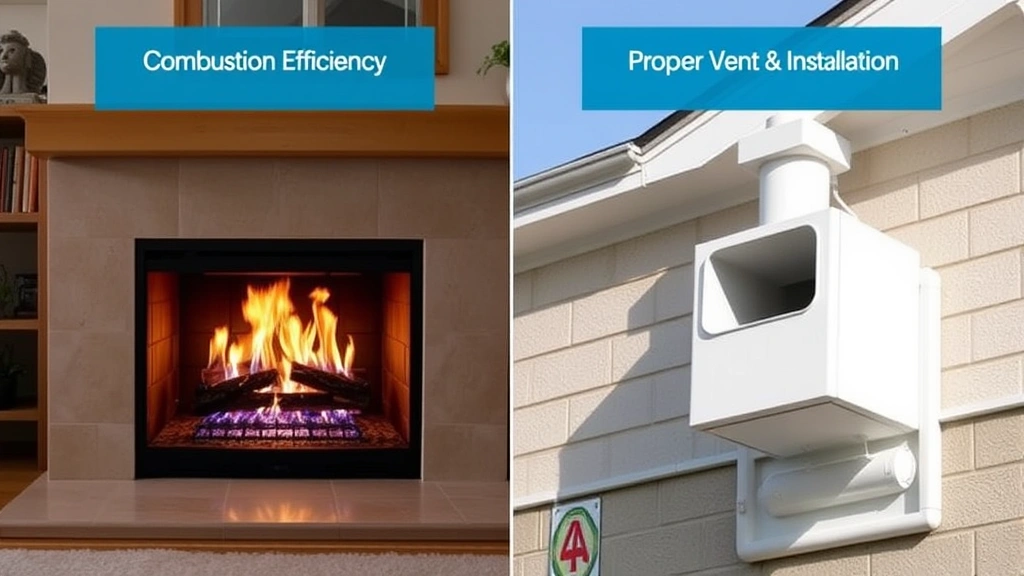
Gas fireplaces operate through a carefully engineered system combining gas supply lines, ignition mechanisms, burner components, and ventilation pathways. Understanding these fundamental elements helps you identify maintenance needs and communicate effectively with professionals. The burner assembly generates flames, while the thermocouple or flame sensor ensures the gas supply shuts off if the flame extinguishes unexpectedly—a critical safety feature.
Modern gas fireplaces often feature electronic ignition systems that require minimal pilot light maintenance compared to older models. The advantages of natural gas as a heating fuel include cleaner combustion and consistent performance, but these benefits only materialize through proper maintenance. Your fireplace’s efficiency rating and heating capacity depend significantly on how well you maintain each component.
The ventilation system—whether direct venting, B-venting, or ventless—plays a crucial role in safely expelling combustion byproducts. Understanding your specific ventilation type determines which maintenance tasks apply to your unit. Direct-vent systems pull combustion air from outside and exhaust directly outdoors, while B-vent systems require natural draft through a chimney.
Monthly Inspection Checklist
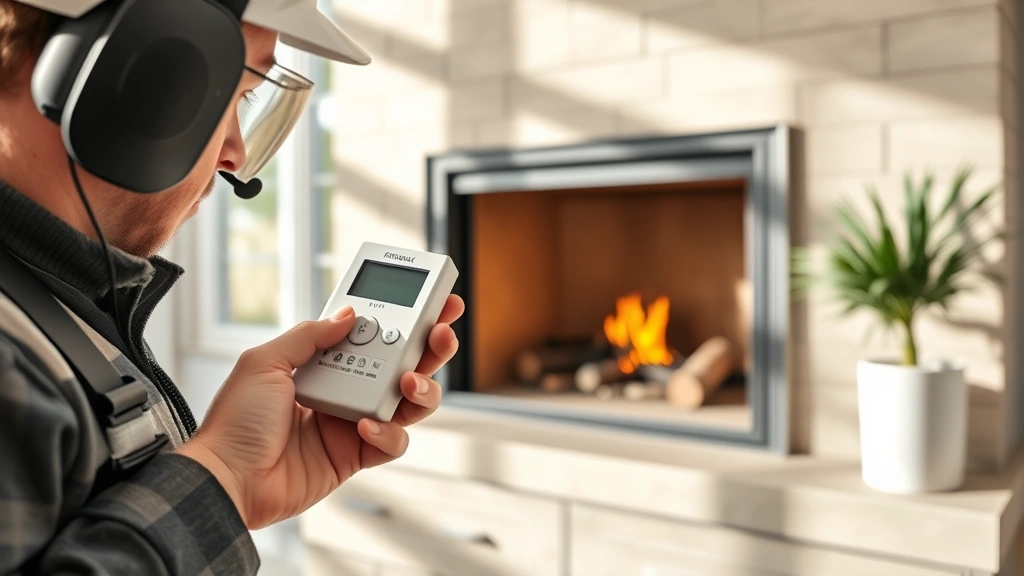
Establishing a monthly inspection routine catches problems before they escalate into expensive repairs or safety hazards. These simple checks require no special tools and take approximately fifteen minutes to complete.
- Visual flame inspection: Observe the flame color and pattern when the fireplace operates. Healthy flames appear blue with yellow tips. Orange or yellow flames indicate incomplete combustion and warrant professional attention. Flames should burn evenly across the burner without yellow streaks or unusual behavior.
- Ignition performance: Note how quickly the fireplace ignites and whether the ignition spark is audible. Delayed ignition or repeated attempts suggest electrode fouling or gas supply issues requiring professional service.
- Odor detection: Trust your nose—gas fireplaces should produce no unusual smells beyond a faint metallic scent during initial startup. Persistent odors indicate potential gas leaks or combustion problems.
- Thermostat responsiveness: Test temperature control to ensure your fireplace responds appropriately to thermostat adjustments. Sluggish response suggests sensor contamination.
- Glass door condition: Inspect tempered glass doors for cracks, discoloration, or excessive soot buildup. Damaged glass compromises safety and efficiency.
- Venting pathway clearance: Visually confirm that exterior vents remain unobstructed by leaves, snow, nests, or debris that could restrict airflow.
Annual Professional Servicing
While monthly inspections handle routine checks, annual professional maintenance ensures comprehensive system evaluation and cleaning that homeowners cannot safely perform. Certified technicians possess specialized equipment and expertise to service all internal components thoroughly.
Professional annual service typically includes burner disassembly and cleaning, thermocouple inspection and replacement if necessary, gas line pressure testing, heat exchanger examination, and complete system safety verification. Many service providers also test carbon monoxide levels to ensure safe operation. Schedule this essential service before the heating season begins—typically in early fall.
Investing in annual maintenance often costs $150-$300 but prevents emergency repairs costing thousands of dollars. Additionally, many fireplace warranties require documented annual service to remain valid. Maintaining service records proves compliance and protects your investment. Consider exploring sustainable energy solutions that complement your gas fireplace for enhanced home heating efficiency.
Professional technicians also evaluate whether your fireplace operates at peak efficiency. They can adjust burner settings, clean combustion chambers, and verify that all safety features function properly. This comprehensive approach extends equipment lifespan and prevents costly breakdowns during cold months when heating demands peak.
Cleaning and Debris Management
Regular cleaning maintains aesthetic appeal while preventing performance degradation. The type of cleaning required depends on your fireplace’s design and ventilation system.
Glass door cleaning: Clean glass doors with specialized fireplace glass cleaner or a solution of white vinegar and water. Allow the fireplace to cool completely before cleaning. Use soft cloths to avoid scratching tempered glass. Heavy buildup indicates incomplete combustion—a sign that professional inspection is needed.
Burner cleaning: Never attempt to disassemble and clean burners yourself, as improper reassembly creates dangerous gas flow patterns. However, you can gently vacuum dust from accessible burner surfaces using a soft brush attachment. This prevents dust from entering the burner during startup.
Vent cleaning: Inspect exterior vents monthly for blockages. Remove leaves, spider webs, bird nests, and other debris that restricts airflow. In winter regions, ensure snow doesn’t accumulate around vent openings. Proper ventilation is essential—restricted vents cause incomplete combustion and carbon monoxide accumulation.
Interior cleaning: Hire professionals to clean internal components annually. They remove soot, dust, and deposits from heat exchangers, combustion chambers, and ventilation pathways. This cleaning dramatically improves efficiency and prevents component damage.
Louver and trim care: Wipe decorative surrounds and louvers with appropriate cleaners based on material—marble, wood, or metal each require different approaches. Avoid abrasive materials that damage finishes.
Safety Considerations and Gas Detection
Safety represents the paramount concern in gas fireplace maintenance. Carbon monoxide, an odorless, colorless gas produced during combustion, poses serious health risks. Proper maintenance prevents dangerous accumulation of this toxic byproduct.
Installing and maintaining a quality natural gas detector complements your fireplace maintenance routine. These devices alert you immediately to gas leaks before they reach dangerous concentrations. Position detectors near sleeping areas and throughout your home for comprehensive protection.
Carbon monoxide awareness: Symptoms of carbon monoxide exposure include headaches, dizziness, weakness, nausea, and confusion. If you suspect exposure, immediately leave your home, call emergency services, and ventilate the space thoroughly. Never ignore these warning signs.
Gas leak identification: Natural gas suppliers add mercaptan—a distinctive rotten egg odor—to odorless natural gas for detection. If you notice this smell, do not operate electrical switches or use flames. Leave immediately, call your gas company’s emergency line from outside, and allow professionals to investigate.
Combustion air requirements: Your fireplace requires adequate fresh air for complete combustion. Sealed homes with poor air exchange can create negative pressure, drawing combustion gases back into living spaces. Ensure your home has proper ventilation and that your fireplace receives sufficient combustion air.
Regular safety inspections: Professional technicians test for gas leaks using specialized equipment, verify proper venting operation, measure combustion efficiency, and confirm that all safety shutoff mechanisms function correctly. These inspections protect your family from invisible hazards.
Seasonal Preparation Tips
Seasonal maintenance ensures your fireplace operates reliably when you need it most. Different seasons present unique maintenance challenges and opportunities.
Fall preparation: Before heating season begins, schedule professional inspection and servicing. Test the fireplace extensively to confirm proper operation before cold weather arrives. Check that thermostats function correctly and that all controls respond appropriately. Clear exterior vents of summer debris—leaves, pollen, and dust accumulate during warmer months.
Winter operation: Monitor your fireplace weekly during active heating season. Note any changes in flame appearance, ignition performance, or heating output. Address minor issues immediately before they worsen. Ensure vents remain clear of snow and ice buildup. Increase inspection frequency during severe winter weather.
Spring shutdown: As heating season ends, conduct a final inspection before extended shutdown. Clean glass doors and visible components. Check that all controls return to off positions properly. If you won’t use the fireplace for months, ensure the gas supply is secured and the unit is protected from moisture and dust.
Summer maintenance: Use summer months for non-urgent repairs and upgrades. Schedule professional cleaning and service while technicians aren’t overwhelmed with seasonal demand. Inspect the exterior vent for damage and plan any necessary repairs. Review your maintenance logs to identify patterns or recurring issues.
Troubleshooting Common Issues
Understanding common problems helps you communicate effectively with technicians and recognize when immediate service is necessary.
Pilot light won’t stay lit: If your pilot light repeatedly extinguishes, the thermocouple likely needs replacement. This $50-$150 repair prevents your fireplace from operating. Debris on the thermocouple can also cause this issue—professional cleaning may resolve it. Never attempt thermocouple replacement yourself.
Delayed or failed ignition: Electronic ignition systems occasionally accumulate dust or moisture on spark electrodes. Professional cleaning usually restores ignition. If cleaning doesn’t work, the ignition module may require replacement—a more expensive repair requiring a technician.
Weak flame or reduced heat output: Incomplete combustion, restricted air supply, or dirty burners cause weak flames. Professional burner cleaning and combustion air assessment address this issue. Check that exterior vents aren’t blocked before calling a technician.
Yellow or orange flames: This indicates incomplete combustion requiring immediate professional attention. Yellow flames mean unburned gas particles escape through the vent—reducing efficiency and creating safety hazards. Never ignore this condition.
Unusual noises: Clicking or popping sounds during ignition are normal, but grinding, squealing, or roaring noises indicate mechanical problems. These sounds may indicate blower motor issues, gas pressure problems, or internal component damage.
Strong smell during startup: A faint metallic or gas smell during initial startup is normal as dust burns off heating elements. However, persistent strong odors throughout operation suggest combustion problems or gas leaks requiring professional investigation.
Explore how green technology innovations are improving home heating systems. Modern gas fireplaces incorporate efficiency improvements that reduce energy consumption while maintaining comfort. Understanding these advances helps you appreciate your fireplace’s performance potential.
FAQ
How often should I have my gas fireplace professionally serviced?
Professional inspection and service should occur annually, ideally before the heating season begins in fall. This ensures all components function safely and efficiently. Some manufacturers recommend service every other year if the fireplace operates minimally, but annual service provides optimal protection and performance.
Can I clean my gas fireplace myself?
You can perform basic exterior cleaning and vent clearing, but internal component cleaning requires professional expertise. Improper disassembly or reassembly creates serious safety hazards. Always hire certified technicians for burner, heat exchanger, and internal system cleaning.
What’s the difference between direct-vent and B-vent fireplaces?
Direct-vent systems pull combustion air from outside and exhaust directly outdoors, making them highly efficient and safe. B-vent systems rely on natural draft through existing chimneys. Direct-vent systems require less maintenance since they don’t rely on chimney draft, but both types need professional annual service.
How do I know if my fireplace has a gas leak?
Natural gas has a distinctive rotten egg smell added for detection purposes. If you notice this odor, leave your home immediately and call your gas company’s emergency line from outside. Never use electrical switches, phones, or flames indoors. A professional will investigate and repair any leaks.
Is a gas fireplace safe for my family?
When properly maintained, gas fireplaces are very safe. Regular maintenance prevents carbon monoxide accumulation, gas leaks, and combustion problems. Install carbon monoxide detectors throughout your home, maintain your fireplace annually, and follow manufacturer instructions carefully. Professional inspection provides additional safety assurance.
What maintenance can extend my fireplace’s lifespan?
Annual professional service, monthly visual inspections, proper cleaning, and prompt repairs extend fireplace lifespan significantly. Many well-maintained gas fireplaces operate reliably for 20-30 years. Neglected fireplaces may fail within 10 years. Investing in maintenance protects your investment.
Should I use my fireplace if I notice problems?
Stop using your fireplace immediately if you notice yellow flames, persistent odors, delayed ignition, or unusual noises. Continue using it only for normal blue flames and reliable operation. Safety concerns warrant professional inspection before further use.
Proper gas fireplace maintenance combines monthly inspections, annual professional service, and prompt repairs. By following these expert recommendations, you ensure safe, efficient operation while protecting your family and extending your fireplace’s lifespan. Make maintenance a priority rather than an afterthought, and your gas fireplace will provide reliable heating and ambiance for decades. Consider how advantages of electric vehicles demonstrate the broader sustainability trend toward cleaner technologies—similar principles apply to optimizing your home’s heating systems. Visit your blog home for additional home efficiency guidance.


