Gas Fireplace Care: Local Expert Tips & Tricks for Efficient Home Heating
Gas fireplaces offer a convenient and efficient way to heat your home while creating a cozy ambiance. However, like any heating appliance, they require regular maintenance to operate safely and efficiently. Whether you’re a new gas fireplace owner or looking to improve your current maintenance routine, understanding proper gas fireplace maintenance near me is essential for longevity and performance. This comprehensive guide provides actionable expert tips to keep your fireplace in pristine condition while maximizing energy efficiency.
Proper maintenance not only extends the lifespan of your gas fireplace but also ensures it operates at peak efficiency, reducing energy costs and environmental impact. Regular care prevents costly repairs, maintains safety standards, and helps you get the most out of your heating investment. By following local expert recommendations and best practices, you can enjoy worry-free warmth throughout the heating season.
Understanding Your Gas Fireplace System
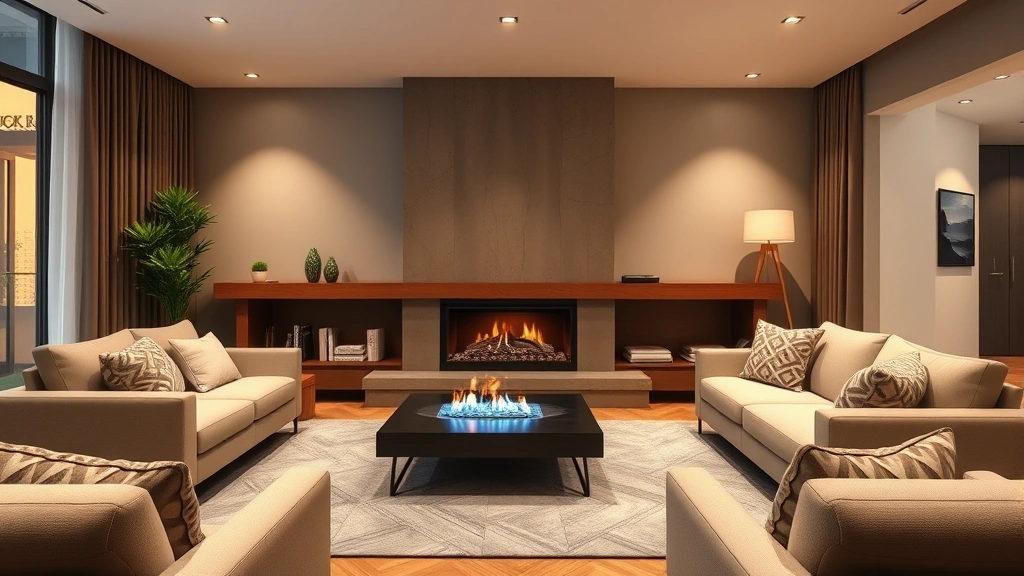
Before diving into maintenance routines, it’s important to understand how your gas fireplace operates. Modern gas fireplaces consist of several key components: the gas line, burner assembly, ignition system, venting system, and decorative elements. Each component plays a crucial role in safe operation and heating performance. The burner produces heat through controlled combustion, while the venting system safely removes exhaust gases from your home.
Your fireplace’s efficiency depends on how well these components work together. A properly maintained system can achieve efficiency ratings between 70-90%, compared to traditional wood fireplaces which operate at around 10-20%. Understanding this difference highlights why regular maintenance is crucial for optimal performance. When components become dirty or misaligned, efficiency drops significantly, wasting energy and increasing your heating bills.
Consider exploring sustainable energy solutions that complement your gas fireplace usage. Many homeowners combine gas heating with energy-saving strategies at home to reduce their overall carbon footprint while maintaining comfort.
Essential Monthly Maintenance Tasks
Establishing a monthly maintenance routine prevents minor issues from becoming major problems. Start by visually inspecting your fireplace for any obvious signs of damage or debris. Look for cracks in the firebox, discoloration around the burner area, or any unusual odors when operating the unit.
Glass cleaning and care: If your fireplace has a glass door, clean it monthly using a specialized fireplace glass cleaner. Buildup of soot and residue reduces heat output and visibility. Allow the fireplace to cool completely before cleaning, then use a soft cloth and non-abrasive cleaner to avoid scratching the glass. For stubborn deposits, let the cleaner sit for a few minutes before wiping.
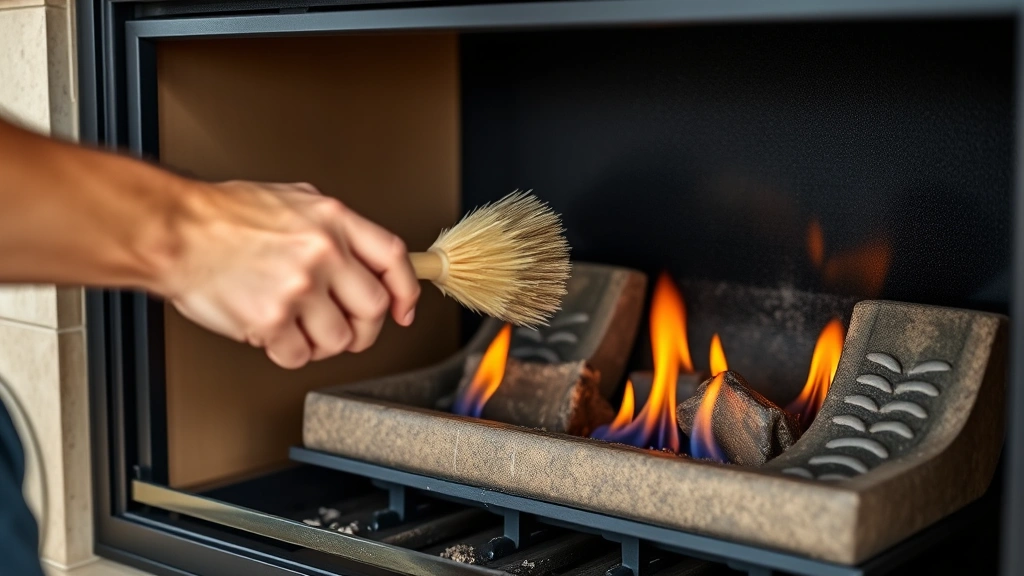
Burner inspection: Examine the burner assembly for any visible dirt, dust, or debris. A clean burner ensures proper gas flow and complete combustion. Use a soft brush or compressed air to gently remove surface debris. Never use water or liquid cleaners on the burner, as this can cause corrosion and ignition problems.
Checking pilot light and ignition: Your fireplace’s pilot light should burn with a steady blue flame. If it’s yellow or orange, or if it keeps going out, this indicates a maintenance issue requiring professional attention. Modern fireplaces may use electronic ignition systems instead of pilot lights; ensure these operate smoothly with each use.
Venting system check: Inspect visible portions of your venting system for blockages, damage, or loose connections. Check that exterior vents aren’t blocked by leaves, snow, or debris. Proper venting is critical for safety and efficiency, as blocked vents can allow dangerous carbon monoxide to enter your home.
Seasonal Preparation and Deep Cleaning
Before the heating season begins, perform a thorough inspection and cleaning of your entire fireplace system. This seasonal maintenance ensures your fireplace operates reliably when you need it most. Many local experts recommend scheduling this service in late summer or early fall, before demand peaks.
Interior cleaning: The firebox accumulates ash and soot over time, which reduces heating efficiency. Remove decorative logs or stones to access the entire interior surface. Use a vacuum with a brush attachment to remove loose ash, then wipe surfaces with a damp cloth. For stubborn buildup, use a fireplace-specific cleaning product and soft-bristled brush. Never use corrosive chemicals that could damage the firebox coating.
Exterior maintenance: Clean the exterior surfaces of your fireplace, including the surround and hearth area. Dust and debris can affect appearance and potentially become fire hazards. Check for any visible damage to the exterior structure, and repair cracks or loose materials immediately.
Damper and vent cleaning: If your fireplace has a damper, ensure it opens and closes smoothly. Buildup in venting systems reduces efficiency and creates safety hazards. Professional vent cleaning using specialized equipment removes creosote and debris that accumulate inside ductwork. This service is essential for gas fireplaces using direct venting or power venting systems.
Combining seasonal fireplace maintenance with other home heating optimization creates a comprehensive approach to comfort and efficiency. Review your overall home energy savings strategies to ensure your fireplace fits within a larger sustainability plan.
Safety Inspections and Professional Service
While regular homeowner maintenance is important, professional inspections are essential for safety and compliance. Industry experts recommend annual professional inspections, particularly before the heating season. Licensed technicians have specialized equipment to detect issues that aren’t visible during casual inspections.
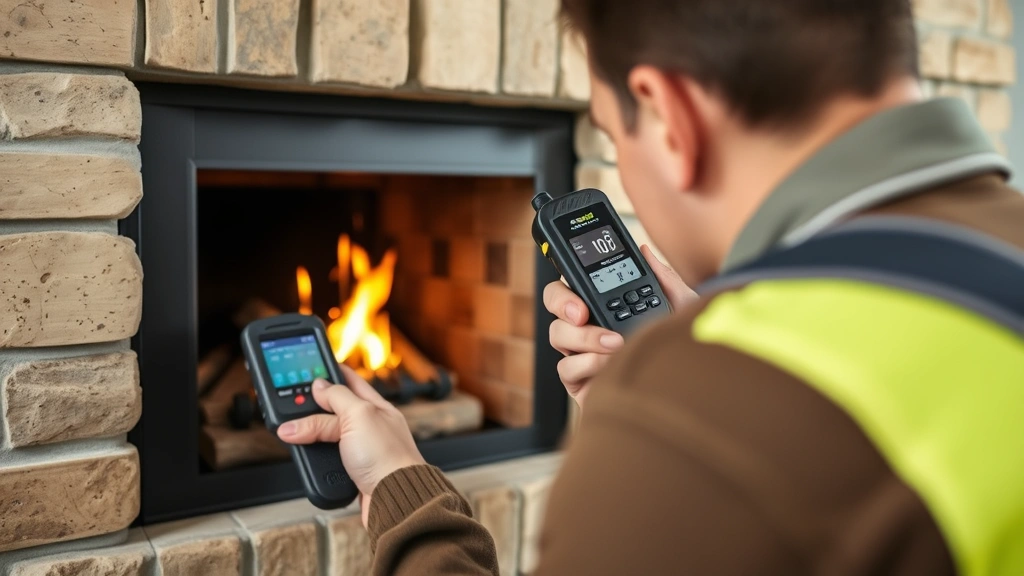
Carbon monoxide testing: Professional service includes testing for carbon monoxide leaks, which can be deadly if undetected. Technicians use calibrated monitors to check for unsafe carbon monoxide levels in your home. This critical safety check should never be skipped, as gas appliances can develop small leaks that pose serious health risks.
Gas pressure verification: Proper gas pressure ensures complete combustion and efficient heating. Technicians measure incoming gas pressure and compare it to manufacturer specifications. Incorrect pressure indicates problems with your gas line or regulator that require professional repair.
Thermocouple and flame sensor testing: These safety components shut down your fireplace if combustion fails or the pilot light goes out. Annual testing ensures these devices respond correctly. Faulty thermocouples are common reasons for pilot light problems and require professional replacement.
Finding certified professionals: Search for “gas fireplace maintenance near me” to locate licensed, certified technicians in your area. Verify credentials through your state’s licensing board and check customer reviews. Many companies offer maintenance plans with annual inspections and priority service, providing peace of mind throughout the heating season.
Improving Efficiency and Energy Performance
Beyond basic maintenance, several upgrades and practices enhance your fireplace’s efficiency and reduce energy consumption. Understanding these options helps you make informed decisions about your heating strategy.
Upgrading to high-efficiency models: If your fireplace is older than 15 years, consider upgrading to a modern high-efficiency unit. New models achieve efficiency ratings of 85-90%, compared to 60-70% for older units. While initial investment is significant, energy savings quickly offset the cost. Modern units also include improved safety features and environmental controls.
Installing a programmable thermostat: Smart thermostats allow you to schedule fireplace operation based on time of day and occupancy patterns. This prevents unnecessary heating when you’re away or sleeping, reducing energy waste. Many smart thermostats integrate with fireplace systems for seamless control.
Optimizing room layout: Position furniture to encourage heat circulation throughout your space. Avoid blocking vents or heat output areas with large pieces. Using ceiling fans on low speed helps distribute warm air more evenly, reducing the need for higher fireplace settings.
Sealing air leaks: Even an efficient fireplace can’t compensate for poor home insulation and air leaks. Seal gaps around windows, doors, and ductwork to retain heat and reduce the heating load on your fireplace. This holistic approach to home efficiency maximizes the benefits of your gas fireplace.
Explore broader green technology innovations that complement gas fireplace efficiency, including smart home systems and advanced insulation materials.
Common Issues and Troubleshooting
Understanding common problems helps you identify issues early and determine whether professional service is needed. Some issues can be resolved through simple troubleshooting, while others require licensed technician expertise.
Pilot light won’t stay lit: This is the most common gas fireplace problem. Causes include a dirty thermocouple, insufficient gas pressure, or drafts extinguishing the flame. First, try relighting the pilot following your manufacturer’s instructions. If it continues to go out, professional service is needed to test the thermocouple and gas pressure.
Burner produces yellow flame: A healthy gas flame is blue with minimal yellow. Yellow flames indicate incomplete combustion, often caused by dirty burner ports or incorrect air-to-gas ratio. Clean the burner assembly and have a professional verify proper gas pressure and burner adjustment.
Fireplace produces weak heat: Reduced heat output suggests efficiency problems. Check that the glass door seals properly, as leaking air reduces heating effectiveness. Verify that vents aren’t blocked and the burner is clean. If heat output remains low after these checks, professional inspection is warranted.
Strange odors during operation: New fireplaces may produce slight odors during initial use as components heat up. However, persistent chemical smells, gas odors, or burning smells indicate problems requiring immediate professional attention. Never ignore these warning signs.
Ignition system failures: Electronic ignition systems may fail to spark or produce weak sparks. This typically requires professional repair or component replacement. Modern fireplaces often have diagnostic codes displayed on control panels that help technicians identify specific problems.
Finding Local Maintenance Experts
Locating qualified professionals for gas fireplace maintenance ensures your system receives expert care from certified technicians. The process of finding reliable local services involves research, verification, and comparison.
Certification and licensing requirements: Licensed technicians must complete training and pass certification exams specific to gas appliance service. Verify that any professional you hire holds valid licenses from your state’s heating and cooling board or equivalent authority. Ask about specific certifications related to gas fireplace service.
What to expect from professional service: A comprehensive professional inspection includes visual inspection of all components, testing of safety devices, carbon monoxide testing, gas pressure verification, and cleaning of accessible parts. The technician should provide a detailed report of findings and recommendations. Expect to pay $150-300 for a basic inspection, with additional costs for repairs or deep cleaning services.
Building relationships with local providers: Establishing a relationship with a trusted local technician provides several advantages. They become familiar with your specific fireplace model and history, enabling faster diagnosis of problems. Many offer maintenance plans with discounted rates and priority scheduling during peak seasons.
Online resources and directories: Use Google Maps and industry directories to find highly-rated local services. Check the EPA’s directory of certified appliance professionals for verified experts. Read customer reviews on multiple platforms to gauge reliability and quality.
Warranty considerations: Many manufacturers require annual professional service to maintain warranty coverage. Check your fireplace’s warranty documentation to understand service requirements. Professional maintenance agreements often include warranty coverage for parts and labor.
Understanding the broader context of sustainability principles helps you make informed decisions about home heating systems and their environmental impact. Proper maintenance maximizes efficiency, reducing energy consumption and carbon emissions associated with your heating needs.
FAQ
How often should I have my gas fireplace professionally serviced?
Industry experts recommend annual professional inspections, ideally before the heating season begins. If you use your fireplace frequently, consider twice-yearly service. Professional maintenance ensures safety, maintains efficiency, and identifies potential problems before they become serious.
Can I clean my gas fireplace myself, or do I need professional service?
You can perform basic monthly cleaning tasks like wiping glass and removing surface dust. However, professional service is necessary for deep cleaning, vent inspection, safety testing, and component adjustments. Never attempt to repair internal components or adjust gas pressure yourself.
What’s the difference between direct vent and B-vent gas fireplaces?
Direct vent fireplaces draw combustion air from outside and vent exhaust outside, making them highly efficient and safe for sealed homes. B-vent fireplaces draw air from inside your home and require proper venting. Each type has different maintenance requirements; ensure your service provider understands your specific system.
How can I tell if my fireplace is operating efficiently?
An efficient fireplace produces a steady blue flame, heats the room noticeably, and doesn’t produce unusual odors. Professional efficiency testing measures actual heat output and combustion efficiency. If your fireplace produces weak heat despite regular use, professional evaluation is recommended.
Is it safe to use my fireplace if the pilot light won’t stay lit?
No, you should not operate your fireplace if the pilot light won’t stay lit. This indicates a safety problem that requires professional diagnosis. Continued use could result in dangerous gas accumulation or improper combustion. Contact a licensed technician immediately.
What should I do if I smell gas near my fireplace?
If you detect a gas smell, immediately stop using the fireplace and ventilate the area. Do not attempt to locate the source yourself. Call your gas company’s emergency line or a licensed technician right away. Gas leaks are serious safety hazards requiring immediate professional attention.
How much does gas fireplace maintenance cost?
Basic annual inspections typically cost $150-300, while deep cleaning and repairs range from $200-800 depending on the work required. Maintenance plans offering annual service and priority scheduling usually cost $300-600 per year. Request quotes from multiple local providers to compare pricing and services.
Can regular maintenance extend my fireplace’s lifespan?
Absolutely. Proper maintenance can extend your gas fireplace’s lifespan by 10-15 years or more. Regular cleaning prevents corrosion and component degradation, while professional inspections catch problems early before they cause permanent damage. Well-maintained fireplaces often last 20-30 years.


