Gas Fireplace Repair Tips: Expert Advice for Sustainable Home Heating
Gas fireplaces provide efficient supplemental heating for homes, but like any heating system, they require regular maintenance and occasional repairs to function safely and effectively. Whether you’re searching for gas fireplace repair near me or planning to handle basic troubleshooting yourself, understanding common issues and repair procedures can save you time and money while ensuring your fireplace operates at peak efficiency. This comprehensive guide covers everything homeowners need to know about maintaining and repairing gas fireplaces, with a focus on safety, performance, and environmental responsibility.
As we consider whether natural gas is truly renewable, it’s important to maximize the efficiency of existing natural gas appliances in your home. Proper fireplace maintenance reduces fuel waste, lowers heating costs, and minimizes your household’s environmental impact. A well-maintained gas fireplace burns cleaner and more efficiently than a neglected one, making repair and upkeep essential components of responsible home energy management.
Common Gas Fireplace Problems and Diagnosis
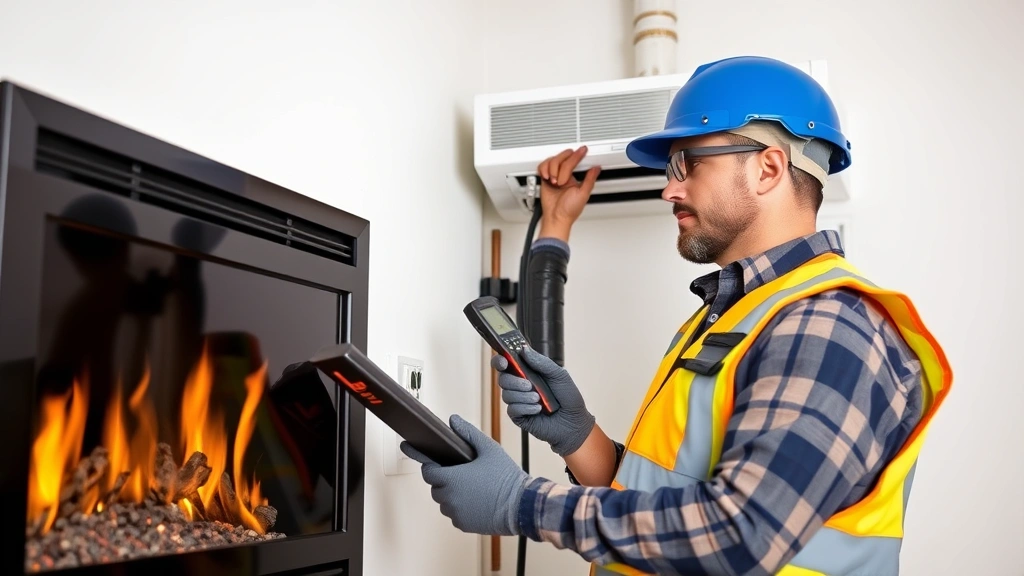
Gas fireplaces experience several recurring issues that homeowners can often diagnose and address. The most prevalent problems include pilot light failures, ignition system malfunctions, flame irregularities, and thermostat unresponsiveness. Understanding what’s causing your fireplace to malfunction is the first step toward effective repair.
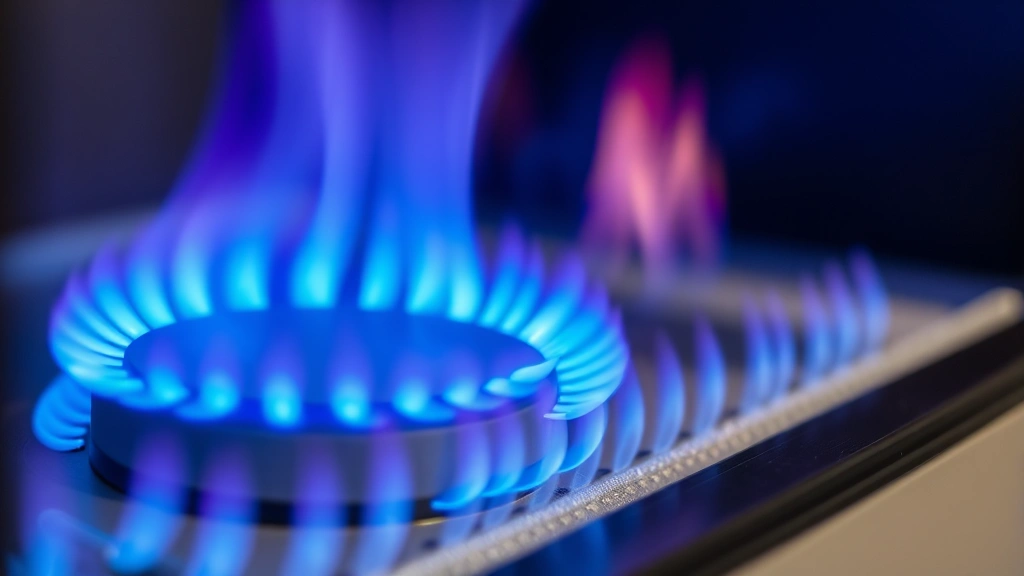
A fireplace that won’t turn on typically indicates either a pilot light problem or an electrical issue with the ignition system. If your fireplace produces weak flames or displays unusual flame colors—such as yellow or orange instead of blue—this often suggests incomplete combustion or a dirty burner. Strange noises, including clicking, popping, or rumbling sounds, can indicate gas line issues, burner problems, or expanding metal components during heating cycles.
Before attempting any repairs, consult your fireplace’s manual to understand its specific design and operation. Different manufacturers use varying technologies, and what works for one model may not apply to another. Take note of exactly when problems occur: Do they happen immediately after turning on the fireplace? Do they develop gradually? Does the fireplace work intermittently? This diagnostic information helps technicians pinpoint issues more quickly.
Checking your fireplace’s venting system is crucial, as blockages can prevent proper operation. Look at the exterior vent opening to ensure it’s clear of debris, snow, leaves, or bird nests. A blocked vent reduces draft, preventing the fireplace from drawing fresh air and exhausting combustion byproducts properly. This not only impairs performance but can create safety hazards.
Safety Considerations Before Starting Repairs
Gas appliance repairs demand careful attention to safety protocols. Always prioritize your well-being and that of your household members before attempting any troubleshooting or repair work. Gas fireplaces involve combustible fuel, electrical components, and high temperatures—a combination requiring respect and caution.
Start by turning off the fireplace using its control knob and allowing it to cool completely. Never attempt repairs on a hot fireplace, as you risk severe burns. Turn off the gas supply at the control valve (typically located near the fireplace unit) before beginning work. Many fireplace issues don’t require gas supply interruption, but doing so provides an extra safety margin.
If you smell gas near your fireplace, do not attempt repairs yourself. Evacuate the area immediately and contact your gas provider’s emergency line. Gas leaks pose serious health risks and require professional evaluation. Similarly, if you notice carbon monoxide detectors alarming or experience symptoms like headaches, dizziness, or nausea near the fireplace, leave the area and seek fresh air immediately. These symptoms suggest incomplete combustion or venting problems requiring professional intervention.
Wear appropriate protective equipment during repairs: safety glasses protect against debris, and gloves prevent burns and cuts. Keep a fire extinguisher rated for gas fires nearby. Never work on gas lines unless you’re a certified technician; improper gas line repairs can create dangerous leaks. When in doubt about any repair, contact a licensed professional rather than risking injury or property damage.
Pilot Light Issues and Solutions
The pilot light is your gas fireplace’s ignition source—a small, continuously burning flame that lights the main burner when you activate the fireplace. Many common fireplace problems stem from pilot light issues, making this component crucial to understand.
If your pilot light won’t stay lit, several factors could be responsible. A dirty pilot orifice (the small opening where gas flows to the pilot burner) restricts gas flow, preventing stable ignition. Dust, debris, and mineral deposits accumulate over time, particularly in areas with hard water. To clean the pilot orifice, turn off the gas supply and locate the pilot assembly. Carefully remove it according to your manual’s instructions, then use a thin needle or specialized pilot orifice cleaning tool to gently clear the opening. Never use excessive force, as you can damage the delicate orifice.
Thermocouple failure represents another common pilot light problem. The thermocouple is a safety device that detects pilot light heat and signals the gas valve to stay open. If the thermocouple malfunctions, the gas valve closes automatically, extinguishing both pilot and main flames. You can test the thermocouple by observing whether the fireplace stays on after you release the control knob from the pilot ignition position. If it immediately shuts off, thermocouple replacement is likely necessary. This is a straightforward repair that most homeowners can complete with basic tools and careful attention to your manual’s instructions.
Weak pilot flames often result from low gas pressure or a partially clogged pilot line. If your pilot flame is very small or flickers excessively, professional pressure testing may be necessary. Adjusting pilot flame height is sometimes possible through a small screw on the pilot assembly, but this requires care to avoid over-adjustment.
Thermostat and Ignition System Repairs
Modern gas fireplaces often feature electronic ignition systems and integrated thermostats that allow remote control and temperature regulation. These systems enhance convenience and efficiency but can develop electronic problems requiring diagnosis and repair.
If your fireplace’s remote control isn’t working, first check the batteries—dead batteries are the most common culprit. Replace them with fresh ones and test the remote from various distances and angles. If the remote still doesn’t work, the receiver unit may have failed. Some receivers can be reset by unplugging the fireplace for several minutes, then plugging it back in. Consult your manual for specific reset procedures for your model.
Electronic ignition systems may fail to spark if the ignition electrode is dirty or misaligned. The electrode creates a spark to ignite the pilot light. Over time, soot and residue can coat the electrode, preventing spark generation. Carefully clean the electrode using a soft cloth and rubbing alcohol, ensuring it’s dry before testing. If cleaning doesn’t restore function, the ignition module may need replacement—a repair best handled by professionals.
Thermostat malfunctions prevent your fireplace from maintaining desired temperatures. If your thermostat isn’t responding to adjustments, verify that it’s set to “heat” mode and that the temperature setting is higher than the current room temperature. Some thermostats have a small reset button; try pressing it to restore function. If problems persist, the thermostat sensor may be faulty, requiring professional replacement.
Understanding your fireplace’s sustainable energy solutions capabilities helps maximize efficiency. Many modern fireplaces include energy-saving features like automatic shutoff timers and variable heat output settings. Familiarize yourself with these features to optimize your heating strategy and reduce fuel consumption.
Cleaning and Maintenance Tasks
Regular cleaning and maintenance prevent many fireplace problems and extend the system’s lifespan. Establishing a seasonal maintenance routine keeps your fireplace in optimal condition.
The glass front of your fireplace accumulates soot and residue, reducing visibility and light output. Clean glass doors using a specialized fireplace glass cleaner or a mixture of vinegar and water. Apply the solution with a soft cloth, then wipe clean with a dry cloth. Never use abrasive scrubbers that scratch the glass. For stubborn buildup, let the cleaner sit for several minutes before wiping.
The burner assembly requires periodic cleaning to maintain proper flame appearance and combustion efficiency. Turn off the gas supply and allow the fireplace to cool completely. Carefully remove the burner pan and grates according to your manual’s instructions. Use a soft brush or compressed air to gently remove dust and debris. Never submerge burner components in water or use harsh chemicals. Reinstall everything carefully, ensuring proper alignment and secure seating.
Inspect the fireplace’s exterior vent regularly, especially before and after winter. Remove any debris, leaves, snow, or animal nests blocking the vent opening. A clear vent ensures proper draft and combustion. If you notice rust or corrosion on the vent, professional inspection may be necessary to assess whether replacement is needed.
Check the fireplace’s seal and gaskets annually. These components prevent air leaks around doors and vents, maintaining efficiency. If seals appear cracked or deteriorated, they should be replaced to prevent energy loss and maintain proper operation. Most gasket replacements are straightforward DIY projects using replacement kits available from manufacturers.
When to Call Professional Technicians
While many fireplace issues can be addressed through basic troubleshooting and maintenance, certain problems require professional expertise. Knowing when to call a technician protects your safety and prevents costly mistakes.
Any issue involving gas lines, pressure regulators, or gas valve components should be handled by licensed professionals. These components are critical to safe operation, and improper repairs can create gas leaks or safety hazards. Similarly, if you suspect carbon monoxide problems, venting issues, or combustion problems, professional diagnosis is essential.
Finding qualified gas fireplace repair near me requires research. Look for technicians certified by industry organizations like the National Comfort Institute or local HVAC associations. Ask for references, verify licensing and insurance, and request written estimates before authorizing work. Many reputable companies offer emergency service for urgent issues.
Professional maintenance visits typically include safety inspections, efficiency testing, component cleaning, and minor adjustments. Annual inspections are recommended for optimal performance and safety. During these visits, technicians can identify developing problems before they become serious, potentially saving significant repair costs.
When calling for service, describe your fireplace’s symptoms clearly and provide the model and serial number. This information helps technicians prepare appropriate tools and replacement parts, reducing service time and costs. Ask about warranties on repairs and replacement parts—reputable companies typically guarantee their work.
Energy Efficiency and Long-Term Performance
Proper fireplace maintenance directly impacts energy efficiency and operating costs. A well-maintained gas fireplace burns fuel more completely, reducing waste and lowering your heating expenses. Regular cleaning and adjustments ensure your fireplace operates at manufacturer specifications for maximum efficiency.
Consider how your fireplace fits into your overall home heating strategy. While gas fireplaces provide supplemental heat, they shouldn’t be your primary heating source in most climates. Using your fireplace strategically—such as heating occupied rooms rather than running your central heating system—can reduce overall energy consumption. Many homeowners find that using their fireplace on cool evenings and weekends significantly reduces their heating bills.
As you think about how to reduce your environmental footprint, evaluating your heating methods is important. While natural gas produces fewer emissions than oil heating, exploring sustainable energy solutions like heat pumps or renewable heating may offer better long-term options. Until you transition to renewable heating, maximizing your current fireplace’s efficiency minimizes environmental impact.
Stay informed about natural gas news and developments in heating technology. New regulations, efficiency standards, and available rebates for upgrading to more efficient systems change regularly. Your utility company often provides rebates for efficiency improvements, and some jurisdictions offer incentives for transitioning to cleaner heating methods.
Proper fireplace operation also contributes to indoor air quality. A well-maintained fireplace with proper venting removes combustion byproducts safely, preventing indoor air pollution. If your fireplace has a sealed combustion system (drawing combustion air from outside rather than your home), it’s particularly efficient and doesn’t affect indoor air quality. Understanding your fireplace’s venting system helps you maintain it properly.
Document your maintenance activities and repairs. Keep records of professional service visits, parts replaced, and maintenance performed. This documentation proves the fireplace has been properly maintained, which is valuable if you sell your home and helps you track patterns that might indicate developing problems.
FAQ
How often should I have my gas fireplace serviced professionally?
Annual professional inspection and maintenance is recommended for gas fireplaces, ideally before the heating season begins. This ensures all components function safely and efficiently. If you use your fireplace heavily or notice any problems, more frequent service may be necessary.
What should I do if my pilot light keeps going out?
First, try cleaning the pilot orifice and thermocouple as described in your manual. If problems persist, have a professional inspect the thermocouple, gas pressure, and ignition system. Frequent pilot light failures usually indicate a component needs replacement.
Is it safe to use my fireplace if it produces yellow flames instead of blue?
Yellow or orange flames may indicate incomplete combustion due to a dirty burner or venting problems. While not immediately dangerous, this reduces efficiency and should be addressed. Have a professional inspect and clean your burner assembly.
Can I repair gas lines myself?
No. Gas line repairs should only be performed by licensed professionals. Improper repairs can create dangerous gas leaks. If you suspect a gas leak, turn off the gas supply and call your gas provider’s emergency line immediately.
What’s the difference between natural gas and propane fireplaces?
Natural gas fireplaces connect to your home’s gas line, while propane fireplaces use stored propane tanks. Both operate similarly, but they require different burner orifices and regulators. Never attempt to convert between fuel types without professional assistance.
How can I improve my fireplace’s efficiency?
Keep the glass and burner clean, ensure proper venting, maintain seals and gaskets, and use your fireplace strategically for supplemental heating. Professional cleaning and maintenance also optimize efficiency.
Should I worry about carbon monoxide from my fireplace?
Properly functioning and vented gas fireplaces produce negligible carbon monoxide. However, if your fireplace isn’t vented correctly or has combustion problems, carbon monoxide can accumulate. Install carbon monoxide detectors and have your fireplace professionally inspected if you have concerns.
Can I install a fireplace myself?
Gas fireplace installation requires professional expertise. Improper installation creates safety hazards and voids warranties. Always hire licensed professionals for installation, connection to gas lines, and venting setup.


