Gas Fireplace Efficiency: Expert Tips for Sustainability
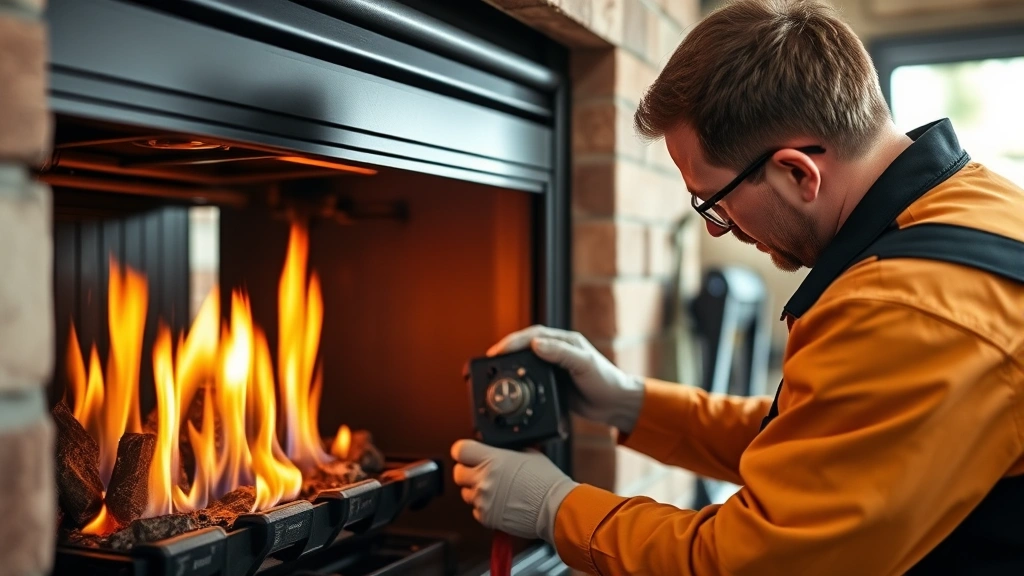
Gas fireplaces have become a popular heating solution for homeowners seeking warmth and ambiance without the hassle of traditional wood-burning fireplaces. However, many people don’t realize that the efficiency of their gas fireplace directly impacts both their energy consumption and environmental footprint. Whether you’re considering installing a new unit or optimizing your existing system, understanding how to maximize gas fireplace efficiency is crucial for sustainable living. Proper gas fireplace service and maintenance can significantly reduce energy waste while maintaining the cozy atmosphere you love.
The intersection of comfort and sustainability doesn’t have to be a compromise. By implementing expert strategies and understanding how your fireplace operates, you can enjoy reliable heating while minimizing your carbon footprint. This comprehensive guide explores the latest efficiency standards, maintenance practices, and actionable tips that will help you get the most from your gas fireplace while contributing to a greener future.
Understanding Gas Fireplace Efficiency Ratings
Gas fireplace efficiency is measured through several standardized metrics that help consumers understand how effectively their units convert fuel into usable heat. The most common measurement is Annual Fuel Utilization Efficiency (AFUE), which represents the percentage of fuel energy that actually heats your home versus energy lost through venting and other inefficiencies. Modern gas fireplaces typically range from 70% to 90% efficiency, with high-efficiency models exceeding 85%.
When shopping for a new gas fireplace or evaluating your current system, you’ll encounter terms like thermal efficiency and heating efficiency. Thermal efficiency measures how much heat the fireplace generates from the fuel burned, while heating efficiency considers the entire system’s ability to distribute that heat effectively throughout your space. Understanding these ratings helps you make informed decisions that align with both your comfort needs and environmental values.
The EPA’s Energy Star program provides certification for high-efficiency gas fireplaces, making it easier to identify units that meet rigorous performance standards. Products bearing the Energy Star label have been independently tested and verified to deliver superior efficiency compared to standard models. This certification is a reliable indicator that you’re investing in equipment designed for optimal performance and minimal environmental impact.
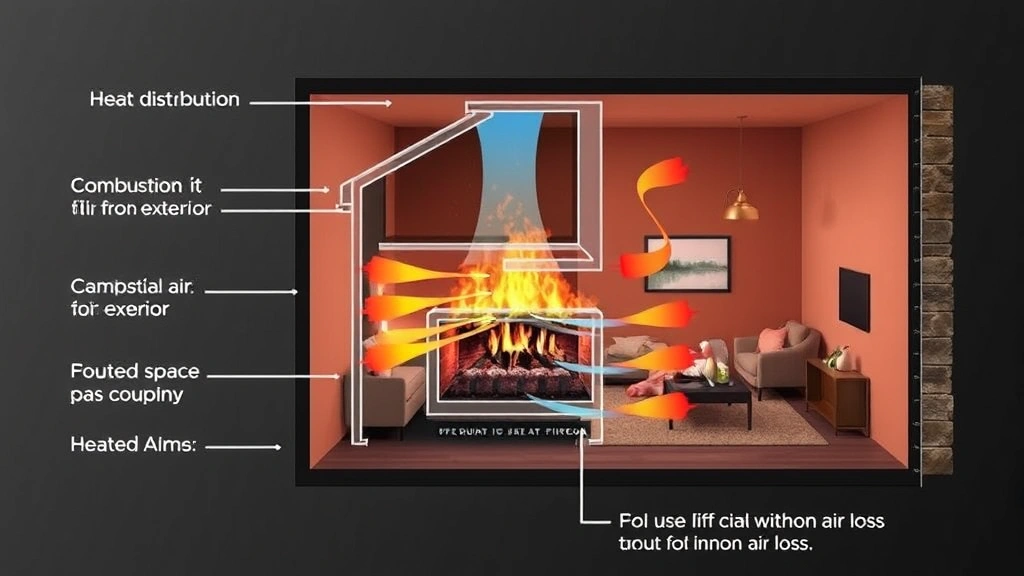
Venting systems significantly influence efficiency ratings. Direct-vent fireplaces, which pull combustion air from outside and exhaust directly outdoors, are more efficient than traditional fireplaces that draw heated air from inside your home for combustion. Understanding these technical differences empowers you to select systems that maximize heat retention in your living space while maintaining proper safety standards.
The Importance of Regular Gas Fireplace Service
Regular maintenance is the cornerstone of sustained fireplace efficiency. Many homeowners overlook routine service, not realizing that accumulated dust, debris, and minor mechanical issues can reduce efficiency by 10-20% over time. Professional gas fireplace service involves comprehensive inspections, cleaning, and adjustments that keep your system operating at peak performance levels.
Annual inspections should include checking the pilot light, burner assembly, heat exchanger, and venting system. A qualified technician will verify that gas flows properly, combustion occurs efficiently, and no carbon monoxide leaks exist. These safety checks are essential not only for efficiency but also for protecting your family from potential hazards. The National Fireplace Institute recommends annual inspections for all gas fireplaces to ensure continued safe and efficient operation.
Cleaning the burner ports and removing accumulated dust from the heat exchanger dramatically improves heat transfer. Over time, these components collect debris that blocks airflow and reduces the fireplace’s ability to distribute heat effectively. Professional cleaning restores the fireplace to near-original efficiency levels, sometimes recovering 10-15% of lost performance. This simple maintenance task pays dividends in both reduced energy consumption and extended equipment lifespan.
Checking and adjusting the thermostat settings ensures your fireplace operates only when needed. Many people keep their fireplaces running at constant temperatures, wasting energy when outdoor conditions change. A properly calibrated thermostat responds intelligently to temperature fluctuations, cycling the fireplace on and off as needed. This responsive operation significantly reduces fuel consumption while maintaining consistent comfort levels throughout your home.
Gas fireplace service also includes inspecting seals and gaskets around doors and venting systems. Even small air leaks can compromise efficiency by allowing heated air to escape. Replacing worn gaskets and sealing gaps prevents this waste, keeping the heat where it belongs—inside your home. These preventive measures are inexpensive compared to the energy savings they generate.
Optimizing Your System for Maximum Performance
Beyond professional service, several strategies help you optimize gas fireplace performance. Start by examining your home’s overall insulation and air sealing. A fireplace operating in a poorly insulated space works harder to maintain comfortable temperatures, reducing its effective efficiency. Addressing how to save energy at home through improved insulation and weatherization amplifies your fireplace’s positive impact.
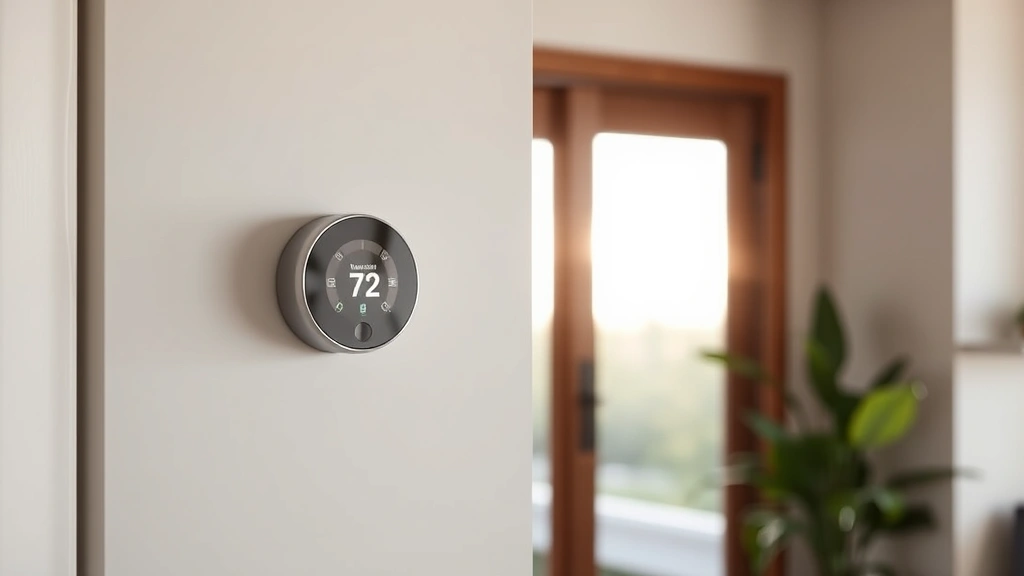
Proper thermostat placement is critical for optimal performance. Locate your thermostat away from direct sunlight, drafts, and heat sources. If the thermostat senses false temperatures, it may trigger unnecessary heating cycles. Ideally, install thermostats in central locations that accurately reflect your home’s average temperature. Smart thermostats with learning capabilities can further refine performance by adapting to your heating patterns and preferences.
Zone heating represents another powerful optimization strategy. Rather than heating your entire home, concentrate warmth in occupied spaces by closing doors to unused rooms and directing fireplace output toward living areas. This targeted approach reduces overall energy consumption while maintaining comfort where it matters most. Many modern gas fireplaces allow adjustable flame settings that let you dial in precisely the right heat output for your needs.
Consider the role of sustainable energy solutions that complement your gas fireplace system. Combining your fireplace with passive solar design, thermal mass, and strategic window treatments creates a comprehensive heating strategy that minimizes reliance on fossil fuels. This integrated approach to home heating exemplifies modern sustainability thinking.
Fan-assisted circulation systems can significantly improve heat distribution. If your fireplace includes a blower fan, ensure it’s functioning properly and adjusted for optimal airflow. The fan pushes heated air from the fireplace into your living space more effectively than passive convection alone. However, balance this with the electricity consumption of the fan itself—modern efficient models use minimal power while delivering substantial heating benefits.
Comparing Gas Fireplaces to Alternative Heating Solutions
Gas fireplaces offer distinct advantages compared to other heating methods, but understanding how they compare helps you make the most sustainable choice for your situation. Traditional wood-burning fireplaces, while aesthetically appealing, are significantly less efficient—typically operating at 50-70% efficiency. They also produce indoor air quality concerns and higher emissions. Gas fireplaces provide cleaner combustion with superior efficiency and controllability.
Electric fireplaces offer 100% efficiency in converting electricity to heat, but this advantage depends on your region’s electricity generation sources. In areas with clean energy grids, electric fireplaces may have lower carbon footprints. However, in regions relying heavily on fossil fuel power plants, gas fireplaces often represent the more sustainable choice. Understanding your local is natural gas renewable and what powers your electrical grid provides crucial context for your decision.
Heat pumps represent the most efficient modern heating technology, with coefficients of performance exceeding 300% in ideal conditions. For homeowners seeking to minimize energy consumption, heat pumps often outperform gas fireplaces. However, gas fireplaces offer advantages in aesthetic appeal, immediate warmth without mechanical systems, and performance in extreme cold conditions where heat pumps struggle. The optimal solution often involves combining technologies—heat pumps for primary heating and gas fireplaces for supplemental warmth and ambiance.
Pellet stoves provide another alternative, burning renewable wood biomass with efficiency rates comparable to gas fireplaces. However, they require regular maintenance, ash disposal, and pellet storage. Gas fireplaces offer greater convenience while maintaining competitive efficiency levels. The choice between these systems depends on your priorities, available space, and commitment to ongoing maintenance.
Environmental Impact and Carbon Considerations
Understanding the environmental implications of gas fireplace use helps you make choices aligned with your sustainability values. Natural gas, while cleaner than coal or oil, is a fossil fuel that contributes to greenhouse gas emissions. However, when used efficiently in well-maintained systems, gas fireplaces can be part of a balanced home heating strategy that minimizes overall carbon footprint.
The combustion of natural gas produces carbon dioxide and water vapor. Modern, efficient fireplaces and proper venting systems ensure complete combustion, minimizing incomplete combustion products like carbon monoxide and nitrogen oxides. This efficiency translates directly to lower emissions per unit of heat generated. An 85% efficient fireplace produces significantly fewer emissions per BTU of heat than a 70% efficient model.
Methane leakage throughout the natural gas supply chain represents a significant environmental concern. Supporting sustainable energy solutions means choosing efficient appliances that minimize gas consumption. By using high-efficiency gas fireplaces and optimizing their performance, you reduce the total volume of gas you consume, thereby reducing your contribution to supply chain emissions.
The EPA’s Greenhouse Gas Reporting Program tracks emissions from natural gas production and distribution. This data emphasizes the importance of consumer-level efficiency improvements. Every percentage point of efficiency improvement multiplied across millions of households creates substantial environmental benefits.
Carbon offsets and renewable energy credits can further reduce the environmental impact of gas fireplace use. Some utilities offer programs allowing customers to offset natural gas consumption through renewable energy investments. Exploring these options demonstrates a comprehensive commitment to sustainability while maintaining the comfort and convenience gas fireplaces provide.
Smart Technology Integration for Better Control
Modern smart home technology revolutionizes how we interact with gas fireplaces, enabling unprecedented control and optimization. Smart thermostats learn your heating preferences and adjust fireplace operation automatically, eliminating unnecessary runtime and reducing fuel consumption. These intelligent systems can integrate with weather forecasting, adjusting heating schedules based on upcoming temperature changes.
Mobile apps allow remote fireplace control, enabling you to adjust temperature settings from anywhere. This convenience prevents situations where fireplaces run unnecessarily in unoccupied homes. Some advanced systems provide energy usage analytics, showing you exactly how much gas your fireplace consumes and identifying optimization opportunities. This data-driven approach transforms heating from a passive activity into an actively managed system.
Voice-activated controls through smart speakers add another layer of convenience. Rather than manually adjusting thermostats, you can simply ask your smart home system to adjust the fireplace temperature. This ease of control encourages more frequent adjustments to match actual comfort needs, preventing the habit of leaving fireplaces running at constant settings regardless of conditions.
Integration with broader home automation systems enables sophisticated scenarios. For example, your smart home might automatically reduce fireplace output when motion sensors detect that rooms are unoccupied, then restore full operation when people return. These automated optimizations work continuously, capturing efficiency gains that would be impossible through manual management alone.
Smart gas monitors alert you to potential leaks or system malfunctions before they become serious problems. Early detection prevents safety hazards and ensures your fireplace maintains optimal efficiency. These monitoring systems provide peace of mind while protecting both your family and your home’s environmental performance.
Cost-Benefit Analysis of Efficient Gas Fireplaces
Investing in high-efficiency gas fireplaces requires upfront capital, but the long-term financial and environmental returns often justify the expense. A typical high-efficiency fireplace costs 20-30% more than standard models, but delivers 10-15% better efficiency. Over a fireplace’s 15-20 year lifespan, these efficiency gains translate into hundreds of dollars in reduced fuel costs.
The payback period for upgrading to a high-efficiency fireplace typically ranges from 5-10 years, depending on usage patterns and local natural gas prices. In regions with higher gas costs, payback occurs faster. Beyond the payback period, the efficiency advantage generates pure savings, making high-efficiency models an excellent long-term investment.
Professional gas fireplace service costs $100-300 annually but prevents efficiency losses that could cost thousands over time. This preventive maintenance represents one of the best returns on investment in home heating optimization. A single cleaning can recover efficiency losses that developed over several years of operation, paying for itself many times over.
Tax incentives and rebates can significantly offset the cost of upgrading to efficient systems. Many states and utility companies offer programs encouraging residential efficiency improvements. Research available incentives in your area—they may reduce the effective cost of high-efficiency fireplaces by 25-40%. The Department of Energy’s Energy Saver program provides detailed information about available incentives and rebates.
The intangible benefits of efficiency improvements shouldn’t be overlooked. Reduced energy consumption aligns with personal values and contributes to environmental protection. Many homeowners find satisfaction in knowing their heating choices minimize harm to the planet. This sense of purpose and alignment with sustainability values adds meaningful benefits beyond the financial calculations.
When considering whether to upgrade your current fireplace or optimize an existing system, calculate your specific payback period using local gas prices and your estimated usage. Even modest efficiency improvements on existing systems often pay for themselves within 1-2 years, making them highly attractive investments from both financial and environmental perspectives.
FAQ
What is the ideal efficiency rating for a gas fireplace?
Look for gas fireplaces with efficiency ratings of 85% or higher. These models deliver superior performance while minimizing fuel waste. Energy Star certified fireplaces meet rigorous efficiency standards and represent excellent choices for sustainability-conscious homeowners. While higher efficiency models cost more initially, their long-term savings and environmental benefits justify the investment.
How often should I schedule gas fireplace service?
Professional inspection and maintenance should occur annually, ideally before the heating season begins. This schedule ensures your fireplace operates safely and efficiently throughout winter. If you use your fireplace frequently or notice any performance changes, consider more frequent service. Regular maintenance prevents small issues from becoming major problems that compromise efficiency and safety.
Can I improve my fireplace’s efficiency without professional service?
While some basic maintenance like vacuuming around the unit helps, professional service provides essential benefits that homeowners cannot replicate. Technicians possess specialized equipment for thorough cleaning, precise adjustments, and safety verification. However, you can support professional service by keeping the area around your fireplace clear of obstructions, maintaining proper thermostat settings, and addressing any obvious issues promptly.
What role does venting play in fireplace efficiency?
Venting systems critically impact efficiency. Direct-vent fireplaces pull combustion air from outside and exhaust directly outdoors, preventing heated indoor air from escaping. Traditional fireplaces that draw combustion air from inside your home waste heated air, reducing efficiency. If you’re replacing a fireplace, choosing direct-vent systems maximizes efficiency gains and environmental benefits.
How does a gas fireplace compare to a heat pump for sustainability?
Heat pumps are technically more efficient, but sustainability depends on your electricity grid’s energy sources. In regions with renewable energy, heat pumps excel. However, gas fireplaces often provide better efficiency than grid electricity in areas relying on fossil fuel power plants. The most sustainable approach often combines both technologies—heat pumps for primary heating and gas fireplaces for supplemental warmth and ambiance.
Are there financial incentives for upgrading to efficient fireplaces?
Many states and utility companies offer rebates and tax credits for residential efficiency improvements. The specific incentives vary by location and program. Contact your local utility company and check the Database of State Incentives for Renewables & Efficiency to discover programs available in your area. These incentives can significantly reduce the effective cost of upgrading to high-efficiency systems.
What smart technology features most improve fireplace efficiency?
Smart thermostats that learn your heating patterns and adjust automatically provide the most substantial efficiency gains. These systems eliminate unnecessary runtime by responding intelligently to actual comfort needs. Mobile app control prevents leaving fireplaces running in unoccupied homes. Energy monitoring features help you identify optimization opportunities. Prioritize thermostats with learning capabilities and comprehensive automation features for maximum efficiency benefits.


